
— Experiences They’ll Remember Forever

 Childhood passes so quickly — a blur of breakfast times, nursery drop-offs, and bedtime stories. Yet every so often, something extraordinary happens: a moment that will light up a child’s eyes and linger in their memory for years to come. These are the magical moments that they never forget. They’re also moments that help shape how children see the world, their place within it — and sometimes even themselves.
The moments children remember most aren’t the everyday routines, but events and activities that feel truly magical — experiences that step outside the ordinary and leave a lasting mark on their hearts and imaginations. It might be an unexpected adventure, a quiet night under a starlit sky, or a small moment of wonder that makes them gasp in delight. Such out-of-the-ordinary experiences help children feel part of something special, cherished, and deeply seen. They create memories filled with pure joy, beauty, and sometimes even awe, as well as connections that often last for years.
Today, we explore how some of children’s most treasured memories come from moments of wonder, surprise, beauty, and unexpected connection. We’ll discover simple yet powerful ways to create magical experiences that will make little ones feel seen, loved, and sometimes even awestruck at the wonder of life. This is about how to create lasting memories for little ones that they will cherish for a lifetime.
Why Magical Moments Matter
 Psychologists tell us that children build their sense of self through experiences that stir strong, positive emotions — especially awe, wonder, joy, and belonging. These feelings act as emotional anchors, shaping how safe, capable, and loved a child feels. When parents or caregivers create a moment that makes a child’s heart race or eyes widen with joy or wonder, they’re not just giving them a fun memory — they’re helping to build emotional security that lasts well into adulthood.
Moments of awe also nurture curiosity and imagination. Whether it’s taking the time to look up and watch a night sky glittering with stars, or exploring a particularly magical woodland brimming with lichen and moss during ‘golden hour’, awe reminds children that the world is big, beautiful and full of possibility. In a time when daily life can feel rushed or routine, sprinkling in a little magic helps a child stay open, hopeful, and connected.
Magical Moments Don’t Need to Cost Money
 Magical childhood memories do not require grand holidays or costly toys. They’re far more likely to spring from connection, surprise, wonder, and imagination.
A child remembers how they felt — the warmth of being cuddled under a blanket to watch the stars, the thrill of being let in on a secret plan, or the joy of a parent saying, “Let’s go on an adventure today.”
The magic lies in the moment itself, not the money spent. Breaking the routine, seeing the familiar in a new light, or simply doing something unexpected can be enough to make an ordinary day unforgettable.
Ideas for Creating Magical Moments
Here are some simple yet truly memorable ways to fill your child’s early years with wonder:
Stargazing Together
 On a clear night, gently wake your child and wrap them in a blanket to watch a meteor shower or count shooting stars. Tell them about the Northern Lights, how they can wish on a star, how astronauts are planning to travel vast distances to Mars, and give them inspiration for their dreams. The quiet awe of the night sky will stay with them forever.
A Surprise Family Adventure
Plan a “mystery adventure” and keep the destination secret until you’re on your way. Whether it’s a picnic in a particularly beautiful spot, a ride on a real steam train, or a dawn trip to look for treasure on a beach, the sense of adventure and excitement will make the day feel magical to a child. Make it out-of-the-ordinary and special.
Messages from the Fairies
 Leave a tiny note or drawing from the “garden fairies” or “forest pixies” thanking your child for something kind they’ve done — perhaps watering houseplants or helping a friend or sibling. It’s a simple act that blends imagination with a message of kindness and care. Perhaps take it a step further and encourage little ones to make mossy beds for the fairies, and a little home-made miniature shelter for them to sleep in. Take photos of them as a memento for your child.
A Garden Camp-Out
Set up a tent or a blanket fort outdoors. Tell stories by torchlight or LED candlelight, listen for owls, or simply lie together looking at the stars. Even just one night spent “camping” close to home can feel like a grand adventure to a child.
Seasonal Traditions
 Create small rituals that return every year — picking flowers in springtime to display around the home, having a “summer-solstice supper” in the garden, or putting out biscuits and carrots on Christmas Eve for Santa’s reindeer — be sure to show your little one how the carrots have been nibbled on Christmas morning! Such traditions will give children a comforting rhythm and a sense that life’s changes can be filled with fun and joy.
The Power of Yes
Every so often, say yes to your child for something delightfully unexpected: jumping in puddles while still in pyjamas, taking breakfast out in the park, or painting a tree trunk with brightly-coloured poster paints (take a photo of your child’s creations if you do!). A small moment of freedom and shared laughter can be pure magic.
Simple Acts of Wonder
 Pause for half an hour to watch the sunrise or sunset together, make wishes while blowing dandelion seeds into the breeze, or follow a butterfly in the park to see where it leads. These small acts teach children that magic is woven through the everyday world — they just have to stop a while and notice it sometimes.
Magical experiences like these will form lasting memories. They will also stimulate emotions around awe, belonging, beauty, and joy. They will remind children that life is incredible, as well as being full of surprises worth paying attention to.
How Magical Moments Shape Who They Become
When children experience magic through loving connection, they internalise a powerful message: I matter. I’m loved. The world is a good place.
Such memories strengthen self-esteem, nurture creativity, build resilience, and encourage children to always remain curious about the world around them. They remind children that they are part of something bigger — a family, a community, a world rich with wonder.
“I matter. I’m loved. The world is a good place.”
 As adults, those memories often become emotional landmarks: the glow of torchlight in a tent, the spectacle of a meteor streaking across the sky, the distinctive smell of campfire food being carried on the wind, and telling stories beneath a blanket. Such recollections help shape optimism and emotional well-being long after childhood ends. They are also the moments that, years later, children will recall fondly and still talk about.
That said, you don’t need to fill every day with spectacle. Just make space, every so often, to pause, to play, and to do something adventurous and out of the ordinary. Those magical moments of shared joy and wonder will make your little one feel seen, loved, and awed — forming memories they’ll carry with them for a lifetime.
We’re Little Cedars Nursery in Streatham

 If you enjoyed today’s blog post and it’s given you some ideas, be sure to check out our other blog posts, articles, activity ideas, and guides. We’re Little Cedars Nursery in Streatham, a high-quality childcare provider near Streatham Common, Streatham Hill, Streatham Park, Tooting, Furzedown, Balham, Norbury, and Colliers Wood. Ofsted rates the setting as a good provider, and we support free childcare places for eligible children aged from just 9 months.
Why not bring your baby, toddler, or preschooler along for a free guided tour? Or, if you like the look of the nursery and would like a place for your child, get started on your application today:

 Tantrums are a common part of life with toddlers and under-fives, but when they happen, they can be very challenging! Whether it’s a meltdown at dinner time or a dramatic on-the-floor outburst in the middle of the supermarket aisle, they can test even the most patient of parents and carers. However, it’s important to understand that tantrums aren’t a sign that something is wrong — they’re actually a normal, healthy stage of child development.
 In their early years, children are still learning how to manage big emotions. There’s a mismatch, though; their brains are developing rapidly, but they haven’t yet mastered language, impulse control, or emotional regulation. So, when they’re tired, hungry, overstimulated, or frustrated, it can all become too much for them.
  When a tantrum starts, staying calm yourself is key. Your child will take emotional cues from you, their trusted adult. If you can remain steady, even if you’re feeling flustered inside, you send the message that you’re in control—and that they’re safe.
 Avoid reasoning or explaining too much during a tantrum. When a child is overwhelmed, they’re unlikely to take much in. It’s often best to wait it out and stay close so they know they’re not alone. For some children, a gentle touch or hug might be helpful. Others may need a bit of space before they’re ready for comfort.
 Offering limited choices — like “Would you like to wear the red jumper or the blue one?” — can also give them a sense of control without overwhelming them.
 Work at least 16 hours or more per week at the National Minimum Wage


 Any successful storytelling nook needs to be warm, cosy, quiet and comfortable. That means choosing a corner or recess of some kind in the home that’s away from distractions like TVs and game consoles. Somewhere that’s not used as a thoroughfare by other family members will also help. Wherever you choose, it also needs to be warm. Therefore, somewhere away from draughts is required, so avoid being too close to entrances and exits to the outside. A corner of a quiet room or a tranquil alcove are therefore often ideal spots for your child’s storytelling nook.
 Whether reading from a book or creating a new story off the top of one’s head, there’s something that really brings a story to life — being animated and expressive during storytelling, rather like actors might do. That’s true whether it’s the adult or the child telling the story.
 Do consider adding a storytelling nook or reading corner to your child’s home. They’re great vehicles for escapism, are incredibly worthwhile, and offer potentially magical experiences for your child. And, if you go the extra mile to make them cosy, immersive and special, they will encourage your child to love reading and creating new adventures using their imagination. Storytelling nooks and reading corners can open up whole new worlds to your child and be a wonderful antidote to electronic screens, gloomy weather, and more limited daylight during winter months. What’s more, they’re a great way for all parties to grow deeper bonds through shared periods of exquisitely immersive, high-quality time.

 Last year,
  As well as helping families financially, the scheme expansion should help children begin their early years education even earlier, for many, which has been shown to be hugely beneficial to them. The free childcare provision will also help many more women back into the workforce. Children, families and the economy should all benefit.

 The NHS
  Try small, finger-sized watermelon sticks; they’re delicious, nutritious and refreshing for your little one.
 Consider using soft-cooked carrots, peppers, or cauliflower in finger-sized stick form, or even broccoli florets. Cucumber sticks are also an option but don’t require soft-cooking.
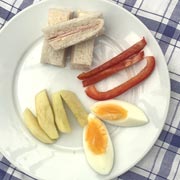 Another firm favourite with toddlers is a hard-boiled egg sliced into holdable fingers. Such slices are rich in protein, vitamins, and minerals.
 Children are all different. They learn and develop at different rates to each other and that applies to potty training success too. Circumstances in each family are different too, and this will also have an effect. In other words, there is no hard and fast rule about the age by which little ones should have mastered the use of the potty. Parents should therefore not worry if their child is slower to master toileting than their siblings or peers. That said, some very rough guidelines will always be useful to parents and these follow.
 Allowing your toddler to help choose their potty can automatically make it less daunting and instead more of a ‘friendly’ thing to have in their life.
 Children can also be encouraged by having their own toy potties. They, and parents, can ‘train’ teddies and dolls to use these during play. Doing so will help them be both relaxed and more educated about potty training — even proactive.
 Don’t forget to make potty training fun! Many of these tips will help towards that, including the rewards idea (#4), praise (#5), characters on potties (#7), toileting-themed music (#8), and so on.
 household cleanliness, and for their independence.