A Rough Guide for Parents

Becoming a parent brings a mix of excitement, questions, and, quite often, a level of uncertainty. However, if you’re starting a family, you’re not on your own. One professional you’ll hear from early on is a health visitor. However, many parents aren’t sure exactly what they do or how they can help. The good news is that, essentially, health visitors are there to support you and your child. It’s also important to understand that they are not there to judge you. Instead, health visitors play an important role in helping families feel informed, confident, and well-supported during their child’s early years.
In this guide, we’ll explain exactly what a health visitor does, when families will see them, and how they can support parents and children from birth and throughout the early years.
What Is a Health Visitor?
A health visitor is a qualified nurse or midwife who has completed additional specialist training in child health, development, and family wellbeing. Each family will have a named health visitor allocated to them.
In the UK, health visitors work as part of the NHS and support families from pregnancy through to when their child is around five years old. Their role focuses not just on a child’s physical health, but also on their development, emotional wellbeing, and, just as importantly, the overall health and wellbeing of the family.
What is the Role of the Health Visitor?
Health visitors support families in a wide range of practical and emotional ways. Their role is varied, but at its heart, it’s about the health and wellbeing of the whole family. For the mums and dads they visit at home, they are firstly there to help them adjust to becoming new parents. They will offer guidance, answer questions, and provide support and reassurance, which are so crucial during the early stages of parenthood when everything can feel so new. For babies and young children, they are there to facilitate the best possible start in life.
Health visitors are also well-connected, working closely with other groups, children’s centres, and professionals. As such, they’re well-placed to identify when additional support might be helpful and guide you towards other services and resources that can help families and their little ones.
When Will a Health Visitor Visit?
New parents usually have contact with a health visitor at several key points during their child’s early years. These may include:
- An antenatal visit (before your baby is born)
- A new birth visit (around 10–14 days after birth)
- A 6–8 week review
- A 9–12 month review*
- A 2 to 2½ year review*
* The health visitor, or a member of their support team, will also give families an ‘Ages & Stages Questionnaire’ (‘ASQ-3’) before the two reviews indicated. Usefully, these give families the opportunity to undertake some of the home-based activities referenced in the questionnaire, thereby allowing them to provide appropriate feedback later at the in-person reviews. That said, if there are any areas of the questionnaire that parents are unable to complete confidently, the health visitor can help. For children attending nursery, playgroup, or childcare at the time of the 2 to 2½ year review, it’s also possible that a childminder or childcare keyworker will help with input in addition to the health visitor.
Families are also able to contact their health visiting team at any time, including between scheduled visits, if they have any questions or concerns.
Learn more about what the various health and development reviews entail here.
What Happens During a Health Visitor Appointment?
Health visitor appointments are typically relaxed and informal. They are often carried out in the comfort of the family home, or sometimes at a local clinic, depending on the area and the stage the family/child are at.
During a visit, your health visitor will ask how you and your baby or child are doing. They’ll talk to you and offer advice about your child’s feeding (breastfeeding, bottle feeding, weening, etc.), sleep (including safe sleep positions and common sleep challenges), vaccinations, and daily routines. They’ll observe your child in the home setting and are likely to carry out basic measurements, for example, to record your child’s weight, growth, height, and head circumference. They’ll also check your child’s development, such as movement, communication, and social interaction. They can offer guidance on behaviour as your child grows. They may offer advice on home safety and accident prevention too. For you as parents, they’ll also be there to support your mental health and emotional wellbeing. Importantly, they will, of course, also answer any questions you may have. The aim is to provide tailored support, open conversations and reassurance where families need it.
Will Health Visitors Judge You?
It’s a common worry, but no, health visitors are not there to judge your parenting, and there is no “test” for you to pass during a visit. Their role is not to assess you but instead to support families and help their children thrive. Should you ever be unsure or worried about something, being open with your health visitor will help them support you more effectively. They also understand that every family is different, so there is no single “right” way to do things.
So, while health visitors do have a responsibility to ensure children are safe and well cared for, for the vast majority of families, visits are simply about offering guidance, reassurance, and invaluable, practical help. For many parents, this can make a real difference.
The Red Book
We mentioned earlier that the health visitor is likely to record metrics like your child’s weight and height. Such information is recorded in a little red book. Officially called a Personal Child Health Record (‘PCHR’), this is more commonly referred to as ‘The Red Book’. It’s a useful place to record metrics and milestones in your child’s development. Health visitors and other professionals, like GPs, can write in it — as well as parents. It’s the perfect place to record a child’s milestones, medical history, details of any vaccinations and tests your child has had, and so on. Take it with you whenever you visit a GP, baby clinic, or other healthcare/medical setting with your child.
When Should You Contact a Health Visitor?
You don’t need to wait for your next scheduled visit if something is on your mind. For example, you might want to contact your health visitor if:
- You have concerns about feeding
- Your baby or child is struggling with sleep
- You’re unsure about your child’s development
- You’ve noticed changes in behaviour
- You’re feeling overwhelmed, anxious, or low
Reaching out early can often provide reassurance or help you address small concerns before they become bigger worries.
Supporting Your Child’s Development Together

 Alongside the support of your health visitor, a nurturing nursery environment can play an important role in your child’s development — nurturing new skills and helping them grow in confidence, communication, and independence. If you’d like to learn more about how Little Cedars Day Nursery supports children and families, feel free to get in touch or peruse more of this website. Whether you have a quick question or a more complex concern, we are here to support both you and your child every step of the way.
A Childcare Place at Little Cedars Nursery, Streatham
Little Cedars Nursery, in Streatham, offers a fabulous start for babies and children under five. We provide an all-year-round weekday childcare service in a warm, welcoming environment. At Little Cedars Nursery, every child is valued and nurtured, so they become the very best version of themselves in readiness to begin school. The high-quality childcare setting has a good Ofsted rating and supports free childcare hours for eligible children aged from just 9 months. We’re located in Streatham, near Streatham Common, Streatham Hill, Streatham Park, Tooting, Furzedown, Balham, Norbury, and Colliers Wood.
To get started on a nursery application for your child, or to find out more, please choose an option below:

 At the heart of Gentle Parenting is empathy, kindness, respect, and a close bond between a parent and child. Such connections are given priority over control and obedience, and there are no punishments as such. Instead, gentle parenting uses a type of “positive discipline” where children’s behaviour is guided softly, in a measured way, without fear, threat, or punishment. ‘Gentle’ parents work with children to solve a problem collaboratively while, of course, acting to keep them and everyone else safe.
 Authoritative parenting is often seen as a strong, nurturing foundation for early childhood. It’s balanced somewhere between permissive parenting and authoritarian parenting.
 Authoritarian parenting is a style that’s highly structured, but low in emotional flexibility. With this parenting style, parents expect blind obedience without question, don’t often explain the reasons for rules, and are highly controlling.
 Permissive parenting (sometimes also known as ‘indulgent parenting’) utilises a loving and warm approach towards children, but is often under-structured due to a reluctance to enforce rules.
 Helicopter parenting means that parents are very involved — sometimes too involved — often micromanaging the child’s every move.
 Velcro parenting denotes a strong level of closeness and a slow level of separation — a kind of hyper-involvement.
 Uninvolved parenting (also sometimes known as ‘neglectful parenting’) is evidenced by low engagement, a low level of warmth, and limited support for the child.

 Except for Safeguarding, the new Report Card will show Ofsted’s evaluation of each of the assessment areas as one of the following:

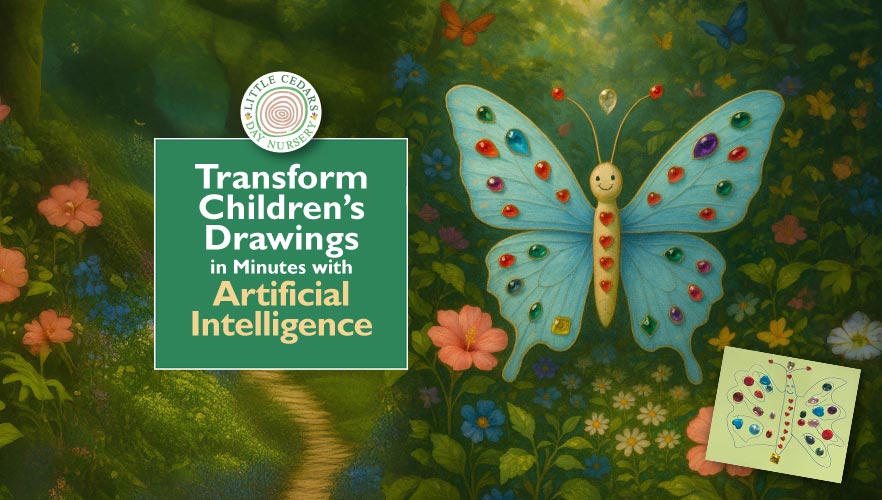
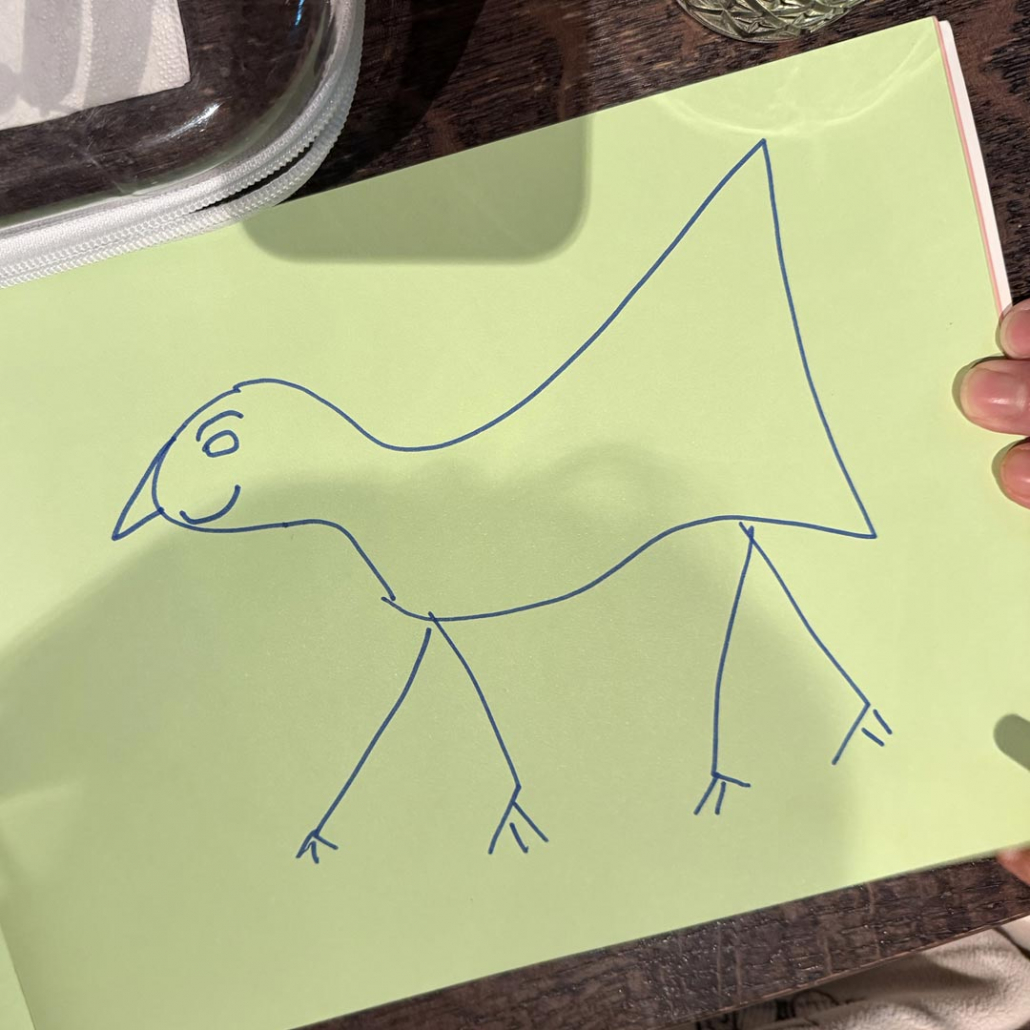









 Childhood passes so quickly — a blur of breakfast times, nursery drop-offs, and bedtime stories. Yet every so often, something extraordinary happens: a moment that will light up a child’s eyes and linger in their memory for years to come. These are the magical moments that they never forget. They’re also moments that help shape how children see the world, their place within it — and sometimes even themselves.
 Psychologists tell us that children build their sense of self through experiences that stir strong, positive emotions — especially awe, wonder, joy, and belonging. These feelings act as emotional anchors, shaping how safe, capable, and loved a child feels. When parents or caregivers create a moment that makes a child’s heart race or eyes widen with joy or wonder, they’re not just giving them a fun memory — they’re helping to build emotional security that lasts well into adulthood.
 Magical childhood memories do not require grand holidays or costly toys. They’re far more likely to spring from connection, surprise, wonder, and imagination.
 On a clear night, gently wake your child and wrap them in a blanket to watch a meteor shower or count shooting stars. Tell them about the Northern Lights, how they can wish on a star, how astronauts are planning to travel vast distances to Mars, and give them inspiration for their dreams. The quiet awe of the night sky will stay with them forever.
 Leave a tiny note or drawing from the “garden fairies” or “forest pixies” thanking your child for something kind they’ve done — perhaps watering houseplants or helping a friend or sibling. It’s a simple act that blends imagination with a message of kindness and care. Perhaps take it a step further and encourage little ones to make mossy beds for the fairies, and a little home-made miniature shelter for them to sleep in. Take photos of them as a memento for your child.
 Create small rituals that return every year — picking flowers in springtime to display around the home, having a “summer-solstice supper” in the garden, or putting out biscuits and carrots on Christmas Eve for Santa’s reindeer — be sure to show your little one how the carrots have been nibbled on Christmas morning! Such traditions will give children a comforting rhythm and a sense that life’s changes can be filled with fun and joy.
 Pause for half an hour to watch the sunrise or sunset together, make wishes while blowing dandelion seeds into the breeze, or follow a butterfly in the park to see where it leads. These small acts teach children that magic is woven through the everyday world — they just have to stop a while and notice it sometimes.
 As adults, those memories often become emotional landmarks: the glow of torchlight in a tent, the spectacle of a meteor streaking across the sky, the distinctive smell of campfire food being carried on the wind, and telling stories beneath a blanket. Such recollections help shape optimism and emotional well-being long after childhood ends. They are also the moments that, years later, children will recall fondly and still talk about.