
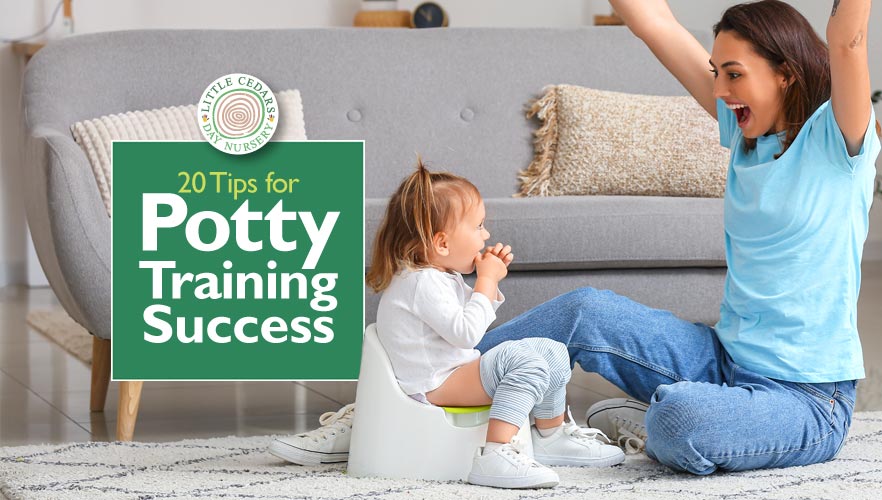
While some toddlers take to it like a duck to water, potty training can be quite daunting for others. It’s a task that can sometimes be the source of considerable upset for little ones which, in turn, can be stressful for parents. However, with the right tools and some useful tips from experts and those who have already gone through the process, potty training can be plain sailing. With that in mind, today’s guide gathers together 20 top tips for successfully fast-tracking potty training — take a look!
Before we begin on the tips, though, let’s see what we should be expecting from our little ones:
When Should We Expect Children to Master Potty Training?
 Children are all different. They learn and develop at different rates to each other and that applies to potty training success too. Circumstances in each family are different too, and this will also have an effect. In other words, there is no hard and fast rule about the age by which little ones should have mastered the use of the potty. Parents should therefore not worry if their child is slower to master toileting than their siblings or peers. That said, some very rough guidelines will always be useful to parents and these follow.
During the daytime, some tots will manage to stay mostly dry by the age of two to three, with most achieving it completely by the age of four. It’s a huge milestone when it finally happens!
During the night, most are also dry overnight by the age of six, although generally, infants will no longer poop at night even earlier — around the age of 12 months. That said, some children continue to wet the bed at night well beyond the age of 5 or 6. This can be for a variety of reasons, for example, simply because they sleep so deeply. They should never be told off about such incidents and minimal fuss should be made (they are, after all, accidents). The good news is that children are likely to grow out of bed-wetting anyway. We may follow up at a later date to write about measures families can take to minimise the likelihood of bed-wetting incidents for children over five.
20 Top Tips for Potty Training Success
Now we’ve outlined the key background information, it’s time for our 20 tips for potty training success.
- A good time to start your child on potty training is when they have shown that they’re aware of what’s in their nappy. Clues include looking in the nappy during a change, showing discomfort when in need of a change, or showing an awareness that they’re actually going to the loo.
- Beginning potty training during the warmer months of the year is also another top tip. That way, children will be wearing less clothes and what clothes they are wearing will be easier to dry on the washing line.
- Teach little ones all the appropriate words around the topic of potty training and toileting. By empowering them to use such language, they’re much better placed to ask to go to the loo in good time.
- Try rewarding your child for successful use of the potty. The promise of a treat for a successful ‘number two’ can often be all that’s needed to convince a reticent child to attempt it on the potty. Colourful reward stickers and a toileting chart celebrating successes also encourage children.
- When a number one or two are each achieved, especially early on in their potty training, celebrate and congratulate your child — these are huge milestones! Giving them praise will encourage them to build on their success.
 Allowing your toddler to help choose their potty can automatically make it less daunting and instead more of a ‘friendly’ thing to have in their life.
- Potties and toileting accessories that feature your child’s favourite characters, for example, dinosaurs, unicorns, or TV characters, will also make them much more friendly and even fun to the little one.
- Indeed, choosing the ‘right’ potty and toileting accessories is important on many levels. There are many different kinds to choose from, each suitable for different circumstances and preferences, including:
Portable potties for when you’re out and about (some even come in a travel case format with wheels). Training seats that attach to an adult toilet. Musical potties that activate a song when they’ve sensed a successful use; these are great for children to sing along to and doing so will encourage them. A set of suitable steps will also help little ones get themselves to the right height once they’ve progressed from a potty to a toilet. These are also useful for reaching adult-level sinks to wash their hands. - Children can also be encouraged by having their own toy potties. They, and parents, can ‘train’ teddies and dolls to use these during play. Doing so will help them be both relaxed and more educated about potty training — even proactive.
- Parents can also source potty training-themed books, stories, songs, YouTube videos and even games that will help children engage in the potty-training process whilst also making it fun.
- When potty training first begins, it’s a great idea to encourage your toddler to visit the potty at initially short, regular intervals. This could be every 30 minutes at the start but can be gradually extended to longer intervals once the child is showing signs of success.
- Ensure your child tries to use the potty immediately before bedtime, of course, and when they wake up from any period of sleep (day or night). It’s also a good idea to encourage them to use it after meals.
- When progressing away from using nappies, the use of ‘pull-ups’ is a good tool for the transition. Pull-ups are midway between a nappy and traditional underwear and, as such, will both protect and get children used to not wearing nappies.
- When starting potty training, picking a quiet time will help children focus, so they do not get distracted or put off.
- Setting a toileting schedule that doesn’t conflict with other items in your child’s routine will also help. Sticking to such a schedule will get little ones used to using the potty — and indeed they’ll expect to do so.
- Don’t forget to make potty training fun! Many of these tips will help towards that, including the rewards idea (#4), praise (#5), characters on potties (#7), toileting-themed music (#8), and so on.
- Normalise the whole process. The last thing potty training needs to be perceived as is a ‘problem’, so making it just a normal part of everyday life is essential to success.
- Let them know that their friends or peers are also potty training (or trained). Ensure children know that you also went through the process of potty training, as did older siblings, friends, and relatives. In this way, they won’t be made to feel ‘different’ or that something is ‘wrong’.
- Keep calm in front of your child even if they begin to get stressed during potty training or toileting. Don’t let them hear anything negative about potty training, including any accidents, which will happen however swimmingly the training goes.
- Remember that part of potty training is also teaching your child good hygiene practices including the need to always wash hands after use of the potty or toilet. They need to understand that this is essential for their health, household cleanliness, and for their independence.
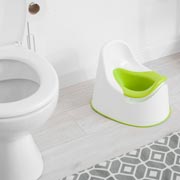 Allowing your toddler to help choose their potty can automatically make it less daunting and instead more of a ‘friendly’ thing to have in their life.
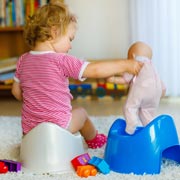 Children can also be encouraged by having their own toy potties. They, and parents, can ‘train’ teddies and dolls to use these during play. Doing so will help them be both relaxed and more educated about potty training — even proactive.
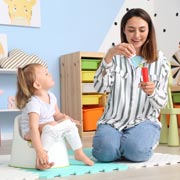 Don’t forget to make potty training fun! Many of these tips will help towards that, including the rewards idea (#4), praise (#5), characters on potties (#7), toileting-themed music (#8), and so on.
 household cleanliness, and for their independence.
With successful potty training comes an easier home life for parents, improved cleanliness and hygiene for children and, with no nappies to buy, less household expense. Mastering potties and later the toilet will also be a huge boost to children’s independence and self-confidence; both being hugely important at nursery/preschool and, in particular, when they begin school.
Our Nursery in Streatham, London SW16
Little Cedars Nursery: High-Quality Childcare Services in Streatham


We hope that today’s potty training tips help to make the process go smoothly. We are Little Cedars Nursery in Streatham, London SW16, situated conveniently close to Furzedown, Tooting, Norbury, Balham, and Colliers Wood. As a Good Provider of early years childcare, we give babies, toddlers, and preschoolers under 5 the very best start in life. We bring out the best in them, so they’re ready to hit the ground running by the time they start school. We also support many of the Government’s free childcare schemes to make it more affordable for eligible families.
Contact Little Cedars Nursery today to register your child for a childcare place, ask a question, or book a free tour of the setting:
 As promised in our last post we now extend our
  One of the key things that pollinators like bees need is something to drink, particularly when the weather is hot. They expend a lot of energy buzzing about and can easily become exhausted without a source of water. So, a simple thing that children and families can do is to put out some small, shallow dishes of water among any flowers (whether in flowerbeds or flowerpots). The little drip trays that you put under flowerpots are perfect but any small, shallow dish will do. A critically important detail is that a ‘landing stone’ should be placed into the water so that the bees have somewhere safe to land above the level of the water’s surface.
 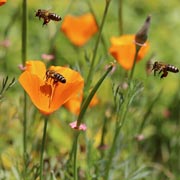 Bees, hoverflies, butterflies and all pollinators also need nectar as a food source. For our children, that means that flowers — and their pollen — are the key to attracting them. So, with adult supervision, children can sow pollinator-attracting flowers from things like poppy seeds and wildflower seed mixes. These are readily available commercially, are usually marked on the packets as pollinator-friendly, and are usually very inexpensive. They’re also easy to grow (see our
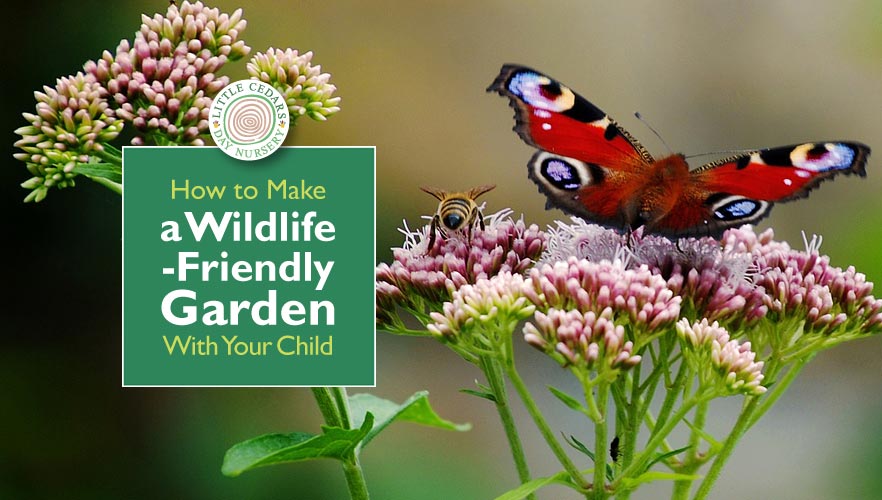
 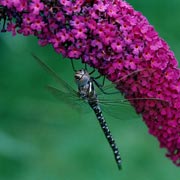 As we mentioned above, butterflies will be attracted to flowers like poppies and wildflowers. However, they absolutely love flowering Buddleia (right) and Hylotelephium (a.k.a. ‘Ice Plant’ – see main image at top), especially if they’re located in a sunny position. On a good day, children may find such plants absolutely covered with visiting butterflies and other pollinators — and these creatures are a delight for little ones and adults alike. Note, though, that parents will need to hard prune most Buddleia varieties in early Spring, otherwise, they can grow quite large. If space is limited, therefore, stick with poppies, wildflowers, and ice plants rather than buddleia.
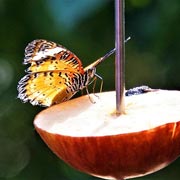 As well as enjoying the nectar from the flowers that children have planted (see above), butterflies can also be lured to children’s gardens through a kind of drink that’s also food for them. For butterflies, children simply mix up to four parts of warmed water with one part of sugar. Stir until the sugar has dissolved. Children can then drizzle the sweet solution over small slices of ripe fruit or even small cut-up pieces of a clean sponge. As with the water for the bees, these can then be placed in shallow dishes and left among flowerbeds or alongside flowerpots on a balcony or windowsill. Once they’ve discovered them, butterflies will soon begin to land to sip at this sweet food supply. Children will then be able to see their incredible beauty up close.
 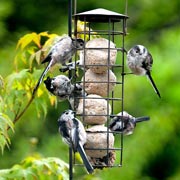 Putting out food suitable for birds is the most simple way to attract birds to a child’s garden or outdoor space. Once the birds recognise and trust it, the new food source will provide a regular stream of pretty, feathered visitors. Children will love knowing they helped to attract these wonderful creatures and have been responsible for giving them a much-needed meal. They can also use
 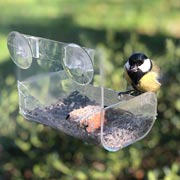 Commercially available ‘Robin peanut cakes’ and ‘sunflower hearts’ are also a big hit with many birds, and can usually be found in supermarkets or online. Whole bird-friendly peanuts are also popular with birds like bluetits and great tits, however, can be a choking hazard for baby birds during the breeding season if not crushed into tiny pieces. More information about suitable food types for birds can be found using the link in the paragraph above.
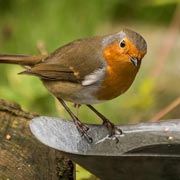
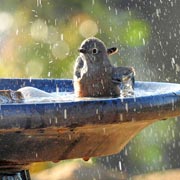 Birds need to drink and bathe themselves, so putting out water in shallow vessels like flowerpot saucers will be welcomed by them. These are best located somewhere a little secluded, e.g. in amongst flowers in a flowerbed or below overhanging shrubs or trees, rather than right out in the open. Otherwise, birds may avoid them as they’ll feel unsafe from birds of prey that sometimes view from high up in the air. If bird baths supplied are on the larger side, birds may bathe in them as well as drink from them. That’s a delight for children to see, so encourage your little one to make one or more bird baths available but also make sure of several things:
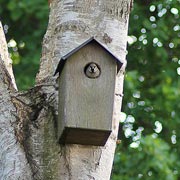 Children will also love seeing birds moving into birdhouses, which families can either make or buy, often inexpensively, and put up around gardens or properties. There are lots of different kinds, for example, blue tit boxes have a hole as an entrance whereas robins require a larger opening. Some research online may be wise and families can decide which type to go for based on what species of birds they wish to attract.
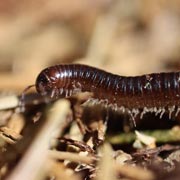 By far the best way to attract minibeasts, apart from ensuring harmful weedkillers and other nasty chemicals aren’t used around the garden, is to give them a compost heap to live in. Such places will attract minibeasts like centipedes, woodlice, millipedes, worms and many other types — perhaps even slow worms. Building a compost heap is a wonderfully worthwhile, fun, and educational activity for children to take part in and our
 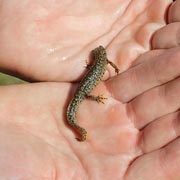 Aside from that, minibeasts and many other types of garden visitors love a wild area of the garden or outdoor space to live in, ideally with ramshackle things like flower pots, rocks, piles of rotting leaves, and rotting logs/branches for bugs, slow worms and other minibeasts to live under. Lizards, frogs, and toads may also be attracted to such areas, particularly if the area is kept damp.
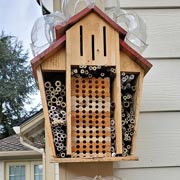 Make or buy a ‘bug hotel’ and place this in the wilderness area too, as it’ll provide a home for all sorts of bugs and insects, including some pollinators like solitary bees, bumblebees, and other minibeasts like ladybirds, woodlice, snails, spiders — even some types of butterfly potentially. Indeed, bug hotels are excellent in autumn as they will provide somewhere safe for the creatures to over-winter and hibernate. The RSPB has
 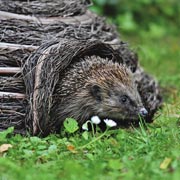 With the right preparation and if children are really lucky, they may even find that adorable little hedgehogs pay a visit. Better still, they may even move in under and raise families of adorable baby hedgehogs if the circumstances are right. Piles of leaves in wild areas, compost heaps in garden corners, unlit bonfire wood stacks, beneath sheds and where there are leaves collecting under undergrowth are all great areas for hedgehogs to stay, particularly if they’re secluded and peaceful areas away from noise, activity, and garden pets like dogs and cats. Ensuring there is a suitable gap under garden fences will also allow hedgehogs to come and go as they please, to forage for food. Ensure they’re not too big, though, if you have a pet.
 As we previously reported,
 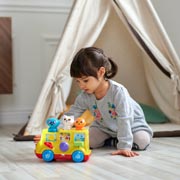 One of the ways you can optimise the success of any indoor play is to set aside a dedicated and safe play area or room for your child. Here, you can ensure that children have the space and tools available for stimulating play when needed, and quieter play at other times. Age-appropriate toys, books, and equipment are, of course, the first prerequisite for such an area. However, you may also consider other elements such as a quiet storytelling/reading corner, a play den or teepee, a relaxation area with cushions and blankets, a creative section with art and craft supplies, a play kitchen or play tools section, and so on. Giving your child such a space is sure to encourage them to immerse themselves in their play activities. And, as we know, children learn best through play.
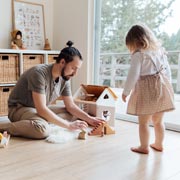 As well as giving children the tools for imaginative and educational play at home, your proactive input will also boost the benefits they receive from such activities. So, get involved, lead them sometimes and at other times let them lead. They’ll discover and learn more in this way. Ask and answer questions, encourage them to be creative in their thinking and physical approach and highlight aspects and elements that they may not otherwise have been aware of. Such an approach can teach children so much. It may well also deepen the bond between you.
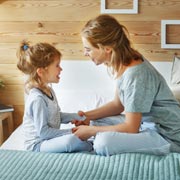 There are many types of play at home that can involve role-play, which is a powerful tool for learning. Role-play allows children to immerse themselves deeply into the game, story, or scenario they are acting out. As such it greatly boosts young imaginations and stimulates creativity skills. So, encourage such activities as dressing up in costumes, acting, and putting on pretend voices to embody characters. You and your child can take this a step further through the setting up of play equipment or props to create a new play scenario, for example, a play den, cave, pretend kitchen, or castle. Children will have immense fun whilst also learning huge amounts from such creative and imaginative activities.
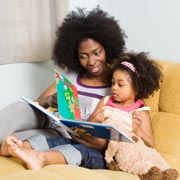 Role-playing can also be brought into time spent reading with your child.
 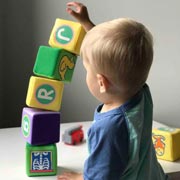 While electronic screens have their occasional place in the education and entertainment of families, it’s healthy to ensure your child has regular screen-free time. Partaking in active play at home — rather than staring inactively at a screen — can only be a good thing, in so many ways. Social skills will be better when children are actively involved in physical play with others. Motor skills and fitness will also benefit. Creativity levels will go through the roof too when children play in real life. They will also learn so much about the world, everything around them and the endless possibilities available to them by playing in the real world. Ensuring children get access to such benefits and opportunities by switching off smartphones, TVs, tablets and game consoles is something every parent can easily do for their child. Doing so will allow for more traditional play, which will enrich their lives in an infinite number of ways.
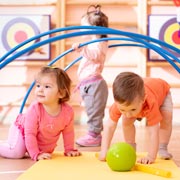 Toys that allow open-ended play are the toys that young children will usually learn the most from. For example, allowing your child to play with building blocks and materials for arts and crafts will let your child’s imagination run riot. Through these, they will be able to create an infinite range of scenarios and possibilities. Dolls and action figures are also good examples that will allow children to immerse themselves in open-ended play, with you there to help expand those possibilities, scenarios and learning opportunities even further.
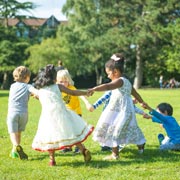 It doesn’t have to be just you and your child playing. Siblings and your child’s peers can also be encouraged to join in. Consider inviting your little one’s friends to your home or local park for a play date. Getting your child’s friends and peers together for group play will allow your child to learn and hone social skills like cooperation, teamwork, leadership, sharing and potentially even conflict resolution. And, with you there to oversee the group session, you can be sure that home play will be fulfilling, organised, fair and rewarding for all who take part.
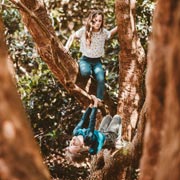 Remember that you can facilitate learning through play outdoors with your child too. Whether in the garden, park or countryside, playing outdoors gives children a vast number of learning opportunities — and it’s great fun! By accompanying children outdoors, they can naturally explore and discover — and enjoy doing so in ways that are much more free than when playing indoors. Outdoor play is a feast for the senses, it will encourage the honing of physical skills like balance, coordination, motor skills and strength as well as fitness. Playing in the natural world is also incredibly good for children’s mental well-being and holistic development. Learn more about
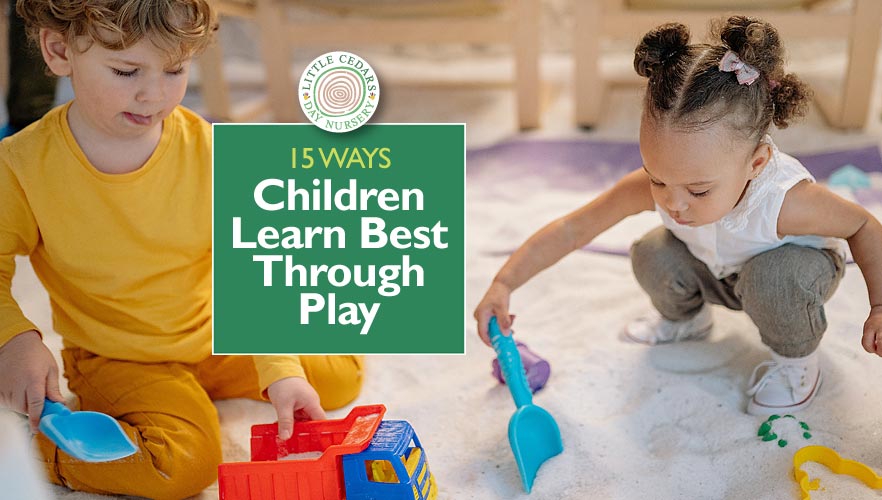
 Watch any infant, toddler or preschooler for just a few minutes and you’ll see that one thing comes naturally to them; play. Indeed, it’s as if they’ve been programmed that way, with the need to play coming instinctively to youngsters, whatever their species. Aside from it simply being great fun, there are a multitude of very good reasons for that — play teaches them an enormous amount about each other, themselves, other living things, cause and effect, and the world around them. It also allows them to learn and fine-tune a whole swathe of new skills as they grow older, play new games, and become more experienced. Add in some careful steering and nurturing during that play from Mum or Dad and they have a real recipe for success. With that in mind, we look today at the key ways in which learning through play profoundly benefits children.
 Play and creativity go hand-in-hand. Whether making up a new game, role-playing, constructing, or playing in a den, children will naturally create both scenarios and physical items as part of their play. Such activities teach them how to use their imaginations and to be creative — in a myriad of ways.
 Different play activities require different types of movement and physical interaction from children. Indeed, this is a fundamental aspect of play. Whether jumping and running with large movements or carefully constructing with small items like building blocks, children will naturally hone both fine and gross motor skills during play. Such physical skills are essential to their ability to navigate and interact with the world around them and, in the most natural of ways, play is at the heart of enhancing those abilities.
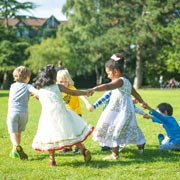 Social skills are also improved through play. Children naturally play with other children and, by so doing, will soon pick up social skills as they begin to better understand social protocols that allow them to succeed both as individuals and in groups. Decent manners, saying please and thank you, cooperation, teamwork and closer bonding are all examples of social skills that can benefit through group play. Other examples include conflict resolution, better sharing, negotiation and communication, which we’ll come to next.
 Through all this play, children will be communicating with each other and with any adults that are supervising. As such, play is a great facilitator of communication. Indeed, good communication is essential to most games and, through it, children can cooperate and achieve in ways that will help them in both the short term and into adulthood. Improving communication skills is also a fundamental way to improve success when you think about it.
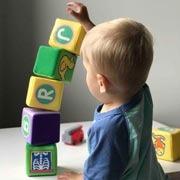 Mathematics is often embedded into games and pastimes. Children can learn, for example, about adding, subtracting, multiplication and division through games. Even dividing group play into teams requires some fundamental maths to ensure teams are equal in size. Building towers out of blocks is another great example where children can count how many blocks they can stack into a tower before it falls over. They can try to beat their own maximum, or even compete against one another to see who can use the most blocks.
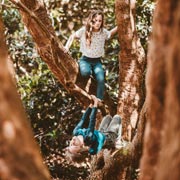 Play comes in a vast array of different forms, shapes, and sizes. Through so doing, it introduces children to countless scenarios, situations, and challenges. By immersing children into such widely differing environments, they learn huge amounts about the world around them, and everything within it. Whether it’s newfound knowledge about a new object, material, place, culture, activity, or something else, play is an amazing conduit to new knowledge and the need to learn new skills. Play is the ultimate educator and the incredible thing is that children may be unaware that they’re learning — they’re having too much fun!
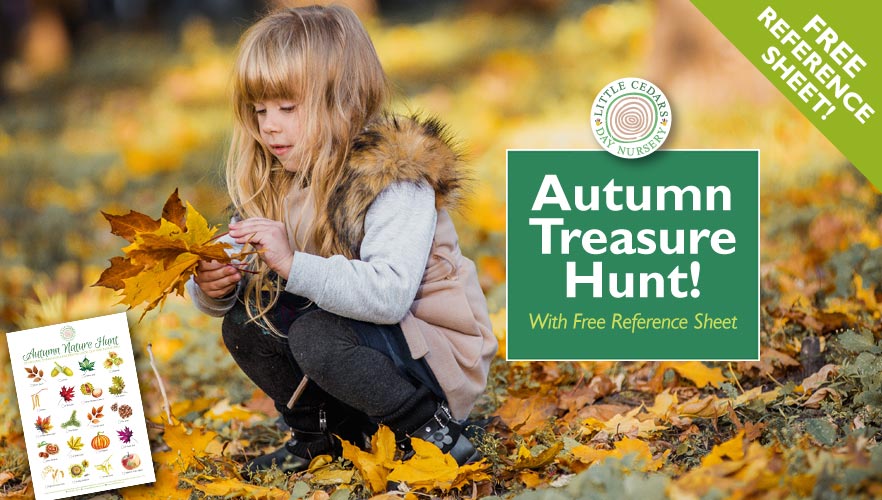
 Autumn is a time of the year when magical colour changes occur across gardens, parks and landscapes. Leaves can be seen in a multitude of different colours before falling along with seeds, ripening fruits and berries. In autumn, nature shows us a wonderful metamorphosis and it’s a time of beautifully crisp air and clear distant views. It’s all incredible to behold and also offers children some unique seasonal activity opportunities.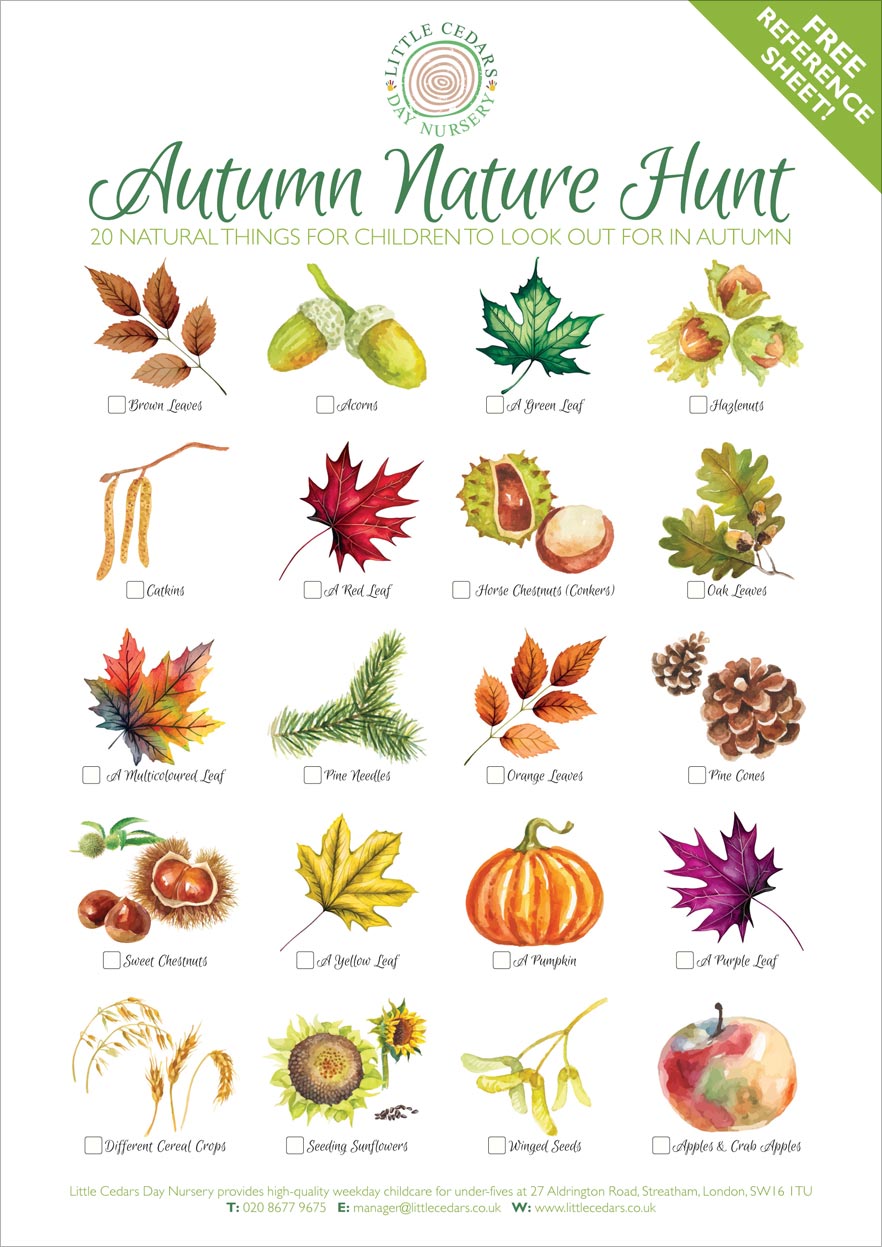

 Child Benefit is a financial support scheme, provided by the UK Government, that’s there to assist parents and guardians in covering the costs of raising children. It is an essential part of the social safety net in the United Kingdom and aims to help families with the financial responsibilities that come with bringing up children. Eligible families are free to spend Child Benefit however they like, whether that’s on children’s clothes, food, or something else.
 You can claim Child Benefit for all of your children who meet the eligibility criteria. It may surprise some to learn that there are no restrictions on the number of children you can claim for (unlike with some other types of Government child support), so each eligible child in your care can be covered under this benefit.
 Child Benefit can be affected by your or your partner’s individual income if either of you earns over £50,000 annually. In such cases, you may have to pay a ‘High Income Child Benefit Tax Charge’. This charge gradually reduces your Child Benefit entitlement if your income is between £50,000 and £60,000. Indeed, if your income exceeds £60,000, you’ll likely have to repay the entire amount through this tax charge. We’ll cover more of the detail in the next section below…
 Claiming Child Benefit is a straightforward process: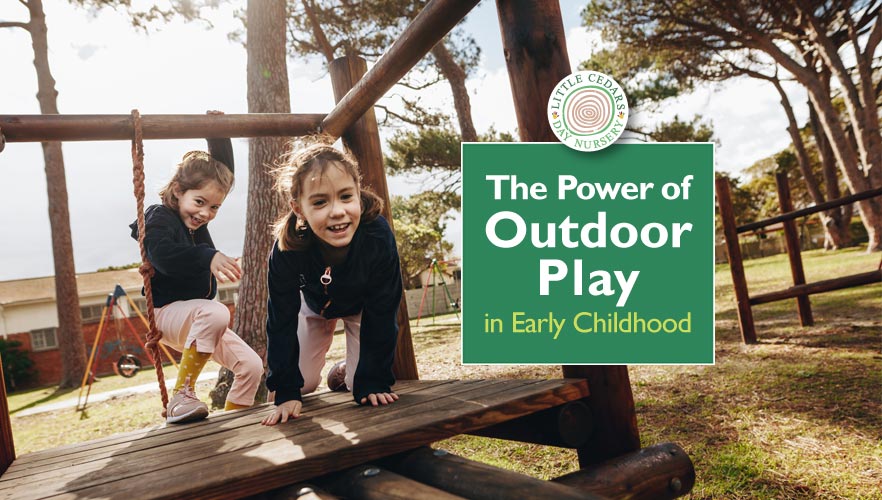
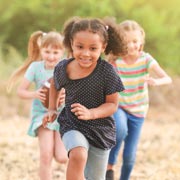 In today’s guide, we take a close look at the incredible importance of outdoor play for children, including those under five. Outdoor play isn’t just about fun; it’s one of the cornerstones of childhood learning and development and has an immense number of benefits for little ones. So, in this comprehensive article, we’ll explore why outdoor play is so essential for our youngsters and how its effects can be transformative. Let’s take a look…
 For children, the outdoors represents a magical place where fun, exploration and real adventure can take place. Picture a world where a simple stick can become a wizard’s wand, or a puddle can transform into a treasure-filled lagoon, and you’ll soon understand how exciting the outdoors can be for children. Indeed, outdoor play is the realm of limitless imagination. It offers children a vast canvas in which to immerse themselves into adventures, fostering creativity and igniting their instinctive curiosity.
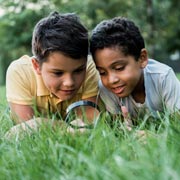 The Great Outdoors serves as a natural classroom, with true hands-on learning experiences that provide numerous opportunities for children to acquire new skills and knowledge. Whether it’s
 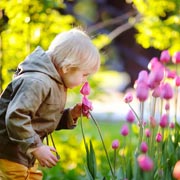 Outdoor play engages all the senses and
 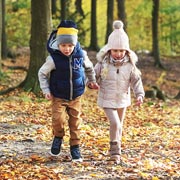 The outdoors serves as an exceptional classroom. When they’re playing outside, children effortlessly absorb knowledge about the world around them. In the open air, they will naturally learn about nature, seasons, different types of flora and fauna, and how the environment functions. It is true learning through discovery.
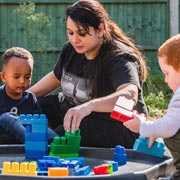 The open spaces of the outdoors also serve as a wonderful canvas for creativity. Children’s imaginations run wild outdoors as they invent games, stories, and art inspired by the natural world. Outdoor play encourages them to think in new, innovative, ways and to truly embrace their creative potential.
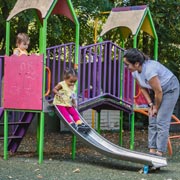 At Little Cedars Nursery, we really understand the profound impact that outdoor play has on early childhood development. With that in mind, our childcare practitioners ensure that children are given every opportunity to immerse themselves in a wide range of outdoor activities that help to nurture every child’s learning, growth, curiosity, and resilience. And let’s not forget one more important factor about outdoor play — it’s simply immense fun for children! As such, it is a perfect way to facilitate learning in the most natural way of all — through play.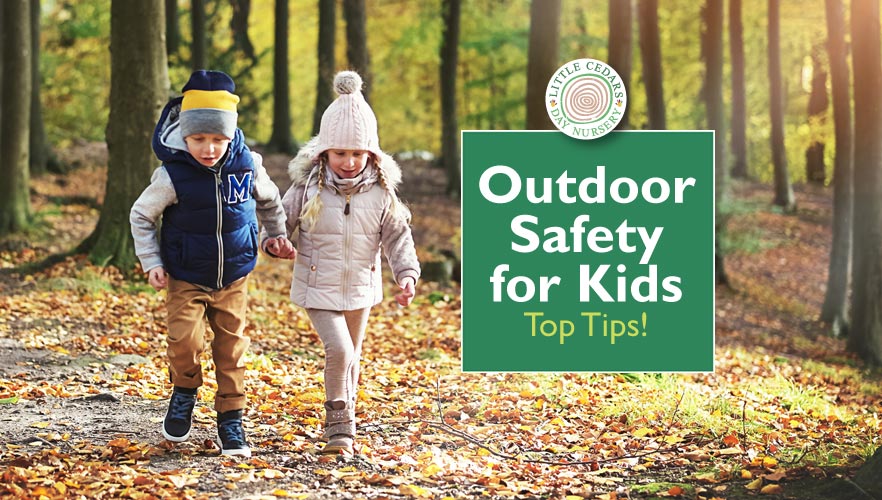
 As parents and caregivers, we understand
 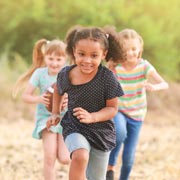 Boundaries create a sense of security. Ensure boundaries are understood and that play areas have clear markers. Guide children to understand and respect these boundaries to reduce the risk of children wandering away — and potentially becoming lost.
 Children are naturally drawn to water, but it can pose significant risks. Ensure that play areas are far from water bodies, and when near any water source, always provide direct and continuous supervision. Even shallow water can be dangerous for little ones.
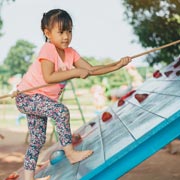 Although they’re young, children want to explore and will naturally want to climb as they get older. It’s therefore important to teach children a safe approach to climbing. This should include emphasising the importance of staying within safe heights to prevent falls, assisting with climbing technique and, of course, risk-assessing what they should and shouldn’t attempt to climb in the first place.
 While exploring nature is exciting, it’s essential to be aware of potential dangers. Educate your child about the dangers of poisonous plants and fungi or insects that could harm them. Encourage them not to touch or eat anything unfamiliar.
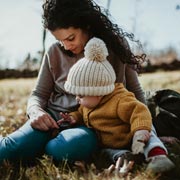 Outdoor exploration sometimes involves contact with dirt and mud. Promote hygiene by ensuring handwashing facilities are readily available and teaching children the importance of cleanliness after outdoor play.
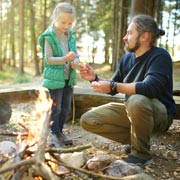 Campfire stories can be delightful and intriguing for children, but we must always prioritise fire safety. If you decide to expose them to it, children must be educated about the potential dangers of fire and always supervised during any fire-related activities. Fostering a responsible understanding around fire safety is paramount.
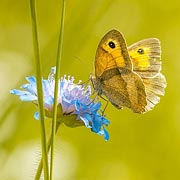 In today’s guide, we outline a simple but powerful nature-based activity that will be both fun and educational for children and under-fives. This one is all about how to sow wildflower seeds. Once growing, these will bring beauty and wonder to any setting. The activity will also complement our recent
 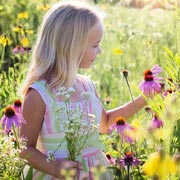 Children benefit very much from spending time in nature, as we outlined in our article entitled
 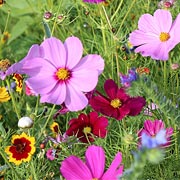 Colour(s) — Children can help decide whether to grow wildflowers of just one colour, a limited 2- or 3-colour palette or perhaps multiple colours. If parents have an existing colour theme in their garden or plant area, they may wish to point children in a particular direction, so as to keep that colour theme going.
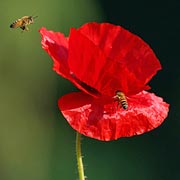 Free wildflower seeds can be harvested from existing wildflowers — either from your own wildflowers if you have them, or from those found in the wild along hedgerows and similar (N.B. only do so in moderation and for personal use). Timing will, of course, be critical because seeds will only be available at certain times of the year, i.e. when the wildflowers have “gone to seed” at the end of their flowering period.
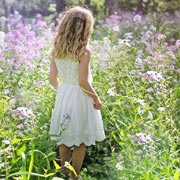 Sowing seeds on existing lawns that you/your child want as a wildflower meadow is simply a case of scattering seeds on the lawn, ideally spaced out in such a way that they don’t have to compete with each other once they start growing. Then ensure that the area of lawn is kept moist by either rain or, if there is no rain, regular sprinkling from a watering can fitted with a sprinkling head (a.k.a. ‘rose head’). Children may need to remind adults not to cut the lawn thereafter, of course!
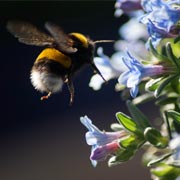 Children will love it once the wildflowers begin to grow and later bloom. They’ll also love seeing bees, butterflies, and other insects visiting and the results of the activity may indeed give them a great sense of accomplishment. The whole process and the results are quite magical when you think about it.