
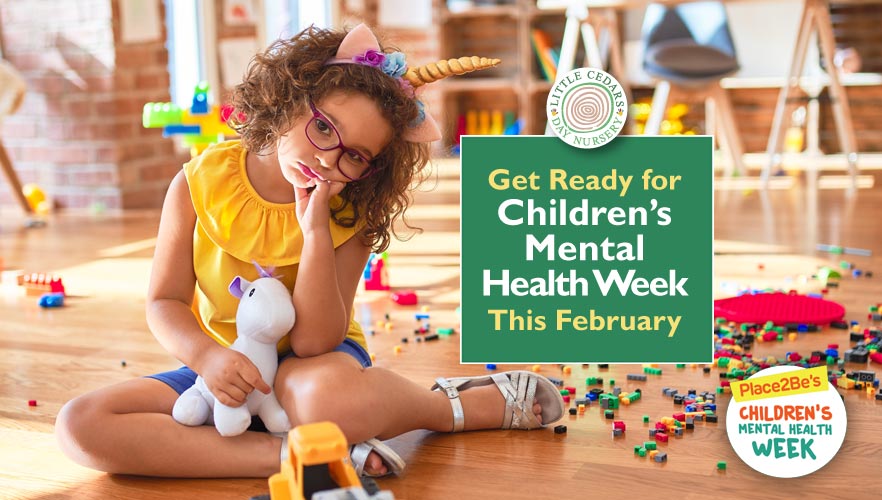
Each year, February marks the date for Children’s Mental Health Week. It is the perfect opportunity to reflect on how we can all contribute to improving children’s mental wellbeing. Often overlooked in favour of a focus on ‘physical’ health, good mental health for children is, of course, profoundly important. This special week occurs every year during February and has done so for over a decade. Let’s take a closer look today and see how the initiative can both inspire and empower parents and families to help children’s mental health thrive.
“Around 50% of mental health conditions are established before age 14.” — Place2Be (Children’s Mental Health Charity).
What & When is Children’s Mental Health Week?
Children’s Mental Health Week is designed to bring greater awareness around the mental health of children. It aims to give children a voice, empower them, and give them the tools to thrive. It is a UK initiative originally launched in 2015 by Place2Be, a charity that focuses on children’s mental health.
In 2026, Children’s Mental Health Week will be from Monday the 9th to Sunday the 15th of February inclusive.
The Theme for 2026
 Each year, the event has a theme. The theme for 2026 is ‘This is My Place’. It brings a focus to the need, by every child, to feel they belong. Whether it’s to a friendship group, peers at their nursery or school, their family, a club, or a team of some kind, it’s incredibly important for every child to feel they belong. Hence, the theme ‘This is My Place’ for 2026. Click the thumbnail image or this link to launch the official video.
“To know our place and really feel part of our environment is a basic human need. It can have powerful and long-lasting impacts in lots of areas of our lives, including our physical and mental health, education, employment and relationships. When we feel that we belong, it empowers us to contribute to the world and make a real difference.” — Place2Be.
By feeling they belong, children will feel that they are connected, accepted, and valued for who they are. That’s important for children of any age and, in turn, will help them feel happy and safe. It will also teach them to be more inclusive and kind towards others, so no child feels alone or an outsider.
“As parents and carers, you play an important role in your child’s wellbeing.” — Place2Be.
Resources for Families of Children — Including Under 5s
Although the charity that founded Children’s Mental Health Week is primarily involved in supporting children in schools, the overall theme applies equally well to pre-school children under five. Indeed, the Place2Be charity has support and resources that fit perfectly with helping good mental health in children in their early years. Families can download free resources here, and useful information for parents and carers here.
How Can Families Help Children?
To facilitate children’s good mental health, parents and carers have a number of ways to help children, including under-fives, to feel that they fit in and are valued. A few examples include:
- Enrolling them in environments like clubs, nurseries, and sports teams, and nurturing their participation in friendship groups.
- Taking an avid interest in the child’s interests — getting involved, asking them questions about what they’re passionate about, and encouraging them in associated activities.
- Taking the time to be present with your child, engaging with them proactively during activities they’re interested in, and avoiding other distractions whilst doing so.
- Encouraging activities that clearly make them happy and feel safe.
- Allowing them to choose and steer activities, while also allowing them to explore other pastimes that may be new to them.
- Listening, allowing them to speak, encouraging and reassuring them at every step.
- Ensuring they have a warm, comfortable space of their own where they can play while feeling safe and nurtured.
- Providing consistency so that bonds with siblings, friends, and peers can grow and flourish.
- Encouraging those relationships that look to be the most healthy for your child, while withdrawing them from toxic environments that don’t look healthy.
- Being your child’s biggest cheerleader — applauding their achievements and boosting their self-worth and confidence.
- Talking with children to explore their feelings around belonging, being included, being important, being liked by peers, being loved by family, and being enormously valued.
“1 in 5 children currently has a probable mental health disorder.” — Place2Be.
With it being likely that 1 in 5 children has a mental health disorder and around half of such disorders being established before the age of 14, it’s never been more important to address the issue. As parents and carers, we need to be conscious of the issues, aware of the possible signs, and equipped with the tools to support our children. Learn more about Children’s Mental Health Week and some of the support available here. A non-profit called MindForward Alliance also has an excellent toolkit for parents whose children are experiencing mental health difficulties. Download the toolkit here.
Little Cedars Nursery, Streatham
A High-Quality Childcare Service for Southwest London

 Do you have a child under five and live in Streatham or close by? Little Cedars Nursery provides high-quality childcare in Streatham, and we’re conveniently close to families in Streatham Common, Streatham Hill, Streatham Park, Tooting, Furzedown, Balham, Norbury, and Colliers Wood. Rated ‘Good’ in all categories by Ofsted, we also support free childcare hours for eligible children from the age of 9 months to 5 years.
Start your childcare application today or contact us to learn more:

 Except for Safeguarding, the new Report Card will show Ofsted’s evaluation of each of the assessment areas as one of the following:


 Summer is in full swing from late June until late September*. It’s a wonderful season that brings with it many amazing things for children and families to look out for in nature. Indeed, that’s what today’s suggested activity is all about. We’ve created a free-to-download poster that highlights 20 things from nature that children, including under-fives, can look out for when they’re outdoors†. Whether it’s in gardens, on walks with family members, at the park, or out in the countryside, summer’s natural wonders are incredibly abundant when you take time to look.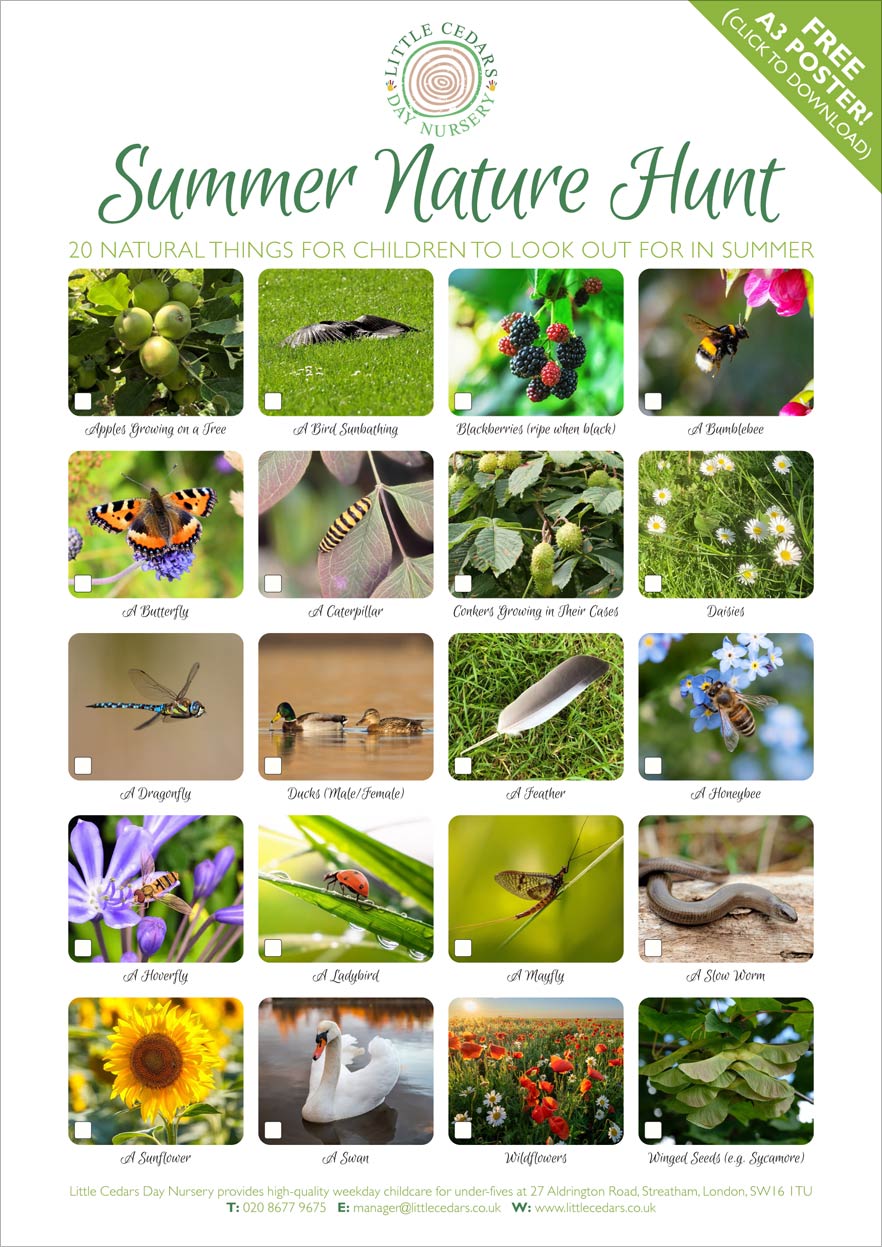
 Work at least 16 hours or more per week at the National Minimum Wage
 Children of the UK, it’s time to get ready for World Book Day! Arriving in early March, it is a wonderful annual event where children across the nation get to immerse themselves in books, storytelling, and other book-inspired activities. Such activities are incredibly important for children. Did you know, for example, that children who regularly read for pleasure are happier children who also go on to have greater success in their lives? This uplift is even more significant for children from disadvantaged backgrounds. Such is the power of reading for little ones! With all this in mind, today’s article outlines more about World Book Day and why it’s so important. It also suggests some activities that children and families can take part in to celebrate this year’s event.
 World Book Day arrives each year on the first Thursday of March. So, for 2025 it’s celebrated on the 6th of March, then in 2026 it’s on the 5th, for 2027 it’s the 4th, and so on. Organised by the charity of the same name, the core mission of World Book Day is “to promote reading for pleasure, offering every child and young person the opportunity to have a book of their own.” The reason is simple: a life-long love of reading for pleasure results in improved life chances. It’s incredibly powerful for children of all ages, as indicated in the following findings from the Organisation for Economic Co-operation & Development:
 The World Book Day® charity published a 17-page impact report for the event that took place in 2024. One of the key findings was that something needed to be done to stop the significant drop in children reading for pleasure. Otherwise, children would be missing out on some profound benefits. The report concluded that there had been several reasons for the downward trend. For example, 20% of children said they felt judged for what books they read. Some said that reading felt more like a chore or ‘work’ because the books were foisted upon them by adults. Just over 8% of children simply didn’t have access to any books at home. Of those that did, over a third said they had no choice over what they read.
 In the UK, children under 18 are eligible to receive a £1 book token through the event. This can be used to buy a special World Book Day title or go towards another book (

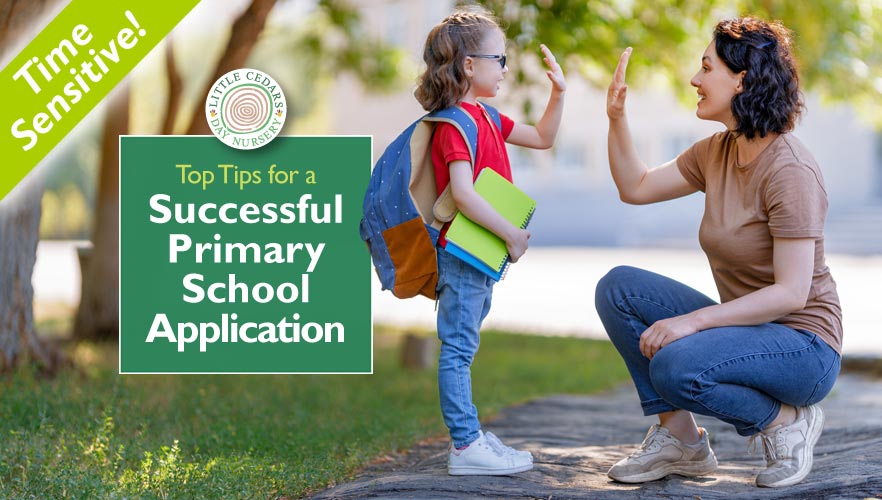
 Are you the parent of a 3-year-old child, or one that’s just turning 4? If so, you need to choose your 3 preferred primary schools now and submit your application for them at the latest by mid-January of the coming year. It’ll be here before you know it! Whether you want your child to begin school at the age of four or five, you have limited time left for your application. With that in mind, today’s post outlines our top tips for a successful primary school application for your preschooler. Read on to learn how to maximise your potential success in achieving a school place that’s best for your child.
 It’s important for parents to focus on primary schools that are close to their child’s home. That’s for two reasons:
 Visit the schools on your shortlist. Such ‘in-person’ visits are like gold dust. You can ask questions, get a feel for the school, see how the existing children are getting on, witness the teaching style, and see how well your child might fit in. Take them with you if possible. Most primary schools will have open days or evenings, so find out about those and attend. Alternatively, call the head or school office to arrange a guided visit if possible.
 One of the most fundamental decisions you need to make before applying is whether you want your child to begin at primary school when they’re 4 or the ‘legal’ maximum age of 5. This is a conundrum especially for “summer-born children” i.e. those born between the start of April and the end of August. For this age group, they’ll be amongst the youngest if they start in Reception Year at 4 or amongst the oldest if they defer their start until the age of 5. What’s more, for those deferring until 5, it’s not the parent who decides whether a child goes into Reception or Year 1 — it’s the schools and local admission authorities. So, parents need to decide, before applying, whether they wish to go with the usual flow and start their children at 4 (will they be ready?), or defer a year until they’re 5. It’s a fine balancing act and your decision needs to be made in the best interests of the child. That said, most children do start at 4 and go in Reception Year.
 Priority for primary school places is given first to those who submit applications on time. Each year, that means between the 1st of September and the 15th of January when your child is 3 or has just turned 4. Even if you intend to defer your child’s school start until they’re 5 rather than starting them while they’re 4, you still need to apply while they’re only 3 or have just turned 4. If you miss the mid-January deadline, you will stand a much lower chance of achieving a place for your child at your preferred school(s) — because places will already have been allocated to those who applied on time. Sadly, many families miss out because they simply didn’t realise how early they needed to apply.
 You read that right! When National Offer Day for primary schools arrives, it’s generally agreed that you should accept whichever school place is offered to your child. That’s the case even if you’re unhappy! It’s because your child then has a firm school place to fall back on should you appeal, or go on a waiting list for another school, and are unsuccessful. Accepting the initial school place that’s offered does not adversely affect your chances with appeals or waiting lists, which is why the accepted wisdom is to accept the initial offer.
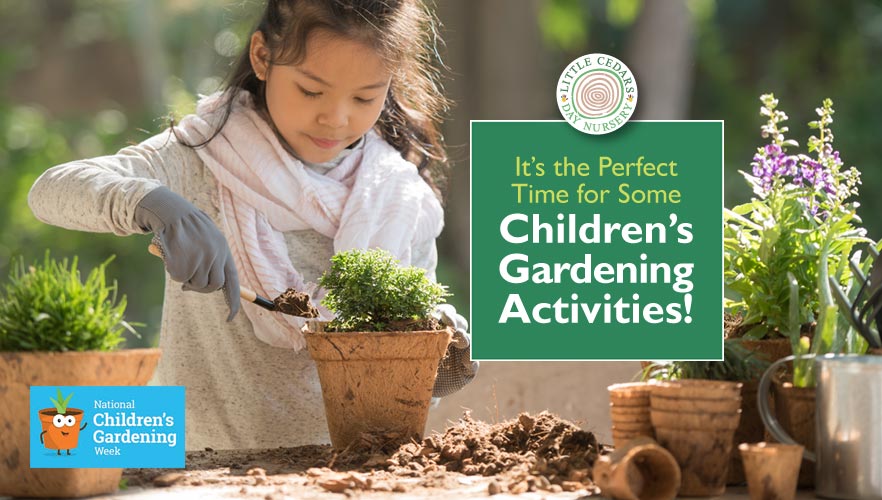
 National Children’s Gardening Week takes place each year in the UK during what’s known as the ‘warm week’ beginning right at the end of May. This year (2024) it spans from 25 May to 2 June. However, children can get involved in gardening well outside of those dates*, of course.
 This year (2024), National Children’s Gardening Week has teamed up with The World of Peter Rabbit and is encouraging children and their families to Grow With Peter Rabbit!
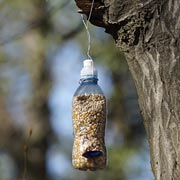 Did you know, there are some incredibly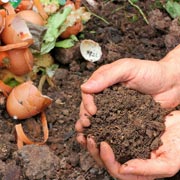
 Compost heaps are also wonderful homes for minibeasts, which are also fun and educational for children to spot. Use our previously published
 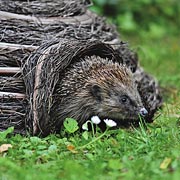 So, making a wildlife-friendly garden or area is a very worthwhile activity for children to take part in — and is educational on so many levels. See
 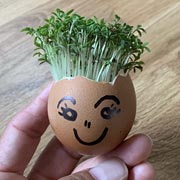 Children can do ‘gardening’ activities indoors too! Get them to
  The benefits of gardening for children are many and varied and that’s why it’s such a wonderful activity to get them involved in. It will teach children many new skills and new knowledge. It’ll teach them about the circle of life, how to care and be responsible for other living things, and about the importance of looking after the planet. It will also give them an insight into where some food types come from. It is also great fun, will give children a huge sense of achievement, and may even open their eyes to the possibility of careers in horticulture, land management, food production, farming, and the like. And, of course, gardening makes the world a better place in so many ways. Let’s also not forget that