
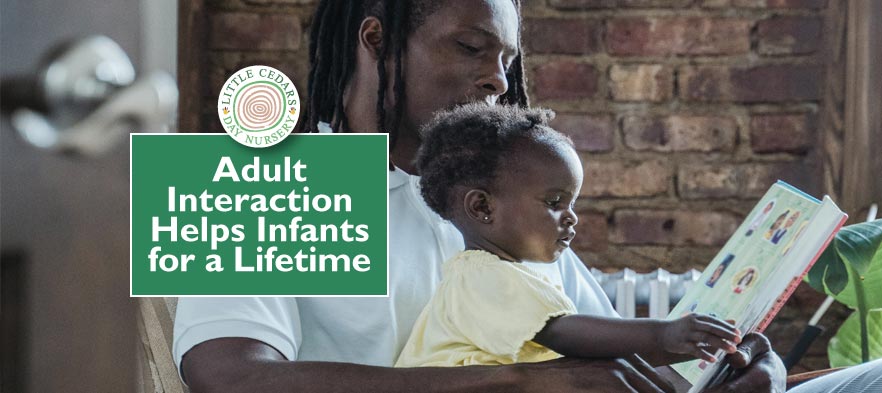
 The Government’s Early Years Foundation Stage (‘EYFS’) framework prescribes how adults should approach the education and development of children under five. As such, it forms the backbone of the curriculum at childcare settings like Little Cedars Nursery in Streatham. The EYFS guidelines were expanded this year (2021) and one aspect of early childhood development discussed therein merits closer exploration: the affect of adult interaction on an infant’s brain development. Here we take a look.
“A baby’s brain forms more than a million new connections every second when you interact with them.”
That’s an incredible statistic and one that was recently revised upwards, from a lower figure, by Harvard University’s Center on the Developing Child.
The centre explains that a baby’s brain develops through early experiences, not just because of inherent genetics. They go on to describe how experiences govern the architecture of the developing brain and form the foundation for all future learning, behaviour, and health.  Their research suggests that constructive experiences will build on and enhance the structure of the brain, whereas “adverse experiences early in life can impair brain architecture, with negative effects lasting into adulthood.”
It’s rather akin to the building of a house, starting first with the foundations during the early years and building on those gradually, to complete the full structure. The initial foundations of the brain may encompass things like control of motor function, hand-eye coordination etc. Further sub-layers of more complex skills are brought in on top, through billions of new connections generated in the brain, as the child grows and experiences more things. Interactions with adults are key to that.
Although it happens throughout an individual’s life, the growth in these new neural connections is by far the most prolific during the early years. Optimising the structure and depth of those foundations through varied and useful experiences during the early years is therefore incredibly important. Doing so ensures that the foundations for the individual’s future are strong.
How Can Parents Help With Infant Brain Development?
Serve & Return
 The Harvard Center on the Developing Child suggests that parents1 can help babies and toddlers develop their brain architecture in the best way through regular and strategic interaction between adult and infant. They call the process ‘serve and return’. Think of it as a tennis metaphor— we’ll explain. First, the child may indicate an interest in an object or activity. That’s the serve of the tennis ball, if you like. The adult should look out for such indications of interest, recognise them as a kind of invitation from the child and then get involved with that object or activity with the child. Responding in this way is like the ‘return’ of the ball in the tennis metaphor. It’s a great approach because the child is indicating what they are interested in and therefore, when a parent responds through activity involving themselves with the source of interest, the child will naturally get more from the interaction. After all, it was they who first indicated an interest and an adult can now help them to get the most from it.
What Kind of Things are ‘Serves’?
A ‘serve’ by the child could simply be them pointing to an object. Or it could take the form of discarding one toy or game and moving onto another. When they’re older, it could take the form of a question, of course.
The ‘Return’
In each case, the parent should join in and the two begin playing with and exploring the object or activity of interest to the child. With the adult involved, the child is able to get much greater insight about the activity or focus of attention. So, it’s about watching out for signals of interest from the child and interacting with them around that focus of interest. The research suggests that this is very effective compared to forcing other things onto the child that might, at that point in time, be of lesser interest.
It’s about watching out for signals of interest from the child and interacting with them around that focus of interest.
What Else?
 Repetition is also important. This helps to reinforce circuits in the brain. Reminding a child several times about something will naturally help them to understand and remember the point under scrutiny.
The ‘serve and return’ approach doesn’t only inform the child about objects and activities around them; such interactions with adults also teach and reinforce good social and language skills. They also nurture appropriate emotional responses in the child. Together these set strong foundations for the child’s growing cognitive abilities along with enhancing their general wellbeing, in readiness to build upon them at pre-school, school and ultimately the workplace.
The responses from parents need to be reliable and appropriate, of course; otherwise it could lead to sub-par learning and brain development and even possible behavioural issues. In the worst cases, where there is regular toxic interaction between parent and child, issues with learning, behaviour and physical/mental health can regrettably instil themselves in the child’s developing brain. Such outcomes can go on to adversely affect the whole life of the unfortunate individual.
Did You Know …
Conclusion
 The research, as well as a good dose of common sense, shows the incredible importance of parents interacting well with children from the moment they are born. Their interaction and guidance will help the developing child to understand themselves, the world around them, and their place within it. Millions of brain connections are built with every interaction, building healthy foundations upon which the baby will grow into a well-rounded individual with the requisite cognitive, physical, social and emotional skills to handle life. It all comes down to love, responsive and responsible care, with parents matching the infant’s signals and needs with positive, insightful responses. The reassurance and tools such interactions give the infant will allow them to confidently, safely and comfortably explore and learn about the world and, going forwards, their place within it.
Outstanding Childcare in Streatham, South West London
 If you are looking for a really good pre-school or nursery for your childcare in Streatham, please do consider Little Cedars Day Nursery. We offer high quality childcare in the London SW16 area, so are also convenient for those looking for the best nurseries, pre-schools and childcare services in Streatham Common, Streatham Hill, Streatham Park, Furzedown, Tooting, Tooting Bec, Balham, Norbury & Colliers Wood. Book a visit, register for a place, or get in touch for more information by choosing a button below:
1. We refer to parents throughout this piece for the sake of brevity, i.e. to avoid repetition. Parents is our placeholder to mean anything from parents to care-givers and guardians.

 3. Almost 50% More Bones Than Adults
 6. Not So Hot on Eye Sight
 9. Natural Born Swimmers (… Kind of)
 14. Is Breast Really is Best?
 16. The Only Smiling Primate
 19. Outcomes of Being First Born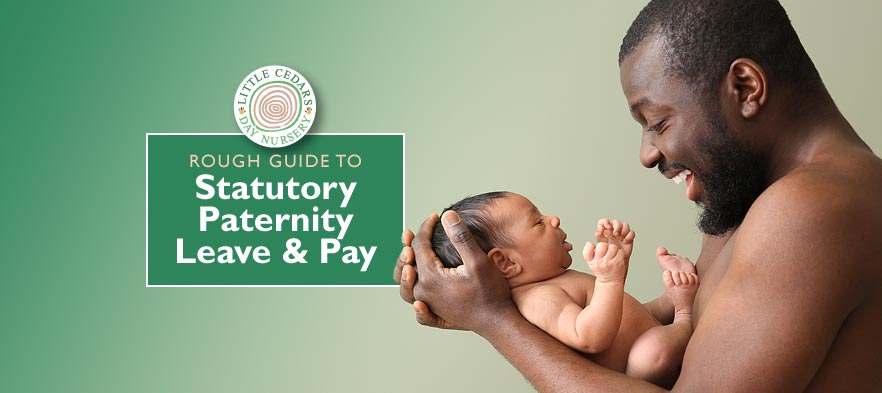
 Following up from our
  The father, or partner of the mother, must give their employer at least 15 weeks’ advance notice that they wish to take Statutory Paternity Leave. This can be imprecise, however, given that they won’t be 100% certain which day the child(ren) will be born. If they later change the proposed date, employers must be given at least 28 days (4 weeks) notice of the change, made in writing if requested by the employer.
 the child’s father, or
 To be eligible for Statutory Paternity Pay, a person needs to:
 The payments are made through their wages by the employer after deducting any tax and National Insurance if due. (Figures correct at September 2021).
 Today, we’ll take a look at how much time and money mothers are entitled to under Statutory Maternity Leave and what the eligibility requirements are. We’ll concentrate purely on the rules for mothers who are employees in this post. However, we will follow up to cover paternity leave, shared leave and support for self-employed mothers separately, in future guides.
 The good news is that, to be eligible for Statutory Maternity Leave in the UK, just two main rules apply. You need to:
 Statutory Maternity Pay (‘SMP’) is available to mothers who:
 There’s a great online tool that you can use to check whether you are eligible to claim maternity/paternity leave and pay (as well as Maternity Allowance, which may help self-employed mums). It’ll also calculate how much you could receive. Head over to
 Recent studies show that use of connected screens and devices by children, including under-fives, is growing fast. The pandemic appears to have increased kids’ screen use too, as children have spent more time indoors and less time playing ‘in person’ with friends.
 Over 75% of children under five have access to a connected device, with up to 60% of preschoolers actually owning their own.
 “Parents have always played a huge role in curating what [under-fives] consume and how their time is spent, but toddlers are now confidently navigating digital platforms for themselves, and using touchscreen devices with purpose and determination.” (Childwise)
 that the ‘RF wireless radiation’ emitted by Wi-Fi connected screens and devices may carry potential health risks particularly, they argue, for pregnant women, their unborn foetuses and the young. The very young, of course, have brains that are still at a critical development stage. For this reason, the experts concerned advocate that access to devices like mobile phones should be limited, removed from children’s bedrooms at night or, at the very least, placed in Flight Mode when possible. Using devices wired instead of using Wi-Fi apparently reduces risks. Use of them in hands-free mode is another useful approach, so that the devices are not so close to youngsters’ heads. We’re not experts ourselves, but these measures seem like sensible precautions.
 While time spent by children on connected screens and devices is rising, it’s not all bad news. The pandemic has also seen an increase in the time that parents have been spending with children, including on shared screen viewing as well as on other pastimes like baking, crafts and family activities. At the end of the day, it’s all about a healthy balance and, of course, adult supervision to ensure children’s wellbeing at all times.

 Streatham was the birthplace, home or workplace of a huge number of famous people. Just a few include:
 Henry Robertson Bowers, one of the explorers on the ill-fated Terra Nova exploration of the Antarctic with Robert Falcon Scott (better known as Scott of the Antarctic), lived in Streatham and attended Streatham High School for Boys in Pinfold Road.
 Super-model Naomi Campbell was born in Streatham in 1970, the maternal daughter of a professional dancer, but never met her father.
 Rapper ‘Dave’ Orobosa Omeregie, also known as ‘Santan Dave’ was born in Streatham and has since scored several top-20 records and a number 1 single, as well as winning several high profile awards. One of his top ten singles was even called ‘Streatham’.
 The fashion designer John Galliano lived in Streatham from the age of six, until moving later to Dulwich and subsequently other parts of London.
 Comedians Eddie Izzard and Paul Merton both have links to Streatham. Eddie used to host a comedy club there, in the White Lion pub. Apparently he often practised his lines when walking around Streatham Common.
 007 Actor Roger Moore lived in Streatham, with his then wife Doorn Van Steyn and her family, when he was just 18.
 Ken Livingstone was born at 21 Shrubbery Road, Streatham, in 1945 and also later attended the Philippa Fawcett Teacher Training College there. He was an MP, leader of the GLC, and later Mayor of London.
 The actor and presenter David Harewood MBE, also lives in Streatham. He is most famous for his role as a CIA operative in the popular American series Homeland.
 Even Brad Pitt has connections to Streatham! He was filmed during a fight scene for the movie Snatch at what was then Caesar’s Nightclub at 156 Streatham Hill.
 Speaking of The Rolling Stones, Bill Wyman, their bassist, worked for a time as a storekeeper and progress clerk. He earned £11 per week at John A. Sparks, the diesel engineers at Streatham Hill.
 June Whitfield, the actress, was born in Streatham in 1925 and later attended Streatham Hill High School.
 Famous comedian Tommy Trinder was born at 54 Wellfield Road, Streatham, in 1909. Many will remember him for his catchphrase, “You lucky people!” from the pre- and post-WW2 era.
 Another former Prime Minister, John Major, also lived for a time in Streatham with his wife, Norma, at Primrose Court. He had bought the property in 1969.





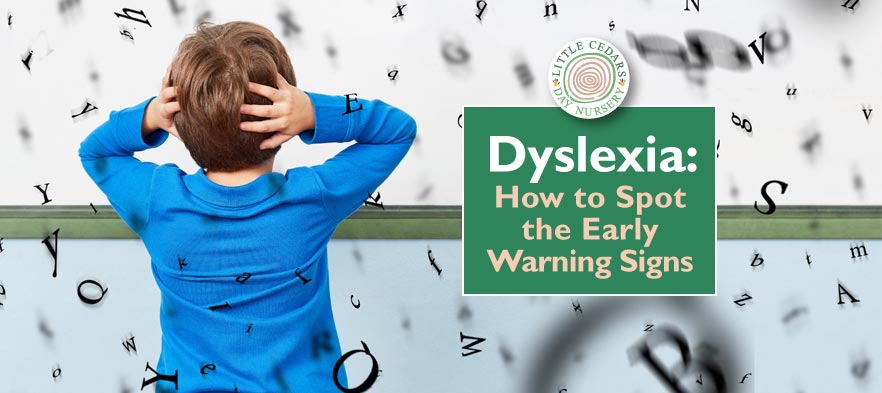
 Despite many dyslexic people being highly intelligent, dyslexia makes it difficult for them to recognise words and/or be able to break them down into their smaller components. It is recognised as a Specific Learning Difficulty (‘SpLD’) and can seriously affect their education if not recognised and addressed early.
 Such an affliction can have profound implications for a person. It will adversely affect their reading, writing and comprehension, thereby limiting their overall learning capability and hindering overall literacy. These are particularly critical skills during their early years as that’s at the start of their education, when the knock-on effects of such limiting factors will be at their most significant. It will slow down their progress in many topics and areas of education, also leading potentially to lower self-confidence and possibly even getting them mislabelled as ‘slow’ or ‘lazy’ by the unenlightened. Ultimately, it can severely limit their potential careers and life outcomes.
 Children finding it difficult to learn the alphabet;
 The child describing words and letters as visually jumbling, blurring or even moving around when they try to read them;
 There is no cure for dyslexia, but measures to mitigate its effects can be taken by education professionals, parents, carers and even those affected by it. It’s incredibly important, though, for both parents and education professionals to try to recognise it early, for example at nursery or pre-school, so that a suitable teaching programme can be introduced as early as possible.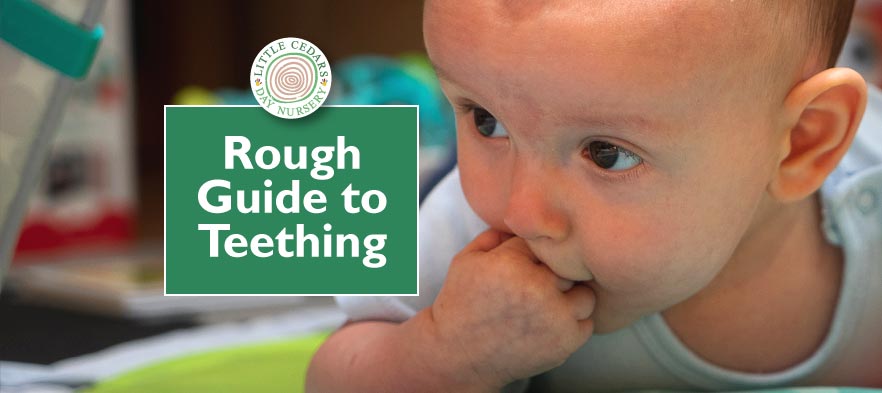
 Teething can be an uncomfortable and painful stage for babies. As teeth start to come through, gums can become sore. Because of this, the little ones can become irritable and emotional, without really understanding why they’re feeling as they do. Every parent will know that having an irritable, tearful baby can be stressful for parents as well as for the baby. With all of this in mind, our Rough Guide to Teething should help parents to help their babies through this difficult stage.
 Along with the bluish-grey colouration in the gums mentioned above, other signs of a teething baby include drooling, sore-looking gums, red cheeks, the baby being tearful, rubbing their ears or chewing hands/toys more than usual. If the baby does drool, ensure that their faces are regularly wiped so as to avoid painful rashes causing further discomfort.
 Once your baby has one or more teeth showing through the gum, you should start brushing their teeth right away. This typically happens at the age of about 6 months. Take a look at our