
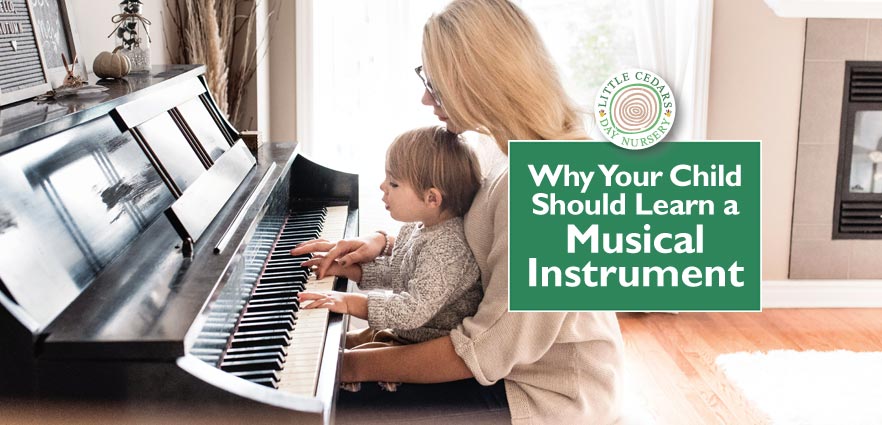
 Both children and adults have a natural affinity with music. It’s one of life’s simple pleasures that just about everyone seems to enjoy in one way or another. Children will naturally start to move, dance, join in or even learn songs that they hear — such reactions seem instinctive to them. Learning to play a musical instrument is therefore a natural next step for them. Indeed, it’s one that parents, guardians and carers should consider encouraging, particularly given how beneficial such an endeavour will be to their child. Learning to play a musical instrument is not simply fun; it profoundly benefits children’s learning and development. With that in mind, we take a look today at the incredible array of benefits that learning a musical instrument poses for children, including under-fives.
The Benefits of Learning to Play a Musical Instrument
• Enhanced Cognitive Development
As something that stimulates multiple senses and encourages new connections in the brain, learning to play music aids cognitive development and enhances memory skills. Because of this, children who learn to play and read music have been shown to achieve better grades at school and in exams.
“Children who learn to read music achieve better grades at school and in exams.”
• Improved Coordination
 Studies have also shown that learning an instrument or learning how to read music develops the left side of the brain. This area is responsible for processing language and reasoning. Hand-eye coordination skills are also aided when learning to play a musical instrument and reading music. As children’s playing and reading become more advanced, it requires the brain to work at a range of speeds, which is also great exercise for the brain.
• Improved Well-being
Music has different effects on mood, depending on the music, style and time signature. It can have a calming effect, for sure, and importantly can be a great stress reliever. Children can ‘lose themselves’, entering a different phase of being when focusing on playing or listening to music. When playing in the background, music can also help to promote concentration, for example if they are working, drawing or being creative.
• Allowing Self-Expression
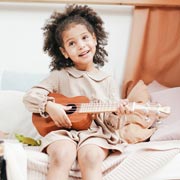 Music gives children a really flexible way of expressing themselves. For instance, the way they choose to bang on a drum, shake a tambourine or strum a guitar can allow them to show happiness, anger, frustration, calmness and many other emotions. Playing a musical instrument gives them a real freedom of expression, even at a very young age. Then, if they reach a point where they are able to make up their own melodies and arrangements, music can become an almost immeasurably powerful tool for self-expression and communication.
• Encouraging Social Skills & More
Group music sessions are a brilliant way for children to make friends and enhance social skills. Whether collaborating on a piece of music with friends at pre-school, school or outside of nursery/education, it encourages teamwork, cooperation and working towards a common goal. A healthy dose of socialising and fun is all a part of it too. A progression, perhaps, to music clubs will also encourage little ones to mix with children of other ages. In turn, such group music activity can help children become inspired and further encouraged by peers.
“Music in itself is healing. It’s an explosive expression of humanity. It’s something we are all touched by. No matter what culture we’re from, everyone loves music.” — Billy Joel
• Improved Mathematics Skills
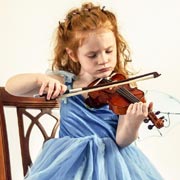 Although playing an instrument is creative, music and maths are very much intertwined. Beats, rhythms and scales are all based on maths and children naturally need to work out some maths in order to understand the song and any sheet music. This will naturally help them to better grasp mathematics and illustrate a real-world example of how it underlies many things.
• Boosting Reading Skills
Reading music is a whole new skill that children can get to grips with once they’re at a suitable level of cognitive development. The child needs to read and work out which notes to play, how long to hold them, what key is involved, how to read on ahead, follow rhythm and patterns and so on. It’s an amazing skill to accomplish and is an excellent way to boost reading skills as well as cognitive function, hand-eye coordination, self-expression and so much more.
• Better Listening Skills
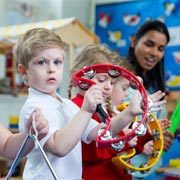 Whether your child is listening to a tutor, teacher, friend or relative, listening skills are very important. Music is a natural way to encourage listening and that’s even more true when children learn to play music themselves. Doing so in their early years will help them to follow instructions, listen out for smaller details as well as the bigger picture. Working together on a piece of music is also a fantastic way to hone group listening skills and teamwork and to encourage collaboration.
• Improving Understanding of Culture & History
Music can open up a whole new world to children. It can give them new insights into different countries, different eras, different cultures and different styles. They’ll suddenly become aware, for instance, of rock, blues, jazz, folk etc. and how other cultures use different instruments and styles in their music.
• Supporting the EYFS
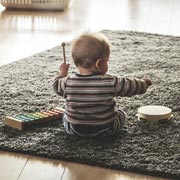 Indeed, music helps to support all 7 focus areas of the Early Years Foundation Stage (EYFS) curriculum. Learning to play and read music helps children improve personal, social and emotional development, physical development (fine motor skills etc.) communication and language, literacy, maths, understanding the world as we saw above and, of course, expressive arts through musical expression and creativity. All these things are at the core of the EYFS. Music is amazingly powerful and impactful in its reach and the bottom line is that it helps children boost grades.
• Boosting Confidence
 When children master a song, no matter how basic, they get an enormous sense of achievement and even more so if they are praised by adults and peers. Such praise also encourages the child to progress further, of course. Boosting self-esteem and self-confidence in their early years is important for their future wellbeing too. Achieving something through learning, patience and practising regularly also teaches them that persistence and effort will help them overcome challenges. That’s a very important lesson in life.
It’s Never too Early or too Late to Start Playing Music
It’s never too late or too early to start learning a musical instrument. With all the benefits, though, it makes sense to give your little one the wonderful opportunities that playing musical instruments provides as early as possible. It’s easy to start, too. When they’re tiny, you could start them off with simple instruments. For example, they could beat a drum — even a home-made drum, which can be simply an empty box, upturned container or upturned pots and pans, using a wooden spoons as drumsticks. Triangles are simple for infants to ‘ting’ and tambourines are super-easy for toddlers to shake. 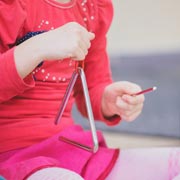 Little ones can first practise keeping in time to music or a beat that an adult is demonstrating, perhaps. Maracas are also good starter instruments although, again, anything that makes a shaking sound can be made at home at zero cost. For instance using an empty carton or plastic container securely sealed with dried rice, pasta or lentils inside. Once they get the hang of such percussive or shaker-style instruments, you can consider transitioning them to more advanced instruments like recorders, ocarinas, keyboards, stringed instruments and so on. Often, children will be more than willing to give such instruments a try and some encouragement and guidance from knowledgeable adults or older children will always be helpful. And, who knows, they could end up being maestros and even stars in the making!
Outstanding Childcare at a Good Nursery in Streatham
Little Cedars (Streatham) is a good nursery/pre-school across all areas, say Ofsted

 Ofsted independently rates Little Cedars Nursery as a good early years provider, scoring high in all areas that they assess. We are a high quality nursery and pre-school in Streatham that gives babies, toddlers and under-5s the very best start in life. By the time they leave us, they’ve achieved personal bests in every area of the curriculum and we aim to ensure they’re ‘school ready’ by the time they leave us at the age of five.
We’re very near to Streatham Hill, Streatham Park, Streatham Common and Furzedown as well as being conveniently close to Tooting, Tooting Bec, Tooting Broadway, Tooting Common, Balham, Norbury and Colliers Wood. Why not come for a guided tour with your little one — or simply apply for a nursery place for your child. Get started by choosing an appropriate contact button below. We’ll also be happy to answer any questions.
 A childcare nursery should not be thought of only as a crèche, playgroup, or simply somewhere that looks after babies and children while parents go to work. Good nurseries and pre-schools like Little Cedars are so much more than that. It’s incredible just how much they benefit under-fives, families and society as a whole once you take a closer look at everything they do — and that’s exactly what we’re doing today…
 What’s more, staff at childcare settings like Little Cedars will form close bonds with little ones. Studies show that
  Good Ofsted-registered nurseries/pre-schools like Little Cedars also give under-fives a full early years education. That’s important to know. Through a learning and development programme that’s customised to each individual child, we ensure they achieve their own personal bests in all areas of the statutory
  Part of children’s personal, social and emotional development comes through active play with other children that they meet and get to know at the nursery. This is firstly great fun, of course, and that’s a hugely important part of any happy childhood. However, they’ll also learn many things through play. Without socialising with others, it would be more difficult to improve social skills, for example. Only by being around other children will they learn to account for the feelings of others, learn to respect one another and ultimately form close bonds, trust and friendships. Many such friendships will indeed continue long afterwards, as children move to schools at the age of five.
 Another key aim of good early years childcare provision is to prepare children thoroughly for school. Why? Because
 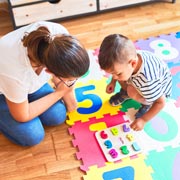 It’s almost as if children are super-charged for success — the benefits of a good early years education are surprisingly long lasting. Some studies even show that the benefits last into people’s working lives, improving salaries (
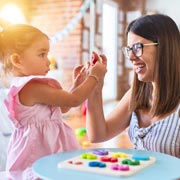 Working so closely with babies, toddlers and preschoolers allows us to continually monitor their individual progress. In so doing, we are in a prime position to spot any issues early and to make appropriate arrangements to mitigate them if needed. For example, we may spot that a child is finding reading challenging. If so, we can put extra effort and time into improving the situation for the child. On occasion, that may even include talking to parents about the possible intervention of a specialist of some kind, or it could simply be that they need to practise specific activities to overcome the issue. The earlier challenges or any special educational or developmental needs are spotted, the sooner the child in question can be helped.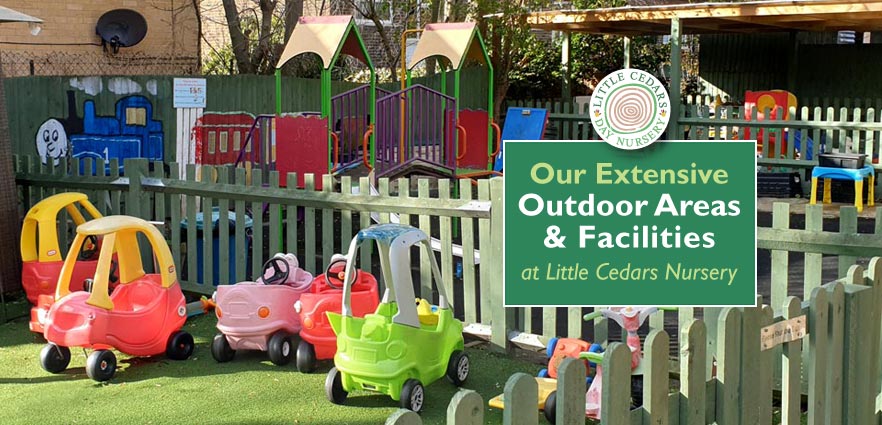
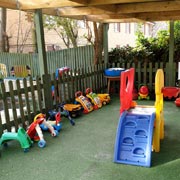 We have a huge outdoor area for children at Little Cedars Nursery, Streatham. Parents express their surprise when they first see it, regularly commenting that it’s much larger than the outdoor areas of other nurseries and pre-schools in the area. Our extensive outdoor play areas are also packed full of fun, educational play equipment and facilities that our under-five children absolutely adore. That includes areas and facilities set up especially for particular age groups.
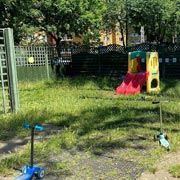 The outdoor ‘mud kitchen’ is a particular hit with children at the nursery. They can enjoy creating in the sand play and water play areas too. These are fun and educational activities —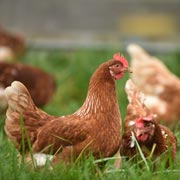
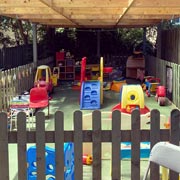 As you can see from some of the photographs, the nursery’s extensive outdoor areas include both open-air and undercover areas. That means children can play and explore whatever the weather. Outdoor play is good for children, teaching them some things that simply can’t be taught indoors, so it’s wonderful that many of the outdoor facilities can be used all-year-round.
 Outdoor play at Little Cedars Nursery also supports the Early Years Foundation Stage (EYFS) curriculum. Learning through outdoor play teaches children so much and in a natural way. Outdoor play supports such areas as communication & language, physical development, personal, social and emotional development and understanding the world. Many such lessons come naturally as children play with one another and interact together via outdoor activities.
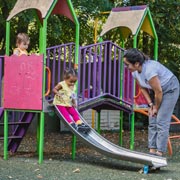 Such staff will continuously identify the individual interests and needs of each child and ensure that the learning and development activities they access will benefit them in the optimum ways. The idea is to further strengthen existing areas where children are strong, while bolstering children’s skills in areas that may require extra focus.
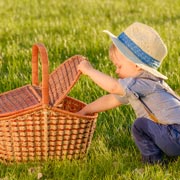 Bilateral coordination is an important skill for children to master and is something that parents should look out for as children develop in their early years. Today we look at the topic, explaining what it is, why it’s important and how mastery of the skill benefits little ones.
 You may also hear reference to the phrase crossing the midline and this is also linked to bilateral coordination. It refers to a person reaching across their body, from one side to the opposite side, in order to complete a task. An example would be a child reaching with their right hand, across their body, to pick up a toy that’s to their left. Crossing the midline in such a way is a significant step because it demonstrates that infants have progressed from naturally using the side of their body nearest the object to using a dominant or preferred side. This may be the first indication parents have of whether their child is going to be left- or right-handed.
 uncoordinated and will struggle with a variety of physical tasks.
 Reciprocal bilateral coordination: this is where both sides of the body form a rhythmic motion but the movements on each side alternate. Examples include walking, swimming and cycling.
 Mastery of bilateral coordination requires children to develop and fine-tune three types of motor skill:
 Threading beads on a string, or string through holes punched though paper or card;
 Play-doh — squeezing and rolling it, including use of tools to shape it;
 These are just a few examples. Any age-appropriate game or activity is likely to help improve bilateral coordination so long as it requires precise, measured movements and coordination of both sides of the body. It’s a case of the child practising over time, often through play, until a particular physical outcome has been mastered. Progress is particularly easy to see in babies and infants as they gradually become more physically able, dextrous, strong and coordinated.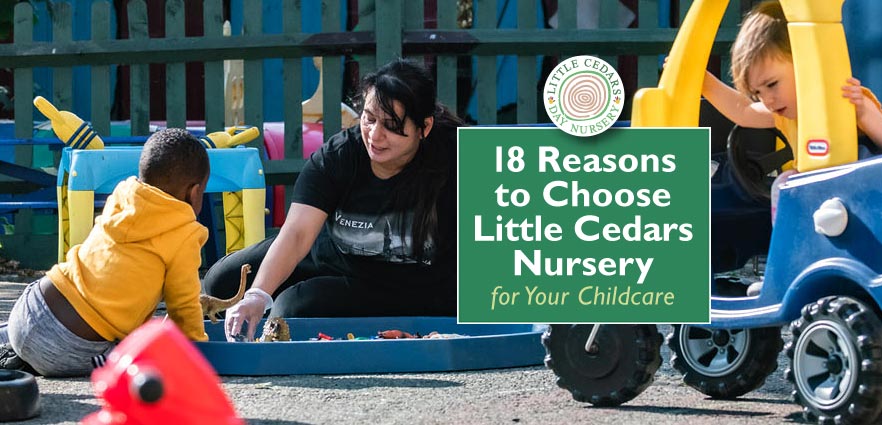
 Independent feedback from other parents is worth its weight in gold. In the last five years, Little Cedars has received only 5-star reviews on Google and Facebook. That’s top marks, consistently for 5 years running.* Comments that accompanied these independent reviews were equally compelling — here are just a few examples:
 Little Cedars is a warm, welcoming and nurturing environment. To the babies and children, it very much becomes a home-from-home where they feel safe, valued, cared for and all with wonderful, close relationships with both peers and our childcare professionals. It’s also a place of immense fun where little ones are happy, stimulated and nurtured in order to bring out the best in them.
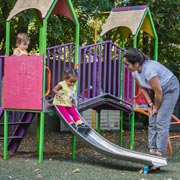 Little Cedars Nursery is extremely well resourced and equipped, both inside and out.
 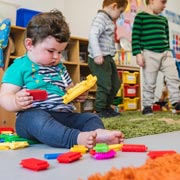 If your 2-year-old is eligible for the Government’s free childcare scheme for this age group, rest assured that Little Cedars Day Nursery supports them and this can potentially give your little one 15 free hours of childcare per week for as many as 38 weeks of the year. That’s 570 free childcare hours per year for your 2-year-old!
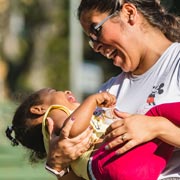 A Key Person is assigned to each child at Little Cedars Nursery. This is an early years practitioner who ensures that the child’s needs are being catered for and that their care at the setting is tailored to them as an individual. They help children settle in when they first join the nursery and build strong relationships with both the child and the parents. They are therefore usually the natural and key point of contact at the nursery.
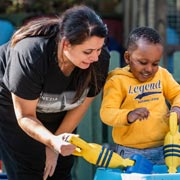 We have a very special team at Little Cedars Nursery. Every one of them has been hand picked to ensure they are the perfect fit for the nursery and for the children therein. They’re warm, natural carers who will form wonderful relationships with children and bring out the very best in them. They become the children’s safe, familiar and friendly faces at the setting as well as facilitating top-notch learning and early years education. They also ensure every child is happy and is having fun whilst under our care.
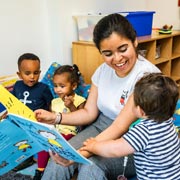 At Little Cedars we do so much more than simply look after babies, toddlers and under-fives. We educate and nurture them too. In fact, we ensure that our little ones achieve personal bests in all 7 areas of




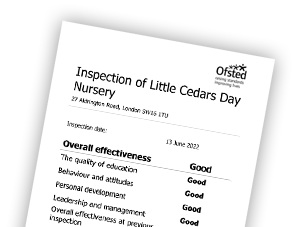 Here’s how Ofsted rate Little Cedars Nursery:
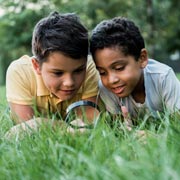
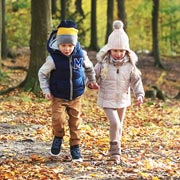 It’s amazing how much nature benefits children, particularly in their early years when they’re finding out about the world around them — and also learning about themselves. There have been many studies into the importance of nature, to youngsters in particular, and the studies all reach a similar conclusion — nature is incredibly important and beneficial to children. Today we’ll explore the topic and learn why children should regularly access the natural world.
 Stress is also reduced on both a mental and physiological level through exposure to a natural environment. In studies, stress hormone and blood pressure levels both improved after exposure to nature, helping children both physically and emotionally. Nature seems to be a great way to recharge children’s batteries and lower stress and anxiety, as well as improving attention, engagement and academic performance. That includes improvements in important skills like reading, writing and mathematics.
 Improved social skills and even wider circles of friends due to the opportunities offered through outdoor play and adventure.
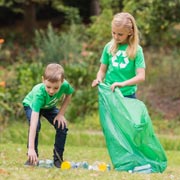 The new skills, knowledge and freedom that nature gives children also helps them to become more self-confident and independent individuals.
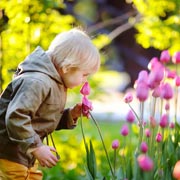 Even in built-up cities like London, immersion in nature is possible via gardens, parks, commons or, if you’re lucky to have them near you, nature reserves and nature gardens. There are many of these dotted around London, including
  If you’re searching for
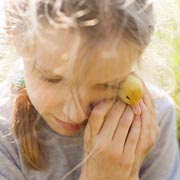 Sooner or later, many parents will consider the possible benefits of pets and whether their child should grow up with one. Mostly, the answer is positive because growing up with a pet can benefit children in many important ways — and really enrich their lives. However, looking after animals is a huge responsibility, not least to the animal itself, so should never be taken on lightly. Today we explore the topic and also outline a couple of animal-related initiatives that we have undertaken at
 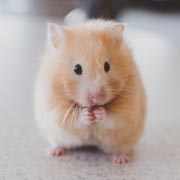 On a simple level, pets are incredibly cute and great fun to be around. As such, most children are naturally drawn to them.
 Familiarity with animals and closeness to pets also teaches children respect for other individuals (whether human or non-human), including recognition of the consequences of their actions towards them. It shows them how to care for others too. It can also teach them patience (e.g. when training) and even some of the harder lessons about life cycles.
 Introducing animals like dogs and cats to the household is quite a life-changing thing. After all, they are the kinds of animals that pretty much become one of the family and, as such, require significant time, care and attention for their own wellbeing. They also often live freely within the house and require access to the garden and, for dogs, regular walks outdoors. They are quite an undertaking, so the decision to introduce one needs careful and thorough consideration. Many animals form deep, lifelong bonds and you will become their family just as much as they become yours. So, that lifelong commitment is an important one — they are absolutely not unfeeling objects to be treated like just a toy.
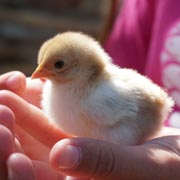 Just like humans, animals need care, proper food, fresh water, friendship, comfort and stimulation. If they don’t get these essentials, they may lead miserable and potentially even foreshortened lives. So, before a family takes on a pet, it’s best to thoroughly research the particular type of animal and exactly what they will require, from food, nutrition and bedding to stimulation (games, exercise etc.), contact with others and medical needs. Families should find out about all these things before taking an animal on. For some types of animal, for example dogs, even the breed and background is important. That’s for the wellbeing of both the pet and the family itself. Remember too that some animals will need training, for example toilet training in the case of cats, dogs and perhaps even ‘house’ rabbits. Some dogs may also require behaviour training. Everything needs factoring in beforehand including things like who will look after the pets while adults are at work, what happens when you go on holiday, who will exercise the dog, clean out the rabbit hutch regularly, feed the rabbit or clean the budgie cage.
 At Little Cedars Nursery in Streatham, we believe that children will learn a huge amount through contact with animals. For this reason, we have our own chickens and rabbits at the setting — and the children adore them! Our rabbits are named Miffy and Bella and indeed naming them naturally encourages children to treat them like individuals rather than something to play with.
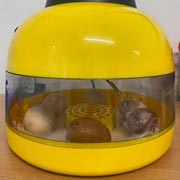 We are also raising some new chickens from fertilised eggs that we currently have in an incubator. We’ll teach children all about the life cycle of chickens with these. Once they hatch, children are sure to love the adorable little chicks that will emerge and they’ll be able to watch them grow up from fluffy chicks to adult chickens. When old enough, the chickens will join our existing, fully-grown chickens that we keep for the children in our animal enclosure outside.
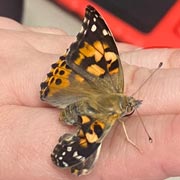 We also have a caterpillar/butterfly enclosure indoors at the setting. Through this, children can follow the incredible life cycle of butterflies, starting off as tiny eggs, hatching into caterpillars, building cocoons and eventually emerging as incredibly beautiful butterflies. This is an amazing metamorphosis for children to witness and teaches them so much about the wonder of the natural world as well as the individual needs of some of its creatures.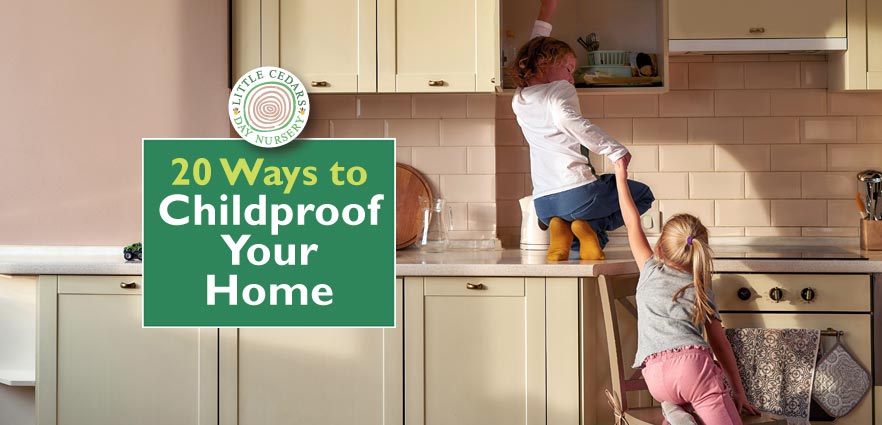
 Once babies can crawl, they’re well on their way to becoming toddlers. Then, in no time at all, they can suddenly become fully mobile, able to climb and even be out of your sight in just seconds. With this new mobility comes exploration, the potential for danger and even possible injury. With that in mind, we bring you 20 ways to begin childproofing your home to keep little ones safer and further from harm’s way.
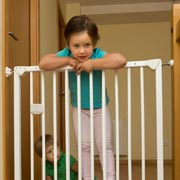 Safety gates, strategically placed around the home, are a great way to keep your little one confined to a safer, controlled area. There are lots of different types available, whether new or second-hand, but make sure they’re made to UK safety standards. Some are suitable for doorways and others for stairs. Using safety gates to keep young children away from stairs, kitchens and other hazardous places really is a no-brainer and a great place to start with your childproofing exercise.
 Clear floor-to-ceiling glass is also a hazard once children are mobile. Therefore such glass, whether part of a window, patio door, glass partition or conservatory should ideally not be clear all the way down. Otherwise, an unsuspecting child — or even adult — could find themselves running straight through what they thought was an opening. An easy way to ensure glass can be seen as a barrier is to use strategically placed stickers dotted around on the glass. These could be fun and attractive, for example little flower or butterfly stickers. Alternatively, you can even buy modern-looking ‘frosting’ strips that, when applied in one or more horizontal stripes or shapes at an appropriate height, will make clear glass more visible to you and your child. Guards are, of course, another possible temporary option.
 Whether they’re in the kitchen, on the landing, under the stairs or elsewhere, cupboards can represent a number of possible hazards to children. Fingers can be hurt if shut in the doors or near the hinges and the cupboards themselves can contain any number of dangerous things. Therefore, it’s wise to obtain some childproof locks, latches or catches for cupboard doors that you don’t want your child to be able to open. These are often simple, easy to affix (and remove when children are older) and can be inexpensive if you shop around.
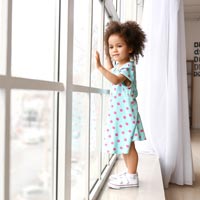 Similarly, ensure that entrance/exit doors throughout your home are secure where they need to be. Front doors, doors to gardens, balconies and patios all need to be particularly well secured from access by young children, whether through locks, latches or specialist childproofing mechanisms (there are lots available on the market). Similarly, windows need to be secure and that’s never more true than when there’s a nasty drop the other side.
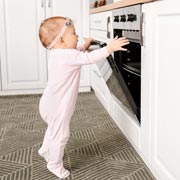 Everything with a motor or moving parts is a potential hazard to small children. The obvious items to keep well beyond their reach are tools like drills and saws along with household appliances like vacuums, food mixers and coffee-makers. However, larger things like washing machines, tumble driers, dishwashers and any appliance with a door that they could climb into are also potentially very dangerous for little ones. It may even take a combination of precautions to keep children safe from such hazards.
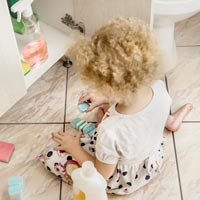 Another reason to keep little ones out of cupboards and certain areas of the home is to keep them safe from hazardous products. Some things will be poisonous and others may be corrosive. Dishwasher and laundry pods need to be stored well out of children’s reach as do medicines, cleaning products and DIY items like paint, solvents and glues. Any of these could prove fatal if they get into little hands. Remember, too, that children learn to climb, so even cupboards high up need to be secured.
 Smoke alarms suitably located around the home are one of the most basic precautions any parent or carer can make. Countless lives are saved each year due to smoke alarms. Sadly, though, many are also lost due to them not being present or due to batteries having expired. So, ensure that smoke alarms are ideally in every room as well as being in hallways, stairwells and so on. Also test them regularly to ensure batteries are in good, working order.
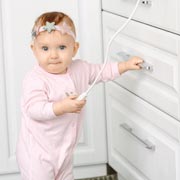 For similar reasons, it’s also wise to keep electrical wire cords tidy and out of reach of little ones. If they were to pull a kettle lead or trip over an electric iron lead, for example, the potential outcomes do not bear thinking about. Cords on telephones and electrical appliances are also choking hazards, of course. So, keep them out of harm’s way i.e. well out of grabbing and tripping distance.
 Dangling pull-cords on window blinds have, regrettably, been the cause of several deaths around the world. If they’re dangling down, small children could get these wrapped around their necks and potentially strangle themselves. Any toggle on the end of the cords can also be a choking hazard. So, if you have any of these in your home, ensure they are tied safely out of reach, ideally using the safety fitments that often come with new blinds, or are available inexpensively. The same kind of approach may also be needed in rooms where the electrical light, shower or extractor switch comes in a pull-cord form.
 Heat sources are a terrible hazard for children and adults alike. However, little ones will seldom realise the hazards, so parents and guardians need to ensure that all heat sources are kept well out of children’s reach. Examples include hair straighteners, irons, kettles, sandwich makers, pots and pans that have been on the cooker, and so on. With regard to cookers, hobs, grills, and ovens, it’s the children that need to be kept away from them, of course. Even a switched-off oven can still have a door that’s retained enough heat to burn little hands. A combination of several of the precautions outlined in this page may therefore help to make complete safety feasible in the kitchen and anywhere there are appliances that heat up.
 Radiators, heaters and, of course, fires, stoves and any other heat source in fireplaces are terribly dangerous things for children. Therefore radiator covers, fire guards, permanent vigilance and a good dose of common sense should enable parents and carers to keep children well away from such heat sources.
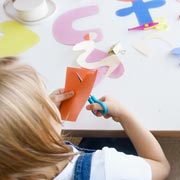
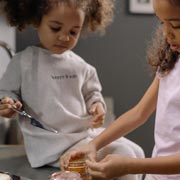 Scissors, knives, razors, needles, hand tools like saws and screwdrivers must be locked well away and never left lying around. Even pens and pencils are sharp and dangerous around eyes, when you think about it. So, it’s imperative that parents/guardians are vigilant and supervise at all times when it comes to anything sharp or pointed.
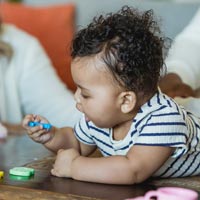 Vigilance will still be needed, however, as bumpers can only go so far.
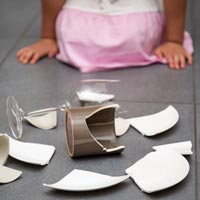 Table cloths and table runners may look attractive but are another hazard around children, albeit a less obvious one. They look innocuous enough, but should a child grab one end and walk or fall way, they could end up with all sorts of things crashing upon them. When you think about what goes on tables (e.g. glassware, candles, china etc.), this could potentially be disastrous. So, the best advice is to completely avoid their use around young children and certainly never to allow any edges to hang down at ‘grabbing’ height.
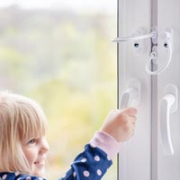 Supervised access to the garden or other outdoor space or environment is good for even the youngest of children. However, they must never be allowed to just wander into the garden or street unaccompanied (of course). There are countless dangers outside, including poisonous plants, stranger danger, cars and many other hazards. Even in your own garden there are usually hazards, from steps, inclines and level drops to dangerous garden tools plus another type of hazard we’ll see in our last tip below. Therefore exit points in the property need to be secure (see tip #4 above) and supervised at all times around the very young.
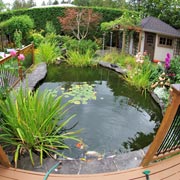 Gardens often have ponds or, if you’re lucky enough, hot tubs and even swimming pools. These are all hazards to young children. Even a puddle is a potential drowning hazard to the very young. It’s the same indoors, with baths and even basins of water being potential drowning hazards. So, once again, parents and any supervising adults need to be doing just that, i.e. supervising anywhere there is water. For different reasons, that’s even more the case around hot water, of course, and anywhere a child could potentially splash or pour water near electrics.