
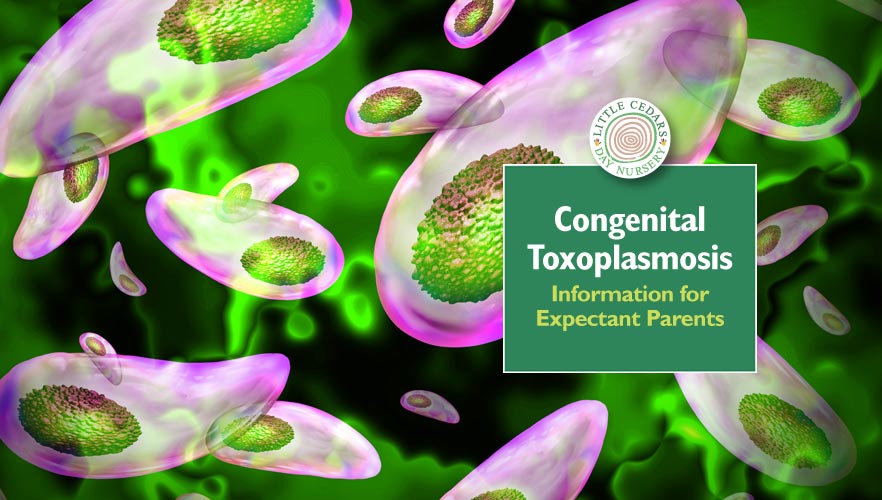
With a new baby on the horizon, pregnancy is often a time of excitement and anticipation. However, it is often also a time for heightened awareness around health and safety matters — and rightly so. Indeed it’s instinctive to want to protect both the expectant mother and the unborn child. While many expectant parents are familiar with common pregnancy risks, one lesser-known yet serious threat is congenital toxoplasmosis. This parasitic infection can have devastating consequences for unborn babies. In today’s post, we’ll explore what congenital toxoplasmosis is, the risks it poses, and practical steps pregnant women and families with young children can take to minimise exposure.
What is Congenital Toxoplasmosis?
Toxoplasmosis is an infection that’s caused by the parasite Toxoplasma gondii. While the infection is often harmless and asymptomatic for healthy adults, it becomes particularly concerning when a pregnant woman contracts it, as the parasite can cross the placenta and infect the developing baby. This is known as congenital toxoplasmosis.
How Common is Congenital Toxoplasmosis?
According to the pregnancy and baby charity Tommy’s, approximately 350 people are infected by toxoplasmosis each year in England and Wales. So, the chances of infection during pregnancy are small. However, this article is inspired by a real-life case where such an infection occurred during pregnancy. Sadly, the adverse effects for the child were severe and permanent.
What are the Risks to Unborn Babies & Young Children?
The timing of any exposure to the Toxoplasmosis gondii parasite during pregnancy affects both the risk of transmission and the potential severity of the effects on the foetus/child. While the transmission risk is lower during early pregnancy, the possible adverse effects for the developing foetus are much more severe. Conversely, the risk of transmission to the child is higher in late pregnancy but the potential effects may be milder or appear later in their lives. Depending on the timing, therefore, the risks to the child could be anything from mild effects that appear later in life to something as severe as brain abnormalities, eye damage, or even stillbirth. Other potential effects include seizures and neurological issues, miscarriages, hearing problems, learning disabilities and more. It is therefore incredibly important for expectant families to understand how to avoid toxoplasmosis infection.
“If you get toxoplasmosis while you’re pregnant it can cause miscarriage. If it spreads to your baby it can cause serious complications.” — NHS
How Pregnant Women Can Reduce The Risk
Preventing toxoplasmosis during pregnancy is crucial. Here are key measures expectant mothers should take:
Food Safety
- Avoid touching and/or eating raw or undercooked meat, especially lamb, pork and venison.
- Avoid touching and/or eating cured/dried/smoked meats like salami, Parma ham etc.
- Avoid handling and/or eating raw or undercooked oysters, clams and mussels.
- Ensure that fruit and vegetables are thoroughly washed.
- Avoid unpasteurised dairy products that may carry the parasite, especially those containing unpasteurised goat’s milk.
- Wash hands, kitchen surfaces, and utensils, especially after handling uncooked meat or indeed any of the above.
Pets & Animals
- If you are pregnant and own a cat, avoid changing the litter box yourself. If that’s not possible, ensure that you wear protective gloves while doing so and thoroughly wash your hands once you’ve finished.
- Consider keeping pet cats indoors during pregnancy to prevent them from hunting infected rodents or birds.
- Don’t give pet cats uncooked or undercooked meat.
- Avoid contact with sheep, especially pregnant sheep and lambs.
Hygiene and Environmental Care
- Always wash your hands after gardening or handling soil.
- Wear gloves while gardening or handling sandboxes (sandpits may be contaminated with cat faeces).
- Ensure meat is cooked to safe and sufficiently high temperatures.
Protecting Young Children from Infection
For families with toddlers and young children, it’s important to maintain hygiene practices to reduce exposure:
- Teach children to wash hands after playing outdoors, handling pets, and before eating.
- Cover outdoor sandpits to prevent contamination by neighbourhood cats.
- Ensure family meals follow proper food safety guidelines.
The Cat Myth
Many who have heard of toxoplasmosis believe its cause is linked primarily to cats. While cats are a host for Toxoplasma gondii and it can be contracted through contact with their faeces, they are not the most common way people get infected. Most often, contaminated food (such as undercooked meat, unwashed vegetables, or contaminated water) is the primary source of infection. Pregnant women should therefore be cautious about handling soil, raw meat, and unpasteurised dairy — not just cats. The NHS itself says:
“You cannot catch toxoplasmosis from stroking a cat, having a cat as a pet or from coming into contact with someone who’s got it.”
Stay Vigilant
Congenital toxoplasmosis is a serious but preventable condition. If they take the proper precautions, expectant mothers and families with young children can significantly reduce their risk of infection. Awareness and education are crucial, so feel free to bookmark and share this information with loved ones to help protect future generations. Learn more about toxoplasmosis and its symptoms here.
Little Cedars Nursery, Streatham, London SW16
A high-quality childcare service for your child at Little Cedars Nursery in Streatham


Little Cedars Nursery is a first-class nursery and preschool in Streatham in London’s SW16 postcode. The childcare setting offers high-quality weekday childcare for babies, toddlers, and children under five and opens virtually all year round. All major childcare funding options are supported and the nursery has ‘Good Provider’ status from Ofsted.
Find out more about Little Cedars Nursery in Streatham by choosing a button below. We’re here to show you around, answer questions, and welcome your child to this wonderful Streatham nursery.
Important Notice
These are introductory guidelines only — parents/guardians will need to do their own comprehensive research to learn more. They may also wish to consult our related tips on food safety and hygiene around children.
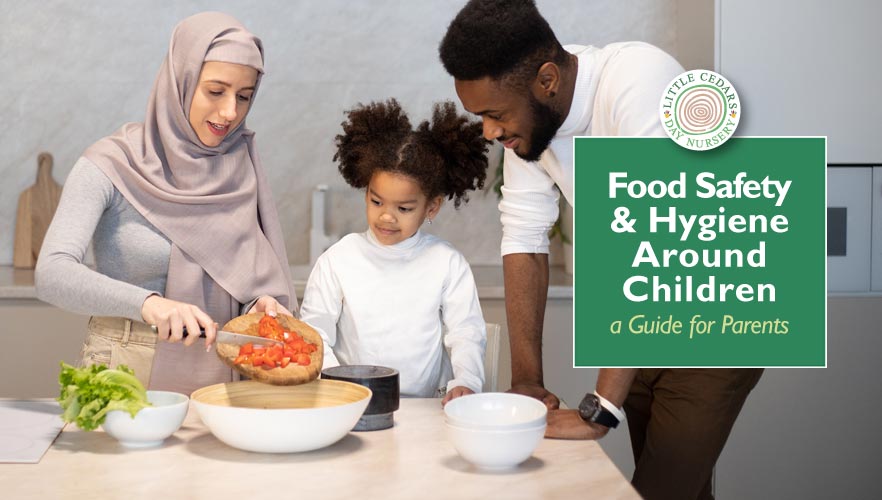
 With all the food and feasting associated with Christmas, it got us thinking about food hygiene and safety for children. Aside from keeping alert to possible allergens, parents need to be careful to ensure families remain safe from illnesses caused by food hygiene mishaps. After all, such illnesses can be particularly dangerous to little ones, who are fragile, but can be largely avoidable when good hygiene measures are taken. With that in mind, today’s post outlines various ways in which parents can stay on top of hygiene around the preparation of food for their children. And, of course, such measures will keep adults safer too.
 Ensuring the food preparation environment is clean and hygienic will reduce the chance of microbes, including germs and viruses, contaminating food. Wiping down with warm, soapy, water on clean dish cloths is ideal for many such tasks. Anti-bacterial sprays are useful but should not be allowed to contaminate food, plates and cutlery etc. directly or indirectly.
 Only feed children, especially babies and under-fives, age-appropriate food/meals. This is very important because many foods contain too much salt, sugar and saturated fats for young children. Some other foods can contain dangerous levels of toxins or even heavy metals.
  Always thoroughly wash vegetables, fruit and salads and, when appropriate, peel vegetables before use.
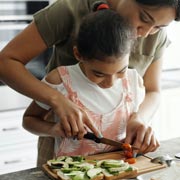 It’s hugely beneficial if children learn about food safety and proper hygiene associated with its preparation. Such things are useful life lessons and will help to keep them more safe and free of illnesses and nasty bugs. Teach them by example whenever possible. A great start is to encourage them to thoroughly wash their hands and fingers with warm, soapy water before preparing or eating food. They should also be encouraged to sit down at the table and be in a calm state before eating. This will help to better ensure food does not become contaminated or knocked onto a dirty floor. It will also reduce the chance of the child choking on food.

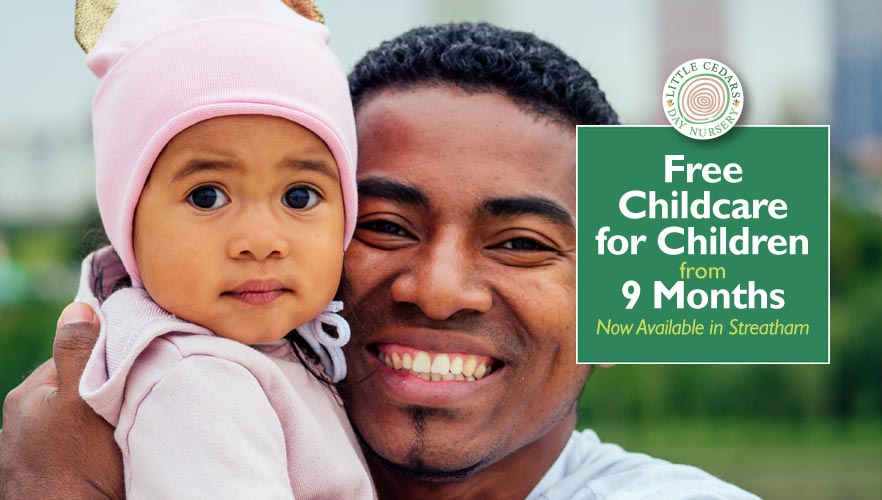
 Last year,
  As well as helping families financially, the scheme expansion should help children begin their early years education even earlier, for many, which has been shown to be hugely beneficial to them. The free childcare provision will also help many more women back into the workforce. Children, families and the economy should all benefit.

 As we previously reported,
 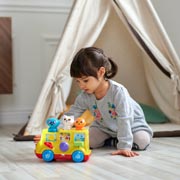 One of the ways you can optimise the success of any indoor play is to set aside a dedicated and safe play area or room for your child. Here, you can ensure that children have the space and tools available for stimulating play when needed, and quieter play at other times. Age-appropriate toys, books, and equipment are, of course, the first prerequisite for such an area. However, you may also consider other elements such as a quiet storytelling/reading corner, a play den or teepee, a relaxation area with cushions and blankets, a creative section with art and craft supplies, a play kitchen or play tools section, and so on. Giving your child such a space is sure to encourage them to immerse themselves in their play activities. And, as we know, children learn best through play.
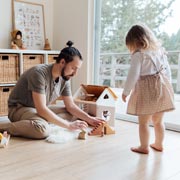 As well as giving children the tools for imaginative and educational play at home, your proactive input will also boost the benefits they receive from such activities. So, get involved, lead them sometimes and at other times let them lead. They’ll discover and learn more in this way. Ask and answer questions, encourage them to be creative in their thinking and physical approach and highlight aspects and elements that they may not otherwise have been aware of. Such an approach can teach children so much. It may well also deepen the bond between you.
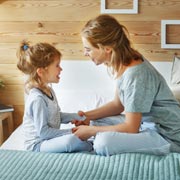 There are many types of play at home that can involve role-play, which is a powerful tool for learning. Role-play allows children to immerse themselves deeply into the game, story, or scenario they are acting out. As such it greatly boosts young imaginations and stimulates creativity skills. So, encourage such activities as dressing up in costumes, acting, and putting on pretend voices to embody characters. You and your child can take this a step further through the setting up of play equipment or props to create a new play scenario, for example, a play den, cave, pretend kitchen, or castle. Children will have immense fun whilst also learning huge amounts from such creative and imaginative activities.
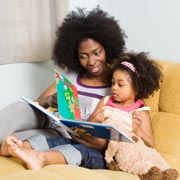 Role-playing can also be brought into time spent reading with your child.
 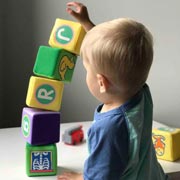 While electronic screens have their occasional place in the education and entertainment of families, it’s healthy to ensure your child has regular screen-free time. Partaking in active play at home — rather than staring inactively at a screen — can only be a good thing, in so many ways. Social skills will be better when children are actively involved in physical play with others. Motor skills and fitness will also benefit. Creativity levels will go through the roof too when children play in real life. They will also learn so much about the world, everything around them and the endless possibilities available to them by playing in the real world. Ensuring children get access to such benefits and opportunities by switching off smartphones, TVs, tablets and game consoles is something every parent can easily do for their child. Doing so will allow for more traditional play, which will enrich their lives in an infinite number of ways.
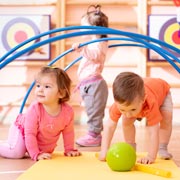 Toys that allow open-ended play are the toys that young children will usually learn the most from. For example, allowing your child to play with building blocks and materials for arts and crafts will let your child’s imagination run riot. Through these, they will be able to create an infinite range of scenarios and possibilities. Dolls and action figures are also good examples that will allow children to immerse themselves in open-ended play, with you there to help expand those possibilities, scenarios and learning opportunities even further.
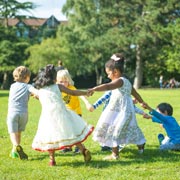 It doesn’t have to be just you and your child playing. Siblings and your child’s peers can also be encouraged to join in. Consider inviting your little one’s friends to your home or local park for a play date. Getting your child’s friends and peers together for group play will allow your child to learn and hone social skills like cooperation, teamwork, leadership, sharing and potentially even conflict resolution. And, with you there to oversee the group session, you can be sure that home play will be fulfilling, organised, fair and rewarding for all who take part.
 Remember that you can facilitate learning through play outdoors with your child too. Whether in the garden, park or countryside, playing outdoors gives children a vast number of learning opportunities — and it’s great fun! By accompanying children outdoors, they can naturally explore and discover — and enjoy doing so in ways that are much more free than when playing indoors. Outdoor play is a feast for the senses, it will encourage the honing of physical skills like balance, coordination, motor skills and strength as well as fitness. Playing in the natural world is also incredibly good for children’s mental well-being and holistic development. Learn more about
 Have you ever noticed that some babies are born with blue or grey eyes that later change to brown, green or hazel? It’s a magical metamorphosis that sometimes occurs in growing infants and it can be quite intriguing. Parents may indeed wonder whether their newborn child’s eyes are going to change or remain the same as they were at birth. The answer comes down to a combination of time, location, genetics and something called Melanin and today’s article explores this captivating phenomenon.
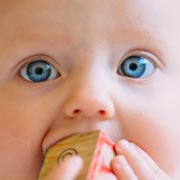 When we talk about eye colour we are, of course, talking primarily about the colour of the irises of a human’s eyes. The iris is the circular muscle around the centre pupil and it is this muscle that governs how much light can pass into the eye by making the pupil larger or smaller. When there is lots of light around, the iris constricts the size of the pupil and, in contrast, makes it big when light levels are low.
 Melanin is a protein that’s secreted by special skin cells called melanocyte cells, which form colouration pigmentation in our bodies, including in the eyes, hair and skin. When it comes to the eyes, a lot of melanin pigment means the eye colour is more likely to be dark, for example brown. In contrast, those without much melanin eye pigmentation will have lighter eyes, for example, grey or blue. It is also those lighter colours that are most affected by the Rayleigh Scattering and Tyndall effects that we discussed in the last section.
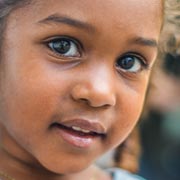 Melanin is a protective protein and, by having more melanin pigmentation, an eye has greater protection against harmful ultraviolet (UV) sun rays. That’s one of the reasons that populations from hot, sunnier countries are more likely to have brown or darker eyes — because those are better protected from the sun’s UV rays. Indeed, brown eyes are the most common eye colour in infancy, despite some common misconceptions. It is true, however, that blue or grey eyes are common in infancy in Northern Europe, where the sunlight is less strong.
 Genetics also play a part in the colour of the eyes and can be helpful when attempting to predict a newborn’s eye colouring. However, correctly predicting the colour of a baby’s eyes based solely on that of parents is not guaranteed. That’s because any inherited colouration may skip one or more generations. And, with a mix of different chromosomes and genes being passed down from parents, grandparents and beyond, skipping generations can sometimes result in completely unexpected eye colouring in infants. Genes will also control how much melanin will initially be present in a newborn’s eyes as well as affecting further production as the child ages and the eyes adjust to conditions.
 Heterochromia is a condition that affects less than 1% of the world’s population. Those affected may have two different coloured eyes or perhaps two colours present in one eye. The causes of heterochromia include physical injury, disease, genetics or sometimes the use of specific medications.
 Watch any infant, toddler or preschooler for just a few minutes and you’ll see that one thing comes naturally to them; play. Indeed, it’s as if they’ve been programmed that way, with the need to play coming instinctively to youngsters, whatever their species. Aside from it simply being great fun, there are a multitude of very good reasons for that — play teaches them an enormous amount about each other, themselves, other living things, cause and effect, and the world around them. It also allows them to learn and fine-tune a whole swathe of new skills as they grow older, play new games, and become more experienced. Add in some careful steering and nurturing during that play from Mum or Dad and they have a real recipe for success. With that in mind, we look today at the key ways in which learning through play profoundly benefits children.
 Play and creativity go hand-in-hand. Whether making up a new game, role-playing, constructing, or playing in a den, children will naturally create both scenarios and physical items as part of their play. Such activities teach them how to use their imaginations and to be creative — in a myriad of ways.
 Different play activities require different types of movement and physical interaction from children. Indeed, this is a fundamental aspect of play. Whether jumping and running with large movements or carefully constructing with small items like building blocks, children will naturally hone both fine and gross motor skills during play. Such physical skills are essential to their ability to navigate and interact with the world around them and, in the most natural of ways, play is at the heart of enhancing those abilities.
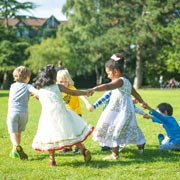 Social skills are also improved through play. Children naturally play with other children and, by so doing, will soon pick up social skills as they begin to better understand social protocols that allow them to succeed both as individuals and in groups. Decent manners, saying please and thank you, cooperation, teamwork and closer bonding are all examples of social skills that can benefit through group play. Other examples include conflict resolution, better sharing, negotiation and communication, which we’ll come to next.
 Through all this play, children will be communicating with each other and with any adults that are supervising. As such, play is a great facilitator of communication. Indeed, good communication is essential to most games and, through it, children can cooperate and achieve in ways that will help them in both the short term and into adulthood. Improving communication skills is also a fundamental way to improve success when you think about it.
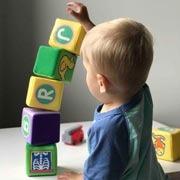 Mathematics is often embedded into games and pastimes. Children can learn, for example, about adding, subtracting, multiplication and division through games. Even dividing group play into teams requires some fundamental maths to ensure teams are equal in size. Building towers out of blocks is another great example where children can count how many blocks they can stack into a tower before it falls over. They can try to beat their own maximum, or even compete against one another to see who can use the most blocks.
 Play comes in a vast array of different forms, shapes, and sizes. Through so doing, it introduces children to countless scenarios, situations, and challenges. By immersing children into such widely differing environments, they learn huge amounts about the world around them, and everything within it. Whether it’s newfound knowledge about a new object, material, place, culture, activity, or something else, play is an amazing conduit to new knowledge and the need to learn new skills. Play is the ultimate educator and the incredible thing is that children may be unaware that they’re learning — they’re having too much fun!