
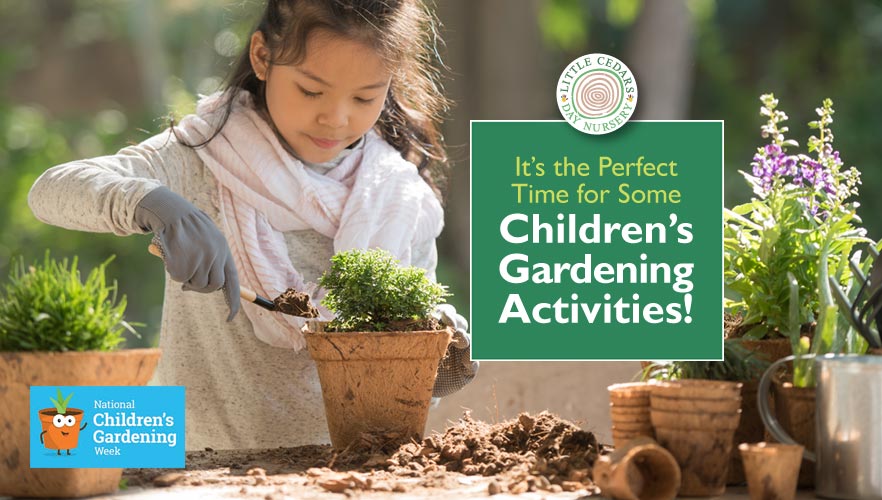
At the time of publishing this article, many UK children are enjoying National Children’s Gardening Week. At this time of year, the weather is sunnier more often, so it’s the perfect time to involve children in gardening activities. Whether taking part in the event or not, gardening is a fun, educational activity for children — and will also help to make the world a better place! So, if you would like to introduce your child to gardening and all that it has to offer little ones, read on as we tell you about some gardening activity ideas that little ones can take part in now and at any time during the warmer months of the year.
National Children’s Gardening Week
 National Children’s Gardening Week takes place each year in the UK during what’s known as the ‘warm week’ beginning right at the end of May. This year (2024) it spans from 25 May to 2 June. However, children can get involved in gardening well outside of those dates*, of course.
The annual gardening event for children started in the north of England but now takes place across the whole Nation and, like the plants and flowers in the gardens, its popularity is growing. Indeed, children are taking part at home, in schools, and at childcare settings like nurseries and preschools. In turn, the initiative itself supports the Greenfingers charity, which provides wonderful gardens and outdoor spaces for children in hospices.
* Children Can Garden Any Time in the Warmer Months
Late spring and the summer months in particular make things much easier for children to learn about gardening as there’s negligible chance of frost occurring. Warmer weather makes gardening easier and less complicated for them because, when it’s warm, there is no need to protect plants and seedlings from adverse weather conditions. What’s more, gardening results are much faster during the warmer months of the year, so even less patient children can remain engaged. That said, patience is something every child will have to learn, so a little waiting for results is a good lesson to learn.
Gardening Activities for Children
There are many fun gardening-related activities for children to do during the warmer months. Here are a few ideas to get children and families started.
Grow with Peter Rabbit Activities
 This year (2024), National Children’s Gardening Week has teamed up with The World of Peter Rabbit and is encouraging children and their families to Grow With Peter Rabbit! Free activity booklets for the initiative can be downloaded here. The dozen or so pages in this year’s activity booklet include 9 gardening-related activity ideas for children to take part in. Activities include anything from growing a windowsill herb garden and creating leaf-print cards to more simple tasks like solving garden-related pictorial puzzles. Download the activity booklet using the bold link above.
Wildflower Growing Activity
 A quick and easy outdoor activity for children is to sow and grow wildflowers (follow the bold link for much more information about this simple but worthwhile activity). Once growing and flowering, wildflowers will brighten up the garden and also attract important pollinators like bees and butterflies. What’s more, this activity is possible using just flower pots or grow bags on a patio or balcony if you don’t have access to a garden. You can also download our free butterfly reference poster for children here.
Make Simple Bird Feeders
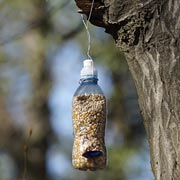 Did you know, there are some incredibly easy ways for children to make home-made bird feeders? Follow our guide and you’ll soon see how children can make bird feeders from something as simple as a pine cone or even a recycled milk carton. Take a look via the link and get ready to welcome some lovely birds to your patch. Indeed, bird spotting is all part of the fun (download our free bird-spotting poster here).
Composting Activity
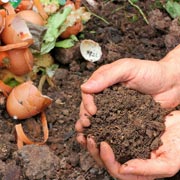 Composting is another hugely worthwhile activity for children to take part in, even right up into the Autumn. It’s easy and a great way to ecologically dispose of waste like egg shells, vegetable peelings, and garden waste like grass cuttings. What’s more, once complete, the household will have a ready supply of nutrient-rich compost that will enrich and feed flowers and plants in the garden or flower pots on the windowsill.
Minibeast Spotting
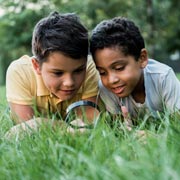 Compost heaps are also wonderful homes for minibeasts, which are also fun and educational for children to spot. Use our previously published free Minibeast Reference Poster to learn how to recognise some of the common minibeasts that might be hiding in gardens, under pots, and in compost heaps around Britain.
Wildlife-Friendly Gardening
Try to teach your children how to make gardens wildlife-friendly (whether in back gardens or smaller spaces like patios and balconies). Ensure children understand that wildlife like bees and other flora and fauna are under threat from nasty chemicals and habitat loss. 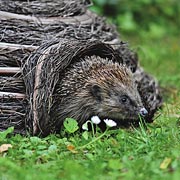 So, making a wildlife-friendly garden or area is a very worthwhile activity for children to take part in — and is educational on so many levels. See our separate guide to wildlife-friendly gardening for kids, try some of the ideas above, or download this free wildlife-friendly activity pack.
Indoor ‘Gardening’ Activities for Kids
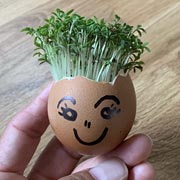 Children can do ‘gardening’ activities indoors too! Get them to try making egg cress heads, for example. It’s an easy, fun activity and children will love the results!
Did you know that children can also grow food from scratch indoors? They’ll love growing microgreens indoors and it can also be done on a windowsill. Not only will it be fun and educational for the children, but they’ll also be able to eat the results! Learn more about growing microgreens indoors here and learn more about the benefits of teaching children to grow food here.
More Gardening Ideas for Kids
More gardening-related activities for children can be found here. At the bottom of that page, you can also use the ‘older entries’ link to discover even more ideas.
Gardening is also a great way to introduce children to the concept of sustainability, ecological matters, and the need to protect both the environment and the planet as a whole. After all, we only have one planet and our children and grandchildren will eventually be in charge of its stewardship. Find out about some additional sustainable gardening activities that children can take part in here.
Why Gardening is Such a Worthwhile Activity for Children
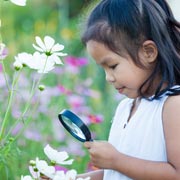 The benefits of gardening for children are many and varied and that’s why it’s such a wonderful activity to get them involved in. It will teach children many new skills and new knowledge. It’ll teach them about the circle of life, how to care and be responsible for other living things, and about the importance of looking after the planet. It will also give them an insight into where some food types come from. It is also great fun, will give children a huge sense of achievement, and may even open their eyes to the possibility of careers in horticulture, land management, food production, farming, and the like. And, of course, gardening makes the world a better place in so many ways. Let’s also not forget that being around nature is hugely beneficial to children, but do remember to follow good safety precautions when children are outdoors.
Little Cedars Nursery: First-Class Childcare in Streatham
Looking for the best childcare in Streatham or near Tooting, Furzedown, or Balham?

 Little Cedars Nursery also appreciates the importance of nature and outdoor play, so often engages children in such activities in our wonderful outdoor spaces. These include our own planting area where children can grow vegetables! The setting is a first-class nursery and preschool in Streatham and may also suit families nearby in Furzedown, Tooting, Balham, Norbury and Colliers Wood. A full early years education is available here for babies and under-fives, who are given all the tools and guidance they need to thrive once they leave us to begin at school. Government-funded childcare schemes are supported and the nursery is rated by Ofsted as a ‘Good Provider’.
So, if you’d like to give your baby, toddler, or preschooler the best start in life in the Streatham region, please get in touch today:
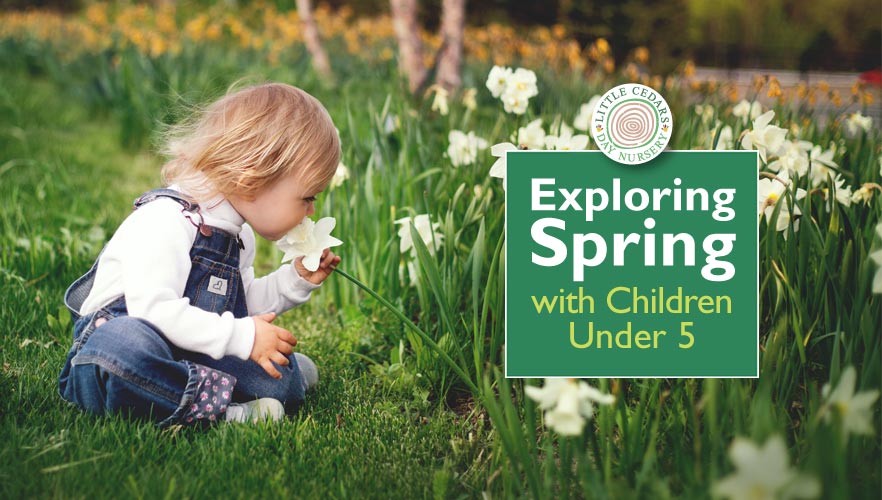
 At Little Cedars Nursery, Streatham, one of the activities we do with children around this time of year is to explore the season of spring. Spring is a wonderful antidote to the cold, winter months as new shoots begin to sprout from the soil, flowers start to reappear, birds begin to return from warmer climes and there are early indications of warmer weather ahead. Paying attention to such things when spring arrives can teach children a great deal about the world around them, nature, and the impact of the various seasons. It’s also a free, fascinating, and educational activity that parents/guardians can do with children. Families can, for example, explore the signs of spring in the garden, out on walks, in local parks, and in the countryside. With that in mind, today’s article looks at the type of things children and families can look out for during the season of spring.
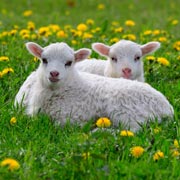 As every child knows, young lambs are an absolute delight. They’re incredibly cute and the way they play, group together with fellow lambs, and happily jump into the air is simply adorable! Although timing varies from farm to farm, most newborn lambs arrive during early spring — typically in March — with others arriving in April, particularly if they’re in UK areas further north where it can be colder. At Little Cedars Nursery, we try to ensure children get to meet some spring lambs or calves each year and it’s always a huge hit with the children.
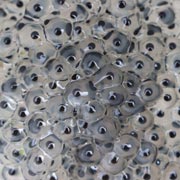 Another huge hit with children in spring is the appearance of frogspawn in ponds. Children will love watching the little eggs change over time, their contents growing from tiny black dots into creatures that have obvious legs, tails and heads. And, once they emerge from the eggs, the tadpoles continue to delight little ones as they gradually develop into tiny frogs. It’s a wonderfully magical thing for children to witness in spring and is also hugely educational.
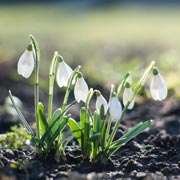 Snowdrops are one of the very first plants to reappear when spring arrives. They’re pretty little plants with slender green leaves and flowers that, as their name suggests, resemble delicate drops of snow. Young children will love that! Look out for them in gardens, parks, forests and hedgerows. Each plant generally forms a ‘bunch’ of around ten stems and they reappear every year. Warn children to look but not touch, though, as they are poisonous if eaten.
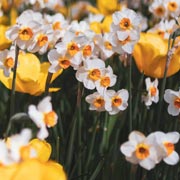 Another of the earliest plants to appear in the year is daffodils. Their shoots begin to appear through the soil in February and, once spring arrives in March, their flowers will brighten up any garden, lawn, forest or flower bed right into May. Once daffodils are in bloom, you also know other plants will soon follow. So, they’re a great sign of the changing season for children to look out for, and a signal that gloomy winter is now over and summer is not far away.
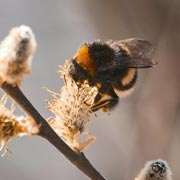 Bumblebees are amongst the cutest of garden visitors and many children will naturally love them, particularly once they’ve realised how adorable they are with their velvety bodies, sweet faces and attractive markings. They’re also peaceful little creatures, many of whom don’t even have a sting, who simply want to go about their business of collecting nectar from flowers. Bumblebees start to reappear in the spring — because flowers are also reappearing after being dormant over the winter months. They then become more and more populous as the months become warmer and can be seen right into autumn.
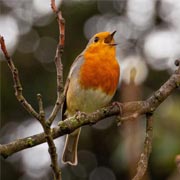 The return of many of the UK’s favourite birds is another wonderful sign that spring has arrived and winter is over. While some birds, including robins, may stay during winter, others will have migrated to warmer places, perhaps thousands of miles away. Once they return to the UK, children will be able to watch out for them and listen out for more birdsong. Early mornings and sunsets are great times to hear them, particularly when the weather is calm, meaning their sounds travel more clearly. For example, tiny wrens have an incredible and very melodic set of sounds. Robins are also beautiful to listen to. Thrushes sometimes sing at the tops of trees at dusk too, and that’s also wonderful to hear. Encourage children to watch and listen out for other birds too, for example, blackbirds, starlings, doves, blue tits, great tits and occasionally more rarely-seen birds like goldcrests.
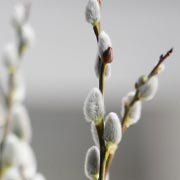 Buds on trees and bushes can also be an interesting natural phenomenon for children to look out for in spring. Many are quite beautiful if you take the time to have a close look. Young children are indeed fascinated by several types of tree buds in early spring and perhaps the most attractive one to them is pussy willow. For them, the soft, fur-like buds of the pussy willow are an instant hit and something that really draws their attention. They really do feel furry and it’s almost as if they’re little creatures or kittens paws — quite a magical thing for any child to look out for in spring!
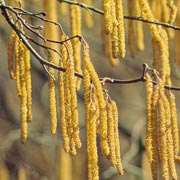 Catkins are also fascinating. Their little dangling fronds almost look like yellow caterpillars, so this is another type of spring occurrence to draw children’s attention to. From such attention, they can be taught lessons about pollen, seeds, nectar and the circle of life.
 Getting children interested in nature, and spending time around it, is extremely good for them as we’ve reported before —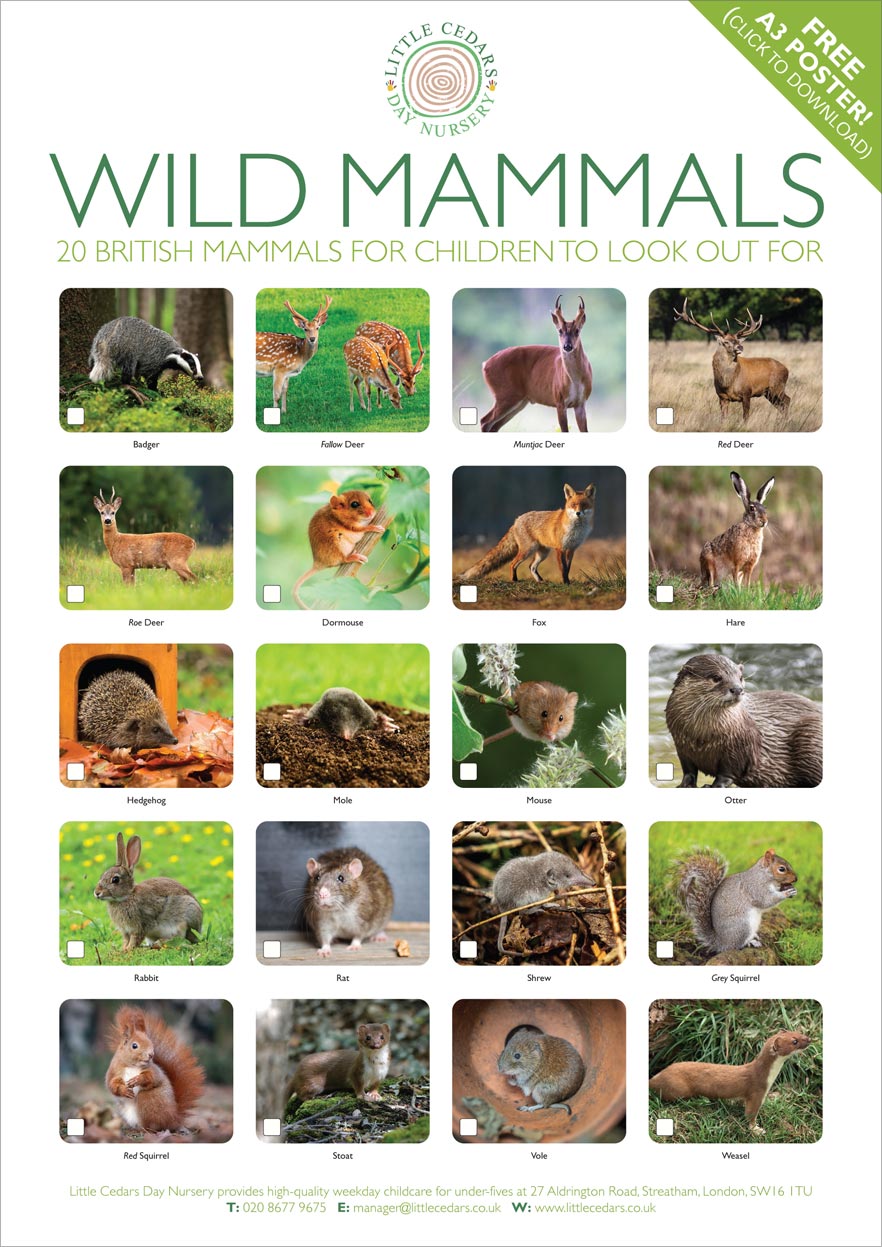
 World Wildlife Day celebrates the world’s flora and fauna. It happens on the 3rd of March each year and is a way to raise awareness of the need to protect nature. That can be achieved by reducing harmful emissions, pollution, habitat loss, and the loss of biodiversity. By introducing children to the beautiful wildlife around them, children will naturally be more empathetic towards other creatures and even progress to learning about conservation matters and the impact of humans on the planet. In this way, little ones can grow into young stewards of the planet and have an active interest in protecting it going forward. Get them started today by downloading our free Wild Mammals poster — who knows where it could lead!
 Children and families, get ready for National Storytelling Week! For 2024, storytelling in the UK is officially celebrated from Saturday the 27th of January to Sunday the 4th of February. It’s a great opportunity for children and families to get creative and to entertain one another through the sharing of stories.
 National Storytelling Week couldn’t come at a better time of year. As many across the UK have witnessed in recent weeks, January brings with it cold days, dull skies, and wintery weather. Even the daylight hours are short, limiting the number of activities children can undertake outdoors. With storytelling, however, families can be transported to any number of different locations, situations and climates, all in the blink of an eye. Indeed, storytelling can take children to places and scenarios that would simply not be possible in real life. Such is the power of this art form and the human imagination.
 Stories stimulate imaginations;
 Another great way to help children create new stories is to encourage them to be inspired by objects around them. For example, a teddy bear, toy character, or picture nearby may inspire them. This can be taken further by providing children with a basket of such props, for example, a toy animal, pine cone, toy crown, goblet, apple, and a rock. A ‘story scrapbook’ can be used by children in a similar way. Such things can significantly help children to become more creative and generate storyline ideas, sequencing, and plot twists.
 Have you ever noticed that some babies are born with blue or grey eyes that later change to brown, green or hazel? It’s a magical metamorphosis that sometimes occurs in growing infants and it can be quite intriguing. Parents may indeed wonder whether their newborn child’s eyes are going to change or remain the same as they were at birth. The answer comes down to a combination of time, location, genetics and something called Melanin and today’s article explores this captivating phenomenon.
 When we talk about eye colour we are, of course, talking primarily about the colour of the irises of a human’s eyes. The iris is the circular muscle around the centre pupil and it is this muscle that governs how much light can pass into the eye by making the pupil larger or smaller. When there is lots of light around, the iris constricts the size of the pupil and, in contrast, makes it big when light levels are low.
 Melanin is a protein that’s secreted by special skin cells called melanocyte cells, which form colouration pigmentation in our bodies, including in the eyes, hair and skin. When it comes to the eyes, a lot of melanin pigment means the eye colour is more likely to be dark, for example brown. In contrast, those without much melanin eye pigmentation will have lighter eyes, for example, grey or blue. It is also those lighter colours that are most affected by the Rayleigh Scattering and Tyndall effects that we discussed in the last section.
 Melanin is a protective protein and, by having more melanin pigmentation, an eye has greater protection against harmful ultraviolet (UV) sun rays. That’s one of the reasons that populations from hot, sunnier countries are more likely to have brown or darker eyes — because those are better protected from the sun’s UV rays. Indeed, brown eyes are the most common eye colour in infancy, despite some common misconceptions. It is true, however, that blue or grey eyes are common in infancy in Northern Europe, where the sunlight is less strong.
 Genetics also play a part in the colour of the eyes and can be helpful when attempting to predict a newborn’s eye colouring. However, correctly predicting the colour of a baby’s eyes based solely on that of parents is not guaranteed. That’s because any inherited colouration may skip one or more generations. And, with a mix of different chromosomes and genes being passed down from parents, grandparents and beyond, skipping generations can sometimes result in completely unexpected eye colouring in infants. Genes will also control how much melanin will initially be present in a newborn’s eyes as well as affecting further production as the child ages and the eyes adjust to conditions.
 Heterochromia is a condition that affects less than 1% of the world’s population. Those affected may have two different coloured eyes or perhaps two colours present in one eye. The causes of heterochromia include physical injury, disease, genetics or sometimes the use of specific medications.
 Watch any infant, toddler or preschooler for just a few minutes and you’ll see that one thing comes naturally to them; play. Indeed, it’s as if they’ve been programmed that way, with the need to play coming instinctively to youngsters, whatever their species. Aside from it simply being great fun, there are a multitude of very good reasons for that — play teaches them an enormous amount about each other, themselves, other living things, cause and effect, and the world around them. It also allows them to learn and fine-tune a whole swathe of new skills as they grow older, play new games, and become more experienced. Add in some careful steering and nurturing during that play from Mum or Dad and they have a real recipe for success. With that in mind, we look today at the key ways in which learning through play profoundly benefits children.
 Play and creativity go hand-in-hand. Whether making up a new game, role-playing, constructing, or playing in a den, children will naturally create both scenarios and physical items as part of their play. Such activities teach them how to use their imaginations and to be creative — in a myriad of ways.
 Different play activities require different types of movement and physical interaction from children. Indeed, this is a fundamental aspect of play. Whether jumping and running with large movements or carefully constructing with small items like building blocks, children will naturally hone both fine and gross motor skills during play. Such physical skills are essential to their ability to navigate and interact with the world around them and, in the most natural of ways, play is at the heart of enhancing those abilities.
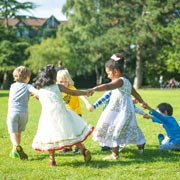 Social skills are also improved through play. Children naturally play with other children and, by so doing, will soon pick up social skills as they begin to better understand social protocols that allow them to succeed both as individuals and in groups. Decent manners, saying please and thank you, cooperation, teamwork and closer bonding are all examples of social skills that can benefit through group play. Other examples include conflict resolution, better sharing, negotiation and communication, which we’ll come to next.
 Through all this play, children will be communicating with each other and with any adults that are supervising. As such, play is a great facilitator of communication. Indeed, good communication is essential to most games and, through it, children can cooperate and achieve in ways that will help them in both the short term and into adulthood. Improving communication skills is also a fundamental way to improve success when you think about it.
 Mathematics is often embedded into games and pastimes. Children can learn, for example, about adding, subtracting, multiplication and division through games. Even dividing group play into teams requires some fundamental maths to ensure teams are equal in size. Building towers out of blocks is another great example where children can count how many blocks they can stack into a tower before it falls over. They can try to beat their own maximum, or even compete against one another to see who can use the most blocks.
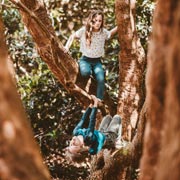 Play comes in a vast array of different forms, shapes, and sizes. Through so doing, it introduces children to countless scenarios, situations, and challenges. By immersing children into such widely differing environments, they learn huge amounts about the world around them, and everything within it. Whether it’s newfound knowledge about a new object, material, place, culture, activity, or something else, play is an amazing conduit to new knowledge and the need to learn new skills. Play is the ultimate educator and the incredible thing is that children may be unaware that they’re learning — they’re having too much fun!
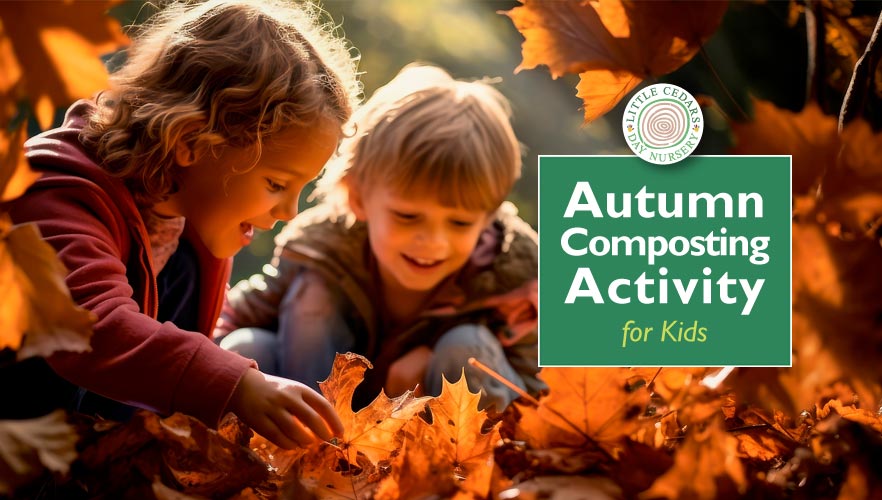
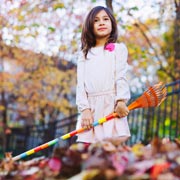 Autumn is a magical time filled with vibrant colours, falling leaves, and a wonderful quality to the air. With rustling leaves covering the ground in a myriad of hues, it’s the perfect season to engage children with the wonders of a composting activity. Composting is fun, worthwhile, and educational. It not only teaches kids about the importance of recycling and sustainability but also provides an exciting outdoor activity that connects them with nature. In today’s article, we’ll explore the joy of composting with an autumn twist, where children can harness the abundance of fallen leaves to create a rich and fertile compost for the garden. Children of all ages will love this nature-based outdoor activity and it’s a win-win in every sense — for children, nature’s flora and fauna, and the garden itself.
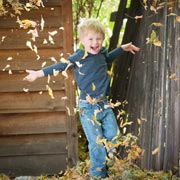 Autumn leaves are rather like nature’s confetti and they play a crucial role in composting. Perhaps explain to children how leaves provide essential carbon and nutrients that are key ingredients for a successful compost pile. Encourage them to collect a variety of leaves in different colours and shapes, so this activity becomes a stimulating treasure hunt too.
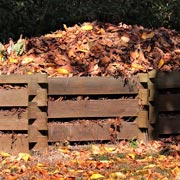 Guide children in setting up a compost bin or, in its most basic form, it could take the form of a simple pile in the garden if you have one. If not, an undisturbed corner somewhere outside will suffice. Emphasise the importance of a balanced mix of green (nitrogen-rich) and brown (carbon-rich) materials. Leaves are a fantastic source of carbon, balancing out the kitchen scraps and other green materials that you and your child may soon start to add.
 To make composting even more enjoyable, you and the children could incorporate other autumn-themed activities. For example, they could create leaf art while waiting for the compost to develop, they could decorate the compost container through painting, or they could take part in
 When you’re searching for the best nursery for your baby or toddler, or the perfect preschool for your 3-or-4-year-old, the choice can often be overwhelming.
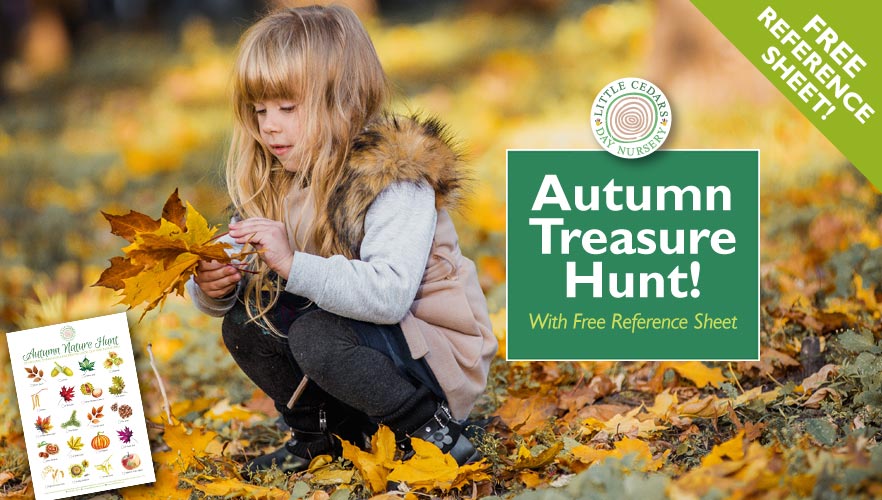
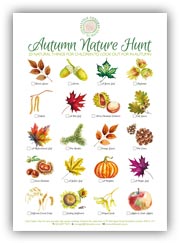 Autumn is a time of the year when magical colour changes occur across gardens, parks and landscapes. Leaves can be seen in a multitude of different colours before falling along with seeds, ripening fruits and berries. In autumn, nature shows us a wonderful metamorphosis and it’s a time of beautifully crisp air and clear distant views. It’s all incredible to behold and also offers children some unique seasonal activity opportunities.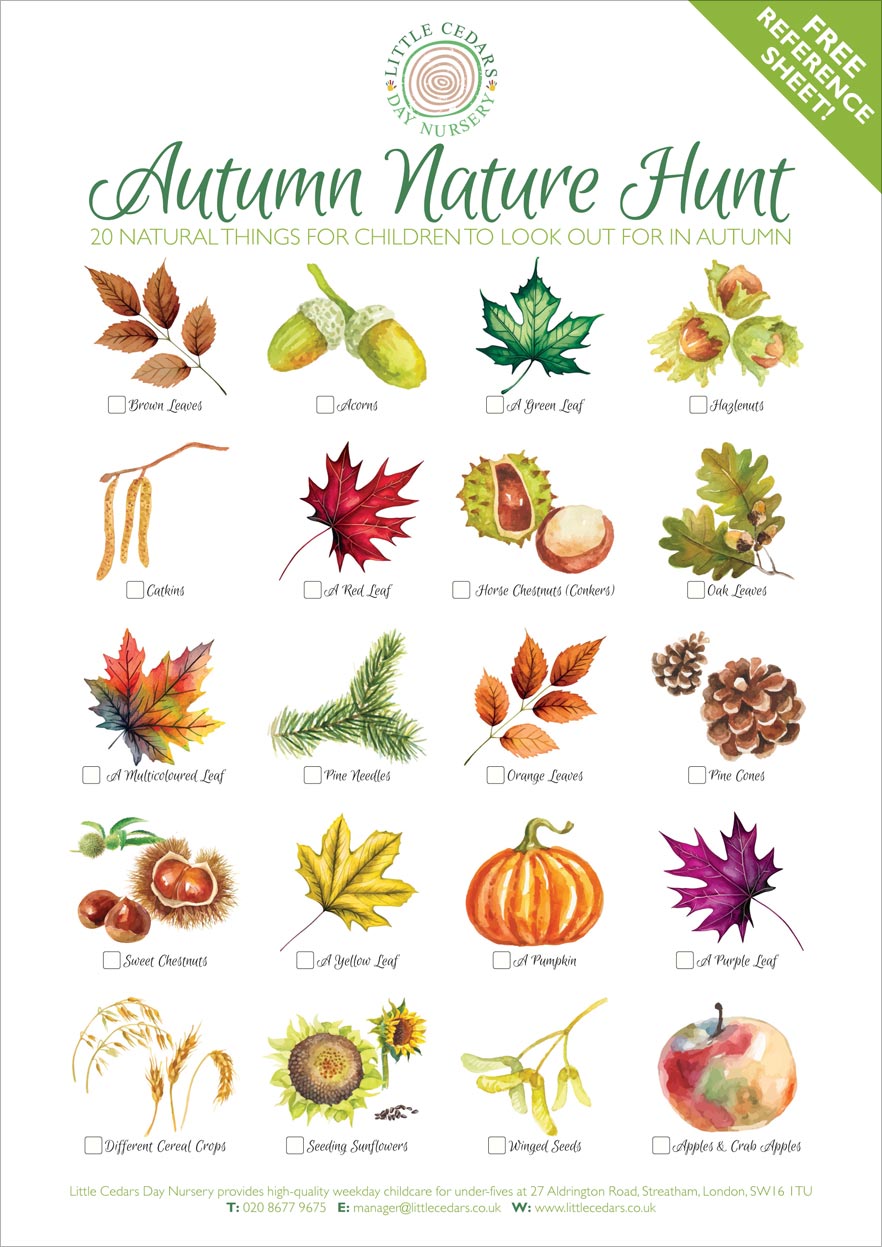

 The arrival of October means it’s time for children and families to prepare for Halloween! Arriving on the 31st of the month, it’s a firm favourite for any childhood and gives children the opportunity for uniquely spooky fun, games and dressing up. Indeed, Halloween offers a wonderful variety of activities for children to take part in and that’s exactly what we look at in today’s article. Stand by, then, to prepare the household for some spookylicious Halloween activity ideas for kids!
 Children adore dressing up for Halloween. The spooky nature of Halloween costumes really appeals to them, especially if they get together with friends and compare outfits on Halloween evening.
 Similarly, black sheets are easy to make into witch or wizard outfits. Alternatively, use black clothing and, if it’s no longer being worn for anything else, it can even be given ragged edges for extra effect. Add pointy black hats made of cardboard or paper and the costumes are complete.
 If you want your child’s Halloween experience to be truly spooktacular, encourage them to decorate the house – whether inside or out – with all manner of ghoulish decorations and ghostly paraphernalia. Home-made spider webs can, of course, be made using string, thread or stretched-out cotton wool. However, such decorations can usually be purchased inexpensively from supermarkets, which typically have cheap Halloween decorations around October each year. Spiders can be home-made by children from wool or black pipe cleaners, or similarly bought commercially along with shop-bought decorations depicting skeletons, ghosts, bats and suchlike. You can also buy LED lights, including strings of lights, that look like Halloween pumpkin lanterns. Such lighting is great for extra atmosphere!
 If your household is carving pumpkins for Halloween this year, perhaps save some of the flesh and use it to make a spookylicious pumpkin soup for the family to eat come Halloween evening time. There are plenty of excellent recipes online and children can help make the soup, under supervision for safety purposes.
 Children can combine Halloween fancy dress costumes, spooky decorations, and themed food and drink by hosting a Halloween party for friends and family. Such preparations are sure to set up a wonderfully spooky atmosphere in which children will have immense fun comparing outfits and getting into the spirit of the event. Add Halloween-themed games, play ghostly music and take turns to read ghost stories and the evening is sure to be one to remember! It’s also a great conduit through which children can socialise and perhaps grow stronger bonds.
 Take the Halloween activities to an extra level by arranging a group trick-or-treat session, under adult supervision, for children in your street. They will absolutely love this activity and it’s sure to result in much giggling and laughter if it goes as planned. However, be sure to check with each neighbour before the day. In that way, they can opt out if they prefer not to get involved. For those that do take part, most neighbours usually go the ‘treat’ route but be ready for the possibility that a few may opt for the ‘trick’ option, in which scenario the children under your supervision will need to be ready with a fun but harmless trick. Some forethought and creative thinking may be needed there, with care being taken not to allow children to overstep the mark.
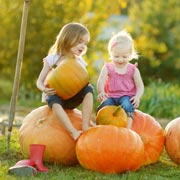 Pumpkin patches are often wonderful places for children and families to spend a few hours in the run-up to Halloween. In such places, your little one can explore amongst hundreds of pumpkins and other gourds of different sizes and shapes. And, if they find one they take a liking to, they can usually be purchased to take home, or might even be included in the price if the venue has an entrance fee. Pumpkin patches often also have other Halloween-themed activities at this time of year, whether it’s displays where you can take memorable snaps of your child amongst the pumpkins, wheelbarrow rides for children across a pumpkin field, pop-up refreshments with Halloween-themed food and drink or pumpkin-decorating workshops, they’re always great fun for children. They really help to make Halloween the special time of year that it is.
 Once you’ve sourced a suitable pumpkin for your child, it’s time for the really fun part — pumpkin carving and decorating! While the carving part may not be suited to children of a young age (knives are super-dangerous), they can usually help, under supervision, with scooping out the flesh and then, the most fun part of all, decorating. Pumpkins can depict faces, spiders, owls or any spooky imagery you or your little one can imagine. And, even if they may be too young to carve the holes,
 they can still decorate using paint or markers, or simply enjoy Mum or Dad getting creative on their behalves.
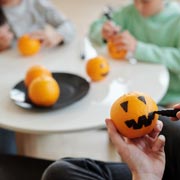 TIP: Kids don’t even really need a pumpkin; the smallest of children can decorate oranges or yellow/orange bell peppers! They look really cute and an added bonus is that they avoid the need for any carving.