
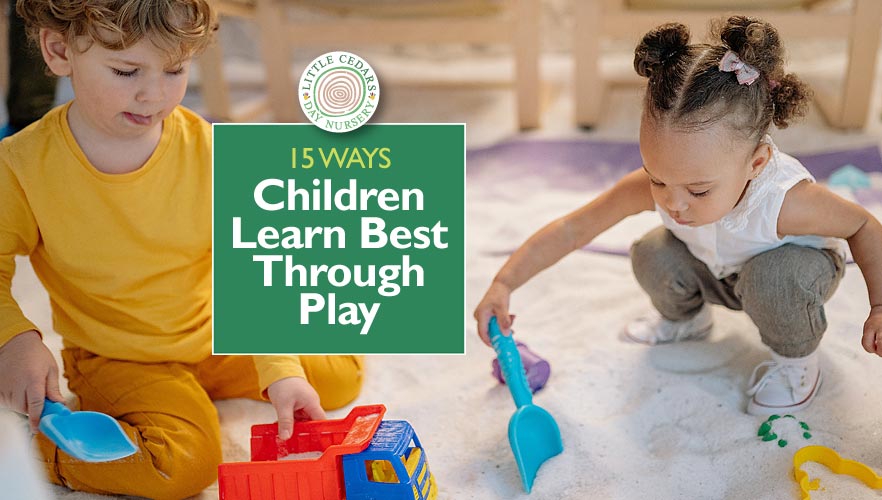
 Watch any infant, toddler or preschooler for just a few minutes and you’ll see that one thing comes naturally to them; play. Indeed, it’s as if they’ve been programmed that way, with the need to play coming instinctively to youngsters, whatever their species. Aside from it simply being great fun, there are a multitude of very good reasons for that — play teaches them an enormous amount about each other, themselves, other living things, cause and effect, and the world around them. It also allows them to learn and fine-tune a whole swathe of new skills as they grow older, play new games, and become more experienced. Add in some careful steering and nurturing during that play from Mum or Dad and they have a real recipe for success. With that in mind, we look today at the key ways in which learning through play profoundly benefits children.
1. Play & Creativity Go Hand-in-Hand
 Play and creativity go hand-in-hand. Whether making up a new game, role-playing, constructing, or playing in a den, children will naturally create both scenarios and physical items as part of their play. Such activities teach them how to use their imaginations and to be creative — in a myriad of ways.
2. Play Boosts Problem-Solving & Critical Thinking Skills
During play, children will inevitably reach points where a problem needs to be solved or a challenge overcome. Such things will help to stretch children’s minds and stimulate thinking skills to help them invent new ways to do things, solve problems, accomplish tasks, or do something more efficiently. Problem-solving and critical thinking skills will benefit hugely in this way and these are crucial skills for children to learn as they grow older.
3. Play Hones Motor Skills
 Different play activities require different types of movement and physical interaction from children. Indeed, this is a fundamental aspect of play. Whether jumping and running with large movements or carefully constructing with small items like building blocks, children will naturally hone both fine and gross motor skills during play. Such physical skills are essential to their ability to navigate and interact with the world around them and, in the most natural of ways, play is at the heart of enhancing those abilities.
4. Play Makes Children Fitter
All that running around, chasing, jumping, hopping and playing games is sure to raise a child’s heart rate and, in time, get them a little out of breath. That’s great exercise, right there, but play makes it fun rather than a chore. And, as we know, exercise is good for us, helping to keep us more fit and healthy. In fact, along with a healthy, balanced, diet, it can even help children to reduce or avoid the prospect of childhood obesity.
5. Play is Good for Children’s Emotional Well-Being
Did you know that the hormone cortisol, which the body releases when under stress, reduces when children play? It just goes to prove that playing makes children happy — after all, it’s great fun — and that’s great for their overall emotional well-being.
6. Play Enhances Cognitive Skills
Playing not only improves physical fitness, motor skills and coordination, but it also improves brain function. After all, play takes a myriad of different forms, each type requiring a different mixture of concentration and cognitive skills to succeed. Play is, indeed, like a good workout for the mind, with every passing minute of play enabling the brain to form countless new connections that will stand a child in good stead through improved skills and knowledge going forward.
7. Play Improves Social Skills
 Social skills are also improved through play. Children naturally play with other children and, by so doing, will soon pick up social skills as they begin to better understand social protocols that allow them to succeed both as individuals and in groups. Decent manners, saying please and thank you, cooperation, teamwork and closer bonding are all examples of social skills that can benefit through group play. Other examples include conflict resolution, better sharing, negotiation and communication, which we’ll come to next.
8. Play Helps Children Learn to Communicate Better
 Through all this play, children will be communicating with each other and with any adults that are supervising. As such, play is a great facilitator of communication. Indeed, good communication is essential to most games and, through it, children can cooperate and achieve in ways that will help them in both the short term and into adulthood. Improving communication skills is also a fundamental way to improve success when you think about it.
9. Play Enhances Emotional Intelligence
Play also allows children to see things from one another’s perspectives. Role-play games are a great example and, through such endeavours, children can better understand how their actions might affect others. Through such play opportunities, they’ll learn to have improved empathy, patience, and perception of others. Those are important tools for any individual to master, both as children and as adults.
10. Play Stimulates Children’s Senses
One of the key ways babies and infants learn is through the senses and it’s through play that they often do this. Whether reaching out to touch a soft toy during tummy time, playing with coloured shapes, or progressing to creative play with play dough and suchlike when they’re older, they can learn a lot about the world through the senses during early play. Learn more about The Benefits of Sensory Play for Under-Fives here.
11. Play Makes Sense of Mathematics
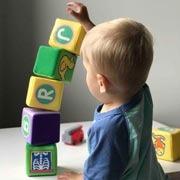 Mathematics is often embedded into games and pastimes. Children can learn, for example, about adding, subtracting, multiplication and division through games. Even dividing group play into teams requires some fundamental maths to ensure teams are equal in size. Building towers out of blocks is another great example where children can count how many blocks they can stack into a tower before it falls over. They can try to beat their own maximum, or even compete against one another to see who can use the most blocks.
12. Play Teaches Children Real-World Science
Play also teaches children about science and how it applies to the real world around them. Properties of materials are a good example, with children learning to understand the properties of liquids, solids, play dough, gravity, heat and cold, cause and effect, and so on — often through the simple act of playing.
13. Play Teaches Children to Assess Risk
Another great skill that children can learn through play is that of risk assessment. Should they climb further up this tree or is it too dangerous? Should they add another block to their tower construction, or will it tip over? Can they leap across this puddle without getting wet? All such things are great examples of how simple play activities can teach children how to assess risk — and learn from it.
14. Play Educates Children About the World Around Them
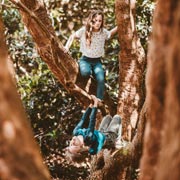 Play comes in a vast array of different forms, shapes, and sizes. Through so doing, it introduces children to countless scenarios, situations, and challenges. By immersing children into such widely differing environments, they learn huge amounts about the world around them, and everything within it. Whether it’s newfound knowledge about a new object, material, place, culture, activity, or something else, play is an amazing conduit to new knowledge and the need to learn new skills. Play is the ultimate educator and the incredible thing is that children may be unaware that they’re learning — they’re having too much fun!
15. Play Makes Learning Fun & Natural
All in all, play teaches children a vast amount about the world around them, about themselves, and about others. It also teaches them a myriad of new skills. Incredibly, it makes such learning fun and totally natural. As such, play is an immensely powerful teacher that’s key to the success of every child’s early learning and development.
Children Learn Through Play at Little Cedars Nursery, Streatham
The childcare professionals at Little Cedars Nursery understand very well the superpowers of play. That’s why babies, toddlers and preschoolers learn mostly through play and child-led activities at the nursery in Streatham. Through play and a learning and development programme that’s custom-designed for each child, little ones absolutely thrive at Little Cedars, achieving personal bests in every area of the curriculum and personal development. In this way, we ensure they are as school-ready as possible by the time they leave us as they approach the age of five.
Nursery & Preschool Places at a Good Nursery/Preschool in Streatham

 Would you like to explore the possibility of your baby or under-five child attending Little Cedars Nursery in Streatham? We’re officially a ‘good provider’ of childcare and early years education and offer a warm, cosy, home-from-home environment where every child thrives and feels valued. We’re also conveniently located if you live or work near Streatham Hill, Streatham Park, Streatham Common, Furzedown, Tooting, Tooting Bec, Tooting Broadway, Tooting Common, Balham, Norbury and Colliers Wood. Get in touch today to get started on your application, to visit, or to find out more:
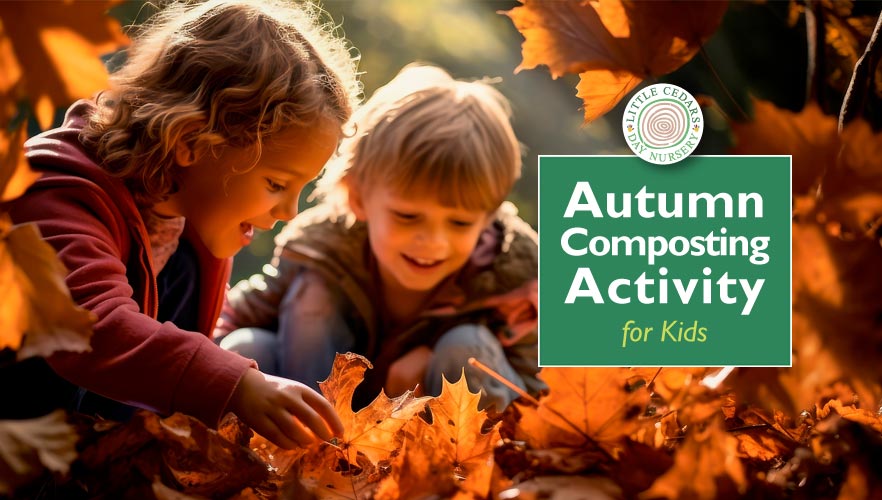
 Autumn is a magical time filled with vibrant colours, falling leaves, and a wonderful quality to the air. With rustling leaves covering the ground in a myriad of hues, it’s the perfect season to engage children with the wonders of a composting activity. Composting is fun, worthwhile, and educational. It not only teaches kids about the importance of recycling and sustainability but also provides an exciting outdoor activity that connects them with nature. In today’s article, we’ll explore the joy of composting with an autumn twist, where children can harness the abundance of fallen leaves to create a rich and fertile compost for the garden. Children of all ages will love this nature-based outdoor activity and it’s a win-win in every sense — for children, nature’s flora and fauna, and the garden itself.
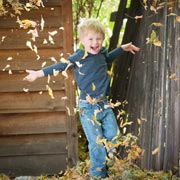 Autumn leaves are rather like nature’s confetti and they play a crucial role in composting. Perhaps explain to children how leaves provide essential carbon and nutrients that are key ingredients for a successful compost pile. Encourage them to collect a variety of leaves in different colours and shapes, so this activity becomes a stimulating treasure hunt too.
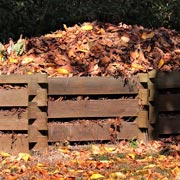 Guide children in setting up a compost bin or, in its most basic form, it could take the form of a simple pile in the garden if you have one. If not, an undisturbed corner somewhere outside will suffice. Emphasise the importance of a balanced mix of green (nitrogen-rich) and brown (carbon-rich) materials. Leaves are a fantastic source of carbon, balancing out the kitchen scraps and other green materials that you and your child may soon start to add.
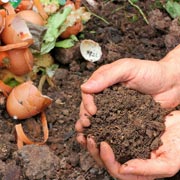 As the compost pile transforms, involve children in observing the changes. Discuss how the compost becomes darker and richer over time. Point out the
  To make composting even more enjoyable, you and the children could incorporate other autumn-themed activities. For example, they could create leaf art while waiting for the compost to develop, they could decorate the compost container through painting, or they could take part in
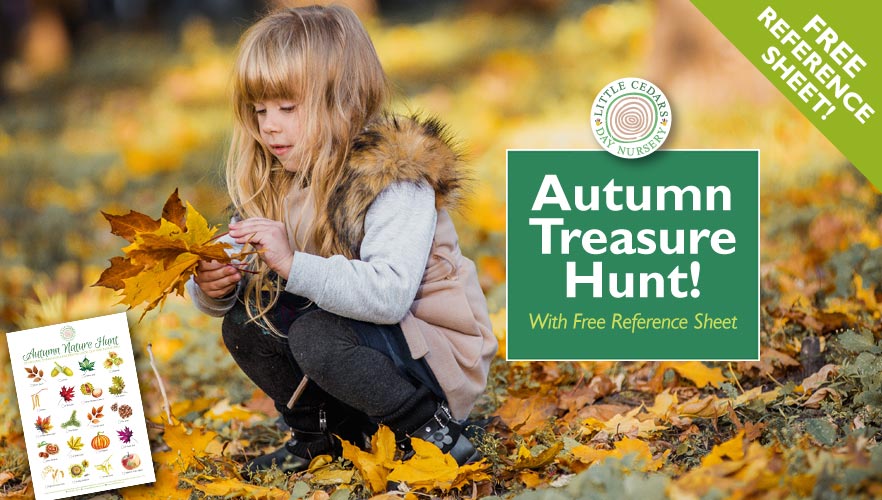
 Autumn is a time of the year when magical colour changes occur across gardens, parks and landscapes. Leaves can be seen in a multitude of different colours before falling along with seeds, ripening fruits and berries. In autumn, nature shows us a wonderful metamorphosis and it’s a time of beautifully crisp air and clear distant views. It’s all incredible to behold and also offers children some unique seasonal activity opportunities.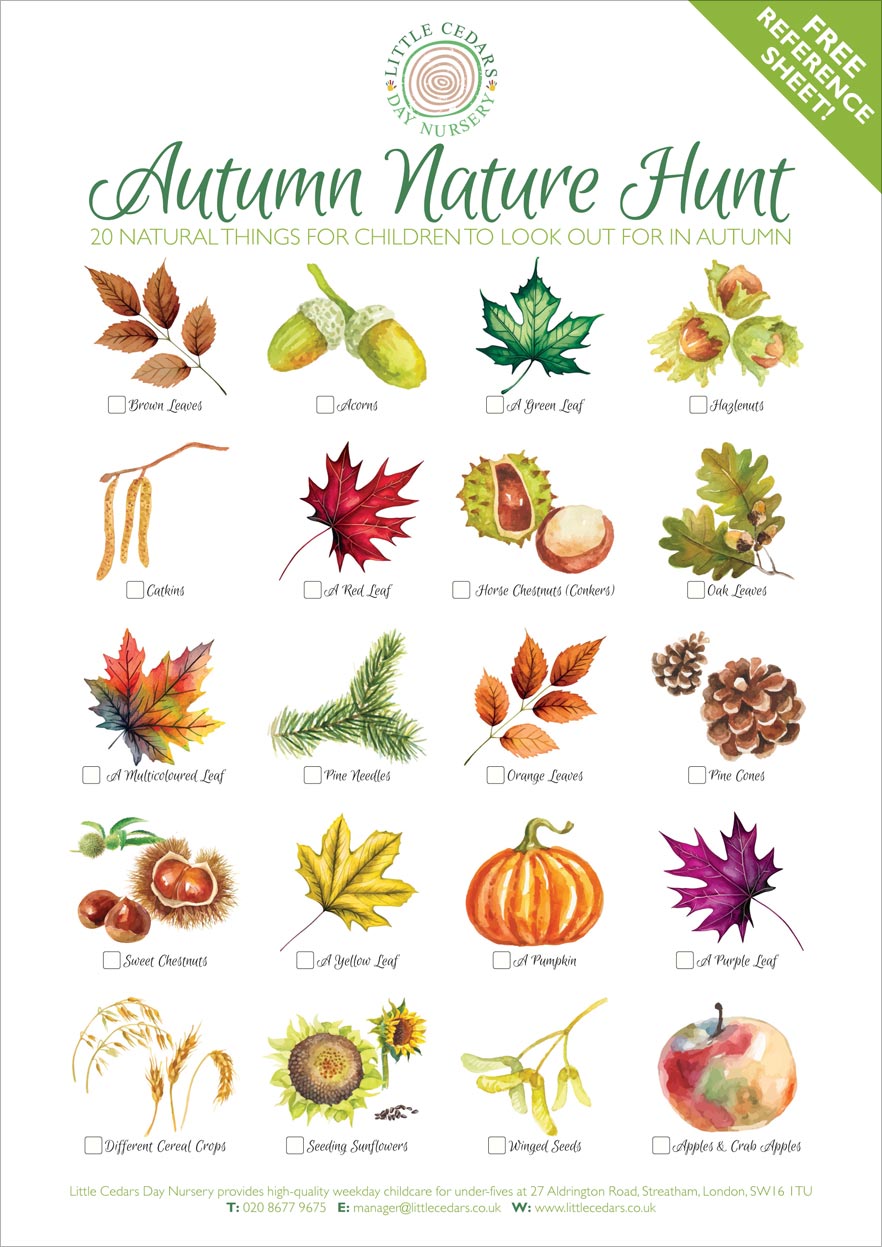
 The arrival of October means it’s time for children and families to prepare for Halloween! Arriving on the 31st of the month, it’s a firm favourite for any childhood and gives children the opportunity for uniquely spooky fun, games and dressing up. Indeed, Halloween offers a wonderful variety of activities for children to take part in and that’s exactly what we look at in today’s article. Stand by, then, to prepare the household for some spookylicious Halloween activity ideas for kids!
 Children adore dressing up for Halloween. The spooky nature of Halloween costumes really appeals to them, especially if they get together with friends and compare outfits on Halloween evening.
 Similarly, black sheets are easy to make into witch or wizard outfits. Alternatively, use black clothing and, if it’s no longer being worn for anything else, it can even be given ragged edges for extra effect. Add pointy black hats made of cardboard or paper and the costumes are complete.
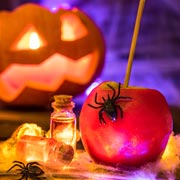 If you want your child’s Halloween experience to be truly spooktacular, encourage them to decorate the house – whether inside or out – with all manner of ghoulish decorations and ghostly paraphernalia. Home-made spider webs can, of course, be made using string, thread or stretched-out cotton wool. However, such decorations can usually be purchased inexpensively from supermarkets, which typically have cheap Halloween decorations around October each year. Spiders can be home-made by children from wool or black pipe cleaners, or similarly bought commercially along with shop-bought decorations depicting skeletons, ghosts, bats and suchlike. You can also buy LED lights, including strings of lights, that look like Halloween pumpkin lanterns. Such lighting is great for extra atmosphere!
 If your household is carving pumpkins for Halloween this year, perhaps save some of the flesh and use it to make a spookylicious pumpkin soup for the family to eat come Halloween evening time. There are plenty of excellent recipes online and children can help make the soup, under supervision for safety purposes.
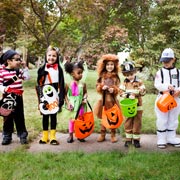 Children can combine Halloween fancy dress costumes, spooky decorations, and themed food and drink by hosting a Halloween party for friends and family. Such preparations are sure to set up a wonderfully spooky atmosphere in which children will have immense fun comparing outfits and getting into the spirit of the event. Add Halloween-themed games, play ghostly music and take turns to read ghost stories and the evening is sure to be one to remember! It’s also a great conduit through which children can socialise and perhaps grow stronger bonds.
 Take the Halloween activities to an extra level by arranging a group trick-or-treat session, under adult supervision, for children in your street. They will absolutely love this activity and it’s sure to result in much giggling and laughter if it goes as planned. However, be sure to check with each neighbour before the day. In that way, they can opt out if they prefer not to get involved. For those that do take part, most neighbours usually go the ‘treat’ route but be ready for the possibility that a few may opt for the ‘trick’ option, in which scenario the children under your supervision will need to be ready with a fun but harmless trick. Some forethought and creative thinking may be needed there, with care being taken not to allow children to overstep the mark.
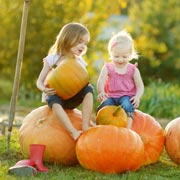 Pumpkin patches are often wonderful places for children and families to spend a few hours in the run-up to Halloween. In such places, your little one can explore amongst hundreds of pumpkins and other gourds of different sizes and shapes. And, if they find one they take a liking to, they can usually be purchased to take home, or might even be included in the price if the venue has an entrance fee. Pumpkin patches often also have other Halloween-themed activities at this time of year, whether it’s displays where you can take memorable snaps of your child amongst the pumpkins, wheelbarrow rides for children across a pumpkin field, pop-up refreshments with Halloween-themed food and drink or pumpkin-decorating workshops, they’re always great fun for children. They really help to make Halloween the special time of year that it is.
 Once you’ve sourced a suitable pumpkin for your child, it’s time for the really fun part — pumpkin carving and decorating! While the carving part may not be suited to children of a young age (knives are super-dangerous), they can usually help, under supervision, with scooping out the flesh and then, the most fun part of all, decorating. Pumpkins can depict faces, spiders, owls or any spooky imagery you or your little one can imagine. And, even if they may be too young to carve the holes,
 they can still decorate using paint or markers, or simply enjoy Mum or Dad getting creative on their behalves.
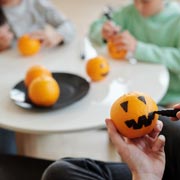 TIP: Kids don’t even really need a pumpkin; the smallest of children can decorate oranges or yellow/orange bell peppers! They look really cute and an added bonus is that they avoid the need for any carving.
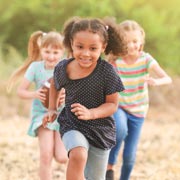 In today’s guide, we take a close look at the incredible importance of outdoor play for children, including those under five. Outdoor play isn’t just about fun; it’s one of the cornerstones of childhood learning and development and has an immense number of benefits for little ones. So, in this comprehensive article, we’ll explore why outdoor play is so essential for our youngsters and how its effects can be transformative. Let’s take a look…
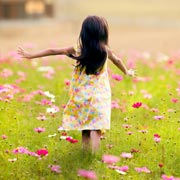 For children, the outdoors represents a magical place where fun, exploration and real adventure can take place. Picture a world where a simple stick can become a wizard’s wand, or a puddle can transform into a treasure-filled lagoon, and you’ll soon understand how exciting the outdoors can be for children. Indeed, outdoor play is the realm of limitless imagination. It offers children a vast canvas in which to immerse themselves into adventures, fostering creativity and igniting their instinctive curiosity.
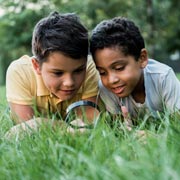 The Great Outdoors serves as a natural classroom, with true hands-on learning experiences that provide numerous opportunities for children to acquire new skills and knowledge. Whether it’s
 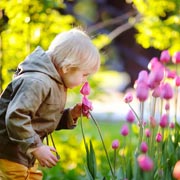 Outdoor play engages all the senses and
 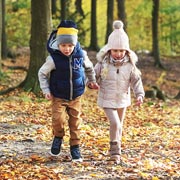 The outdoors serves as an exceptional classroom. When they’re playing outside, children effortlessly absorb knowledge about the world around them. In the open air, they will naturally learn about nature, seasons, different types of flora and fauna, and how the environment functions. It is true learning through discovery.
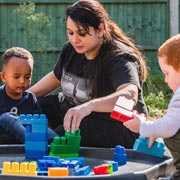 The open spaces of the outdoors also serve as a wonderful canvas for creativity. Children’s imaginations run wild outdoors as they invent games, stories, and art inspired by the natural world. Outdoor play encourages them to think in new, innovative, ways and to truly embrace their creative potential.
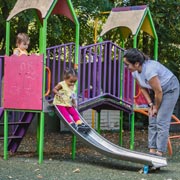 At Little Cedars Nursery, we really understand the profound impact that outdoor play has on early childhood development. With that in mind, our childcare practitioners ensure that children are given every opportunity to immerse themselves in a wide range of outdoor activities that help to nurture every child’s learning, growth, curiosity, and resilience. And let’s not forget one more important factor about outdoor play — it’s simply immense fun for children! As such, it is a perfect way to facilitate learning in the most natural way of all — through play.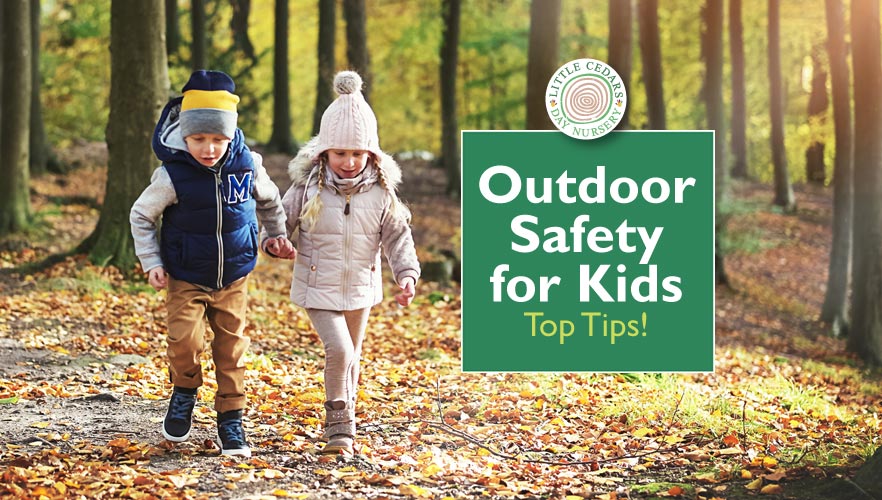
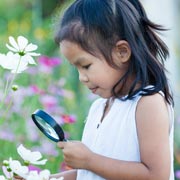 As parents and caregivers, we understand
  Boundaries create a sense of security. Ensure boundaries are understood and that play areas have clear markers. Guide children to understand and respect these boundaries to reduce the risk of children wandering away — and potentially becoming lost.
 Children are naturally drawn to water, but it can pose significant risks. Ensure that play areas are far from water bodies, and when near any water source, always provide direct and continuous supervision. Even shallow water can be dangerous for little ones.
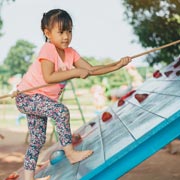 Although they’re young, children want to explore and will naturally want to climb as they get older. It’s therefore important to teach children a safe approach to climbing. This should include emphasising the importance of staying within safe heights to prevent falls, assisting with climbing technique and, of course, risk-assessing what they should and shouldn’t attempt to climb in the first place.
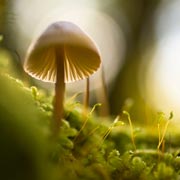 While exploring nature is exciting, it’s essential to be aware of potential dangers. Educate your child about the dangers of poisonous plants and fungi or insects that could harm them. Encourage them not to touch or eat anything unfamiliar.
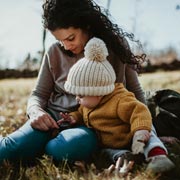 Outdoor exploration sometimes involves contact with dirt and mud. Promote hygiene by ensuring handwashing facilities are readily available and teaching children the importance of cleanliness after outdoor play.
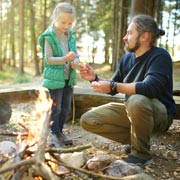 Campfire stories can be delightful and intriguing for children, but we must always prioritise fire safety. If you decide to expose them to it, children must be educated about the potential dangers of fire and always supervised during any fire-related activities. Fostering a responsible understanding around fire safety is paramount.
 Today’s minibeast-spotting activity is the third in a series of nature-based children’s activities and, like the others, comes with a free poster. As with the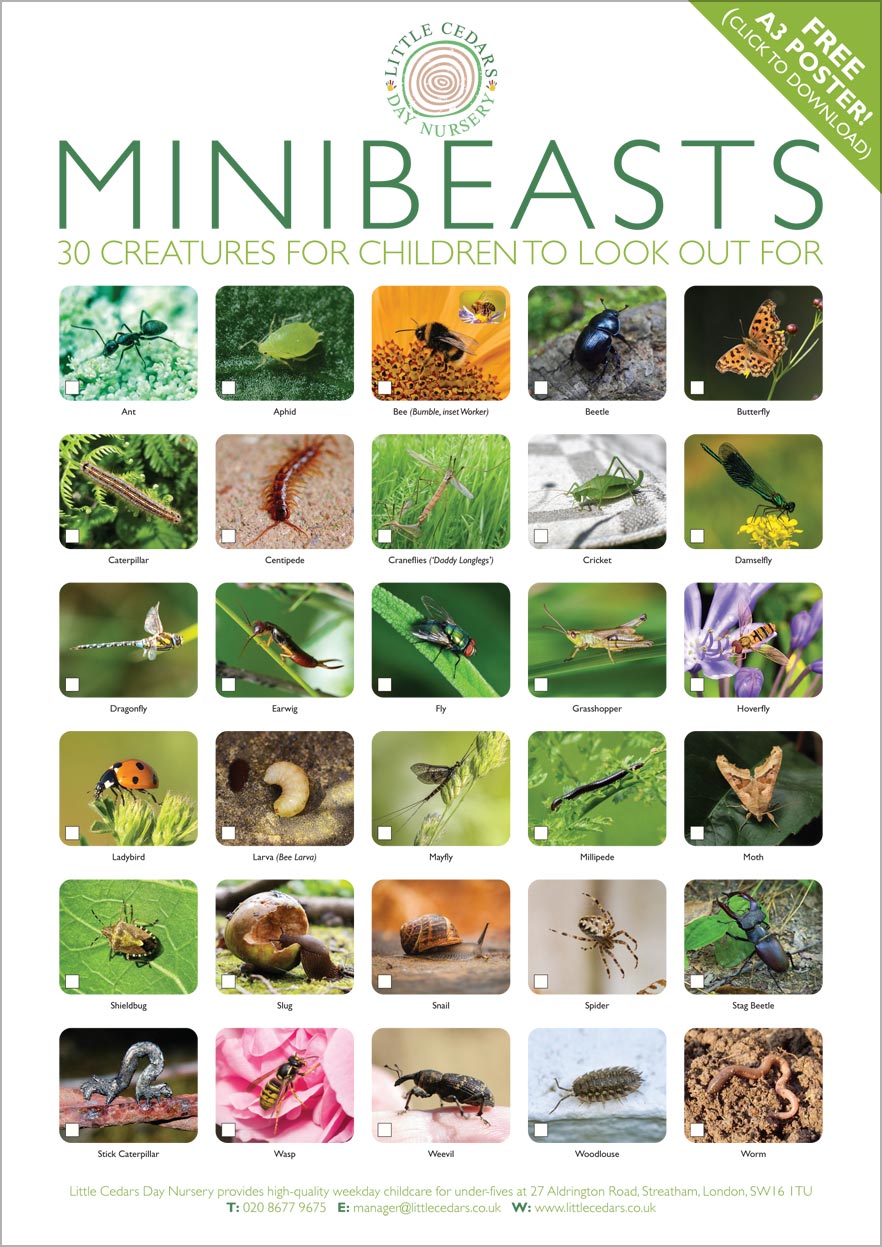
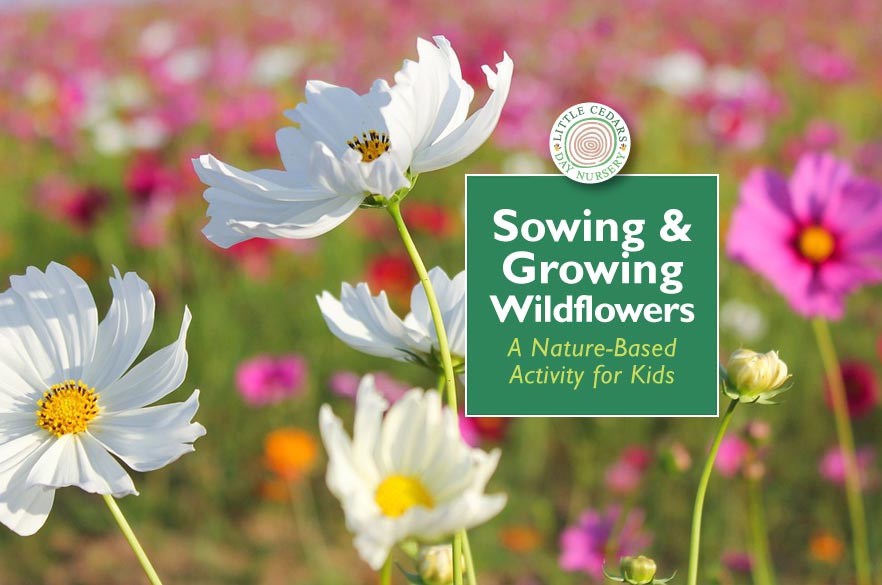
 In today’s guide, we outline a simple but powerful nature-based activity that will be both fun and educational for children and under-fives. This one is all about how to sow wildflower seeds. Once growing, these will bring beauty and wonder to any setting. The activity will also complement our recent
  Children benefit very much from spending time in nature, as we outlined in our article entitled
 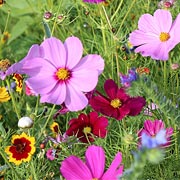 Colour(s) — Children can help decide whether to grow wildflowers of just one colour, a limited 2- or 3-colour palette or perhaps multiple colours. If parents have an existing colour theme in their garden or plant area, they may wish to point children in a particular direction, so as to keep that colour theme going.
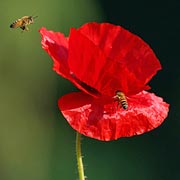 Free wildflower seeds can be harvested from existing wildflowers — either from your own wildflowers if you have them, or from those found in the wild along hedgerows and similar (N.B. only do so in moderation and for personal use). Timing will, of course, be critical because seeds will only be available at certain times of the year, i.e. when the wildflowers have “gone to seed” at the end of their flowering period.
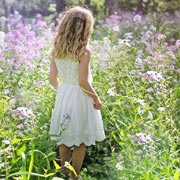 Sowing seeds on existing lawns that you/your child want as a wildflower meadow is simply a case of scattering seeds on the lawn, ideally spaced out in such a way that they don’t have to compete with each other once they start growing. Then ensure that the area of lawn is kept moist by either rain or, if there is no rain, regular sprinkling from a watering can fitted with a sprinkling head (a.k.a. ‘rose head’). Children may need to remind adults not to cut the lawn thereafter, of course!
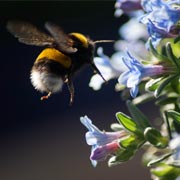 Children will love it once the wildflowers begin to grow and later bloom. They’ll also love seeing bees, butterflies, and other insects visiting and the results of the activity may indeed give them a great sense of accomplishment. The whole process and the results are quite magical when you think about it.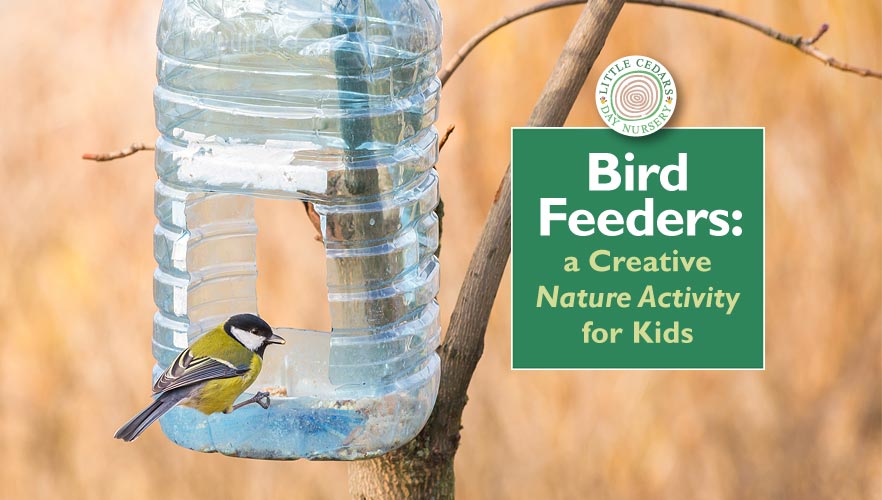
 A wonderful way to
  Combine with our Bird-Spotting Activity
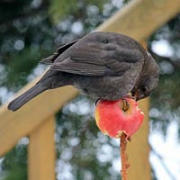 The fastest and easiest bird feeder for children/families to make is simply an apple. This can either be hung with string from a tree branch, bush, or similar, or the apple can be ‘spiked’ on the pointy end of a tree branch, a strong twig or something like a bamboo pole embedded in the ground (so long as it’s tall enough to keep birds safe* from predators). Easy! We suggest stripping some of the apple skin off to expose the flesh. Apples are a particular favourite of blackbirds and bluetits, amongst others.
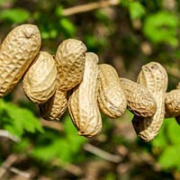 This is also a very easy bird feeder for children/families to make. All you need is some string and some monkey nuts* (peanuts still in their outer husk). A supervising adult will need to make some small holes in one end of each husk and then string can be threaded through to form a kind of chain (like a necklace). Monkey nuts can be threaded on to form the right length and then this can be tied between the branches of a tree, or similar. See our note about safely locating* them, though.
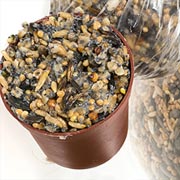 Home-made seed cakes are another type of bird feeder that is both easy and fun for children to make. Basically, they consist of lots of seeds mixed into a ‘cake’ made from either suet* or lard*. The seeds are mixed in when the lard or suet is melted, so parents/adults will need to help with that part as it’s done by heating it in a saucepan. Once melted, the seeds can be added and mixed in. Once cool enough to be safe, the children can take over to make most of the feeders. First, a piece of string can be tied from the centre of the base of something like a flower pot or yoghurt pot (parents should make the hole, if needed). Then the child can mould the seed cake into the pots, or other similar plastic containers. Once cooled, the seed cakes will harden and can then be suspended from the branches of a tree, bush, fence post or under the eaves of a house or outbuilding. Bluetits, great tits, starlings and robins will usually be the first to try out the new cakes.
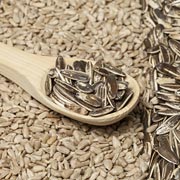 Your choice of seeds directly affects the success – or otherwise – of your bird feeders. While many commercially-available seed mixtures contain several different types of seed, we have found that birds ignore some of them, so they go to waste. Our own bird feeders have been far more popular when they use more sunflower ‘hearts’ (the sunflowers without the other case) and less of the wheat and barley type seeds. Crushed peanuts* are also popular, but see our notes below about the safety of both baby birds and children when it comes to nuts.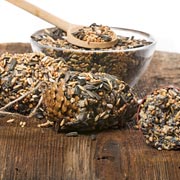
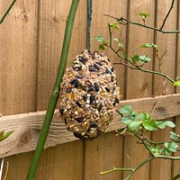 Another type of bird feeder that is both fun and easy to make is a pine cone feeder. All you need is a big pine cone, ideally with the cone splines open, a birdseed mixture and either peanut butter*, suet* or lard*. All your child needs to do is paste the peanut butter (or suet or lard that’s been safely warmed to soften it) all over the pine cone, including into the open splines. Then the whole thing can be rolled over your seed mixture, so the seeds stick all over the pine cone. Once complete, the pine cone feeder can be hung with a piece of string in an appropriate place outside. Even better: hang several together so the birds can’t miss them. The birds will love pecking them when they’re hungry.
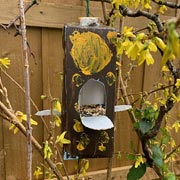 Bird feeders made from recycled cartons can be great fun, fairly easy and can be quite creative. All you need is an empty milk or juice carton, by which we mean the card ‘Tetra Pak’ type, plus some bird seed/food and some string. Parents will need to help younger children safely attach the string to the tops of the cartons and cut flaps/openings into the sides of the carton. These can be folded down, as shown in the photo, and suspended outside somewhere suitable for the birds. For extra creative fun, children can first paint patterns, designs or even faces on the cartons. This type of bird feeder is great because it not only holds the bird food but also potentially gives birds somewhere safe to land while feeding. As they were originally for holding liquid, they can alternatively be used to hold drinking water for birds — or perhaps children can make one for food and another for drinking water.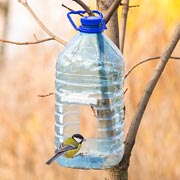
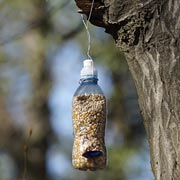
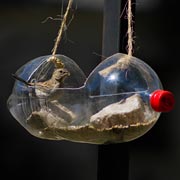 In a similar way, clear plastic bottles can be used as bird feeders or for water. The same approach can be used but flaps are not advised as they’re trickier for children to fold and also plastic bottles will have sharper edges than the carton approach above. So, this particular type of bird feeder needs extra supervision from a parent or adult. Take a look at the photos to see what’s possible, though. One photo (the first small image at the start of this article) even shows a plastic spoon that’s used as a landing platform and seed dispenser, all in one. Once finished, plastic bottle feeders tend to last a long time, so long as they’re regularly cleaned and refilled.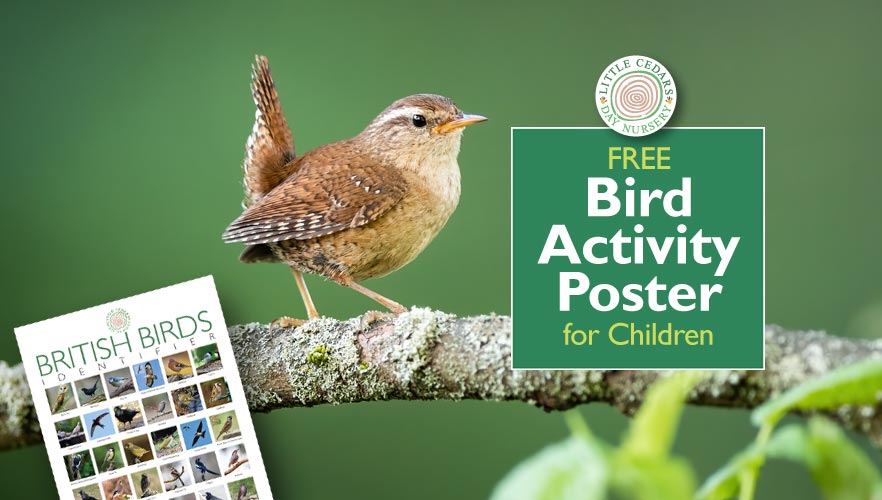
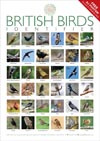
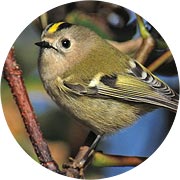 Spring arrives in the UK on 20th March, according to the meteorological calendar. As well as plants beginning to shoot, daffodils flowering and trees starting to bud, an increased number of wild birds can now be seen too. While a few overwintered here in England, many will have spent winter abroad, where it’s warmer, and only begin to return to the UK once spring begins. So, come springtime, more and more varieties of birds can be spotted — and that’s what today’s post is all about. To encourage children to appreciate, enjoy and learn from nature, we have put together a bird identifier poster that children and parents can download for free, print out to A3 or A4, or view on screen in beautiful high resolution. It highlights 37 species of bird that are popular in England, which children can try to spot as the days and weeks go by. Children can perhaps tick off each type of bird that they spot. With a little help from parents for the youngest children, this activity is a great way to teach them the different bird names and help them to recognise the different types as time goes by. It’s also a great children’s pastime that will encourage them to really appreciate nature. The A3 poster is free to download and share — simply click the preview image below to save or view it in Acrobat PDF format. Enlarge on screen for extra detail or simply print out as large as you can. Children will love this activity and feel a real sense of achievement as they learn more about these wonderful, feathered visitors.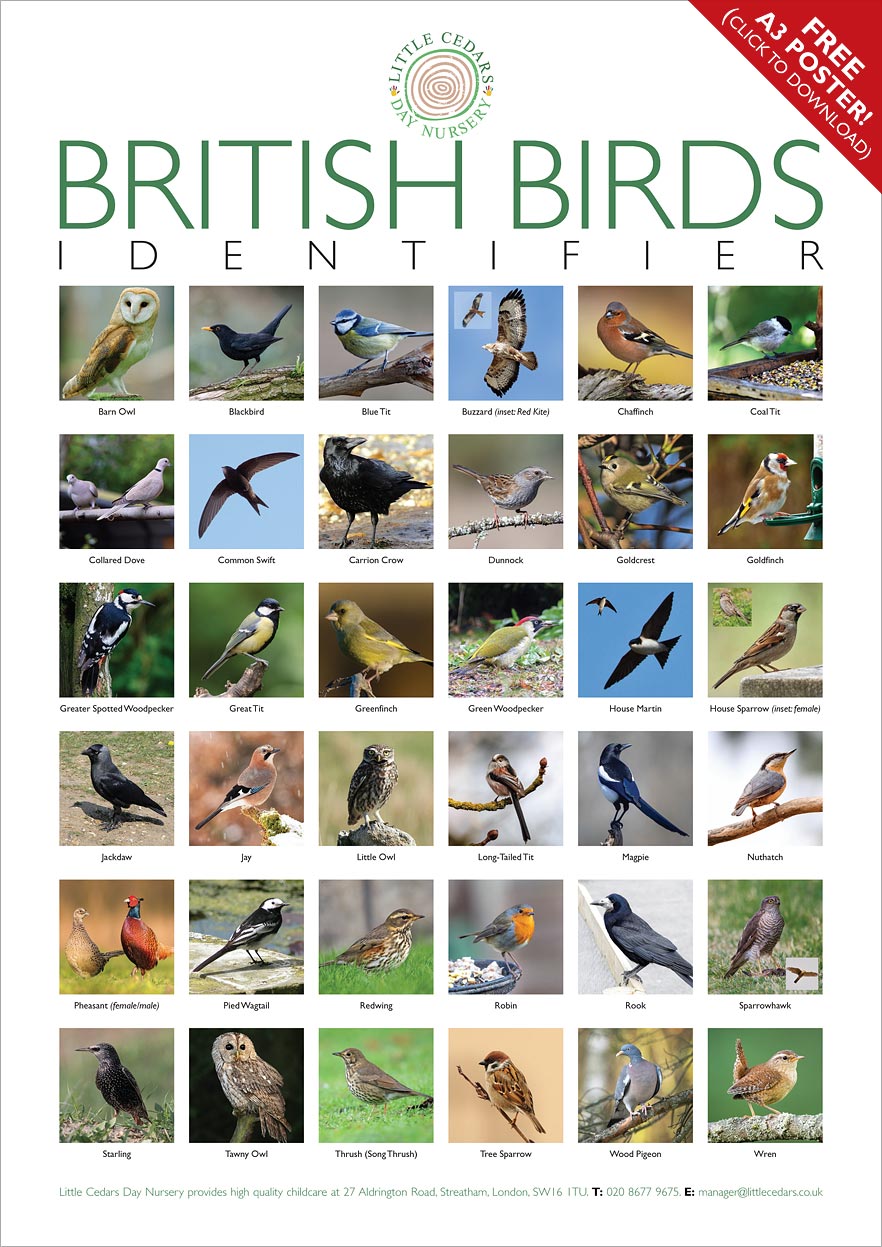
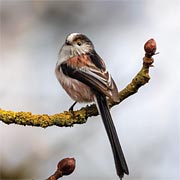 We’ve selected our favourite birds from the hundreds of species that visit the UK each year. There was no way to fit in all of them, so we’ve picked out the most common visitors to our own gardens and nearby parks. In addition, we also added a few extra birds that would be great for children to keep a lookout for, despite a few being shy. Owls are around, for instance, coming out mostly at night. However, barn owls can be seen before dark if you know where to look (the sound of owls hooting or screeching is a dead giveaway). Buzzards, Red Kites and Sparrowhawks are more likely to be seen in the sky overhead, so we’ve shown images where their distinctive silhouettes can give their species away to the onlooker.