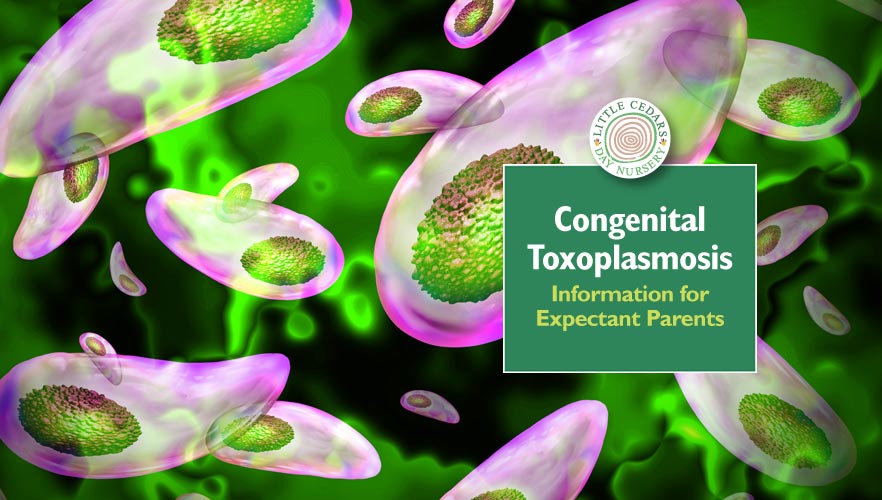
With a new baby on the horizon, pregnancy is often a time of excitement and anticipation. However, it is often also a time for heightened awareness around health and safety matters — and rightly so. Indeed it’s instinctive to want to protect both the expectant mother and the unborn child. While many expectant parents are familiar with common pregnancy risks, one lesser-known yet serious threat is congenital toxoplasmosis. This parasitic infection can have devastating consequences for unborn babies. In today’s post, we’ll explore what congenital toxoplasmosis is, the risks it poses, and practical steps pregnant women and families with young children can take to minimise exposure.
What is Congenital Toxoplasmosis?
Toxoplasmosis is an infection that’s caused by the parasite Toxoplasma gondii. While the infection is often harmless and asymptomatic for healthy adults, it becomes particularly concerning when a pregnant woman contracts it, as the parasite can cross the placenta and infect the developing baby. This is known as congenital toxoplasmosis.
How Common is Congenital Toxoplasmosis?
According to the pregnancy and baby charity Tommy’s, approximately 350 people are infected by toxoplasmosis each year in England and Wales. So, the chances of infection during pregnancy are small. However, this article is inspired by a real-life case where such an infection occurred during pregnancy. Sadly, the adverse effects for the child were severe and permanent.
What are the Risks to Unborn Babies & Young Children?
The timing of any exposure to the Toxoplasmosis gondii parasite during pregnancy affects both the risk of transmission and the potential severity of the effects on the foetus/child. While the transmission risk is lower during early pregnancy, the possible adverse effects for the developing foetus are much more severe. Conversely, the risk of transmission to the child is higher in late pregnancy but the potential effects may be milder or appear later in their lives. Depending on the timing, therefore, the risks to the child could be anything from mild effects that appear later in life to something as severe as brain abnormalities, eye damage, or even stillbirth. Other potential effects include seizures and neurological issues, miscarriages, hearing problems, learning disabilities and more. It is therefore incredibly important for expectant families to understand how to avoid toxoplasmosis infection.
“If you get toxoplasmosis while you’re pregnant it can cause miscarriage. If it spreads to your baby it can cause serious complications.” — NHS
How Pregnant Women Can Reduce The Risk
Preventing toxoplasmosis during pregnancy is crucial. Here are key measures expectant mothers should take:
Food Safety
- Avoid touching and/or eating raw or undercooked meat, especially lamb, pork and venison.
- Avoid touching and/or eating cured/dried/smoked meats like salami, Parma ham etc.
- Avoid handling and/or eating raw or undercooked oysters, clams and mussels.
- Ensure that fruit and vegetables are thoroughly washed.
- Avoid unpasteurised dairy products that may carry the parasite, especially those containing unpasteurised goat’s milk.
- Wash hands, kitchen surfaces, and utensils, especially after handling uncooked meat or indeed any of the above.
Pets & Animals
- If you are pregnant and own a cat, avoid changing the litter box yourself. If that’s not possible, ensure that you wear protective gloves while doing so and thoroughly wash your hands once you’ve finished.
- Consider keeping pet cats indoors during pregnancy to prevent them from hunting infected rodents or birds.
- Don’t give pet cats uncooked or undercooked meat.
- Avoid contact with sheep, especially pregnant sheep and lambs.
Hygiene and Environmental Care
- Always wash your hands after gardening or handling soil.
- Wear gloves while gardening or handling sandboxes (sandpits may be contaminated with cat faeces).
- Ensure meat is cooked to safe and sufficiently high temperatures.
Protecting Young Children from Infection
For families with toddlers and young children, it’s important to maintain hygiene practices to reduce exposure:
- Teach children to wash hands after playing outdoors, handling pets, and before eating.
- Cover outdoor sandpits to prevent contamination by neighbourhood cats.
- Ensure family meals follow proper food safety guidelines.
The Cat Myth
Many who have heard of toxoplasmosis believe its cause is linked primarily to cats. While cats are a host for Toxoplasma gondii and it can be contracted through contact with their faeces, they are not the most common way people get infected. Most often, contaminated food (such as undercooked meat, unwashed vegetables, or contaminated water) is the primary source of infection. Pregnant women should therefore be cautious about handling soil, raw meat, and unpasteurised dairy — not just cats. The NHS itself says:
“You cannot catch toxoplasmosis from stroking a cat, having a cat as a pet or from coming into contact with someone who’s got it.”
Stay Vigilant
Congenital toxoplasmosis is a serious but preventable condition. If they take the proper precautions, expectant mothers and families with young children can significantly reduce their risk of infection. Awareness and education are crucial, so feel free to bookmark and share this information with loved ones to help protect future generations. Learn more about toxoplasmosis and its symptoms here.
Little Cedars Nursery, Streatham, London SW16
A high-quality childcare service for your child at Little Cedars Nursery in Streatham

Little Cedars Nursery is a first-class nursery and preschool in Streatham in London’s SW16 postcode. The childcare setting offers high-quality weekday childcare for babies, toddlers, and children under five and opens virtually all year round. All major childcare funding options are supported and the nursery has ‘Good Provider’ status from Ofsted.
Find out more about Little Cedars Nursery in Streatham by choosing a button below. We’re here to show you around, answer questions, and welcome your child to this wonderful Streatham nursery.
Important Notice
These are introductory guidelines only — parents/guardians will need to do their own comprehensive research to learn more. They may also wish to consult our related tips on food safety and hygiene around children.
 With all the food and feasting associated with Christmas, it got us thinking about food hygiene and safety for children. Aside from keeping alert to possible allergens, parents need to be careful to ensure families remain safe from illnesses caused by food hygiene mishaps. After all, such illnesses can be particularly dangerous to little ones, who are fragile, but can be largely avoidable when good hygiene measures are taken. With that in mind, today’s post outlines various ways in which parents can stay on top of hygiene around the preparation of food for their children. And, of course, such measures will keep adults safer too.
 Ensuring the food preparation environment is clean and hygienic will reduce the chance of microbes, including germs and viruses, contaminating food. Wiping down with warm, soapy, water on clean dish cloths is ideal for many such tasks. Anti-bacterial sprays are useful but should not be allowed to contaminate food, plates and cutlery etc. directly or indirectly.
 Only feed children, especially babies and under-fives, age-appropriate food/meals. This is very important because many foods contain too much salt, sugar and saturated fats for young children. Some other foods can contain dangerous levels of toxins or even heavy metals.
 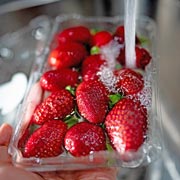 Always thoroughly wash vegetables, fruit and salads and, when appropriate, peel vegetables before use.
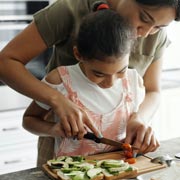 It’s hugely beneficial if children learn about food safety and proper hygiene associated with its preparation. Such things are useful life lessons and will help to keep them more safe and free of illnesses and nasty bugs. Teach them by example whenever possible. A great start is to encourage them to thoroughly wash their hands and fingers with warm, soapy water before preparing or eating food. They should also be encouraged to sit down at the table and be in a calm state before eating. This will help to better ensure food does not become contaminated or knocked onto a dirty floor. It will also reduce the chance of the child choking on food.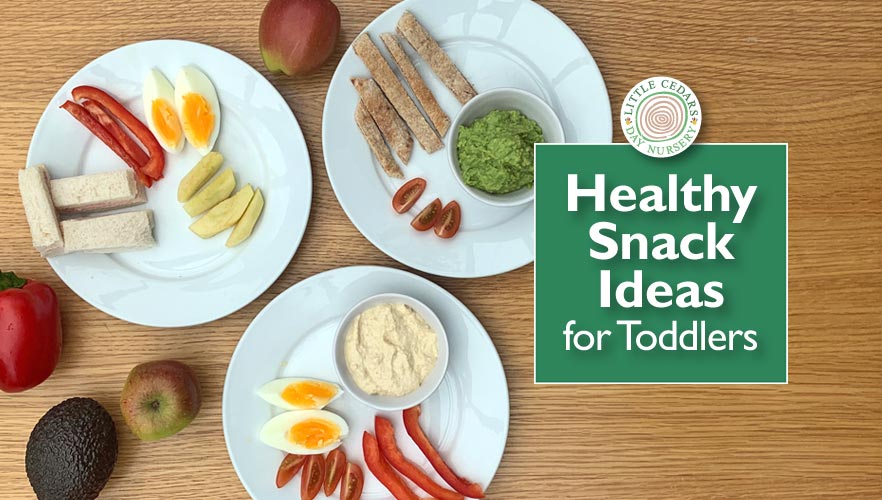
 The NHS
  Try small, finger-sized watermelon sticks; they’re delicious, nutritious and refreshing for your little one.
 Consider using soft-cooked carrots, peppers, or cauliflower in finger-sized stick form, or even broccoli florets. Cucumber sticks are also an option but don’t require soft-cooking.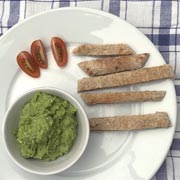
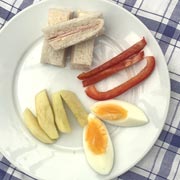 Another firm favourite with toddlers is a hard-boiled egg sliced into holdable fingers. Such slices are rich in protein, vitamins, and minerals.
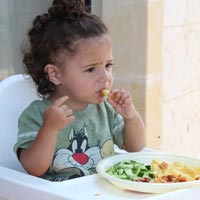 It can be frustrating when children refuse to eat particular foods, often seemingly for no apparent reason. Much of it is new to them, though, if they’ve only recently been weaned off milk. So, firstly don’t get stressed about it. Refusing certain foods initially is quite normal for the very young. Often, all that is needed is a strategy for dealing with finicky eating and a little patience. Let’s take a look, today, at measures parents or carers can take to manage children who are fussy eaters. After all, it’s imperative that they have a healthy, balanced diet.
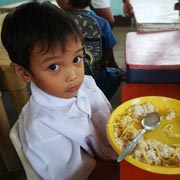 Similarly, some foods are an acquired taste, i.e. one that’s initially not liked, but is later appreciated and enjoyed. Avocados have a taste that’s quite subtle and delicate, for example. Because of that, some youngsters think they are bland — but may well love their subtle flavour and texture once they’re older. That’s an acquired taste. So, again, it’s worth encouraging your child to keep trying foods even if they don’t think they like them in the beginning.
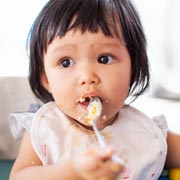 If your child loves one food but not initially another, try using food bridges. This is when you pair one food with another food that you know they already like. You can start small and gradually increase the amount of the ‘new’ food. Adding cheese to potato or pasta is one example. Adding a small garnish of finely chopped herbs, vegetables or even fruit to pasta, rice, pulses or meat is another. These may slip under the child’s radar and this will help with gradual acceptance.
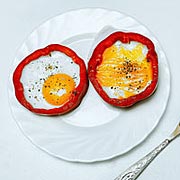 You could even make the food into fun pictures, all entirely made of the food you want them to eat. For example, peas could be made to represent a hill, broccoli could represent a wooded area, the yolk of a fried egg could represent the sun and so on. This approach will help children to see a fun aspect of food, and to engage more directly with it.
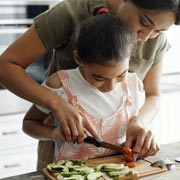 You could even get children involved in the creativity and choices around food. With the requisite care around safety, you could involve them in food preparation, choosing foods, deciding how they are displayed on the plate and so on. This will again get them more engaged around food and make it into a fun, creative activity. Children will love that. Remember, though, that this should only be taken so far. After all, you do not want to encourage them to always ‘play’ with their food.
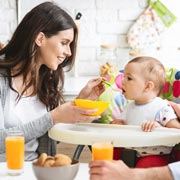 When your child eats something that they’ve not been keen on eating before, give them positive feedback as this will encourage them. A well done here and a good job there will sometimes do wonders.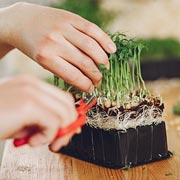
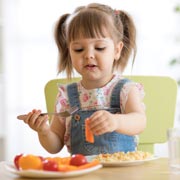 At Little Cedars Nursery in Streatham we know how finicky young children can sometimes be. So, we too occasionally employ some of the tactics described above. After all, food and a healthy, balanced diet is important and never more so than in children’s formative years. Study after study has shown this to be the case. Read our
 Our
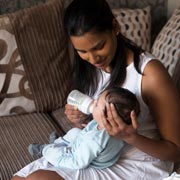
Our 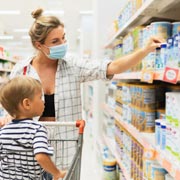 The variety of formula milks is surprisingly large, not helped by the fact that different brands call some of them by different names. Some products and names also seem to have been developed in order to cover small niches, many of which are actually already adequately covered by larger, existing product lines (‘Toddler Milk’ and ‘Growing-Up Milk’ are two examples cited by the NHS). Then add in the fact that many are sold as liquid and also as powder that needs to be made up. The choice can be overwhelming, which is where the following guide can help …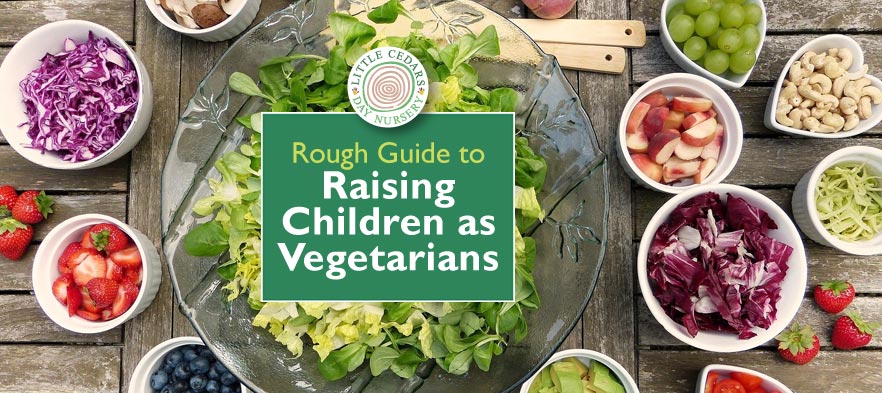
 In our last post, we asked
  For those on dairy-based formula milk, it’s pretty much plain sailing too. Because vegetarians — as opposed to vegans — are OK eating dairy-based food, formula milk is generally fine for them. The most popular types are based on cows’ milk, although several other animal milks are also available. So long as dairy-based formula milk is high quality, given in the right quantities, consumed at the right intervals and is age appropriate for the child, it contains all the nutrients and vitamins needed. That’s without the need to give additional supplements too.
 Fruit and vegetables are really a given because they pack so much goodness, including many vitamins, minerals like potassium and also fibre. Fresh vegetables and fruit are ideal but, failing that, frozen, tinned and even dried varieties are also OK.
 Tofu, also known as bean curd, which is made from soy.
 any pulses, seeds or grains should be sprouted, cooked or soaked before consumption (as appropriate);
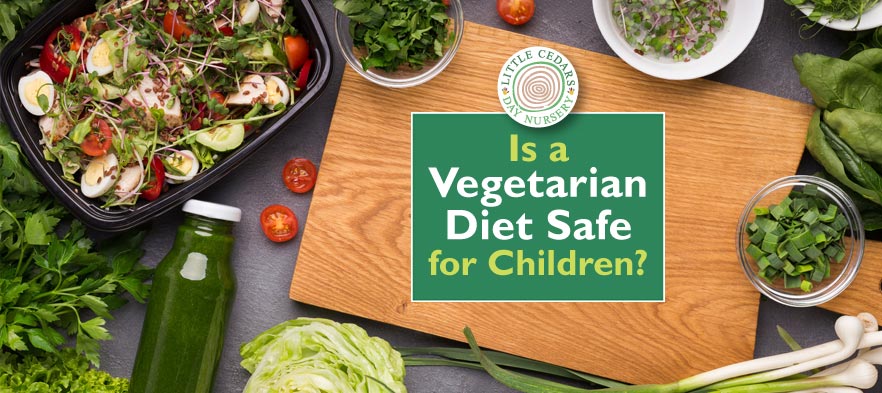
 Let’s first take a look at the benefits of vegetarianism …
 is linked to a reduction in symptoms for those with asthma;
 Scientific studies conclude that switching to a vegetarian diet will help the planet enormously. That’s because significantly less greenhouse gas is produced in growing crops compared to raising livestock. What’s more, scientists believe that the necessary reduction in green house gas emissions will be achieved far more swiftly through a widespread switch to vegetarianism than through what’s currently just a gradual shift away from the burning of fossil fuels. Growing crops rather than animals also causes far less pollution in waterways and oceans and also uses significantly less water. The benefits of vegetarianism to the planet are simply enormous.
 Is a Vegetarian or Vegan Diet Safe for Children?
 Back in April last year, we wrote an article about
  Microgreens are great fun and extremely easy for children to grow. Once ready, they can be used rather like salads and garnishes. They are very tasty and are extremely nutritious.
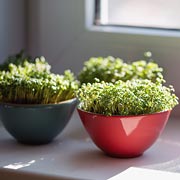 Microgreens are traditionally grown in shallow seed trays, which are inexpensive to buy. However, at home, they can just as easily be grown in flower pots, used yoghurt pots, empty egg cartons, the trays from ready-meals or even cut-down cardboard cores from kitchen rolls. So long as water is allowed to drain from them and they can support at least a shallow depth of compost, these can all be suitable. Plastic cartons will need a few holes punched in the bottom to allow for drainage, so parents might need to organise that in order to avoid their children hurting themselves. Other than that, it’s plain sailing for supervised children to do themselves.
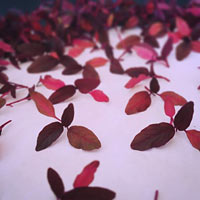 Suitable seeds include: rocket, a type of strongly-flavoured lettuce; beetroot, with their lovely red stems and mild, earthy taste; spinach, which also has a mild flavour and is full of goodness; red cabbage, which is also rich in a variety of vitamins and minerals; fennel, which will have a distinctive aniseed flavour; broccoli, which will grow into sprouts that have a slightly spicy taste; radish seeds, which also grow into leaves that taste a little fiery; and also mustard seeds (for children who are OK with even more hot, spicy flavours).
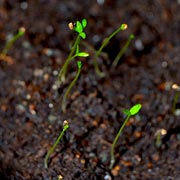 First, your child should fill the seed trays, flower pots or equivalent, almost to the top, with some compost.
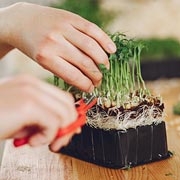 As as shoots begin to appear (usually after just a few days), remove any covering if used and continue to ensure that the compost is always kept moist, but not over-watered.
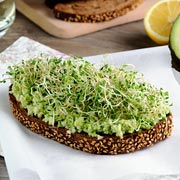 Once harvested, they should be rinsed to get rid of any stray compost. They are delicious to eat and, depending on the seeds grown, have a huge variety of tastes and colours. Children and parents alike can benefit from the nutritious and tasty shoots as part of a variety of meal types. Full of vitamins and minerals, they can be used in salads, as pizza toppings, garnishes, toppings for risottos, soups and pastas, as fillings in sandwiches, sprinkled on top of baked potatoes or into burgers and much more. They’re very adaptable and, with their distinctive tastes and textures, will make any meal really special.
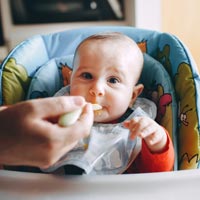 Also known as complementary feeding, weaning is an important milestone for any parent or baby and usually occurs when the baby reaches the age of about 6 months. Sometimes babies simply tire of milk and weaning thereby comes naturally. In other cases, a baby needs a bit more encouragement to make their transition towards solids. Here, we’ll explore the whole topic of weaning in more detail, including ways parents can help to make the transition smoothly and stress-free for all parties.
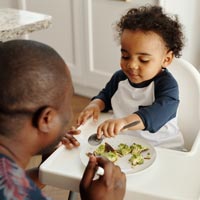 Weaning should be fun and it’s also the only time in a child’s life where they won’t have any preconceived ideas about what foods they “do or don’t like”. So, parents can experiment, within reason of course. It’s a time when introducing new foods to the baby comes naturally once the baby has caught on to the idea of this new experience.
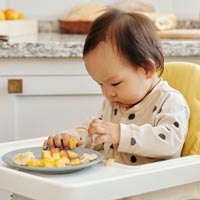 Don’t rush it; set aside some time with baby so it’s relaxed, otherwise everyone can get stressed, especially initially.
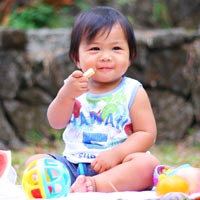 You can later move on to whole, (adult) finger-sized pieces of very soft fruits that baby can learn to hold. However, do read the Health & Safety Considerations section below before moving to un-mashed foods.
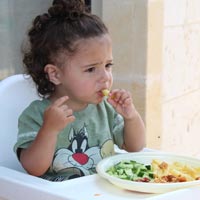 Huge care needs to be taken to avoid giving infants anything that’s going to represent a potential choking hazard. Whole grapes, cherry tomatoes or anything else of a similar size would be examples of this as they are perfectly sized to block a baby’s airway if not first chopped up. Also avoid anything hard like nuts, raw vegetables or un-mashed apple and ensure that any pips/seeds/stones are removed from fruit and bones are removed from fish or meat.
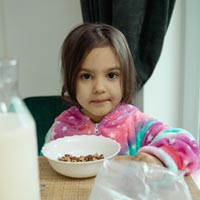 Always try to maintain a varied diet for the infant, so they get all the vitamins and nutrients they need as they intake less and less milk. Ensure the foods contain sufficient iron, which can be sought from fortified cereal, fish, milk, dark green vegetables, lentils and beans. Giving them finger foods to hold and eat themselves is a great way to encourage them to feed themselves (under supervision, of course). As they grow older they can be encouraged to eat at the family table with parents/siblings and eventually upskill to using cutlery, along with eventually learning the rules around good table manners etc.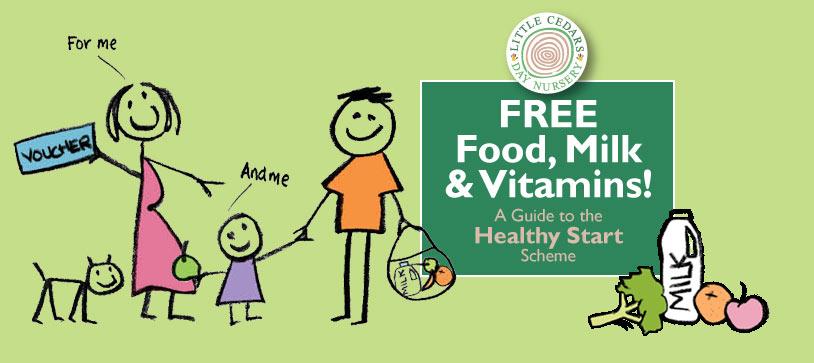
 Are you pregnant, or a parent with a child under four? If so, your family may be eligible for free healthy food, milk and vitamin supplements. In England, some of these free items are available under the ‘Healthy Start’ scheme, which we’ll explain in this quick-start guide.
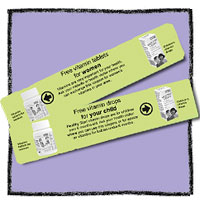 Eligible individuals can get the following, absolutely free:
 The infant formula milk:
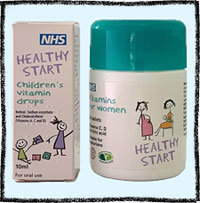 These free vitamin supplements are important for pregnant women, breastfeeding mums, babies and young children because many are deficient in them at this stage in their lives.
 In order to be eligible for Healthy Start vouchers, you need: