
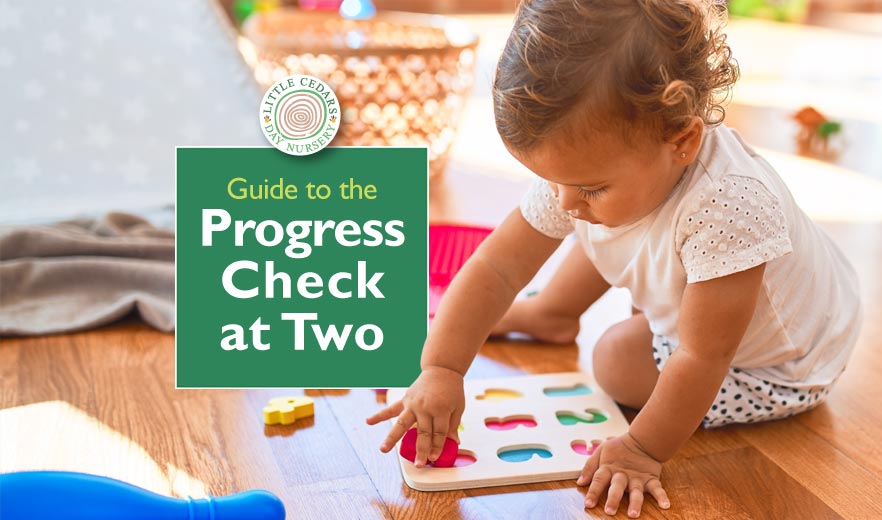
At Little Cedars Nursery, we understand the importance of monitoring growth in children’s learning and development and ensuring they are reaching their full potential. With that in mind, today’s article is a detailed guide to the Progress Check at Two. An essential milestone in children’s early development, the assessment leads to profound benefits for young children. So, today, we will walk you through everything you need to know about the Progress Check at Two, its purpose, what to expect, and how parents* can actively participate.
The Purpose of the Progress Check at 2
The ‘Progress Check at 2’ is a comprehensive evaluation conducted for children who have reached the age of two. This assessment, completed prior to their third birthday, examines their progress across various essential areas of their learning and development journey. Its primary aim is to identify any areas where additional support or intervention1 may be needed. By closely monitoring children’s progress, early years providers can tailor their approach to meet each child’s unique needs and thereby ensure children’s optimum growth and success.
1. In cases where specific educational needs or disabilities are identified, a collaboration between the childcare provider’s Special Educational Needs Coordinator (SENCo) and relevant health professionals or specialists will be built into the support plan that’s tailored to the child’s requirements.
The Significance of the Age of 2
The age of two is a pivotal period in a child’s development. It is during this stage that a child’s progress in learning, speech, language, cognitive abilities, physical growth, and social-emotional development becomes increasingly clear. Ensuring that each area is developing optimally at this early stage will have long-term benefits for the child, so it is important to confirm that everything is on track. A solid foundation for the child’s long-term growth and success can then be built.
Key Areas of Focus
The Progress Check at 2 concentrates on children’s progress primarily in the three ‘prime’ areas of the Early Years Foundation Stage (EYFS) framework. These are:
- Communication and Language,
- Physical Development, and
- Personal, Social and Emotional Development.
However, those involved in conducting the assessment often also evaluate children’s progress in the remaining four ‘specific’ areas of the EYFS curriculum. These are Literacy, Mathematics, Understanding the World, and lastly Expressive Arts and Design.
Preparing Children for School
Initiating the Progress Check at 2 and providing early support increases the likelihood of children overcoming developmental challenges before starting school. This proactive approach prevents setbacks during this crucial period in children’s lives. Without such intervention, children may face difficulties at the beginning of their educational journey, potentially hindering their overall growth and learning long into the future. Without a doubt, the Progress Check at 2 is vital in facilitating a smooth transition into school and fostering children’s long-term success.
Who is Involved?
The Progress Check at 2 is a collaborative effort between a child’s early years childcare provider, their parents and, if applicable, their health visitor and any external professionals that may be involved in the child’s early years learning and development.
The Role of Parents in the Progress Check at 2
The importance of parental involvement during a child’s early years education cannot be overstated. Such involvement is particularly invaluable to early years educators and childcare providers during the progress check. Ultimately, it is also crucially important to the child being assessed. Parents are therefore encouraged to share any observations or concerns that they may have regarding their child’s development. Their insights, combined with those of the child’s childcare/early years provider and those of any external professionals (if applicable), create a holistic picture of a child’s growth and progress. It thereby enables providers like Little Cedars Nursery to organise tailored support to address children’s specific needs most effectively.
The Report
Following the assessment, parents will receive a written summary of the report. This outlines their child’s achievements, strengths, and any areas for further development. The report serves as a valuable tool that allows all involved parties to track a child’s progress over time and to devise a plan of action to support their individual growth trajectory. It also serves as a basis for ongoing communication and collaboration between the childcare/early years provider and the child’s family.
To Sum Up
The Progress Check at 2 is a significant milestone in every child’s early development journey. At Little Cedars Nursery, we are committed to fostering a supportive and engaging environment that nurtures each child’s unique abilities. By actively participating in the progress check process, parents are ensuring that their child receives the necessary support and resources to absolutely flourish. Together, we can help children reach their full potential and prepare them for a successful educational journey ahead.
Little Cedars Nursery, Streatham
Little Cedars Nursery is a ‘Good Provider’ of Childcare & Early Years Education in Streatham


Little Cedars is a good nursery — and that’s official, says Ofsted! Our nursery and preschool are in Streatham, SW16 but are also conveniently close to Streatham Hill, Streatham Common, Streatham Park, Furzedown, Tooting, Balham, Norbury, Colliers Wood, West Norwood, Wandsworth, Clapham and Brixton. We may therefore suit families living or working in those locations.
At Little Cedars Nursery free childcare is available as all Government childcare funding schemes are supported for eligible families (follow the bold links for more information).
Please choose a button below if you’d like to apply for a nursery place for your child, ask a question or arrange a guided tour to see how well your child would fit in. We’ll be delighted to help!
A Clarification:
The ‘Progress Check at 2’ is Different to the ‘2-Year Review’ — but they’re Intertwined
As well as the ‘Progress Check at 2’, there is another, related assessment called the ‘2-Year Review’. Although both occur around the same age, they each serve distinct purposes. In contrast to the Progress Check at 2, the 2-Year Review is more about the child’s health and well-being. It is undertaken by healthcare professionals such as health visitors and assesses overall health. This includes things like immunisation status, physical and mental development, well-being, and parental support. Although separate, the two reviews share overlapping areas and, for that reason, are often conducted simultaneously. The result is thereby a more comprehensive understanding of the child’s development at this key age.
* To avoid repetition in this article and for the sake of brevity, the term ‘parents’ is used as a placeholder for parents, guardians or caregivers.
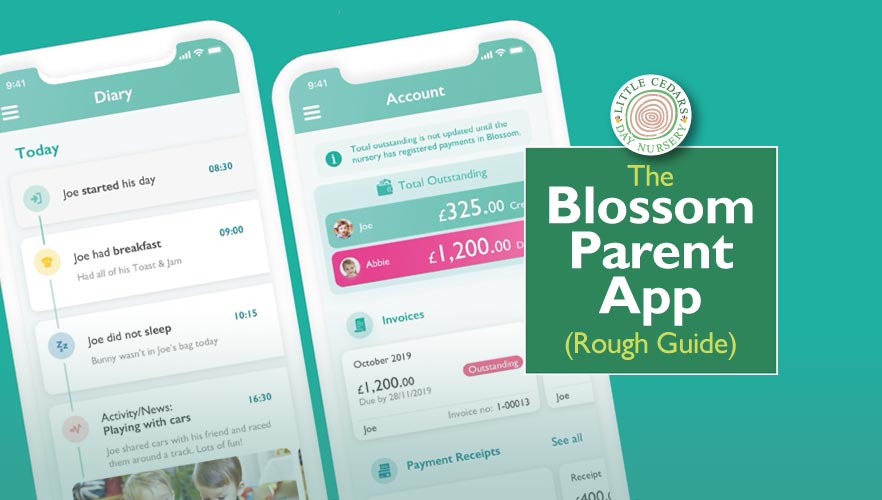
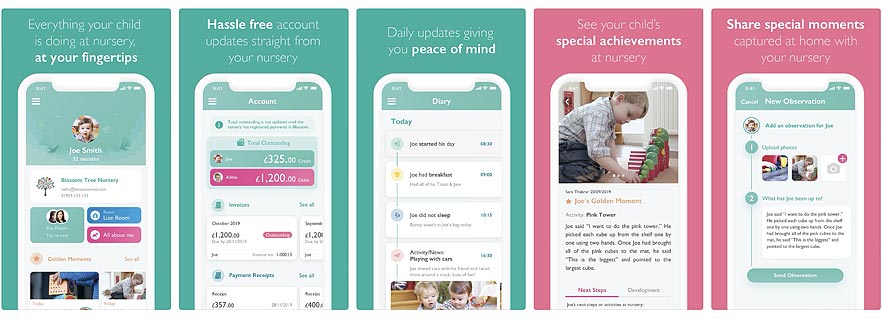
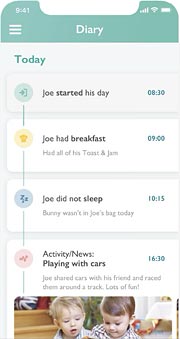
 With the Blossom app, you can get real-time updates on your child’s activities at nursery/pre-school, including nappy changes, meals, naps, and developmental moments. You can also view photos and videos of your child’s day, helping you feel connected to your child even when you’re not there.
 The Blossom app also provides a useful mechanism for booking non-standard childcare sessions that fall outside of your child’s usual days and hours. With the app, you simply request a particular session and the childcare provider will see your request and let you know whether it’s approved.
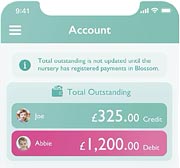 Convenient Payment & Invoicing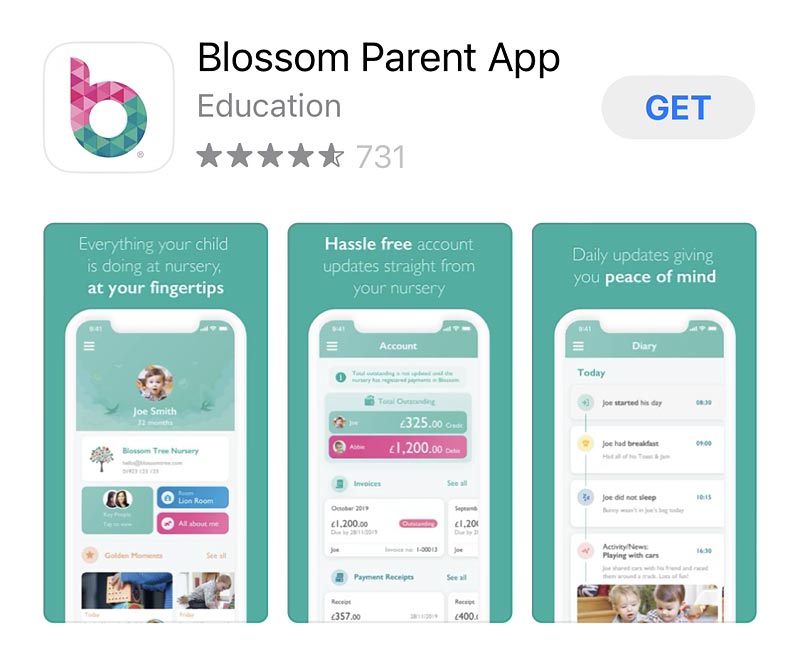
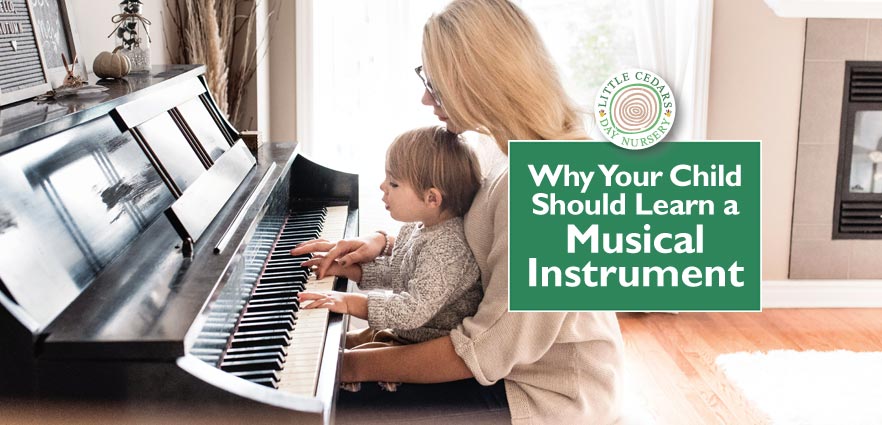
 Both children and adults have a natural affinity with music. It’s one of life’s simple pleasures that just about everyone seems to enjoy in one way or another. Children will naturally start to move, dance, join in or even learn songs that they hear — such reactions seem instinctive to them. Learning to play a musical instrument is therefore a natural next step for them. Indeed, it’s one that parents, guardians and carers should consider encouraging, particularly given how beneficial such an endeavour will be to their child. Learning to play a musical instrument is not simply fun; it profoundly benefits children’s learning and development. With that in mind, we take a look today at the incredible array of benefits that learning a musical instrument poses for children, including under-fives.
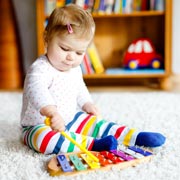 Studies have also shown that learning an instrument or learning how to read music develops the left side of the brain. This area is responsible for processing language and reasoning. Hand-eye coordination skills are also aided when learning to play a musical instrument and reading music. As children’s playing and reading become more advanced, it requires the brain to work at a range of speeds, which is also great exercise for the brain.
 Music gives children a really flexible way of expressing themselves. For instance, the way they choose to bang on a drum, shake a tambourine or strum a guitar can allow them to show happiness, anger, frustration, calmness and many other emotions. Playing a musical instrument gives them a real freedom of expression, even at a very young age. Then, if they reach a point where they are able to make up their own melodies and arrangements, music can become an almost immeasurably powerful tool for self-expression and communication.
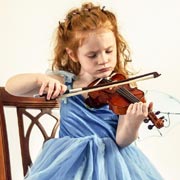 Although playing an instrument is creative, music and maths are very much intertwined. Beats, rhythms and scales are all based on maths and children naturally need to work out some maths in order to understand the song and any sheet music. This will naturally help them to better grasp mathematics and illustrate a real-world example of how it underlies many things.
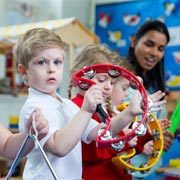 Whether your child is listening to a tutor, teacher, friend or relative, listening skills are very important. Music is a natural way to encourage listening and that’s even more true when children learn to play music themselves. Doing so in their early years will help them to follow instructions, listen out for smaller details as well as the bigger picture. Working together on a piece of music is also a fantastic way to hone group listening skills and teamwork and to encourage collaboration.
 Indeed, music helps to support all 7 focus areas of
  When children master a song, no matter how basic, they get an enormous sense of achievement and even more so if they are praised by adults and peers. Such praise also encourages the child to progress further, of course. Boosting self-esteem and self-confidence in their early years is important for their future wellbeing too. Achieving something through learning, patience and practising regularly also teaches them that persistence and effort will help them overcome challenges. That’s a very important lesson in life.
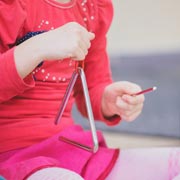 Little ones can first practise keeping in time to music or a beat that an adult is demonstrating, perhaps. Maracas are also good starter instruments although, again, anything that makes a shaking sound can be made at home at zero cost. For instance using an empty carton or plastic container securely sealed with dried rice, pasta or lentils inside. Once they get the hang of such percussive or shaker-style instruments, you can consider transitioning them to more advanced instruments like recorders, ocarinas, keyboards, stringed instruments and so on. Often, children will be more than willing to give such instruments a try and some encouragement and guidance from knowledgeable adults or older children will always be helpful. And, who knows, they could end up being maestros and even stars in the making!
 A childcare nursery should not be thought of only as a crèche, playgroup, or simply somewhere that looks after babies and children while parents go to work. Good nurseries and pre-schools like Little Cedars are so much more than that. It’s incredible just how much they benefit under-fives, families and society as a whole once you take a closer look at everything they do — and that’s exactly what we’re doing today…
 What’s more, staff at childcare settings like Little Cedars will form close bonds with little ones. Studies show that
  Good Ofsted-registered nurseries/pre-schools like Little Cedars also give under-fives a full early years education. That’s important to know. Through a learning and development programme that’s customised to each individual child, we ensure they achieve their own personal bests in all areas of the statutory
  Part of children’s personal, social and emotional development comes through active play with other children that they meet and get to know at the nursery. This is firstly great fun, of course, and that’s a hugely important part of any happy childhood. However, they’ll also learn many things through play. Without socialising with others, it would be more difficult to improve social skills, for example. Only by being around other children will they learn to account for the feelings of others, learn to respect one another and ultimately form close bonds, trust and friendships. Many such friendships will indeed continue long afterwards, as children move to schools at the age of five.
 Another key aim of good early years childcare provision is to prepare children thoroughly for school. Why? Because
  It’s almost as if children are super-charged for success — the benefits of a good early years education are surprisingly long lasting. Some studies even show that the benefits last into people’s working lives, improving salaries (
 Working so closely with babies, toddlers and preschoolers allows us to continually monitor their individual progress. In so doing, we are in a prime position to spot any issues early and to make appropriate arrangements to mitigate them if needed. For example, we may spot that a child is finding reading challenging. If so, we can put extra effort and time into improving the situation for the child. On occasion, that may even include talking to parents about the possible intervention of a specialist of some kind, or it could simply be that they need to practise specific activities to overcome the issue. The earlier challenges or any special educational or developmental needs are spotted, the sooner the child in question can be helped.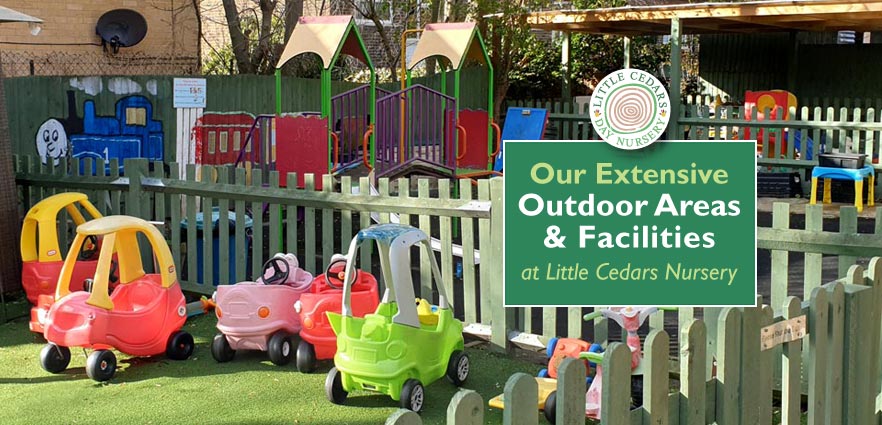
 We have a huge outdoor area for children at Little Cedars Nursery, Streatham. Parents express their surprise when they first see it, regularly commenting that it’s much larger than the outdoor areas of other nurseries and pre-schools in the area. Our extensive outdoor play areas are also packed full of fun, educational play equipment and facilities that our under-five children absolutely adore. That includes areas and facilities set up especially for particular age groups.
 The outdoor ‘mud kitchen’ is a particular hit with children at the nursery. They can enjoy creating in the sand play and water play areas too. These are fun and educational activities —
 As you can see from some of the photographs, the nursery’s extensive outdoor areas include both open-air and undercover areas. That means children can play and explore whatever the weather. Outdoor play is good for children, teaching them some things that simply can’t be taught indoors, so it’s wonderful that many of the outdoor facilities can be used all-year-round.
 Outdoor play at Little Cedars Nursery also supports the Early Years Foundation Stage (EYFS) curriculum. Learning through outdoor play teaches children so much and in a natural way. Outdoor play supports such areas as communication & language, physical development, personal, social and emotional development and understanding the world. Many such lessons come naturally as children play with one another and interact together via outdoor activities.
 Such staff will continuously identify the individual interests and needs of each child and ensure that the learning and development activities they access will benefit them in the optimum ways. The idea is to further strengthen existing areas where children are strong, while bolstering children’s skills in areas that may require extra focus.
 Independent feedback from other parents is worth its weight in gold. In the last five years, Little Cedars has received only 5-star reviews on Google and Facebook. That’s top marks, consistently for 5 years running.* Comments that accompanied these independent reviews were equally compelling — here are just a few examples:
 Little Cedars is a warm, welcoming and nurturing environment. To the babies and children, it very much becomes a home-from-home where they feel safe, valued, cared for and all with wonderful, close relationships with both peers and our childcare professionals. It’s also a place of immense fun where little ones are happy, stimulated and nurtured in order to bring out the best in them.
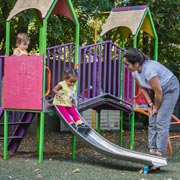 Little Cedars Nursery is extremely well resourced and equipped, both inside and out.
 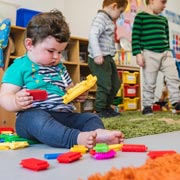 If your 2-year-old is eligible for the Government’s free childcare scheme for this age group, rest assured that Little Cedars Day Nursery supports them and this can potentially give your little one 15 free hours of childcare per week for as many as 38 weeks of the year. That’s 570 free childcare hours per year for your 2-year-old!
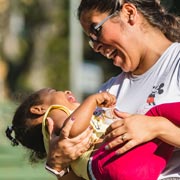 A Key Person is assigned to each child at Little Cedars Nursery. This is an early years practitioner who ensures that the child’s needs are being catered for and that their care at the setting is tailored to them as an individual. They help children settle in when they first join the nursery and build strong relationships with both the child and the parents. They are therefore usually the natural and key point of contact at the nursery.
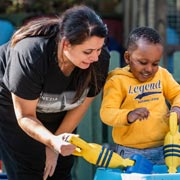 We have a very special team at Little Cedars Nursery. Every one of them has been hand picked to ensure they are the perfect fit for the nursery and for the children therein. They’re warm, natural carers who will form wonderful relationships with children and bring out the very best in them. They become the children’s safe, familiar and friendly faces at the setting as well as facilitating top-notch learning and early years education. They also ensure every child is happy and is having fun whilst under our care.
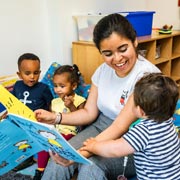 At Little Cedars we do so much more than simply look after babies, toddlers and under-fives. We educate and nurture them too. In fact, we ensure that our little ones achieve personal bests in all 7 areas of
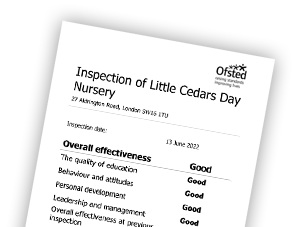 Here’s how Ofsted rate Little Cedars Nursery:
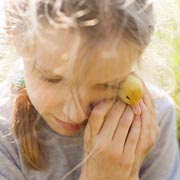 Sooner or later, many parents will consider the possible benefits of pets and whether their child should grow up with one. Mostly, the answer is positive because growing up with a pet can benefit children in many important ways — and really enrich their lives. However, looking after animals is a huge responsibility, not least to the animal itself, so should never be taken on lightly. Today we explore the topic and also outline a couple of animal-related initiatives that we have undertaken at
  On a simple level, pets are incredibly cute and great fun to be around. As such, most children are naturally drawn to them.
 Familiarity with animals and closeness to pets also teaches children respect for other individuals (whether human or non-human), including recognition of the consequences of their actions towards them. It shows them how to care for others too. It can also teach them patience (e.g. when training) and even some of the harder lessons about life cycles.
 Introducing animals like dogs and cats to the household is quite a life-changing thing. After all, they are the kinds of animals that pretty much become one of the family and, as such, require significant time, care and attention for their own wellbeing. They also often live freely within the house and require access to the garden and, for dogs, regular walks outdoors. They are quite an undertaking, so the decision to introduce one needs careful and thorough consideration. Many animals form deep, lifelong bonds and you will become their family just as much as they become yours. So, that lifelong commitment is an important one — they are absolutely not unfeeling objects to be treated like just a toy.
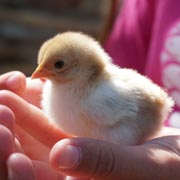 Just like humans, animals need care, proper food, fresh water, friendship, comfort and stimulation. If they don’t get these essentials, they may lead miserable and potentially even foreshortened lives. So, before a family takes on a pet, it’s best to thoroughly research the particular type of animal and exactly what they will require, from food, nutrition and bedding to stimulation (games, exercise etc.), contact with others and medical needs. Families should find out about all these things before taking an animal on. For some types of animal, for example dogs, even the breed and background is important. That’s for the wellbeing of both the pet and the family itself. Remember too that some animals will need training, for example toilet training in the case of cats, dogs and perhaps even ‘house’ rabbits. Some dogs may also require behaviour training. Everything needs factoring in beforehand including things like who will look after the pets while adults are at work, what happens when you go on holiday, who will exercise the dog, clean out the rabbit hutch regularly, feed the rabbit or clean the budgie cage.
 At Little Cedars Nursery in Streatham, we believe that children will learn a huge amount through contact with animals. For this reason, we have our own chickens and rabbits at the setting — and the children adore them! Our rabbits are named Miffy and Bella and indeed naming them naturally encourages children to treat them like individuals rather than something to play with.
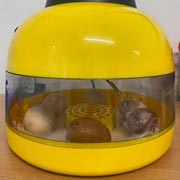 We are also raising some new chickens from fertilised eggs that we currently have in an incubator. We’ll teach children all about the life cycle of chickens with these. Once they hatch, children are sure to love the adorable little chicks that will emerge and they’ll be able to watch them grow up from fluffy chicks to adult chickens. When old enough, the chickens will join our existing, fully-grown chickens that we keep for the children in our animal enclosure outside.
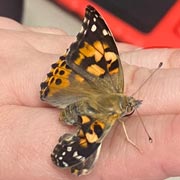 We also have a caterpillar/butterfly enclosure indoors at the setting. Through this, children can follow the incredible life cycle of butterflies, starting off as tiny eggs, hatching into caterpillars, building cocoons and eventually emerging as incredibly beautiful butterflies. This is an amazing metamorphosis for children to witness and teaches them so much about the wonder of the natural world as well as the individual needs of some of its creatures.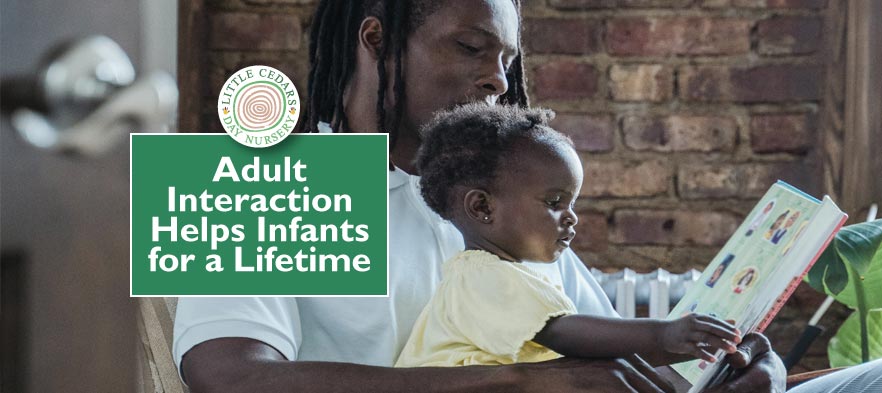
 The Government’s Early Years Foundation Stage (‘EYFS’) framework prescribes how adults should approach the education and development of children under five. As such, it forms the backbone of the curriculum at childcare settings like Little Cedars Nursery in Streatham. The EYFS guidelines were expanded this year (2021) and one aspect of early childhood development discussed therein merits closer exploration: the affect of adult interaction on an infant’s brain development. Here we take a look.
 Their research suggests that constructive experiences will build on and enhance the structure of the brain, whereas “adverse experiences early in life can impair brain architecture, with negative effects lasting into adulthood.”
 The Harvard Center on the Developing Child suggests that parents1 can help babies and toddlers develop their brain architecture in the best way through regular and strategic interaction between adult and infant. They call the process ‘serve and return’. Think of it as a tennis metaphor— we’ll explain. First, the child may indicate an interest in an object or activity. That’s the serve of the tennis ball, if you like. The adult should look out for such indications of interest, recognise them as a kind of invitation from the child and then get involved with that object or activity with the child. Responding in this way is like the ‘return’ of the ball in the tennis metaphor. It’s a great approach because the child is indicating what they are interested in and therefore, when a parent responds through activity involving themselves with the source of interest, the child will naturally get more from the interaction. After all, it was they who first indicated an interest and an adult can now help them to get the most from it.
 Repetition is also important. This helps to reinforce circuits in the brain. Reminding a child several times about something will naturally help them to understand and remember the point under scrutiny.
 The research, as well as a good dose of common sense, shows the incredible importance of parents interacting well with children from the moment they are born. Their interaction and guidance will help the developing child to understand themselves, the world around them, and their place within it. Millions of brain connections are built with every interaction, building healthy foundations upon which the baby will grow into a well-rounded individual with the requisite cognitive, physical, social and emotional skills to handle life. It all comes down to love, responsive and responsible care, with parents matching the infant’s signals and needs with positive, insightful responses. The reassurance and tools such interactions give the infant will allow them to confidently, safely and comfortably explore and learn about the world and, going forwards, their place within it.
 If you are looking for a really good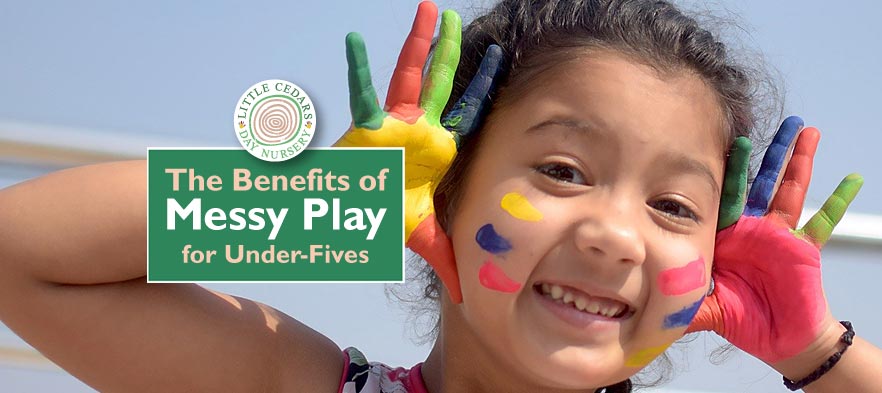
 Being let loose with coloured paints, art materials and creative opportunities is sure to bring a smile to their faces and a sense of enormous fun, creativity and discovery. No doubt too; they’ll be proud to show others their creations!
 As well as being enormous fun, messy play allows children to express themselves in unbounded creative ways. That’s important. Self-expression and creativity will help children to gain a sense of achievement and, through this subtle way, a greater sense of self-worth and confidence.
 Hand-eye coordination will also benefit, of course.
 We fully understand the many benefits of messy play at Little Cedars Nursery, of course. Indeed, it’s part of the curriculum. Under-fives are encouraged to learn through messy play using an enormous wealth of resources, equipment and materials at the setting. That’s both indoors and in our outside play areas. From paint and paper indoors to sandpits and water play outside, toddlers and preschoolers have a wonderful time with messy play at Little Cedars, all in a safe, structured, fun and educational environment.