
20 Amazing Baby Facts
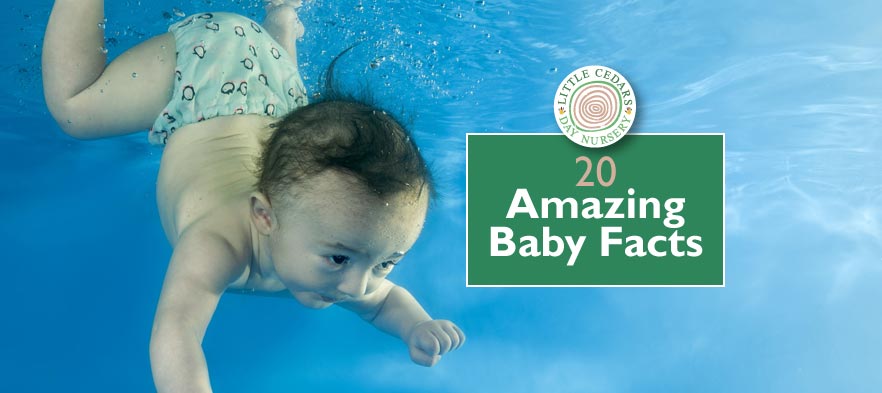
When preparing articles for this website, we often spot interesting baby facts that may surprise people. So, today, we thought we’d share 20 or so of our most surprising discoveries with you. Many are a reminder of just how amazing babies really are!
1. 266 Babies Born Every Minute
Did you know, one baby is born every 0.225 seconds. That’s 266 every minute, almost 16,000 every hour and nearly 384,000 every single day.
2. Rapidly Expanding Brains
A baby’s brain will more than double in size in their first year. By the time they’re five, it will have tripled in size compared to its size at birth. The brain will not finish fully developing, however, until the individual reaches their twenties. The brain of newborn boys may also grow faster in the first 3 months than that of newborn girls. It’s something that’s keenly debated amongst experts, though.
 3. Almost 50% More Bones Than Adults
 3. Almost 50% More Bones Than Adults
Babies are born with more bones than adults. In time, some will harden and fuse together into just a single bone. Babies’ heads have soft spots when newly born, but which don’t last. That’s because various, separate, bones form their skull at birth. Initially these are connected by something called ‘noggin’, but later the separate skull bones fuse together. Babies are born with around 300 bones. By the time they’re adult’s they will have just 206.
4. But No Kneecaps
Babies do not have kneecaps when they’re born! Had you ever noticed? These finish appearing only once the baby reaches at least …
 Following up from our
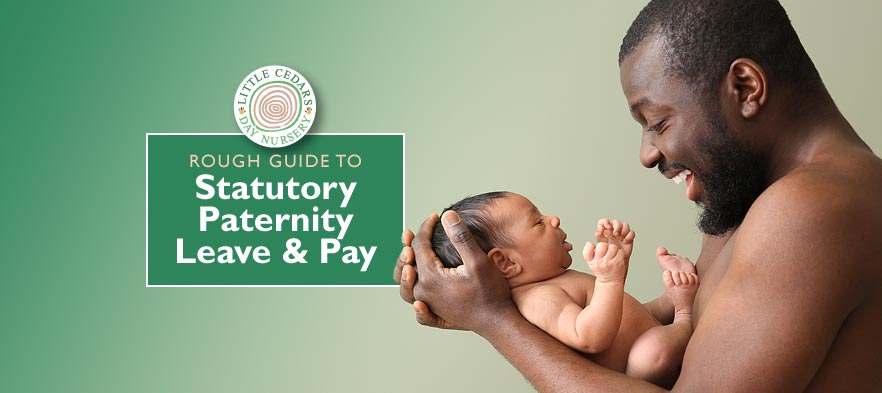
  The father, or partner of the mother, must give their employer at least 15 weeks’ advance notice that they wish to take Statutory Paternity Leave. This can be imprecise, however, given that they won’t be 100% certain which day the child(ren) will be born. If they later change the proposed date, employers must be given at least 28 days (4 weeks) notice of the change, made in writing if requested by the employer.
 Today, we’ll take a look at how much time and money mothers are entitled to under Statutory Maternity Leave and what the eligibility requirements are. We’ll concentrate purely on the rules for mothers who are employees in this post. However, we will follow up to cover paternity leave, shared leave and support for self-employed mothers separately, in future guides.
 Being let loose with coloured paints, art materials and creative opportunities is sure to bring a smile to their faces and a sense of enormous fun, creativity and discovery. No doubt too; they’ll be proud to show others their creations!
 Recent studies show that use of connected screens and devices by children, including under-fives, is growing fast. The pandemic appears to have increased kids’ screen use too, as children have spent more time indoors and less time playing ‘in person’ with friends.

 Streatham was the birthplace, home or workplace of a huge number of famous people. Just a few include:
 Henry Robertson Bowers, one of the explorers on the ill-fated Terra Nova exploration of the Antarctic with Robert Falcon Scott (better known as Scott of the Antarctic), lived in Streatham and attended Streatham High School for Boys in Pinfold Road.
 Super-model Naomi Campbell was born in Streatham in 1970, the maternal daughter of a professional dancer, but never met her father.
 Rapper ‘Dave’ Orobosa Omeregie, also known as ‘Santan Dave’ was born in Streatham and has since scored several top-20 records and a number 1 single, as well as winning several high profile awards. One of his top ten singles was even called ‘Streatham’.
 The fashion designer John Galliano lived in Streatham from the age of six, until moving later to Dulwich and subsequently other parts of London.
 Comedians Eddie Izzard and Paul Merton both have links to Streatham. Eddie used to host a comedy club there, in the White Lion pub. Apparently he often practised his lines when walking around Streatham Common.
 007 Actor Roger Moore lived in Streatham, with his then wife Doorn Van Steyn and her family, when he was just 18.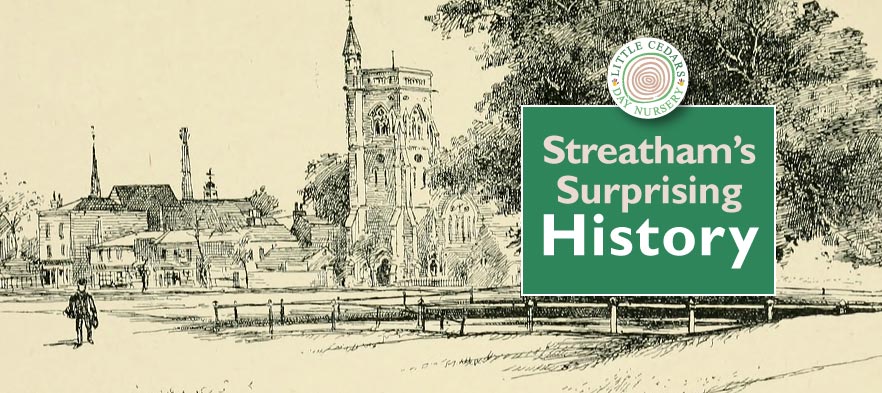

 Despite many dyslexic people being highly intelligent, dyslexia makes it difficult for them to recognise words and/or be able to break them down into their smaller components. It is recognised as a Specific Learning Difficulty (‘SpLD’) and can seriously affect their education if not recognised and addressed early.
 Such an affliction can have profound implications for a person. It will adversely affect their reading, writing and comprehension, thereby limiting their overall learning capability and hindering overall literacy. These are particularly critical skills during their early years as that’s at the start of their education, when the knock-on effects of such limiting factors will be at their most significant. It will slow down their progress in many topics and areas of education, also leading potentially to lower self-confidence and possibly even getting them mislabelled as ‘slow’ or ‘lazy’ by the unenlightened. Ultimately, it can severely limit their potential careers and life outcomes.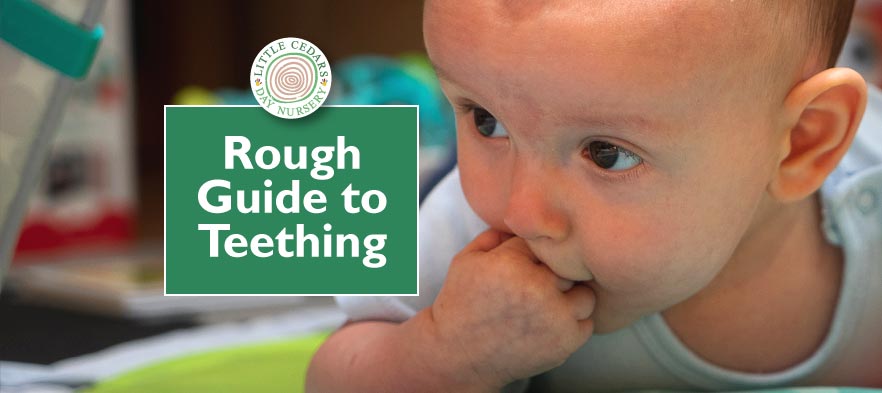
 Teething can be an uncomfortable and painful stage for babies. As teeth start to come through, gums can become sore. Because of this, the little ones can become irritable and emotional, without really understanding why they’re feeling as they do. Every parent will know that having an irritable, tearful baby can be stressful for parents as well as for the baby. With all of this in mind, our Rough Guide to Teething should help parents to help their babies through this difficult stage.
 Along with the bluish-grey colouration in the gums mentioned above, other signs of a teething baby include drooling, sore-looking gums, red cheeks, the baby being tearful, rubbing their ears or chewing hands/toys more than usual. If the baby does drool, ensure that their faces are regularly wiped so as to avoid painful rashes causing further discomfort.