
The Benefits of Breastfeeding

Breastfeeding is nature’s perfect way of giving babies exactly what they need to thrive. Indeed, a mother’s milk is automatically tailored to suit the baby as it gets older, gradually adapting to the baby’s changing needs as they grow. That’s incredible when you think about it.
Breastfeeding has an enormous range of benefits to the baby — perhaps many more than most people realise. What’s more, breastfeeding is hugely beneficial to the mother too. In this article, we’ll explain the many benefits of breastfeeding in detail, so mums are well-informed, enabling easier decisions around breastfeeding and how long to continue it in a child’s early life …
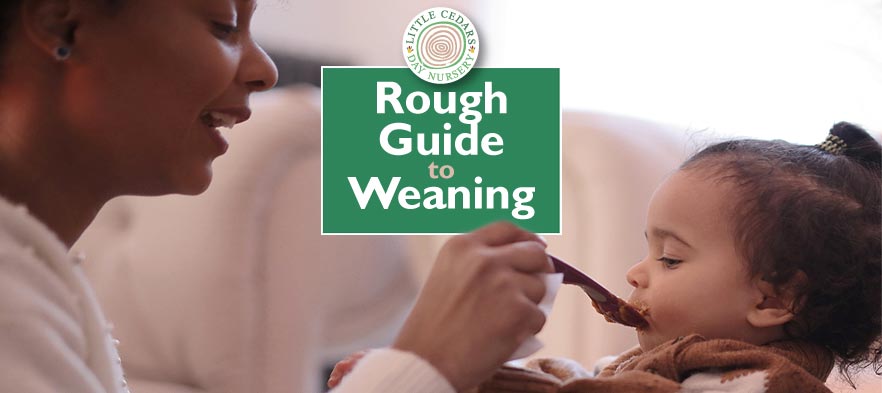
 Also known as complementary feeding, weaning is an important milestone for any parent or baby and usually occurs when the baby reaches the age of about 6 months. Sometimes babies simply tire of milk and weaning thereby comes naturally. In other cases, a baby needs a bit more encouragement to make their transition towards solids. Here, we’ll explore the whole topic of weaning in more detail, including ways parents can help to make the transition smoothly and stress-free for all parties.
 Weaning should be fun and it’s also the only time in a child’s life where they won’t have any preconceived ideas about what foods they “do or don’t like”. So, parents can experiment, within reason of course. It’s a time when introducing new foods to the baby comes naturally once the baby has caught on to the idea of this new experience.
 The EYFS framework sets the statutory approach required for pretty much every aspect of early years childcare and education provision in the UK. The standards cover the learning and development programmes, learning goals, approach to assessment, safeguarding, welfare of children, staffing, and much more. In this guide, however, we’ll focus purely on the 7 key areas of learning and development covered by the EYFS. Essentially, these form the core curriculum at nurseries like Little Cedars Nursery in Streatham. Let’s take a look …

 In April last year, we published a compelling article about



 What are the Recommendations for Early Years Exercise?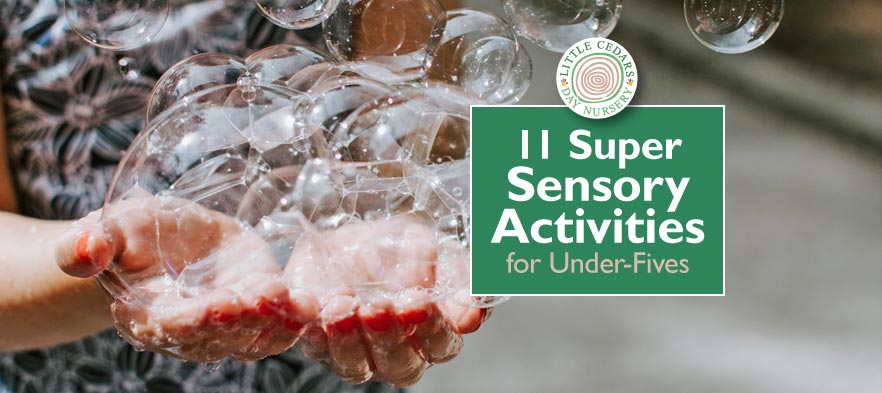
 Sensory Play Ideas for Babies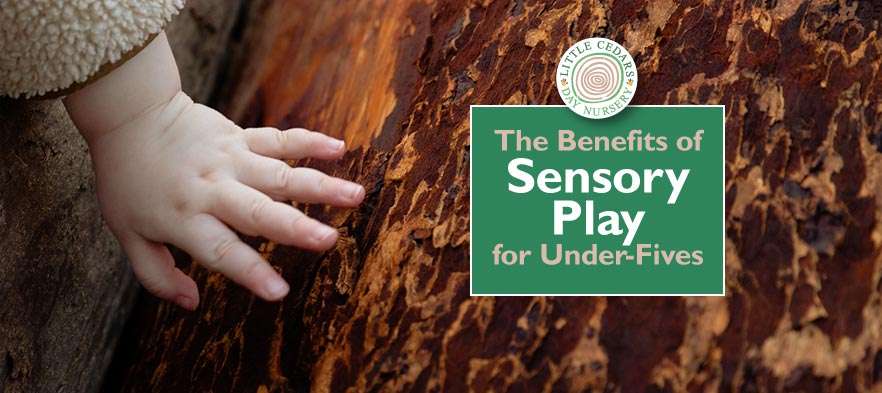
 Sensory play is incredibly important for under-fives. Babies and young children benefit enormously when their play activities stimulate the senses and in this article we’ll explore those benefits in some detail.
 activities that involve touch, where babies and children can acquaint themselves with the feelings of temperature, softness, hardness, pressure, vibration, roughness, smoothness etc.;
 The Benefits of Sensory Play
 A Convenient Nursery Location