
Is a Vegetarian Diet Safe for Children?

This month is often referred to as ‘Veganuary’, which is why vegan and vegetarian food, facts and meal ideas are all over social media at the moment. Parents/carers have many different reasons for raising their children on a plant-based diet. Whether it’s for health reasons, for the protection of animals, to protect the planet, for religious reasons or simply a matter of taste, more and more people are ‘going veggie’. Raising children as vegetarians or vegans is a natural extension of that. Today, we’ll begin to take look at considerations around vegetarianism for under-fives and children in general.
 Let’s first take a look at the benefits of vegetarianism …
The Health Benefits of a Vegetarian Diet
Study after study has shown that a well-balanced vegetarian diet is generally a healthy diet. That ‘well-balanced’ element is a crucial one, however, and we’ll come to that later. That said, it’s widely accepted that a vegetarian diet:
- is good for the heart, reducing the risk of getting heart disease;
- usually leads to lower levels of ‘bad’ cholesterol (LDL), which could otherwise cause strokes;
- reduces the risk of developing cancer;
- lowers blood pressure and reduces the risk of developing …
 Back in April last year, we wrote an article about
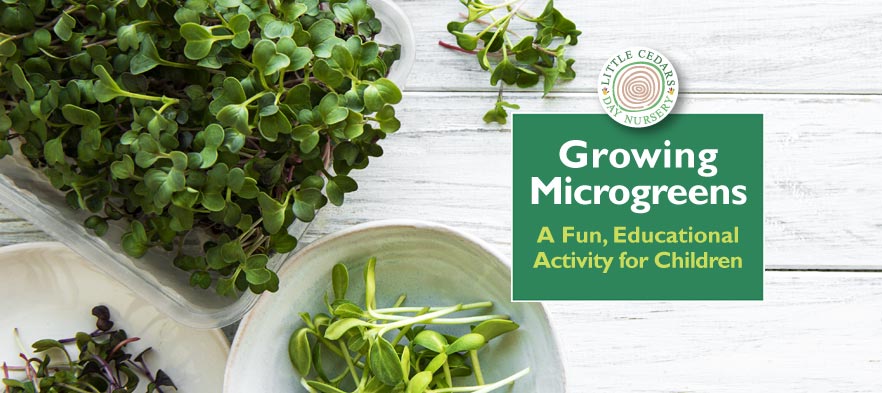
  Microgreens are great fun and extremely easy for children to grow. Once ready, they can be used rather like salads and garnishes. They are very tasty and are extremely nutritious.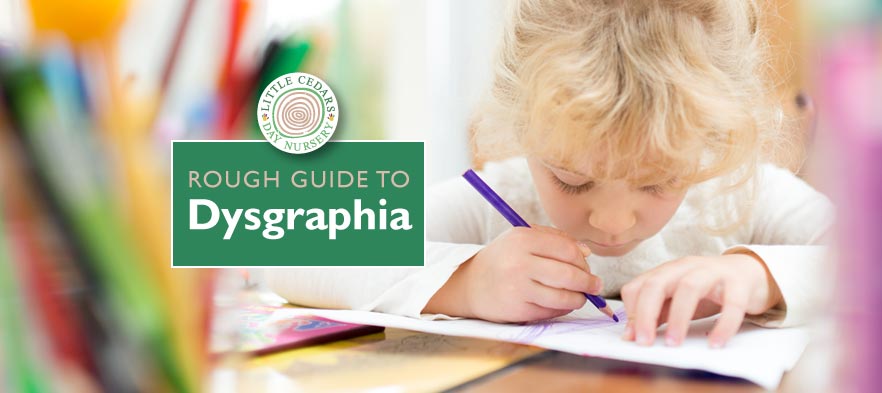
 We previously covered
  Motor dysgraphia is primarily the result of poor fine motor skills and poor dexterity, making the control needed for legible writing or drawings difficult. It may also be the result of poor muscle tone. In contrast to dyslexic dysgraphia, motor dysgraphia may result in poor writing legibility even when the words are copied. Spelling, however, is not adversely affected. Short bursts with unusually high concentration levels may result in better letter and word formation, but the level of concentration needed to achieve this is unsustainable over a longer period.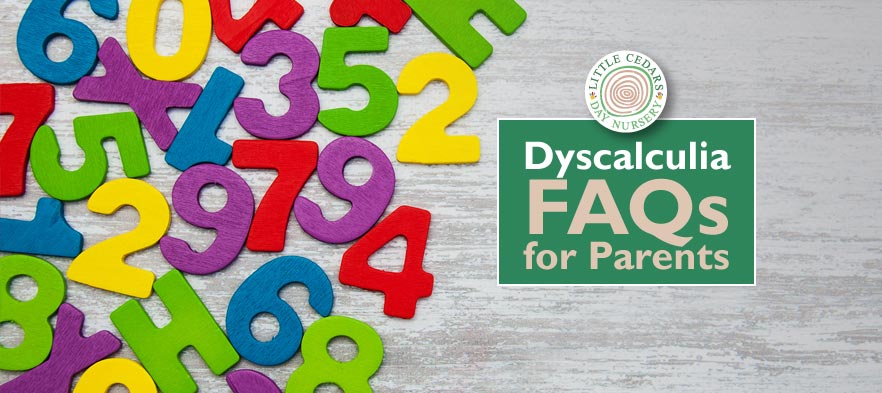
 In today’s guide, we answer frequently asked questions (FAQs) about Dyscalculia, particularly in relation to children, including preschoolers. Around 5% of children of school age are thought to have dyscalculia.
 A few of the possible signs of dyscalculia include:
 Your Right to Unpaid Parental Leave
 For example, there may come a time when parents need to look at nurseries, pre-schools, primary and secondary schools and, as children approach their mid teens, further education settings. Other reasons to take time off might include time for parents to visit relatives with the children, or to investigate extra-curricular activities such as sports clubs, or simply to spend quality time with their children.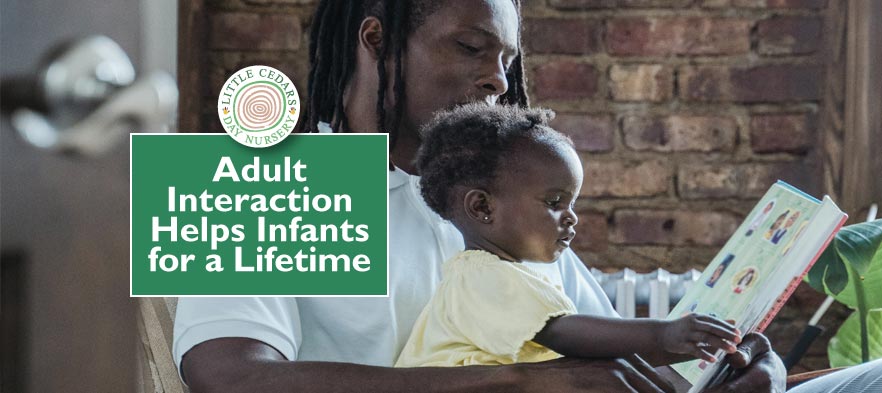
 The Government’s Early Years Foundation Stage (‘EYFS’) framework prescribes how adults should approach the education and development of children under five. As such, it forms the backbone of the curriculum at childcare settings like Little Cedars Nursery in Streatham. The EYFS guidelines were expanded this year (2021) and one aspect of early childhood development discussed therein merits closer exploration: the affect of adult interaction on an infant’s brain development. Here we take a look.
 Their research suggests that constructive experiences will build on and enhance the structure of the brain, whereas “adverse experiences early in life can impair brain architecture, with negative effects lasting into adulthood.”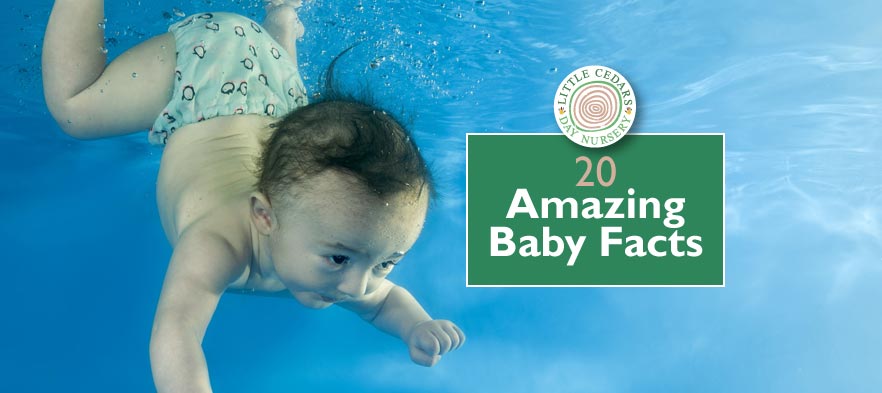
 3. Almost 50% More Bones Than Adults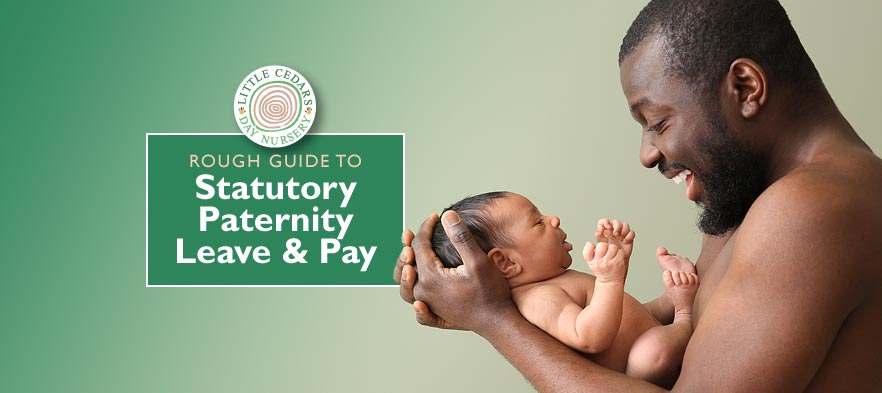
 Following up from our
  The father, or partner of the mother, must give their employer at least 15 weeks’ advance notice that they wish to take Statutory Paternity Leave. This can be imprecise, however, given that they won’t be 100% certain which day the child(ren) will be born. If they later change the proposed date, employers must be given at least 28 days (4 weeks) notice of the change, made in writing if requested by the employer.
 Today, we’ll take a look at how much time and money mothers are entitled to under Statutory Maternity Leave and what the eligibility requirements are. We’ll concentrate purely on the rules for mothers who are employees in this post. However, we will follow up to cover paternity leave, shared leave and support for self-employed mothers separately, in future guides.
 Being let loose with coloured paints, art materials and creative opportunities is sure to bring a smile to their faces and a sense of enormous fun, creativity and discovery. No doubt too; they’ll be proud to show others their creations!