
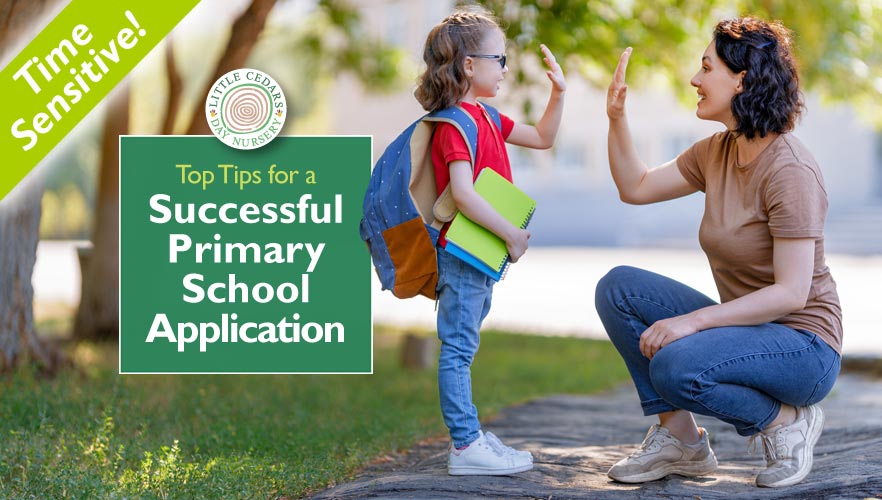
 Are you the parent of a 3-year-old child, or one that’s just turning 4? If so, you need to choose your 3 preferred primary schools now and submit your application for them at the latest by mid-January of the coming year. It’ll be here before you know it! Whether you want your child to begin school at the age of four or five, you have limited time left for your application. With that in mind, today’s post outlines our top tips for a successful primary school application for your preschooler. Read on to learn how to maximise your potential success in achieving a school place that’s best for your child.
Top Tips for a Successful Primary School Application
1. Be Prepared — Know Your Dates!
Once your child is 3 or has only just become 4, you need to plan for your primary school application right away. And it doesn’t matter whether you want your child to begin primary school at the age of 4 or 5 — the deadline is the same. Applications open on the 1st of September and the submission deadline is 11:59 pm on the 15th of January.
2. Decide on Comparison Criteria
What do you want in a primary school? In the lead-up to your application, you will need to carefully consider how to decide which primary school will best suit your child and household. What criteria should you use? How can you compare schools? Decide what’s most important to both your child and your household. Criteria will probably include, for example, proximity to your home, travel time, whether a sibling already attends the setting, quality and reputation of the school, feedback from parents of children already there, Ofsted ratings, specific facilities that may best suit your child, and so on. These are all great ways to benchmark schools, but consider if there are other factors specific to your child too.
3. Focus on Primary Schools Nearby
 It’s important for parents to focus on primary schools that are close to their child’s home. That’s for two reasons:
- It’s convenient, with less travel time involved in dropping off and collecting your child from the school;
- Proximity to a child’s home is one of the key criteria schools and admission authorities use for the selection of schools (the closer the better).
So, nearby usually means a school is both convenient and a safer bet!
4. Research the Contenders
Now armed with your comparison criteria, research the schools, ask around for opinions, check those Ofsted ratings, ask for brochures, research the primary schools online, speak to your local authority about each contender and glean as much information as possible. Knowledge is power and getting it right is incredibly important for your child’s future.
5. Don’t Assume an “Attached” Primary School is a Safe Bet
Some parents whose children attend a nursery or preschool attached to a primary school assume it’s a safe bet; the assumption is often that their child will automatically be offered a place there. Because of this belief, some of the parents are rather more ‘relaxed’ about their school application than they should be, for example, submitting it late. In such a case, they may get a nasty surprise on National Offer Day. So be warned; attached schools are not always a safe bet and therefore on-time applications are just as important with those as they are with other schools.
6. Visit the Schools
 Visit the schools on your shortlist. Such ‘in-person’ visits are like gold dust. You can ask questions, get a feel for the school, see how the existing children are getting on, witness the teaching style, and see how well your child might fit in. Take them with you if possible. Most primary schools will have open days or evenings, so find out about those and attend. Alternatively, call the head or school office to arrange a guided visit if possible.
7. Make the Most of Your 3 Choices
Don’t try to ‘outsmart’ the admissions system by entering your top school on the application form three times. It will not make any difference to your success rate for a place at the school. Instead, make full use of all three of your choices on the application form and ensure you enter three different schools.
8. Check if They’re Oversubscribed
School heads and local authority admissions staff will have access to data on historical applications and admissions to schools. Contact them to ask if the schools you have shortlisted are likely to be oversubscribed. Some popular schools are, and this alone makes it very hard to land a school place there because of the sheer level of competing families, especially those that live closer to them than you. If you do find that one or more of your school choices are likely to be oversubscribed, based on historical data, ensure that at least one of your 3 choices is unlikely to be so when you fill in your application. Then, at least you have a ‘safer bet’ to fall back on should your top choice(s) not prove successful.
9. Decide Whether Starting at 4 or 5 Works Best for Your Child
 One of the most fundamental decisions you need to make before applying is whether you want your child to begin at primary school when they’re 4 or the ‘legal’ maximum age of 5. This is a conundrum especially for “summer-born children” i.e. those born between the start of April and the end of August. For this age group, they’ll be amongst the youngest if they start in Reception Year at 4 or amongst the oldest if they defer their start until the age of 5. What’s more, for those deferring until 5, it’s not the parent who decides whether a child goes into Reception or Year 1 — it’s the schools and local admission authorities. So, parents need to decide, before applying, whether they wish to go with the usual flow and start their children at 4 (will they be ready?), or defer a year until they’re 5. It’s a fine balancing act and your decision needs to be made in the best interests of the child. That said, most children do start at 4 and go in Reception Year.
10. Include an Email Address in Your Application
It’s a simple fact that on-time parents who enter a valid email address on their primary school application forms receive their school offers first, on the morning of their release. That’s in mid-April for children starting in the September term. Submitting an application form without including an email address means you will find out via post. That is sent out via Second Class post, so usually takes a few days longer to arrive.
11. Don’t be Late With Your Application!
 Priority for primary school places is given first to those who submit applications on time. Each year, that means between the 1st of September and the 15th of January when your child is 3 or has just turned 4. Even if you intend to defer your child’s school start until they’re 5 rather than starting them while they’re 4, you still need to apply while they’re only 3 or have just turned 4. If you miss the mid-January deadline, you will stand a much lower chance of achieving a place for your child at your preferred school(s) — because places will already have been allocated to those who applied on time. Sadly, many families miss out because they simply didn’t realise how early they needed to apply.
12. Know Where to Apply!
Primary school applications are made via your local authority website (find yours here). However, some schools and specific settings (for example, some church schools, faith schools, and academies) require parents to fill in and submit the setting’s own supplementary form as well. Parents will need to find out whether this applies to the schools they are applying for through their own research, as it varies from school to school.
13. Chances Increase if a Sibling Already Attends
If your child’s sibling already attends the primary school you’re applying for, they stand a better chance of a successful offer at the same school. That’s a nice head-start for some!
14. Know What to Expect on School Offer Day in Mid-April
Be prepared for the result of your application next April, so you know what your options are if you do not get the offer you had hoped for. However, we’ve got you covered with all of the options in our Guide to National Offer Day for Primary School Admissions which covers things like appeals, waiting lists, and much more.
15. Accept Whichever School They Offer You
 You read that right! When National Offer Day for primary schools arrives, it’s generally agreed that you should accept whichever school place is offered to your child. That’s the case even if you’re unhappy! It’s because your child then has a firm school place to fall back on should you appeal, or go on a waiting list for another school, and are unsuccessful. Accepting the initial school place that’s offered does not adversely affect your chances with appeals or waiting lists, which is why the accepted wisdom is to accept the initial offer.
16. Accept Your Offer On Time!
Once you have received your school offer, it’s incredibly important to officially accept it by the acceptance deadline. Such a deadline will be shown in the offer communication you receive in mid-April assuming you’re applying for a standard September term start. If you miss the deadline for accepting the offered school place, you may lose it. That’s because “unused” offers are offered to other children, for example, those who are on waiting lists, applied late, or successfully appealed.
Good Luck from the Team at Little Cedars Nursery, Streatham

 We wish all parents of 3- and 4-year-olds the best of luck with their applications and trust that today’s tips help to increase their chances of a successful outcome. It’s a huge milestone when children begin school, but rest assured that little ones under the care of our early years practitioners are nurtured in every area to ensure they’re as ‘school-ready’ as possible by the time they leave us. The good news, too, is that the vast majority of parents receive an offer for a school they specified in their application. Indeed, in 2023, only 1.4% missed out, so the odds are extremely good.
Little Cedars is a high-quality nursery in Streatham, just a short walk from Tooting Common (see map). As well as being perfectly located for those in Streatham, Streatham Common, Streatham Hill, and Streatham Park, the nursery is also only minutes away from Tooting, Tooting Broadway, Furzedown, Balham, Norbury and Colliers Wood.
Explore a possible nursery/preschool place for your child at Little Cedars Nursery today:

 Last year,
  As well as helping families financially, the scheme expansion should help children begin their early years education even earlier, for many, which has been shown to be hugely beneficial to them. The free childcare provision will also help many more women back into the workforce. Children, families and the economy should all benefit.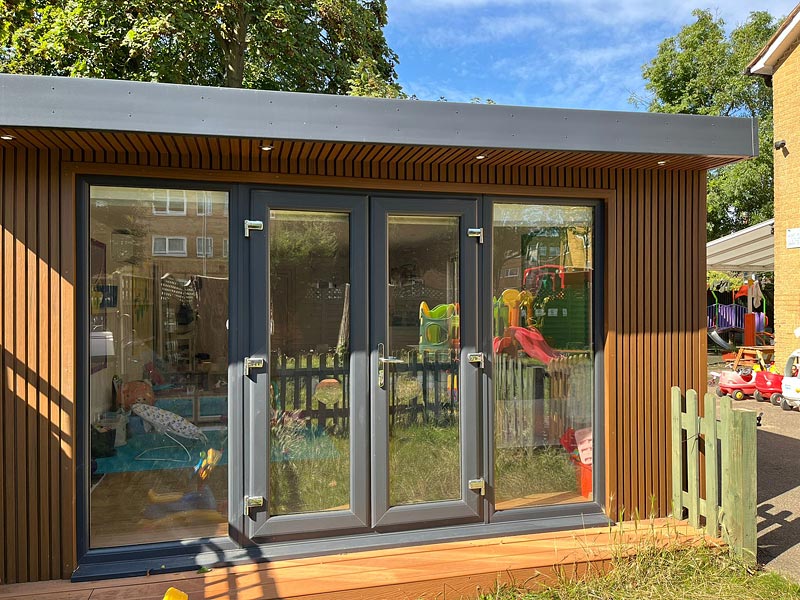






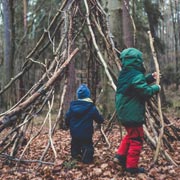 Home-made play dens are great fun both to construct and to use. Children will love constructing them, perhaps using fallen branches, sticks, or garden bamboo canes. If they show real ‘bush craft’ potential, they could even progress to covering them with large leaves, moss, fir tree fronds, or simply use a spare blanket or sheet from indoors. Once made, children will adore setting up camp, perhaps with cushions or soft moss, straw, or hay, used as a comfy base inside. Once built, their imaginations will run riot as they invent all kinds of games, role-play scenarios, and free-form play. This creative activity is such fun and has so much potential!
 With a little help from an adult or using suitable reference from the Internet or a book, children will be able to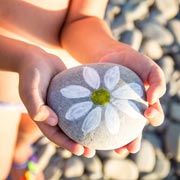
 Rocks, particularly the smooth pebble kind, are often magnets for children’s attention when they spot them outdoors. Parents and carers can encourage children to take their natural interest a few steps further by creating rock art and rock sculpture (using, of course, suitable rocks that are safe for them to use under supervision). Children will love painting rocks with patterns, flowers, or abstract designs and these can look hugely attractive. Rock sculptures are also something that children will love building, whether using painted rocks or natural ones. Scenes with multiple ‘towers’ of piled rocks look magical and children can even pretend these are part of their ‘castle’ or mark the boundaries of their kingdom and suchlike. Creating outdoors with rocks will be fun and creative, it’ll stimulate imaginations, and also hone art and motor skills.
 Children will love creating their own picnic, whether it’s in the garden, local park, or out in the countryside. It’s a multi-faceted activity where they can first help prepare the food and drink, help pack it in backpacks or a cool bag, and then settle somewhere pleasant outdoors. There, they can set up camp, perhaps with a nice soft blanket to sit on, and lay out their picnic feast. It’ll be a great spot, too, to relax with friends or family, or use as a base from which to embark on other outdoor games and activities. Picnics are also a great way to extend the time children can spend outdoors because they’ll be fed and watered outside too. Magical!
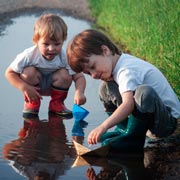
 Introduce children to the concept of rambling. It’s a term that also sounds much more interesting than ‘walking’ in any case, and is a great excuse to get little ones out and about, for example, in the countryside, local park, or green space. Rambling out in nature is good for children (and adults) and also presents lots of exciting opportunities for adventure for little ones. Whether it’s a fallen log that children can try to walk along, tree stumps that they can balance on, branches they can try to hang from by their arms, or little brooks and ditches that they can jump across, rambles can be wonderful adventures for children — under adult supervision, of course. They’re also great ways to stimulate imaginations as children can pretend they’re explorers, pirates, hobbits, and so on.
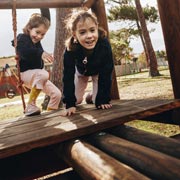 Children will also hugely enjoy making and then competing in their own obstacle race. Encourage them to set up a route through a suitable clearing, forest, field or park. Get them to mark boundaries and the course route with natural objects (sticks, rocks, stones, jumpers, etc.). Include obstacles like branches to jump over, tree trunks to run around, ditches or other similar hazards to jump over, and so on. Perhaps they can race several times and you, as the supervising adult, can time them. Whoever wins could be presented with a prize of some kind, whether it’s a purchased toy or simply a gold star sticker. It’ll be a great chance for children to let off steam, keep fit, and hone balance, coordination and motor skills.
 Little ones are usually familiar with the concept of photographs, especially in today’s age, with cameras on every smartphone and tablet. And, of course, there are still simple stand-alone cameras available, whether digital or using traditional film. Either way, suggest that children — with care not to break or damage the device — take photos of natural things and scenery when they’re outdoors. There could even be a competition to see who can take the best photo of a flower, insect, or scene of some kind. This activity will stimulate their creativity, encourage an understanding of scientific concepts like light and shadows, and give them a sense of responsibility as they (hopefully) look after the camera or smartphone itself. Prizes or stickers could perhaps be available for the most successful and appealing shots.
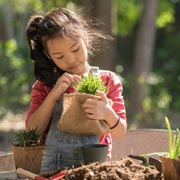 Children will love having their own mini garden. Whether it’s a small area in the household garden or simply some flowerpots or grow-bags on a windowsill or patio, there is always somewhere a child can grow plants (or even vegetables or herbs) in a household. All they need is some light, soil, and water, after all. And, of course, the care and attention of someone to look after them. Children will naturally be fascinated by the concept of growing plants, flowers, herbs, vegetables, or fruit from seeds or seedlings. Tending to them and seeing them successfully grow will also give them a sense of responsibility, achievement, and perhaps even of empathy. Children can learn so much from tending to plants.
 Our final outdoor activity idea for children is wildlife spotting. Whether it’s
 Children are all different. They learn and develop at different rates to each other and that applies to potty training success too. Circumstances in each family are different too, and this will also have an effect. In other words, there is no hard and fast rule about the age by which little ones should have mastered the use of the potty. Parents should therefore not worry if their child is slower to master toileting than their siblings or peers. That said, some very rough guidelines will always be useful to parents and these follow.
 Allowing your toddler to help choose their potty can automatically make it less daunting and instead more of a ‘friendly’ thing to have in their life.
 Children can also be encouraged by having their own toy potties. They, and parents, can ‘train’ teddies and dolls to use these during play. Doing so will help them be both relaxed and more educated about potty training — even proactive.
 Don’t forget to make potty training fun! Many of these tips will help towards that, including the rewards idea (#4), praise (#5), characters on potties (#7), toileting-themed music (#8), and so on.
 household cleanliness, and for their independence.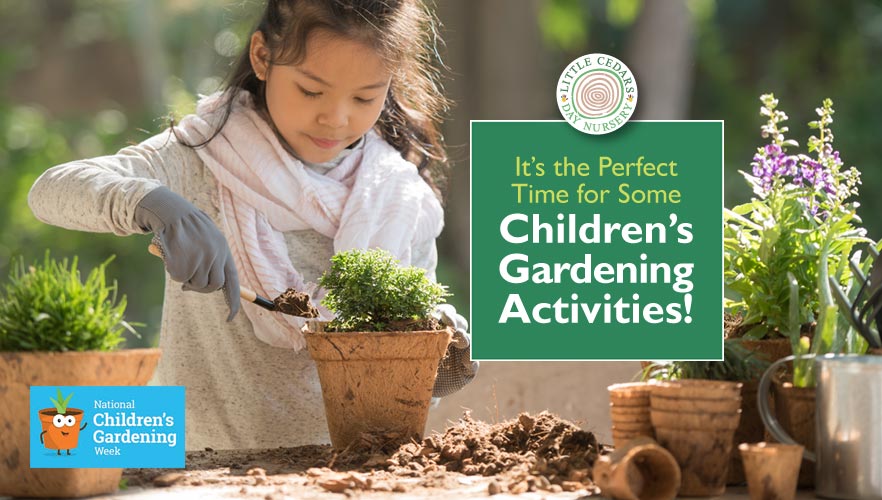
 National Children’s Gardening Week takes place each year in the UK during what’s known as the ‘warm week’ beginning right at the end of May. This year (2024) it spans from 25 May to 2 June. However, children can get involved in gardening well outside of those dates*, of course.
 This year (2024), National Children’s Gardening Week has teamed up with The World of Peter Rabbit and is encouraging children and their families to Grow With Peter Rabbit!
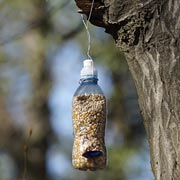 Did you know, there are some incredibly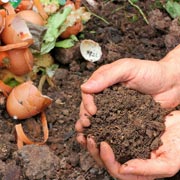
 Compost heaps are also wonderful homes for minibeasts, which are also fun and educational for children to spot. Use our previously published
 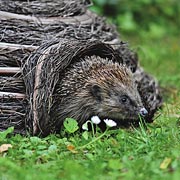 So, making a wildlife-friendly garden or area is a very worthwhile activity for children to take part in — and is educational on so many levels. See
 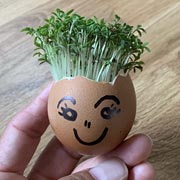 Children can do ‘gardening’ activities indoors too! Get them to
  The benefits of gardening for children are many and varied and that’s why it’s such a wonderful activity to get them involved in. It will teach children many new skills and new knowledge. It’ll teach them about the circle of life, how to care and be responsible for other living things, and about the importance of looking after the planet. It will also give them an insight into where some food types come from. It is also great fun, will give children a huge sense of achievement, and may even open their eyes to the possibility of careers in horticulture, land management, food production, farming, and the like. And, of course, gardening makes the world a better place in so many ways. Let’s also not forget that
 As we previously reported,
 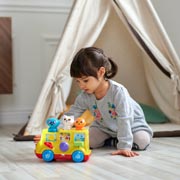 One of the ways you can optimise the success of any indoor play is to set aside a dedicated and safe play area or room for your child. Here, you can ensure that children have the space and tools available for stimulating play when needed, and quieter play at other times. Age-appropriate toys, books, and equipment are, of course, the first prerequisite for such an area. However, you may also consider other elements such as a quiet storytelling/reading corner, a play den or teepee, a relaxation area with cushions and blankets, a creative section with art and craft supplies, a play kitchen or play tools section, and so on. Giving your child such a space is sure to encourage them to immerse themselves in their play activities. And, as we know, children learn best through play.
 As well as giving children the tools for imaginative and educational play at home, your proactive input will also boost the benefits they receive from such activities. So, get involved, lead them sometimes and at other times let them lead. They’ll discover and learn more in this way. Ask and answer questions, encourage them to be creative in their thinking and physical approach and highlight aspects and elements that they may not otherwise have been aware of. Such an approach can teach children so much. It may well also deepen the bond between you.
 There are many types of play at home that can involve role-play, which is a powerful tool for learning. Role-play allows children to immerse themselves deeply into the game, story, or scenario they are acting out. As such it greatly boosts young imaginations and stimulates creativity skills. So, encourage such activities as dressing up in costumes, acting, and putting on pretend voices to embody characters. You and your child can take this a step further through the setting up of play equipment or props to create a new play scenario, for example, a play den, cave, pretend kitchen, or castle. Children will have immense fun whilst also learning huge amounts from such creative and imaginative activities.
 Role-playing can also be brought into time spent reading with your child.
  While electronic screens have their occasional place in the education and entertainment of families, it’s healthy to ensure your child has regular screen-free time. Partaking in active play at home — rather than staring inactively at a screen — can only be a good thing, in so many ways. Social skills will be better when children are actively involved in physical play with others. Motor skills and fitness will also benefit. Creativity levels will go through the roof too when children play in real life. They will also learn so much about the world, everything around them and the endless possibilities available to them by playing in the real world. Ensuring children get access to such benefits and opportunities by switching off smartphones, TVs, tablets and game consoles is something every parent can easily do for their child. Doing so will allow for more traditional play, which will enrich their lives in an infinite number of ways.
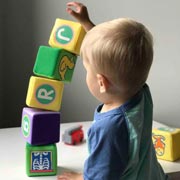
 Toys that allow open-ended play are the toys that young children will usually learn the most from. For example, allowing your child to play with building blocks and materials for arts and crafts will let your child’s imagination run riot. Through these, they will be able to create an infinite range of scenarios and possibilities. Dolls and action figures are also good examples that will allow children to immerse themselves in open-ended play, with you there to help expand those possibilities, scenarios and learning opportunities even further.
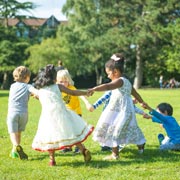 It doesn’t have to be just you and your child playing. Siblings and your child’s peers can also be encouraged to join in. Consider inviting your little one’s friends to your home or local park for a play date. Getting your child’s friends and peers together for group play will allow your child to learn and hone social skills like cooperation, teamwork, leadership, sharing and potentially even conflict resolution. And, with you there to oversee the group session, you can be sure that home play will be fulfilling, organised, fair and rewarding for all who take part.
 Remember that you can facilitate learning through play outdoors with your child too. Whether in the garden, park or countryside, playing outdoors gives children a vast number of learning opportunities — and it’s great fun! By accompanying children outdoors, they can naturally explore and discover — and enjoy doing so in ways that are much more free than when playing indoors. Outdoor play is a feast for the senses, it will encourage the honing of physical skills like balance, coordination, motor skills and strength as well as fitness. Playing in the natural world is also incredibly good for children’s mental well-being and holistic development. Learn more about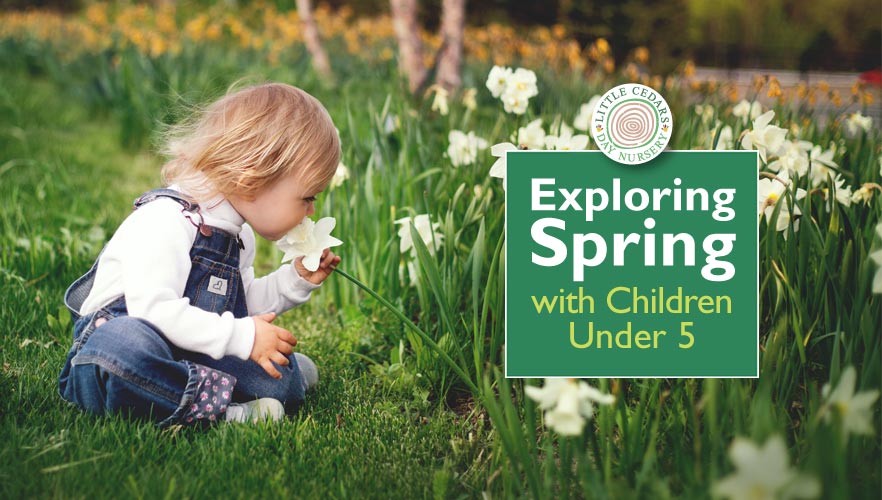
 At Little Cedars Nursery, Streatham, one of the activities we do with children around this time of year is to explore the season of spring. Spring is a wonderful antidote to the cold, winter months as new shoots begin to sprout from the soil, flowers start to reappear, birds begin to return from warmer climes and there are early indications of warmer weather ahead. Paying attention to such things when spring arrives can teach children a great deal about the world around them, nature, and the impact of the various seasons. It’s also a free, fascinating, and educational activity that parents/guardians can do with children. Families can, for example, explore the signs of spring in the garden, out on walks, in local parks, and in the countryside. With that in mind, today’s article looks at the type of things children and families can look out for during the season of spring.
 As every child knows, young lambs are an absolute delight. They’re incredibly cute and the way they play, group together with fellow lambs, and happily jump into the air is simply adorable! Although timing varies from farm to farm, most newborn lambs arrive during early spring — typically in March — with others arriving in April, particularly if they’re in UK areas further north where it can be colder. At Little Cedars Nursery, we try to ensure children get to meet some spring lambs or calves each year and it’s always a huge hit with the children.
 Another huge hit with children in spring is the appearance of frogspawn in ponds. Children will love watching the little eggs change over time, their contents growing from tiny black dots into creatures that have obvious legs, tails and heads. And, once they emerge from the eggs, the tadpoles continue to delight little ones as they gradually develop into tiny frogs. It’s a wonderfully magical thing for children to witness in spring and is also hugely educational.
 Snowdrops are one of the very first plants to reappear when spring arrives. They’re pretty little plants with slender green leaves and flowers that, as their name suggests, resemble delicate drops of snow. Young children will love that! Look out for them in gardens, parks, forests and hedgerows. Each plant generally forms a ‘bunch’ of around ten stems and they reappear every year. Warn children to look but not touch, though, as they are poisonous if eaten.
 Another of the earliest plants to appear in the year is daffodils. Their shoots begin to appear through the soil in February and, once spring arrives in March, their flowers will brighten up any garden, lawn, forest or flower bed right into May. Once daffodils are in bloom, you also know other plants will soon follow. So, they’re a great sign of the changing season for children to look out for, and a signal that gloomy winter is now over and summer is not far away.
 Bumblebees are amongst the cutest of garden visitors and many children will naturally love them, particularly once they’ve realised how adorable they are with their velvety bodies, sweet faces and attractive markings. They’re also peaceful little creatures, many of whom don’t even have a sting, who simply want to go about their business of collecting nectar from flowers. Bumblebees start to reappear in the spring — because flowers are also reappearing after being dormant over the winter months. They then become more and more populous as the months become warmer and can be seen right into autumn.
 The return of many of the UK’s favourite birds is another wonderful sign that spring has arrived and winter is over. While some birds, including robins, may stay during winter, others will have migrated to warmer places, perhaps thousands of miles away. Once they return to the UK, children will be able to watch out for them and listen out for more birdsong. Early mornings and sunsets are great times to hear them, particularly when the weather is calm, meaning their sounds travel more clearly. For example, tiny wrens have an incredible and very melodic set of sounds. Robins are also beautiful to listen to. Thrushes sometimes sing at the tops of trees at dusk too, and that’s also wonderful to hear. Encourage children to watch and listen out for other birds too, for example, blackbirds, starlings, doves, blue tits, great tits and occasionally more rarely-seen birds like goldcrests.
 Buds on trees and bushes can also be an interesting natural phenomenon for children to look out for in spring. Many are quite beautiful if you take the time to have a close look. Young children are indeed fascinated by several types of tree buds in early spring and perhaps the most attractive one to them is pussy willow. For them, the soft, fur-like buds of the pussy willow are an instant hit and something that really draws their attention. They really do feel furry and it’s almost as if they’re little creatures or kittens paws — quite a magical thing for any child to look out for in spring!
 Catkins are also fascinating. Their little dangling fronds almost look like yellow caterpillars, so this is another type of spring occurrence to draw children’s attention to. From such attention, they can be taught lessons about pollen, seeds, nectar and the circle of life.
 Getting children interested in nature, and spending time around it, is extremely good for them as we’ve reported before —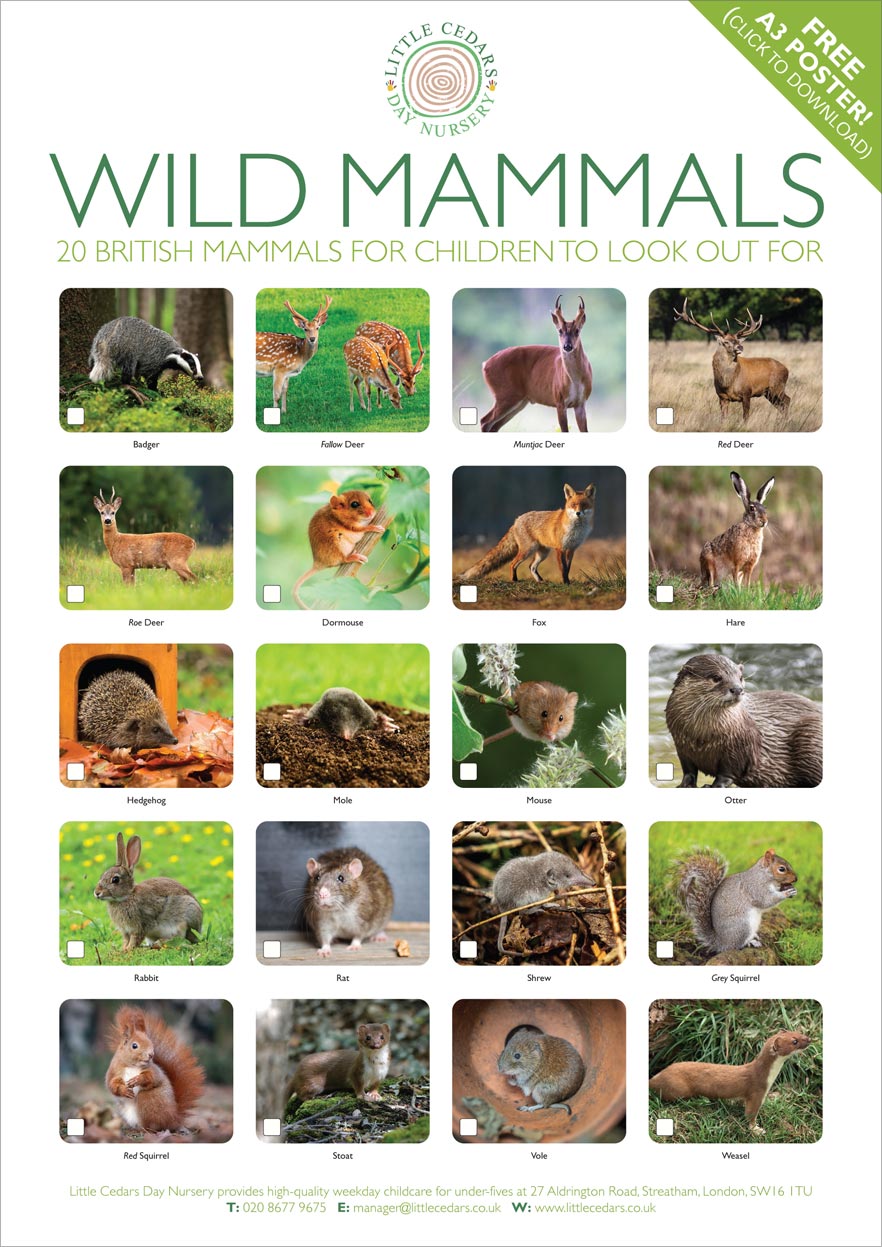
 World Wildlife Day celebrates the world’s flora and fauna. It happens on the 3rd of March each year and is a way to raise awareness of the need to protect nature. That can be achieved by reducing harmful emissions, pollution, habitat loss, and the loss of biodiversity. By introducing children to the beautiful wildlife around them, children will naturally be more empathetic towards other creatures and even progress to learning about conservation matters and the impact of humans on the planet. In this way, little ones can grow into young stewards of the planet and have an active interest in protecting it going forward. Get them started today by downloading our free Wild Mammals poster — who knows where it could lead!
 Children and families, get ready for National Storytelling Week! For 2024, storytelling in the UK is officially celebrated from Saturday the 27th of January to Sunday the 4th of February. It’s a great opportunity for children and families to get creative and to entertain one another through the sharing of stories.
 National Storytelling Week couldn’t come at a better time of year. As many across the UK have witnessed in recent weeks, January brings with it cold days, dull skies, and wintery weather. Even the daylight hours are short, limiting the number of activities children can undertake outdoors. With storytelling, however, families can be transported to any number of different locations, situations and climates, all in the blink of an eye. Indeed, storytelling can take children to places and scenarios that would simply not be possible in real life. Such is the power of this art form and the human imagination.
 Stories stimulate imaginations;
 Another great way to help children create new stories is to encourage them to be inspired by objects around them. For example, a teddy bear, toy character, or picture nearby may inspire them. This can be taken further by providing children with a basket of such props, for example, a toy animal, pine cone, toy crown, goblet, apple, and a rock. A ‘story scrapbook’ can be used by children in a similar way. Such things can significantly help children to become more creative and generate storyline ideas, sequencing, and plot twists.