
 Improving Education for Disadvantaged 3- & 4-Year-Olds
 Improving Education for Disadvantaged 3- & 4-Year-Olds
If your child is aged 3 or 4 and fits the eligibility requirements, they could benefit from up to £342 per year* in extra support through the Early Years Pupil Premium (‘EYPP’). In essence, the scheme is designed to level the playing field in children’s early years education if they are disadvantaged in one or more specific ways.
What is the Early Years Pupil Premium (EYPP)?
The Early Years Pupil Premium is a UK Government scheme that provides additional funding to early years providers to support 3- and 4-year-olds from low-income families as well as from some other types of disadvantaged background.
For those that are eligible, the EYPP funding is in addition to the more regular funding schemes available to children of their age.
The EYPP funding is intended to help close the gap in development and school readiness between children from low-income families and their more affluent or advantaged peers. Early years providers will use the EYPP funding to provide additional support and resources that enhance the learning and development of those specific, disadvantaged, children under their care. It may be used solely for an individual child or pooled to support a group of eligible children with similar support needs. Providers can use the funding in a variety of ways to support the children in their care. Examples include: Early years providers will need to demonstrate that the extra support has, indeed, been used in an appropriate way for the benefit of the child(ren) whom it was intended to support. This will be checked by Ofsted during their inspections.How is the EYPP Funding Used?
How is the EYPP Funding Paid?
The EYPP funding is paid by local authorities direct to early years providers such as nurseries, pre-schools, and childminders. It is paid on behalf of specific, eligible children and can only be paid to effective Ofsted-registered providers. It should be noted that, should the child move to a different early years provider for any reason, the funding would ‘follow’ them to the new provider. N.B. They would need to fit eligibility as a provider.
Eligibility Requirements for EYPP Funding
 To be eligible for the EYPP funding, a child must meet certain criteria:
- Eligible children should be aged 3 or 4;
- The provider that receives the funding on behalf of the child must be an Ofsted-registered early years provider;
- The family should be in receipt of at least one of a list of specific benefits or tax credits, or have a low income or …
- Alternatively, the child may be under the care of a local authority in England or Wales, or have left that care via an Adoption Order, Special Guardianship Order or Child Arrangements Order.
Eligibility will need to be re-checked each year to ensure that criteria are still being met.
How to Apply for the Early Years Pupil Premium (EYPP)
 After checking eligibility, interested families or guardians can either contact their local authority or contact an eligible childcare provider. (If you are in Streatham, contact Little Cedars Nursery using one of the coloured buttons below). Either way, ask about the EYPP funding and the process for applying for it. You will then be guided through the application process and will be provided information about any documentation that is required. The approval process can take some time, so parents should be patient while they wait for a decision. Once the application is approved, the provider will start using the EYPP funding to provide additional support and resources to the child.
To Sum Up:
The EYPP can play an important role in providing targeted support to some disadvantaged children, helping to close the gap in learning, development and school readiness.
Little Cedars Nursery — High Quality Childcare in Streatham

 Little Cedars Nursery provides high quality nursery and pre-school places for under-fives in Streatham, London SW16. We support all Government schemes for free childcare for eligible children aged from 3 months to five years and would be happy to discuss options with parents/guardians.
Would you like to reserve a childcare place for your child at Little Cedars Nursery? If so, or if you have questions or would like to see the nursery in action, please get started using an appropriate button below.
Based in Streatham, Little Cedars is a nursery and pre-school that’s conveniently close to Streatham Hill, Streatham Common, Streatham Park, Furzedown, Tooting, Balham, Norbury, Colliers Wood, West Norwood, Wandsworth, Clapham and Brixton.
* Details correct at time of writing (January 2023). E&OE.
 Today’s post will appeal to families who are finding the current financial climate particularly challenging. With energy costs and inflation so high, the following may represent a welcome piece of good news. Today we highlight the many Baby Banks that are popping up all around the UK and explain how they can help struggling families, all for free.
 A Baby bank is a similar concept to a food bank. However, instead of food and drink, it provides second-hand clothing, toys and equipment for babies, under-fives and often even for children up to the age of 16 in some cases. Baby Banks can also be compared to a charity shop, however, with baby banks, everything is free.
 Baby Banks are run by all sorts of different people and organisations and therefore the rules around actually getting ones hands on the free items vary from Baby Bank to Baby Bank. Some accept requests for items directly from families themselves. Others only deal via a referral from some kind of professional. Examples include social workers, family support agencies, teachers, family centres, health visitors, medical professionals, food banks and women’s refuges. So, once you have located your nearest Baby Bank, you will need to check whether they will deal with you directly or only through such a referral. Either way, you will usually need to agree a time and date for collection of your item with the Baby Bank (you can’t usually just turn up, although there are exceptions). Not all Baby Banks are open all week and that’s another reason to check with Baby Banks or their websites first.
 Absolutely! Baby Banks rely on the generous donations from families that no long require their baby clothes or equipment. Perhaps the child has grown out of them and the items are still in good condition, or perhaps they were an unwanted gift. Donating items is also a great way to declutter and to make space in the home, as well as helping others. However, before donating to a Baby Bank, always check with them to see if all your proposed items are required and, as before, ensure you know whether an appointment is needed or whether you can just turn up with your items. Certain rules may also apply around the condition and type of items (this varies depending upon which Baby Bank you are dealing with). Baby car seats and electronic items may also have special rules due to the extra safety considerations.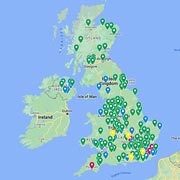

 If you were a full-time employee when you had your child, perhaps you’d rather go part time while your child is under five. Or maybe you want to explore the option of flexitime with your employer. Perhaps you’d like to ask if job sharing is possible, or whether you can work only on specific days of the week. What are the rules, though? Does your employer have to offer part-time or flexible working now you’re a parent, or are they under no statutory obligation to do so? Today we take a look at the rules.
 The rules state that
  The employer must give the employee who makes the Flexible Working Request a decision within 3 months unless the employee agrees to extend that time. This must be done having considered the facts carefully and fairly and without basing it on just a ‘personal’ opinion. They should also discuss the application with the applicant and, if it’s not possible to accept the specific suggestions requested, they should consider whether alternative options are possible.
 Your Right to Unpaid Parental Leave
 For example, there may come a time when parents need to look at nurseries, pre-schools, primary and secondary schools and, as children approach their mid teens, further education settings. Other reasons to take time off might include time for parents to visit relatives with the children, or to investigate extra-curricular activities such as sports clubs, or simply to spend quality time with their children.
 It doesn’t really matter if you change jobs. The rules around unpaid parental leave apply in relation to your child(ren); not your employer. So, if you change jobs and have already used up 9 weeks of unpaid leave for one child during your previous job, then you can still use another 9 weeks, so long as it’s taken before your child reaches the age of 18.
 To claim a period of unpaid parental leave, just 21 days (3 weeks) of notice must be given to the employer and this must state the start and finish dates. It can be confirmed verbally although employers may request the notice in writing.
 We hope that the information brought to you here is useful. We are Little Cedars, a wonderful





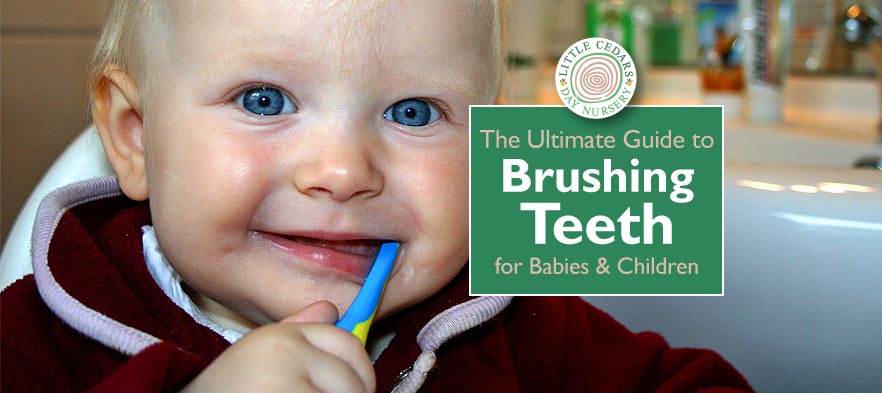


 It’s important to get children used to visiting the dentist and for this to be a positive experience. Dentists can highlight any potential problems early on and regular visits will also ensure that children realise the importance of teeth cleaning and oral hygiene as they grow. Starting early is also more like to avoid the possibility of them being nervous about visiting the dentist (if you are nervous yourself, try not to let this show as it could project the fear onto your child). NHS dental treatment is free for UK children.
  Sugar and tooth decay go hand-in-hand, especially if too much sugar is in the diet and/or if toothbrushing isn’t regular and thorough. The amount of potential decay is also made worse the longer sugar stays on the teeth. Cutting down on sugar intake will help limit the problem, as will a good tooth brushing regime. Here’s what parents and carers of babies and young children can do:
 Getting the approach right means healthier teeth and gums, fresher breath, better looking teeth, more self-confidence and potentially better health overall as the child grows up. Setting good teeth cleaning and tooth hygiene habits early on means children are more likely to continue the good work as they grow into adulthood. This includes regular, fear-free visits to the dentist for check-ups.
 With families living busy lives these days, it’s not always easy to provide the very best nutritious meals for children. This is compounded by an abundance of ready meals and convenience food available in shops and advertised everywhere. However, healthy, balanced diets are incredibly important for children in their early years. Adopting a healthy diet early on can mean that some diseases associated with later life can be avoided. Healthy food also has other beneficial effects on growing children including sustained energy levels, improved cognitive activity, the evening out of a child’s moods, help with mental wellbeing and maintaining a healthy weight.
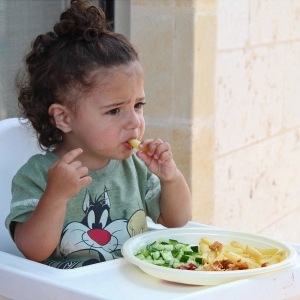 Make sure you give the
  Childhood obesity is a growing problem in the UK, with nearly a third of children aged two to fifteen being overweight or obese. What’s more, data shows that children are becoming overweight at ever-earlier ages and are generally eating less fruit, vegetables, oily fish and fibre than is recommended. The lack of a varied diet will leave children lacking in some essential vitamins and minerals. This is all of major concern. Obesity alone can lead to health issues in later life such as diabetes, heart problems, high blood pressure and even cancer. It may also lead to bullying and self-consciousness which may adversely affect a child’s self-esteem and mental wellbeing.
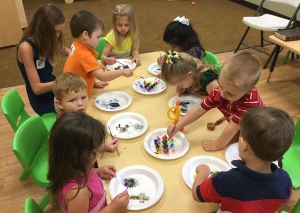 Welcome to our guide to free childcare available specifically via Universal Credit. This builds upon our previous childcare funding guides, giving parents yet another potential way to get financial help towards childcare costs. Which scheme suits you best rather depends upon your individual situation as each has its own rules for eligibility. If one scheme doesn’t fit with your situation, another may. You may even find that you can apply for multiple schemes in certain circumstances, and we’ll also touch upon that in this guide. (To view our previous guides on other funding schemes, see our
 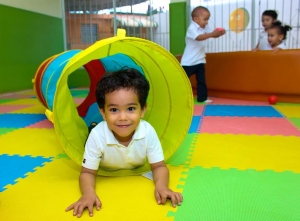 To be potentially eligible for childcare help through Universal credit, you must live in the UK, be on a low income or out of work and be aged 18 or over (although there are some exceptions for 16 and 17 year olds). You and your partner, if you have one, must also be under State Pension age and have no more than £16,000 in savings/investments between you.
 If you have been offered new employment, you can ask for childcare costs for the month preceding the start of your new job. If you are coming to the end of your employment, you must inform the Department for Work and Pensions (‘DWP’) immediately. Help with childcare costs can be claimed at least a month after your employment ends to help you maintain childcare as you switch jobs.
 You can have more than one childcare provider. However, to apply for Government help with childcare you must use a registered/approved childcare provider. This generally means that the childcare provider is registered with Ofsted for England, The Care Inspectorate for Scotland or the