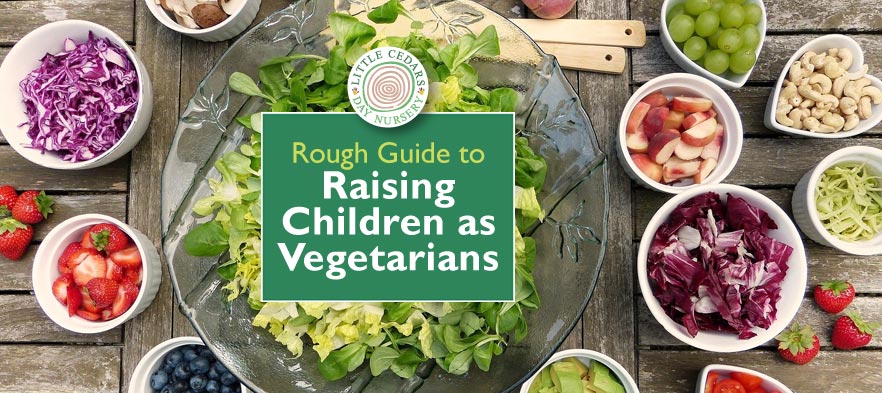
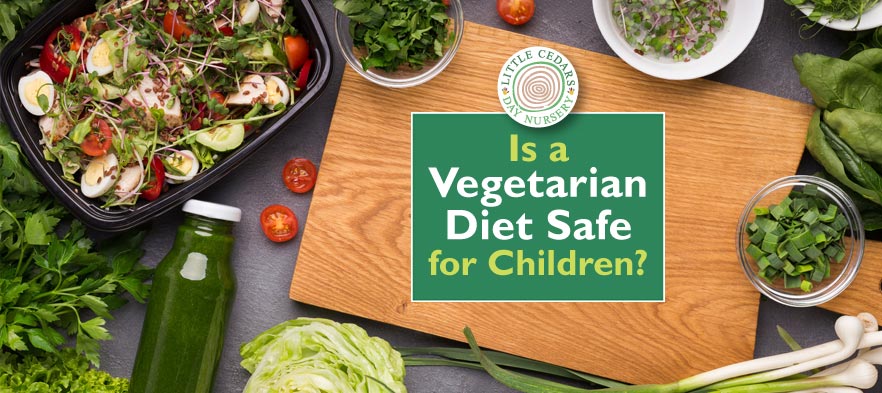
 In our last post, we asked “is a vegetarian diet safe for your children?” and, in essence, the answer was yes, so long as they get all the nutrients they need. What’s more, we discovered a huge range of benefits of vegetarianism. These included significant benefits to both health and to the planet. In today’s post, we’ll follow up by looking at the types of food groups, vitamins and minerals that are essential for children as part of a well-balanced vegetarian diet.
Infant Milk
While little ones are still drinking milk and haven’t yet moved onto solids, it’s fairly simple. Breast milk will obviously contain just about everything a baby or toddler could want, with one possible exception: Vitamin D. The NHS recommends that breast-fed infants should take a Vitamin D supplement, which is available in easy-to-administer drop form.
 For those on dairy-based formula milk, it’s pretty much plain sailing too. Because vegetarians — as opposed to vegans — are OK eating dairy-based food, formula milk is generally fine for them. The most popular types are based on cows’ milk, although several other animal milks are also available. So long as dairy-based formula milk is high quality, given in the right quantities, consumed at the right intervals and is age appropriate for the child, it contains all the nutrients and vitamins needed. That’s without the need to give additional supplements too.
The 4 Essential Food Groups After Weaning
Once they’re weaned off milk, a well-balanced diet for children will include food from all four of the main food groups. These are:
1. Dairy
It’s important that dairy products for children are all pasteurised, basically for the good of their health and wellbeing. Infants can have whole (full fat) cow’s milk mixed in with food or added during cooking, but must not use it as a drink until they’re a year old. We’ll go into much more detail in our milk guide next month. Dairy products are wonderful sources of calcium, Vitamin D and other nutrients.
2. Fruit & Vegetables
 Fruit and vegetables are really a given because they pack so much goodness, including many vitamins, minerals like potassium and also fibre. Fresh vegetables and fruit are ideal but, failing that, frozen, tinned and even dried varieties are also OK.
3. Starch
Starchy foods provide energy by breaking down glucose as well as providing a range of nutrients like iron, calcium, folate and B vitamins. They are also another source of fibre, which is important for digestive health. Starchy foods include pasta, bread, potato, grains and cereal like oats. Wholegrain varieties are generally best for human health.
4. Protein
Protein is a little more complex for vegetarians, simply because they don’t eat the most obvious sources of it — meat, fish and seafood. However, there are lots of sources of protein, as we’ll see shortly. Protein is essential as a key building block for the body. It builds muscles, bones, hair, nails, tissues and organs as well as providing Omega-3 fatty acids, iron and amino acids. Health professionals recommend that children and adults get protein from a variety of different sources and have at least two portions of protein per day.
Sources of protein that are suitable for vegetarians include:
 Tofu, also known as bean curd, which is made from soy.
- Lentils and pulses, including peas, beans, chickpeas, sugar snaps etc.
- Houmous, made from chickpeas, is also therefore a good source of protein but ensure only the smoothest variety is given to infants, so as to avoid possible choking.
- Grains contain protein, but should be served in ground form for very young infants, again so as to avoid possible choking. Examples include oats, barley, rice and quinoa. Quinoa is unique in containing all nine essential amino acids.
- Nuts are also a great source of protein but should be served to infants in smooth ‘butter’ form to avoid choking risks. Examples include peanut butter, almond butter, cashew butter and walnut butter (a great source of Omega-3).
- Seed butters are also great sources of protein.
- Lastly, there is also a cross-over between dairy products (see above) and protein because cheese and yoghurt also contain protein.
- For vegetarians who are OK eating eggs, these are also an excellent source of protein as well as Vitamin B12.
 Tofu, also known as bean curd, which is made from soy.
Please note: although great as a source of protein for adults, Quorn is not recommended as a regular meat replacement for children. While it’s great for protein, fibre and making them feel full, it’s low in fat, so will not offer sufficient energy release to children during their early years.
Special Mention: Iron
Iron is incredibly important as part of a healthy, balanced diet for children as well as adults. However, there are certain foods that block its absorption into the body. These include:
- Tea.
- Some whole grains and legumes i.e. those that contain ‘phytates’.
- Dairy foods that contain ‘casein’.
- Eggs and dairy foods containing a specific type of calcium.
In order to counteract this, firstly ensure that the child has a varied diet. In addition to this:
- any pulses, seeds or grains should be sprouted, cooked or soaked before consumption (as appropriate);
- any foods that block iron absorption should be consumed separately to main meals;
- Vitamin C should be included in the meals as this binds to any phytates, thereby neutralising their effect on iron absorption. Citrus fruits, berries and juice (diluted 1 part juice to 10 parts water) are rich in Vitamin C, as are vegetables including broccoli, spinach, greens, asparagus, tomatoes and many others.
 any pulses, seeds or grains should be sprouted, cooked or soaked before consumption (as appropriate);
We hope that this rough guide to bringing up children as vegetarians has been useful. If so, we recommending reading the NHS’s guidelines for bringing up a healthy child on a vegetarian or vegan diet here. It is also always wise to obtain advice from your child’s health visitor, midwife, doctor or other healthcare professional.
Vegetarian & Vegan Food at Little Cedars Nursery, Streatham

Vegetarians and vegans are well catered for at Little Cedars Nursery. These and any other special diets are supported fully by our in-house chef, who prepares food freshly each day as part of our healthy eating regimen at the setting. Little Cedars is one of the best Streatham nurseries and pre-schools for babies and under-fives. It’s also near Streatham Common, Streatham Hill, Streatham Park, Furzedown, Tooting, Tooting Bec, Tooting Broadway, Tooting Common, Balham, Norbury and Colliers Wood. To register for a nursery place for your child, to arrange a visit or to ask any questions, please contact us and we’ll be happy to help:
 Let’s first take a look at the benefits of vegetarianism …
 is linked to a reduction in symptoms for those with asthma;
 Scientific studies conclude that switching to a vegetarian diet will help the planet enormously. That’s because significantly less greenhouse gas is produced in growing crops compared to raising livestock. What’s more, scientists believe that the necessary reduction in green house gas emissions will be achieved far more swiftly through a widespread switch to vegetarianism than through what’s currently just a gradual shift away from the burning of fossil fuels. Growing crops rather than animals also causes far less pollution in waterways and oceans and also uses significantly less water. The benefits of vegetarianism to the planet are simply enormous.
 Is a Vegetarian or Vegan Diet Safe for Children?
 Your Right to Unpaid Parental Leave
 For example, there may come a time when parents need to look at nurseries, pre-schools, primary and secondary schools and, as children approach their mid teens, further education settings. Other reasons to take time off might include time for parents to visit relatives with the children, or to investigate extra-curricular activities such as sports clubs, or simply to spend quality time with their children.
 It doesn’t really matter if you change jobs. The rules around unpaid parental leave apply in relation to your child(ren); not your employer. So, if you change jobs and have already used up 9 weeks of unpaid leave for one child during your previous job, then you can still use another 9 weeks, so long as it’s taken before your child reaches the age of 18.
 To claim a period of unpaid parental leave, just 21 days (3 weeks) of notice must be given to the employer and this must state the start and finish dates. It can be confirmed verbally although employers may request the notice in writing.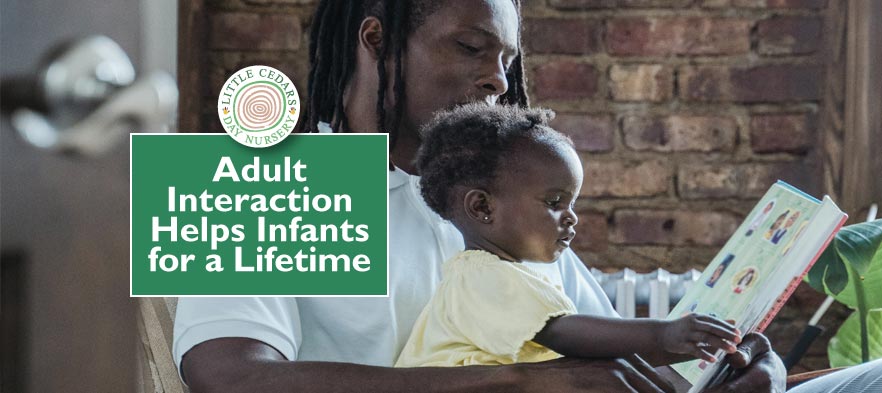
 The Government’s Early Years Foundation Stage (‘EYFS’) framework prescribes how adults should approach the education and development of children under five. As such, it forms the backbone of the curriculum at childcare settings like Little Cedars Nursery in Streatham. The EYFS guidelines were expanded this year (2021) and one aspect of early childhood development discussed therein merits closer exploration: the affect of adult interaction on an infant’s brain development. Here we take a look.
 Their research suggests that constructive experiences will build on and enhance the structure of the brain, whereas “adverse experiences early in life can impair brain architecture, with negative effects lasting into adulthood.”
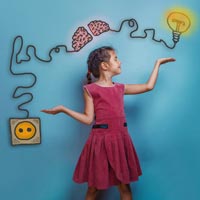 The Harvard Center on the Developing Child suggests that parents1 can help babies and toddlers develop their brain architecture in the best way through regular and strategic interaction between adult and infant. They call the process ‘serve and return’. Think of it as a tennis metaphor— we’ll explain. First, the child may indicate an interest in an object or activity. That’s the serve of the tennis ball, if you like. The adult should look out for such indications of interest, recognise them as a kind of invitation from the child and then get involved with that object or activity with the child. Responding in this way is like the ‘return’ of the ball in the tennis metaphor. It’s a great approach because the child is indicating what they are interested in and therefore, when a parent responds through activity involving themselves with the source of interest, the child will naturally get more from the interaction. After all, it was they who first indicated an interest and an adult can now help them to get the most from it.
 Repetition is also important. This helps to reinforce circuits in the brain. Reminding a child several times about something will naturally help them to understand and remember the point under scrutiny.
 The research, as well as a good dose of common sense, shows the incredible importance of parents interacting well with children from the moment they are born. Their interaction and guidance will help the developing child to understand themselves, the world around them, and their place within it. Millions of brain connections are built with every interaction, building healthy foundations upon which the baby will grow into a well-rounded individual with the requisite cognitive, physical, social and emotional skills to handle life. It all comes down to love, responsive and responsible care, with parents matching the infant’s signals and needs with positive, insightful responses. The reassurance and tools such interactions give the infant will allow them to confidently, safely and comfortably explore and learn about the world and, going forwards, their place within it.
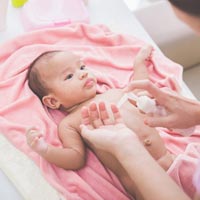 3. Almost 50% More Bones Than Adults
 6. Not So Hot on Eye Sight
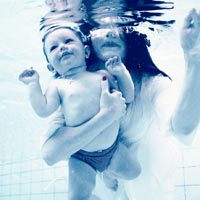 9. Natural Born Swimmers (… Kind of)
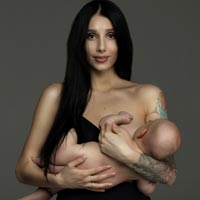 14. Is Breast Really is Best?
 16. The Only Smiling Primate
 19. Outcomes of Being First Born
 Following up from our
  The father, or partner of the mother, must give their employer at least 15 weeks’ advance notice that they wish to take Statutory Paternity Leave. This can be imprecise, however, given that they won’t be 100% certain which day the child(ren) will be born. If they later change the proposed date, employers must be given at least 28 days (4 weeks) notice of the change, made in writing if requested by the employer.
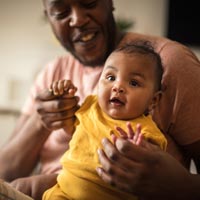 the child’s father, or
 To be eligible for Statutory Paternity Pay, a person needs to:
 The payments are made through their wages by the employer after deducting any tax and National Insurance if due. (Figures correct at September 2021).
 Today, we’ll take a look at how much time and money mothers are entitled to under Statutory Maternity Leave and what the eligibility requirements are. We’ll concentrate purely on the rules for mothers who are employees in this post. However, we will follow up to cover paternity leave, shared leave and support for self-employed mothers separately, in future guides.
 The good news is that, to be eligible for Statutory Maternity Leave in the UK, just two main rules apply. You need to:
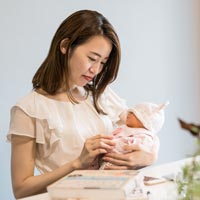 Statutory Maternity Pay (‘SMP’) is available to mothers who:
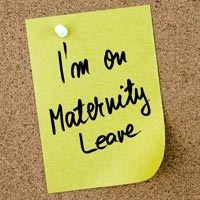 There’s a great online tool that you can use to check whether you are eligible to claim maternity/paternity leave and pay (as well as Maternity Allowance, which may help self-employed mums). It’ll also calculate how much you could receive. Head over to

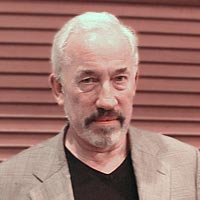 Streatham was the birthplace, home or workplace of a huge number of famous people. Just a few include:
 Henry Robertson Bowers, one of the explorers on the ill-fated Terra Nova exploration of the Antarctic with Robert Falcon Scott (better known as Scott of the Antarctic), lived in Streatham and attended Streatham High School for Boys in Pinfold Road.
 Super-model Naomi Campbell was born in Streatham in 1970, the maternal daughter of a professional dancer, but never met her father.
 Rapper ‘Dave’ Orobosa Omeregie, also known as ‘Santan Dave’ was born in Streatham and has since scored several top-20 records and a number 1 single, as well as winning several high profile awards. One of his top ten singles was even called ‘Streatham’.
 The fashion designer John Galliano lived in Streatham from the age of six, until moving later to Dulwich and subsequently other parts of London.
 Comedians Eddie Izzard and Paul Merton both have links to Streatham. Eddie used to host a comedy club there, in the White Lion pub. Apparently he often practised his lines when walking around Streatham Common.
 007 Actor Roger Moore lived in Streatham, with his then wife Doorn Van Steyn and her family, when he was just 18.
 Ken Livingstone was born at 21 Shrubbery Road, Streatham, in 1945 and also later attended the Philippa Fawcett Teacher Training College there. He was an MP, leader of the GLC, and later Mayor of London.
 The actor and presenter David Harewood MBE, also lives in Streatham. He is most famous for his role as a CIA operative in the popular American series Homeland.
 Even Brad Pitt has connections to Streatham! He was filmed during a fight scene for the movie Snatch at what was then Caesar’s Nightclub at 156 Streatham Hill.
 Speaking of The Rolling Stones, Bill Wyman, their bassist, worked for a time as a storekeeper and progress clerk. He earned £11 per week at John A. Sparks, the diesel engineers at Streatham Hill.
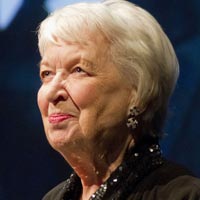 June Whitfield, the actress, was born in Streatham in 1925 and later attended Streatham Hill High School.
 Famous comedian Tommy Trinder was born at 54 Wellfield Road, Streatham, in 1909. Many will remember him for his catchphrase, “You lucky people!” from the pre- and post-WW2 era.
 Another former Prime Minister, John Major, also lived for a time in Streatham with his wife, Norma, at Primrose Court. He had bought the property in 1969.