Summer is a wonderful time for children to get outdoors and make the most of the warmer weather and beautiful sunshine. Outside in the fresh air, little ones can enjoy a bit of freedom, let their imaginations take over, get creative, and benefit in a whole range of different ways. Immersing themselves in play outdoors is also an escape from electronic screens, man-made toys, and the many restrictions associated with being indoors. Additionally, it teaches them new skills. With that in mind, today’s post outlines 10 different outdoor activities that children, including those under five*, can enjoy this summer and potentially even longer, weather permitting. What’s more, most of the ideas are free of any cost! Take a look.
1. Create a Rustic Playden!
 Home-made play dens are great fun both to construct and to use. Children will love constructing them, perhaps using fallen branches, sticks, or garden bamboo canes. If they show real ‘bush craft’ potential, they could even progress to covering them with large leaves, moss, fir tree fronds, or simply use a spare blanket or sheet from indoors. Once made, children will adore setting up camp, perhaps with cushions or soft moss, straw, or hay, used as a comfy base inside. Once built, their imaginations will run riot as they invent all kinds of games, role-play scenarios, and free-form play. This creative activity is such fun and has so much potential!
2. Make & Sail a Paper Boat or Stick Raft!
 With a little help from an adult or using suitable reference from the Internet or a book, children will be able to make little paper boats or, alternatively, construct little stick rafts. If they’re old enough and are accompanied by an adult for safety, they’ll be able to float these in a puddle, pond, paddling pool, or local stream, which will be great fun and also give them a huge sense of achievement. If too young to be near water, they can simply use their imaginations to ‘float’ their boats on dry land — perhaps a flattened sheet of tin foil from the kitchen could, for example, be used to represent a pond. Follow the bold links for easy examples that show how easy it is to make a paper boat or stick raft. With this activity, they’ll stimulate imaginations as well as hone motor skills.
3. Create Beautiful Rock Art
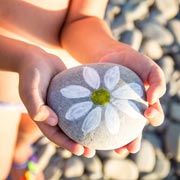
 Rocks, particularly the smooth pebble kind, are often magnets for children’s attention when they spot them outdoors. Parents and carers can encourage children to take their natural interest a few steps further by creating rock art and rock sculpture (using, of course, suitable rocks that are safe for them to use under supervision). Children will love painting rocks with patterns, flowers, or abstract designs and these can look hugely attractive. Rock sculptures are also something that children will love building, whether using painted rocks or natural ones. Scenes with multiple ‘towers’ of piled rocks look magical and children can even pretend these are part of their ‘castle’ or mark the boundaries of their kingdom and suchlike. Creating outdoors with rocks will be fun and creative, it’ll stimulate imaginations, and also hone art and motor skills.
4. Create a Cosy Picnic
 Children will love creating their own picnic, whether it’s in the garden, local park, or out in the countryside. It’s a multi-faceted activity where they can first help prepare the food and drink, help pack it in backpacks or a cool bag, and then settle somewhere pleasant outdoors. There, they can set up camp, perhaps with a nice soft blanket to sit on, and lay out their picnic feast. It’ll be a great spot, too, to relax with friends or family, or use as a base from which to embark on other outdoor games and activities. Picnics are also a great way to extend the time children can spend outdoors because they’ll be fed and watered outside too. Magical!
5. Introduce Children to Rambling
 Introduce children to the concept of rambling. It’s a term that also sounds much more interesting than ‘walking’ in any case, and is a great excuse to get little ones out and about, for example, in the countryside, local park, or green space. Rambling out in nature is good for children (and adults) and also presents lots of exciting opportunities for adventure for little ones. Whether it’s a fallen log that children can try to walk along, tree stumps that they can balance on, branches they can try to hang from by their arms, or little brooks and ditches that they can jump across, rambles can be wonderful adventures for children — under adult supervision, of course. They’re also great ways to stimulate imaginations as children can pretend they’re explorers, pirates, hobbits, and so on.
6. Nature Treasure Hunts
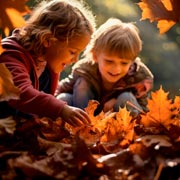 Nature ‘treasure’ or ‘scavenger’ hunts are great fun, and also educational, for children. For example, challenge them to find a pine cone, a round stone, a rock with a hole in it, a red leaf, another that’s orange, and another that’s brown, flowers similarly in different colours, a winged seed (like that of a sycamore or acer tree), a conker, a sunflower, fruit like apples, pears, or plums on a tree, cereal seeds growing in a field, and so on.
7. Set Up an Obstacle Race
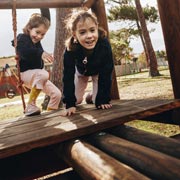 Children will also hugely enjoy making and then competing in their own obstacle race. Encourage them to set up a route through a suitable clearing, forest, field or park. Get them to mark boundaries and the course route with natural objects (sticks, rocks, stones, jumpers, etc.). Include obstacles like branches to jump over, tree trunks to run around, ditches or other similar hazards to jump over, and so on. Perhaps they can race several times and you, as the supervising adult, can time them. Whoever wins could be presented with a prize of some kind, whether it’s a purchased toy or simply a gold star sticker. It’ll be a great chance for children to let off steam, keep fit, and hone balance, coordination and motor skills.
8. Arrange a Photography Challenge
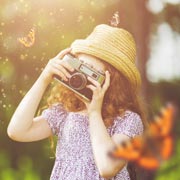 Little ones are usually familiar with the concept of photographs, especially in today’s age, with cameras on every smartphone and tablet. And, of course, there are still simple stand-alone cameras available, whether digital or using traditional film. Either way, suggest that children — with care not to break or damage the device — take photos of natural things and scenery when they’re outdoors. There could even be a competition to see who can take the best photo of a flower, insect, or scene of some kind. This activity will stimulate their creativity, encourage an understanding of scientific concepts like light and shadows, and give them a sense of responsibility as they (hopefully) look after the camera or smartphone itself. Prizes or stickers could perhaps be available for the most successful and appealing shots.
9. Set Up & Maintain a Mini Garden Area
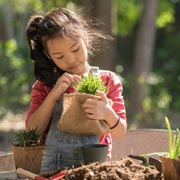 Children will love having their own mini garden. Whether it’s a small area in the household garden or simply some flowerpots or grow-bags on a windowsill or patio, there is always somewhere a child can grow plants (or even vegetables or herbs) in a household. All they need is some light, soil, and water, after all. And, of course, the care and attention of someone to look after them. Children will naturally be fascinated by the concept of growing plants, flowers, herbs, vegetables, or fruit from seeds or seedlings. Tending to them and seeing them successfully grow will also give them a sense of responsibility, achievement, and perhaps even of empathy. Children can learn so much from tending to plants.
10. Spot Wonderful Wildlife
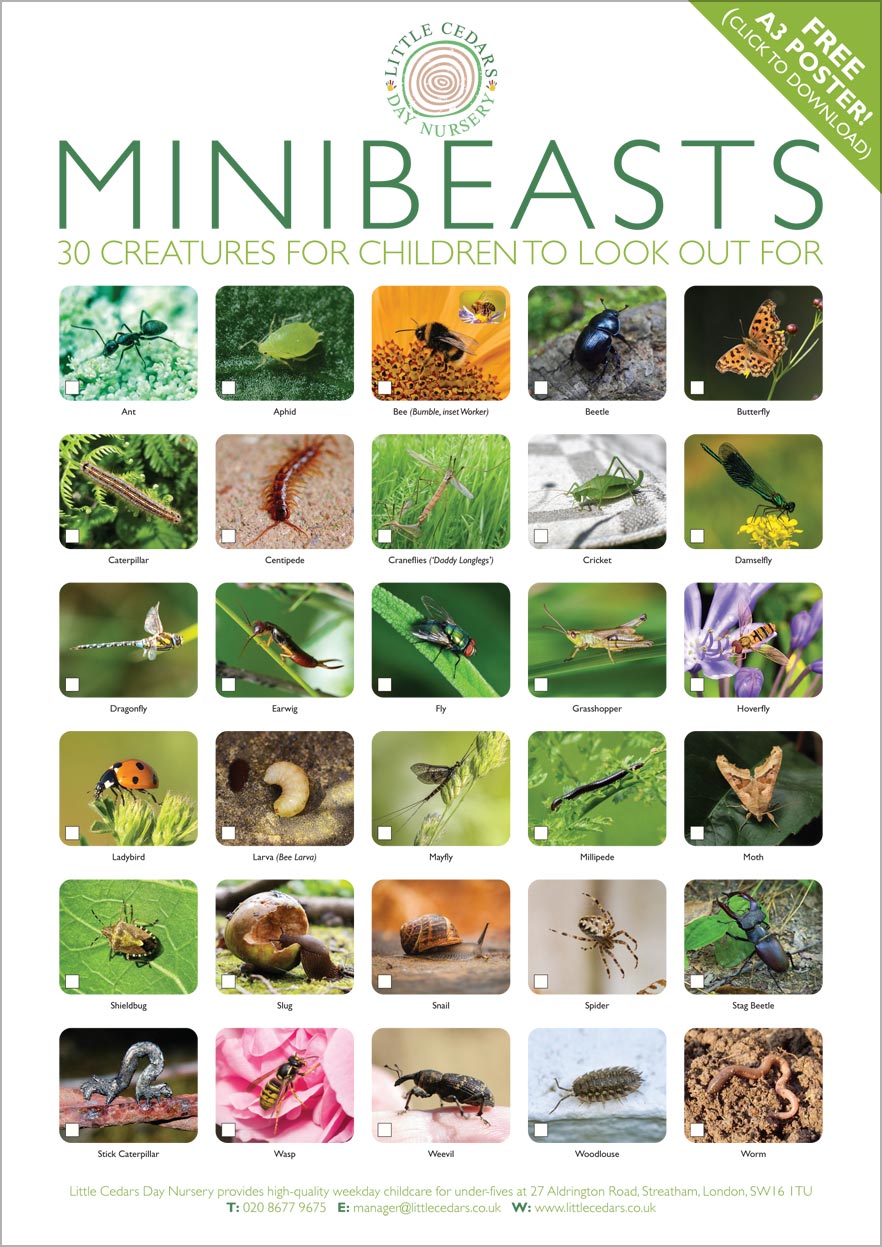
 Our final outdoor activity idea for children is wildlife spotting. Whether it’s birds, bees, insects, minibeasts, butterflies, or mammals, there are always creatures of one form or another for children to discover if they know where to look. Our free identification posters will help too, so download those (click the bold links earlier in this paragraph) and print them out for children to use as a visual reference. They can then go on an outdoor ‘safari’ of sorts — it’ll be a fun, exciting, and educational adventure and it’ll open children’s eyes to some of the delightful creatures that they share the planet with.
TIP! Children will see more wildlife if they make their gardens wildlife-friendly. Follow our guide to making a wildlife-friendly garden with your child for more information.
Outdoor Play is Good for Children
These are all simple and mostly free ideas for activities that children can take part in outdoors during the warmer months of the year. They’re fun and exciting, and many add a bit of adventure to children’s lives. Outdoor play is incredibly important to children and nature is incredibly beneficial to little ones too, so these outdoor activities can be profoundly impactful for children and can enrich their lives. Have fun, and stay safe.
* Safety Notice
* Before embarking on any outdoor activity with a child, always consider safety first and a responsible adult should supervise them, especially near hazards, water, etc.
Our High-Quality Childcare Service in Streatham
Little Cedars Day Nursery (Streatham, SW16) – for Weekday Childcare & a Good Early Years Education


We hope our outdoor activities today give parents and those caring for children some food for thought — and that children enjoy them as much as we think they will. Little Cedars Day Nursery is in Streatham, SW16, and offers a high-quality weekday childcare service for children under five. More than that, though, we give children good foundations in their ‘early years’ education, setting them up well for when they start school. In this way, they’re primed for success and ready to thrive!
Little Cedars Nursery is also near Furzedown, Tooting, Norbury, Balham, and Colliers Wood, so it may also suit families from those locations. We support many Government-funded free childcare schemes too.
Register your child for a nursery place at Little Cedars Nursery today, request a free tour, or ask any questions — we’ll be happy to help:
 As promised in our last post we now extend our
  One of the key things that pollinators like bees need is something to drink, particularly when the weather is hot. They expend a lot of energy buzzing about and can easily become exhausted without a source of water. So, a simple thing that children and families can do is to put out some small, shallow dishes of water among any flowers (whether in flowerbeds or flowerpots). The little drip trays that you put under flowerpots are perfect but any small, shallow dish will do. A critically important detail is that a ‘landing stone’ should be placed into the water so that the bees have somewhere safe to land above the level of the water’s surface.
 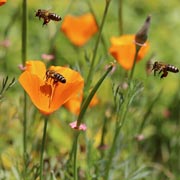 Bees, hoverflies, butterflies and all pollinators also need nectar as a food source. For our children, that means that flowers — and their pollen — are the key to attracting them. So, with adult supervision, children can sow pollinator-attracting flowers from things like poppy seeds and wildflower seed mixes. These are readily available commercially, are usually marked on the packets as pollinator-friendly, and are usually very inexpensive. They’re also easy to grow (see our
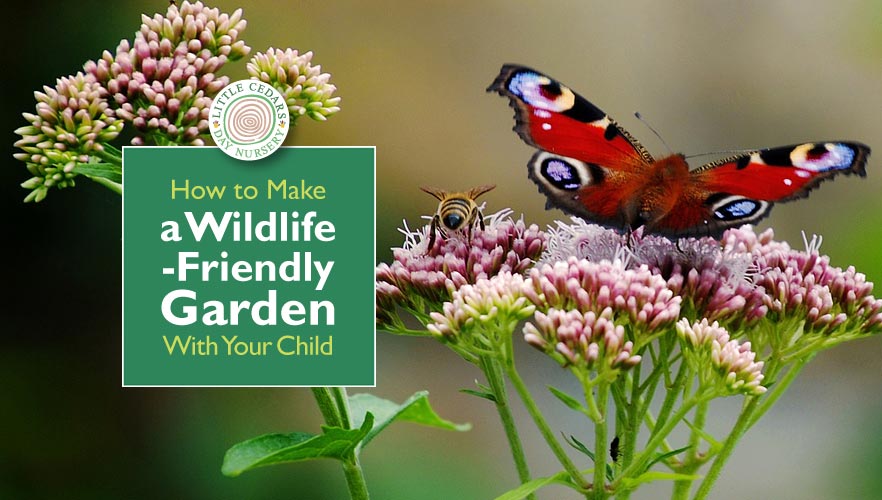
 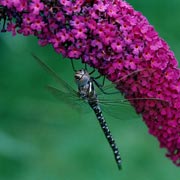 As we mentioned above, butterflies will be attracted to flowers like poppies and wildflowers. However, they absolutely love flowering Buddleia (right) and Hylotelephium (a.k.a. ‘Ice Plant’ – see main image at top), especially if they’re located in a sunny position. On a good day, children may find such plants absolutely covered with visiting butterflies and other pollinators — and these creatures are a delight for little ones and adults alike. Note, though, that parents will need to hard prune most Buddleia varieties in early Spring, otherwise, they can grow quite large. If space is limited, therefore, stick with poppies, wildflowers, and ice plants rather than buddleia.
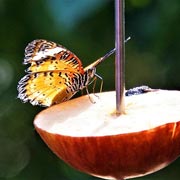 As well as enjoying the nectar from the flowers that children have planted (see above), butterflies can also be lured to children’s gardens through a kind of drink that’s also food for them. For butterflies, children simply mix up to four parts of warmed water with one part of sugar. Stir until the sugar has dissolved. Children can then drizzle the sweet solution over small slices of ripe fruit or even small cut-up pieces of a clean sponge. As with the water for the bees, these can then be placed in shallow dishes and left among flowerbeds or alongside flowerpots on a balcony or windowsill. Once they’ve discovered them, butterflies will soon begin to land to sip at this sweet food supply. Children will then be able to see their incredible beauty up close.
 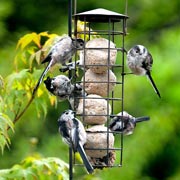 Putting out food suitable for birds is the most simple way to attract birds to a child’s garden or outdoor space. Once the birds recognise and trust it, the new food source will provide a regular stream of pretty, feathered visitors. Children will love knowing they helped to attract these wonderful creatures and have been responsible for giving them a much-needed meal. They can also use
 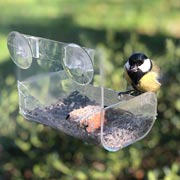 Commercially available ‘Robin peanut cakes’ and ‘sunflower hearts’ are also a big hit with many birds, and can usually be found in supermarkets or online. Whole bird-friendly peanuts are also popular with birds like bluetits and great tits, however, can be a choking hazard for baby birds during the breeding season if not crushed into tiny pieces. More information about suitable food types for birds can be found using the link in the paragraph above.
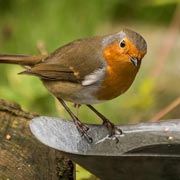
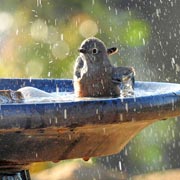 Birds need to drink and bathe themselves, so putting out water in shallow vessels like flowerpot saucers will be welcomed by them. These are best located somewhere a little secluded, e.g. in amongst flowers in a flowerbed or below overhanging shrubs or trees, rather than right out in the open. Otherwise, birds may avoid them as they’ll feel unsafe from birds of prey that sometimes view from high up in the air. If bird baths supplied are on the larger side, birds may bathe in them as well as drink from them. That’s a delight for children to see, so encourage your little one to make one or more bird baths available but also make sure of several things:
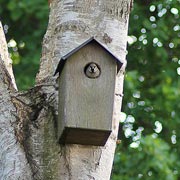 Children will also love seeing birds moving into birdhouses, which families can either make or buy, often inexpensively, and put up around gardens or properties. There are lots of different kinds, for example, blue tit boxes have a hole as an entrance whereas robins require a larger opening. Some research online may be wise and families can decide which type to go for based on what species of birds they wish to attract.
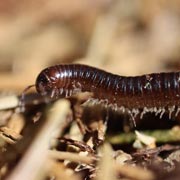 By far the best way to attract minibeasts, apart from ensuring harmful weedkillers and other nasty chemicals aren’t used around the garden, is to give them a compost heap to live in. Such places will attract minibeasts like centipedes, woodlice, millipedes, worms and many other types — perhaps even slow worms. Building a compost heap is a wonderfully worthwhile, fun, and educational activity for children to take part in and our
 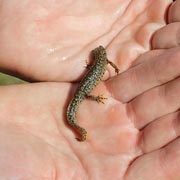 Aside from that, minibeasts and many other types of garden visitors love a wild area of the garden or outdoor space to live in, ideally with ramshackle things like flower pots, rocks, piles of rotting leaves, and rotting logs/branches for bugs, slow worms and other minibeasts to live under. Lizards, frogs, and toads may also be attracted to such areas, particularly if the area is kept damp.
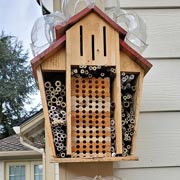 Make or buy a ‘bug hotel’ and place this in the wilderness area too, as it’ll provide a home for all sorts of bugs and insects, including some pollinators like solitary bees, bumblebees, and other minibeasts like ladybirds, woodlice, snails, spiders — even some types of butterfly potentially. Indeed, bug hotels are excellent in autumn as they will provide somewhere safe for the creatures to over-winter and hibernate. The RSPB has
 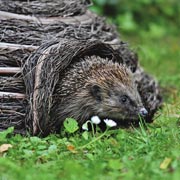 With the right preparation and if children are really lucky, they may even find that adorable little hedgehogs pay a visit. Better still, they may even move in under and raise families of adorable baby hedgehogs if the circumstances are right. Piles of leaves in wild areas, compost heaps in garden corners, unlit bonfire wood stacks, beneath sheds and where there are leaves collecting under undergrowth are all great areas for hedgehogs to stay, particularly if they’re secluded and peaceful areas away from noise, activity, and garden pets like dogs and cats. Ensuring there is a suitable gap under garden fences will also allow hedgehogs to come and go as they please, to forage for food. Ensure they’re not too big, though, if you have a pet.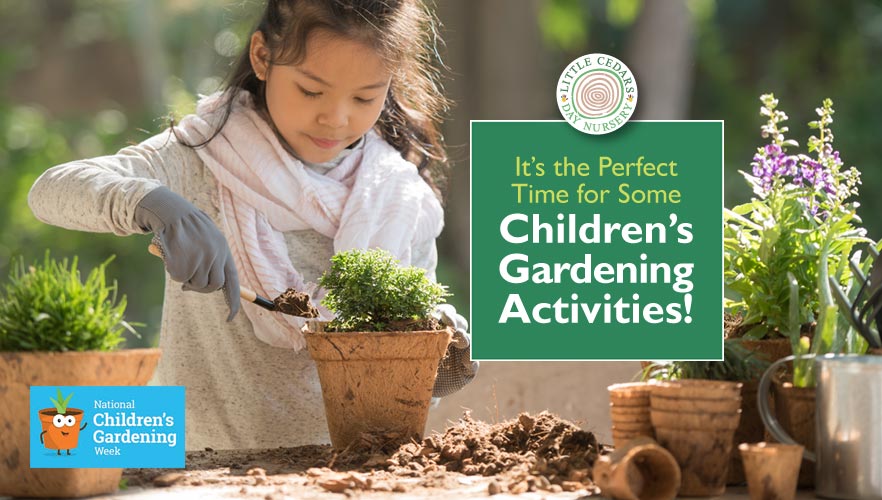
 National Children’s Gardening Week takes place each year in the UK during what’s known as the ‘warm week’ beginning right at the end of May. This year (2024) it spans from 25 May to 2 June. However, children can get involved in gardening well outside of those dates*, of course.
 This year (2024), National Children’s Gardening Week has teamed up with The World of Peter Rabbit and is encouraging children and their families to Grow With Peter Rabbit!
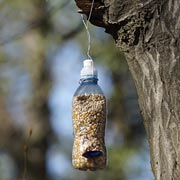 Did you know, there are some incredibly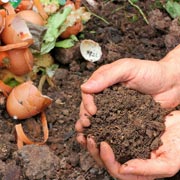
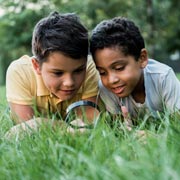 Compost heaps are also wonderful homes for minibeasts, which are also fun and educational for children to spot. Use our previously published
 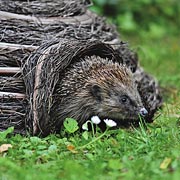 So, making a wildlife-friendly garden or area is a very worthwhile activity for children to take part in — and is educational on so many levels. See
 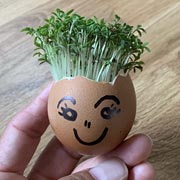 Children can do ‘gardening’ activities indoors too! Get them to
 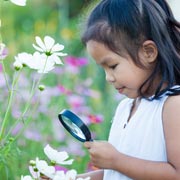 The benefits of gardening for children are many and varied and that’s why it’s such a wonderful activity to get them involved in. It will teach children many new skills and new knowledge. It’ll teach them about the circle of life, how to care and be responsible for other living things, and about the importance of looking after the planet. It will also give them an insight into where some food types come from. It is also great fun, will give children a huge sense of achievement, and may even open their eyes to the possibility of careers in horticulture, land management, food production, farming, and the like. And, of course, gardening makes the world a better place in so many ways. Let’s also not forget that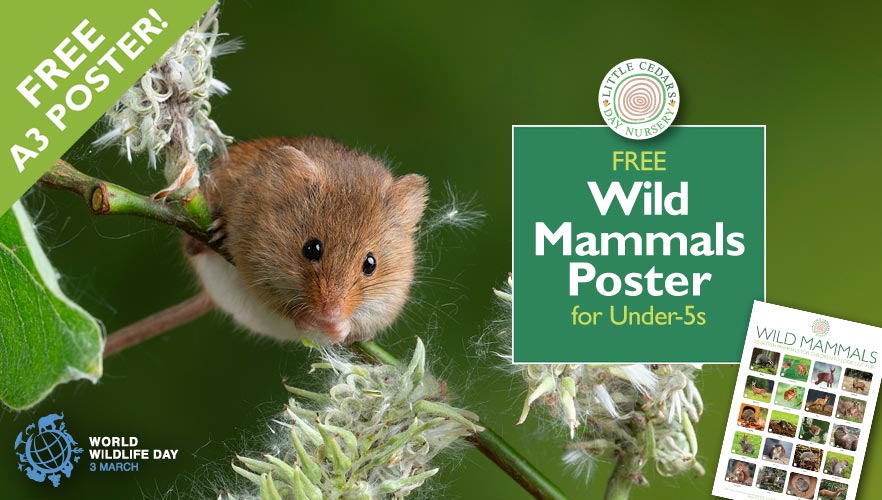
 Getting children interested in nature, and spending time around it, is extremely good for them as we’ve reported before —
 World Wildlife Day celebrates the world’s flora and fauna. It happens on the 3rd of March each year and is a way to raise awareness of the need to protect nature. That can be achieved by reducing harmful emissions, pollution, habitat loss, and the loss of biodiversity. By introducing children to the beautiful wildlife around them, children will naturally be more empathetic towards other creatures and even progress to learning about conservation matters and the impact of humans on the planet. In this way, little ones can grow into young stewards of the planet and have an active interest in protecting it going forward. Get them started today by downloading our free Wild Mammals poster — who knows where it could lead!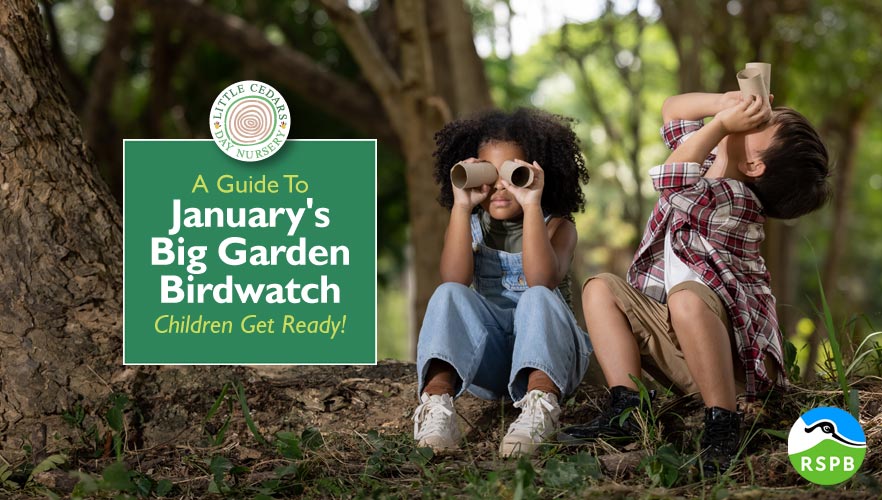
 Parents and children, don’t miss this year’s incredibly important birdwatching activity for the RSPB — and the planet — which occurs from Friday 24th to Sunday 26th January. The Big Garden Birdwatch only takes one hour, is free, and is an extremely worthwhile activity for children and families to take part in. It’s a great way to introduce children to the concept of conservation as well as getting them interested in spending time in and around nature. And, as we’ve reported before, nature is extremely good for children! In today’s post, we explain how easy it is to get your little ones involved and why taking part is a win-win-win for families, birds and nature.
 Monitoring populations of bird species every year allows the RSPB and other conservation organisations to see how the various types of garden birds are faring. Whether or not they’re doing well will be a barometer of the state of nature itself as well as that of the individual bird populations. If the RSPB and other conservation organisations can see a problem, they can then mobilise to try to do something about it. Likewise, if they see a particular bird species doing well, they can learn from that and better understand what measures are helping that particular bird population to thrive.
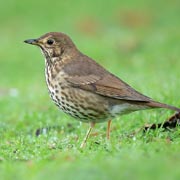 In 2023, the bird species spotted the most was the House Sparrow, followed by the Blue Tit in second place, Starling in third, Wood Pigeon in fourth and Blackbird in fifth.
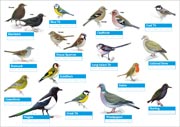 By registering you’ll also get a free guide to taking part in the event, which includes visual reference to the birds to look out for, as well as other perks like a discount on bird food and other bird feeding supplies available from the RSPB’s online shop.
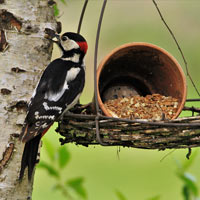 If you’re keen to attract as many birds as possible to your Garden Birdwatch count, the RSPB has you covered. As well as providing useful
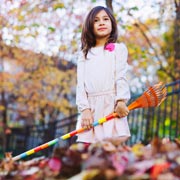 Autumn is a magical time filled with vibrant colours, falling leaves, and a wonderful quality to the air. With rustling leaves covering the ground in a myriad of hues, it’s the perfect season to engage children with the wonders of a composting activity. Composting is fun, worthwhile, and educational. It not only teaches kids about the importance of recycling and sustainability but also provides an exciting outdoor activity that connects them with nature. In today’s article, we’ll explore the joy of composting with an autumn twist, where children can harness the abundance of fallen leaves to create a rich and fertile compost for the garden. Children of all ages will love this nature-based outdoor activity and it’s a win-win in every sense — for children, nature’s flora and fauna, and the garden itself.
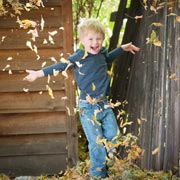 Autumn leaves are rather like nature’s confetti and they play a crucial role in composting. Perhaps explain to children how leaves provide essential carbon and nutrients that are key ingredients for a successful compost pile. Encourage them to collect a variety of leaves in different colours and shapes, so this activity becomes a stimulating treasure hunt too.
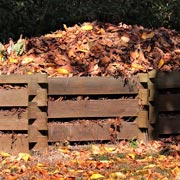 Guide children in setting up a compost bin or, in its most basic form, it could take the form of a simple pile in the garden if you have one. If not, an undisturbed corner somewhere outside will suffice. Emphasise the importance of a balanced mix of green (nitrogen-rich) and brown (carbon-rich) materials. Leaves are a fantastic source of carbon, balancing out the kitchen scraps and other green materials that you and your child may soon start to add.
 To make composting even more enjoyable, you and the children could incorporate other autumn-themed activities. For example, they could create leaf art while waiting for the compost to develop, they could decorate the compost container through painting, or they could take part in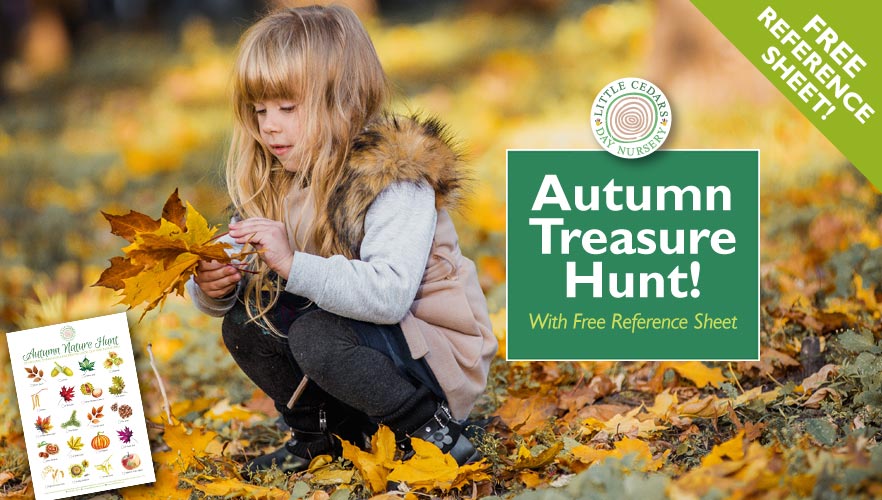
 Autumn is a time of the year when magical colour changes occur across gardens, parks and landscapes. Leaves can be seen in a multitude of different colours before falling along with seeds, ripening fruits and berries. In autumn, nature shows us a wonderful metamorphosis and it’s a time of beautifully crisp air and clear distant views. It’s all incredible to behold and also offers children some unique seasonal activity opportunities.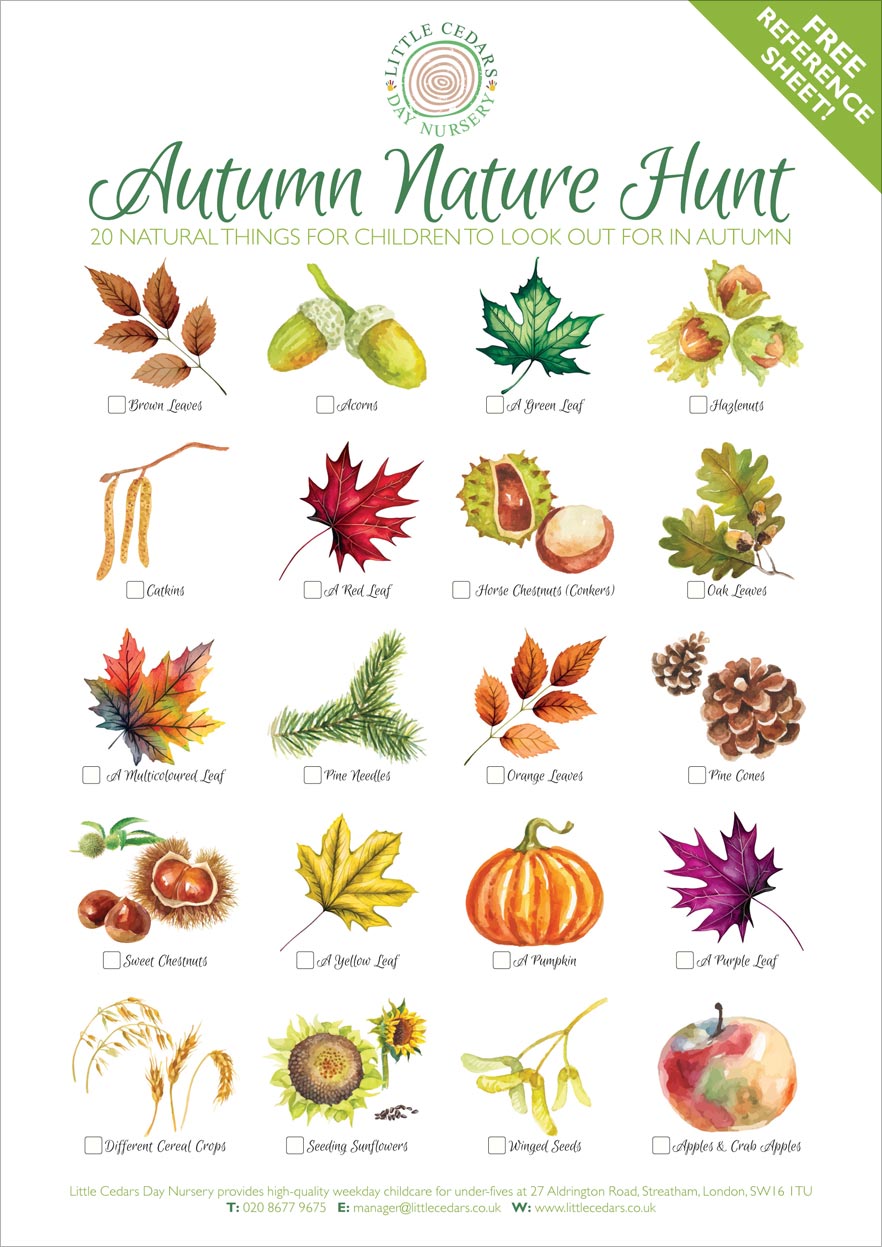
 As parents and caregivers, we understand
  Boundaries create a sense of security. Ensure boundaries are understood and that play areas have clear markers. Guide children to understand and respect these boundaries to reduce the risk of children wandering away — and potentially becoming lost.
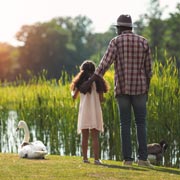 Children are naturally drawn to water, but it can pose significant risks. Ensure that play areas are far from water bodies, and when near any water source, always provide direct and continuous supervision. Even shallow water can be dangerous for little ones.
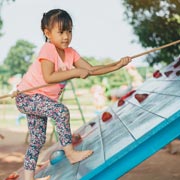 Although they’re young, children want to explore and will naturally want to climb as they get older. It’s therefore important to teach children a safe approach to climbing. This should include emphasising the importance of staying within safe heights to prevent falls, assisting with climbing technique and, of course, risk-assessing what they should and shouldn’t attempt to climb in the first place.
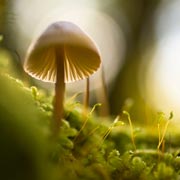 While exploring nature is exciting, it’s essential to be aware of potential dangers. Educate your child about the dangers of poisonous plants and fungi or insects that could harm them. Encourage them not to touch or eat anything unfamiliar.
 Outdoor exploration sometimes involves contact with dirt and mud. Promote hygiene by ensuring handwashing facilities are readily available and teaching children the importance of cleanliness after outdoor play.
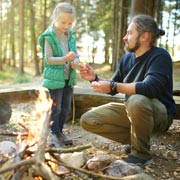 Campfire stories can be delightful and intriguing for children, but we must always prioritise fire safety. If you decide to expose them to it, children must be educated about the potential dangers of fire and always supervised during any fire-related activities. Fostering a responsible understanding around fire safety is paramount.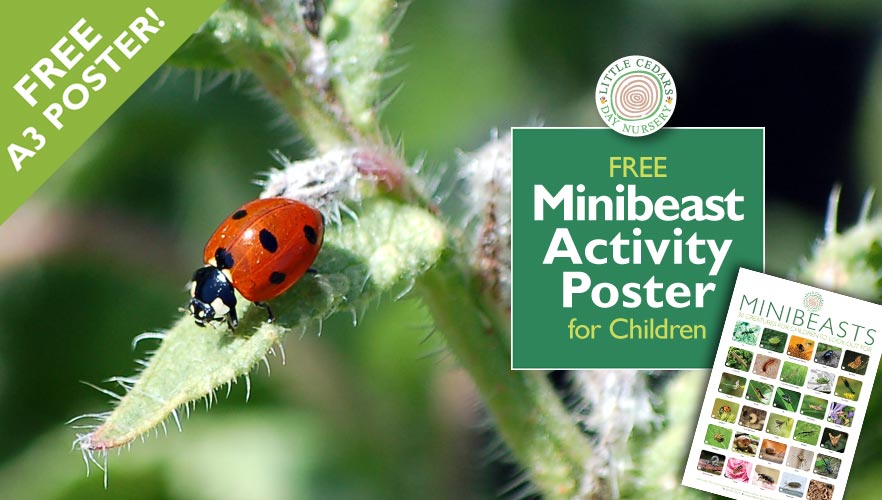
 Today’s minibeast-spotting activity is the third in a series of nature-based children’s activities and, like the others, comes with a free poster. As with the