
Sleep Consultants for Babies and Toddlers: A Parent’s Guide

 Sleepless nights are something most parents expect when a new baby arrives. But sometimes those broken nights can stretch on for months, through into toddlerhood, or even beyond. For affected families, bedtime can become a battle every night, and soon the exhaustion can build up and take its toll. High-quality sleep is important for little ones too, of course, so solving sleep problems will benefit the entire household. For parents who have perhaps tried everything without success, a sleep consultant can step in to offer support and professional guidance.
At Little Cedars Nursery, we often hear parents sharing stories of early morning wake-ups, tricky nap times, or little ones who seem determined to party at midnight. It’s important to know that these challenges are common, and they don’t mean you’re doing anything wrong. Sometimes, though, an extra helping hand can make all the difference. So, with that in mind, welcome to today’s guide to sleep consultants.


 Tantrums are a common part of life with toddlers and under-fives, but when they happen, they can be very challenging! Whether it’s a meltdown at dinner time or a dramatic on-the-floor outburst in the middle of the supermarket aisle, they can test even the most patient of parents and carers. However, it’s important to understand that tantrums aren’t a sign that something is wrong — they’re actually a normal, healthy stage of child development.
 In today’s world, electronic screens are everywhere — from TVs and smartphones to tablets and games consoles. Even our youngest children are growing up in increasingly digital environments. While technology brings many conveniences, intentionally unplugging can offer profound benefits for little ones and their families. Whether it’s for a day, a weekend, a holiday, or even longer, the value gained from a ‘digital detox’ may surprise even the most dubious amongst us. Today’s post investigates.
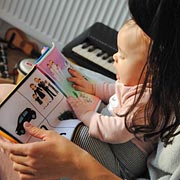 At first glance, this devotion to a single story might seem puzzling. As adults, we crave novelty and variation, and it’s tempting to encourage children to explore new titles or gently steer them towards something ‘different’. But this desire for repetition is not only entirely normal for infants, toddlers and preschoolers — it’s actually a sign of healthy development. In fact, there’s a great deal happening beneath the surface every time your child requests a beloved book for the umpteenth time.

 Summer is in full swing from late June until late September*. It’s a wonderful season that brings with it many amazing things for children and families to look out for in nature. Indeed, that’s what today’s suggested activity is all about. We’ve created a free-to-download poster that highlights 20 things from nature that children, including under-fives, can look out for when they’re outdoors†. Whether it’s in gardens, on walks with family members, at the park, or out in the countryside, summer’s natural wonders are incredibly abundant when you take time to look.
 Concepts involving numbers and counting can sometimes be tricky for some preschoolers to grasp. Making sense of such concepts is important, though, because many aspects of children’s day-to-day lives will require an increasing understanding of numbers as time passes. Whether it’s knowing if a quantity of something is more or less than something else, how much of an ingredient is required in a mixture, or what change to expect from a purchase, children will need to grasp number-based concepts — and understand their real-world applications. What’s more, they’ll need to do this sooner rather than later if they’re to thrive, not least when they leave early years settings to begin school.
 With warmer weather and plants and trees flourishing wherever we look, it got us thinking about some creative children’s activities, inspired by nature. One simple starting point is the humble leaf, which can lend itself to a surprisingly wide range of creative activities for children to enjoy. Such activities will not only draw children’s attention to nature, which is incredibly good for them, but also help young children develop new skills, stretch imaginations, and boost creativity. Today’s activity ideas are also so simple that they will be suited to children under five (under adult supervision)* as well as older children. Take a look — and have fun!