Parenting can feel overwhelming at times, especially in the early years when babies, toddlers and preschoolers are growing and changing rapidly. So, it’s natural for parents to self-reflect and ask themselves whether their particular parenting approach is the most appropriate for their child. Are they getting it right? Do they intervene too much, are boundaries too vague, is discipline too lenient, or are they too strict? It’s often difficult to know what’s best. Moreover, what exactly are the differences between gentle parenting, permissive parenting, authoritative parenting and the many other parenting styles? It can be confusing!
In light of such conundrums, today’s guide helps to briefly explain many of the different parenting styles that you may have heard of or read about. These are broad parenting styles that have, over time, been identified by researchers, early years professionals, social media, and the press. They aren’t labels to judge parents by, but helpful ways of understanding how adults can balance warmth, boundaries, involvement and independence to varying degrees. Each combination will affect a child — and outcomes — in different ways. What’s more, your family situation, the child’s age, the stage of their development, and other factors may all play a part in deciding which could be the best fit. Take a look and see which style(s) may be the most appropriate for you and your child.
Authoritative parenting
 Authoritative parenting is often seen as a strong, nurturing foundation for early childhood. It’s balanced somewhere between permissive parenting and authoritarian parenting.
With the authoritative parenting style, parents set age-appropriate rules, while children are encouraged to express their feelings and opinions. Parents remain calm, confident leaders and reason with their children. Such an approach can be particularly reassuring for toddlers and preschoolers, who need adults to set safe limits while they learn to better understand the world around them.
Benefits: Children raised with this approach often develop strong self-esteem, emotional regulation, and resilience. They tend to feel secure, understood, and confident in exploring the world. Evidence also suggests that they are higher academic achievers.
Challenges: This style requires time, emotional energy and consistency on the part of the parent, which can sometimes be difficult, for example, during periods of stress or exhaustion.
Learn much more about authoritative parenting here.
It’s important not to confuse Authoritative parenting with Authoritarian parenting, which we’ll come to next.
Authoritarian parenting
Authoritarian parenting is a style that’s highly structured, but low in emotional flexibility. With this parenting style, parents expect blind obedience without question, don’t often explain the reasons for rules, and are highly controlling.
Benefits: Children may learn discipline and clear rules quickly.
Challenges: This approach can limit emotional expression, independence and confidence. Some children may comply outwardly while struggling internally, for example, with anxiety and low self-esteem.
Gentle parenting
Gentle parenting is rather like a softer variant of authoritative parenting and uses a relationship-led approach that’s rooted in empathy.
Boundaries still exist, but they are maintained calmly and without punishment. Rather than constantly saying ‘No!’ and ‘Don’t do that!’ parents collaborate with children and agree what they can instead do. This can be especially helpful in the early years, when babies and toddlers are learning to understand big emotions that they can’t yet understand or control.
Benefits: Gentle parenting supports emotional intelligence, secure attachment and trust. With this approach, children learn that their feelings are valid, respected, and manageable, whilst being offered age-appropriate choices within clear boundaries set by parents.
Challenges: If boundaries are allowed to become unclear or inconsistently maintained, gentle parenting can be confusing to the child, or unintentionally drift towards permissive parenting.
Learn more about gentle parenting here.
Permissive parenting
Permissive parenting (sometimes also known as ‘indulgent parenting’) utilises a loving and warm approach towards children, but is often under-structured due to a reluctance to enforce rules.
The intention is usually to protect the relationship and prioritise happiness, especially during emotionally intense toddler or preschool years. However, this comes at the expense of both structure and consistency, which are limited.
Benefits: Children may feel emotionally supported, have high self-esteem, and feel free to express themselves. They are often also quite resourceful.
Challenges: A lack of clear boundaries can make it harder for children to develop self-regulation. They can therefore become less responsible and lack self-discipline. Limits would otherwise help children feel safe and better understand expectations. Studies have even shown a correlation between a permissive upbringing and sleep problems, as well as somewhat lower levels of academic performance.
Helicopter parenting
Helicopter parenting means that parents are very involved — sometimes too involved — often micromanaging the child’s every move.
Over-intervention (or ‘over-parenting’) can limit opportunities for problem-solving, independence and resilience in children. In early years settings, children benefit from trying things for themselves and learning through trial and error — with a trusted adult close by to offer guidance if needed, rather than stepping in immediately.
Benefits: Children may feel well-supported and protected.
Challenges: Over-involvement can reduce resilience, independence, problem-solving abilities, and confidence, having reduced opportunities for the child to learn from mistakes. It has also been linked to a feeling of entitlement when children are older, anxiety, depression, and more.
Velcro parenting
Velcro parenting denotes a strong level of closeness and a slow level of separation — a kind of hyper-involvement.
With velcro parenting, the parent seems closely attached to the child in every way — physically, emotionally, socially, and so on. They will shadow their child’s activities and experiences, getting closely involved at every step.
Benefits: Children may feel deeply connected, nurtured, understood, and emotionally secure in their parents’ presence.
Challenges: This style can unintentionally increase separation anxiety and make transitions harder, particularly when babies grow into toddlers and begin nursery or preschool. Independence and resilience may develop more slowly. Parents may also be adversely affected by this parenting style, particularly if the child has, in turn, become a ‘velcro child’ or baby, leading to separation anxiety.
Uninvolved parenting
Uninvolved parenting (also sometimes known as ‘neglectful parenting’) is evidenced by low engagement, a low level of warmth, and limited support for the child.
This parenting style is sometimes linked to external pressures, stress, or a lack of support. It’s important to note that families that it applies to may need understanding and help, rather than judgement.
Benefits: It seems counterintuitive, as a parent, to think of any benefits of uninvolved parenting for a child. That said, children affected may develop independence, self-reliance and problem-solving skills — purely out of necessity.
Challenges: Children may struggle with emotional security, attachment, behaviour and self-worth due to a lack of parental warmth, support, and consistent boundaries.
Is there a ‘best’ parenting style for young children?
Research consistently suggests that approaches combining warmth, responsiveness and clear boundaries — such as authoritative and well-applied gentle parenting — best support children’s emotional wellbeing and long-term development, particularly in the crucial early years from birth to five.
At Little Cedars Day Nursery, we work in partnership with families, recognising that parenting — especially in the baby, toddler and preschool years — is a journey. By understanding these different styles, parents can make informed, confident choices that support their child’s growth, both at home and in early years settings. We may publish more comprehensive information about each individual style in future blog posts, so do come back to our blog area regularly — new articles are added at least twice every month.
Weekday Childcare at Little Cedars Day Nursery, Streatham

 Little Cedars is a wonderful Streatham nursery that provides first-class weekday childcare to families with children under five. Perfectly located for those in Streatham, Streatham Common, Streatham Hill, and Streatham Park, we are also conveniently close to those nearby in Tooting, Furzedown, Balham, Norbury, and Colliers Wood. We support free childcare schemes for eligible children aged from just 9 months and have a ‘Good’ Ofsted rating in all categories.
Get started on your application today, arrange a tour, or get in touch with any questions — we’re here to help!



 Little Cedars Nursery is a high-quality childcare provider in Streatham, providing excellent weekday childcare to families in Streatham, Streatham Common, Streatham Hill, and Streatham Park as well as those nearby in Tooting, Furzedown, Balham, Norbury, and Colliers Wood. The nursery has a good Ofsted rating and is happy to support government-funded childcare for eligible families with children as young as 9 months of age.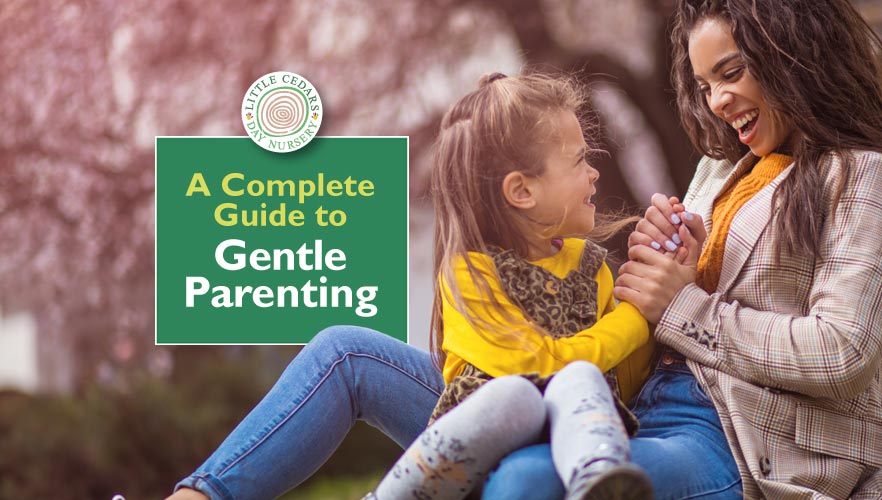
 At the heart of Gentle Parenting is empathy, kindness, respect, and a close bond between a parent and child. Such connections are given priority over control and obedience, and there are no punishments as such. Instead, gentle parenting uses a type of “positive discipline” where children’s behaviour is guided softly, in a measured way, without fear, threat, or punishment. ‘Gentle’ parents work with children to solve a problem collaboratively while, of course, acting to keep them and everyone else safe.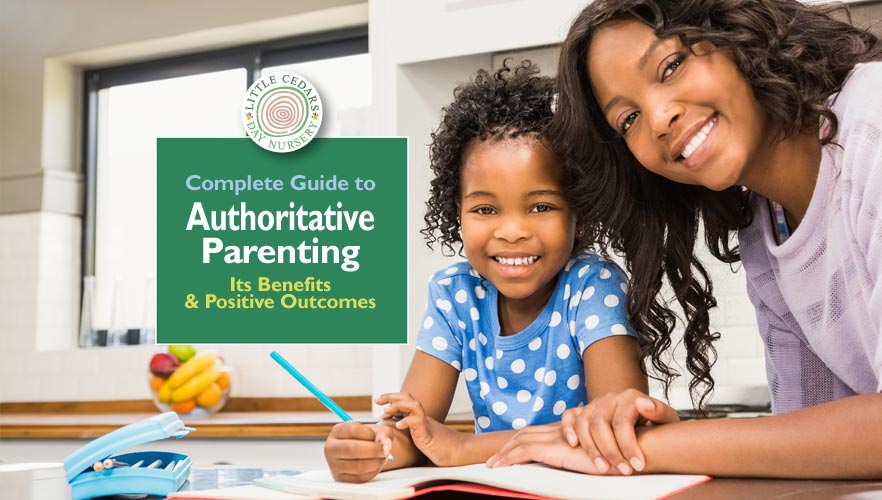
 Authoritative parenting is often seen as a strong, nurturing foundation for early childhood. It’s balanced somewhere between permissive parenting and authoritarian parenting.
 Authoritarian parenting is a style that’s highly structured, but low in emotional flexibility. With this parenting style, parents expect blind obedience without question, don’t often explain the reasons for rules, and are highly controlling.
 Permissive parenting (sometimes also known as ‘indulgent parenting’) utilises a loving and warm approach towards children, but is often under-structured due to a reluctance to enforce rules.
 Helicopter parenting means that parents are very involved — sometimes too involved — often micromanaging the child’s every move.
 Velcro parenting denotes a strong level of closeness and a slow level of separation — a kind of hyper-involvement.
 Uninvolved parenting (also sometimes known as ‘neglectful parenting’) is evidenced by low engagement, a low level of warmth, and limited support for the child.



 Except for Safeguarding, the new Report Card will show Ofsted’s evaluation of each of the assessment areas as one of the following:


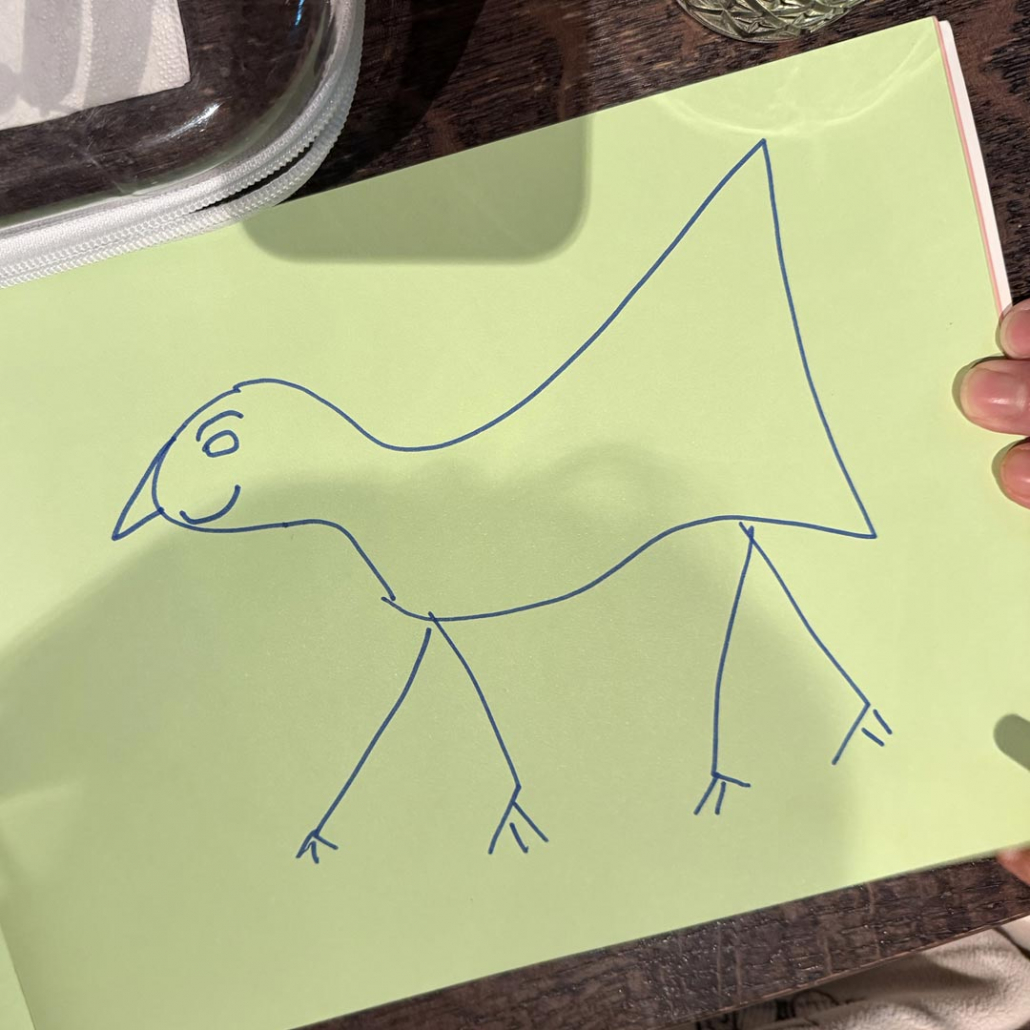



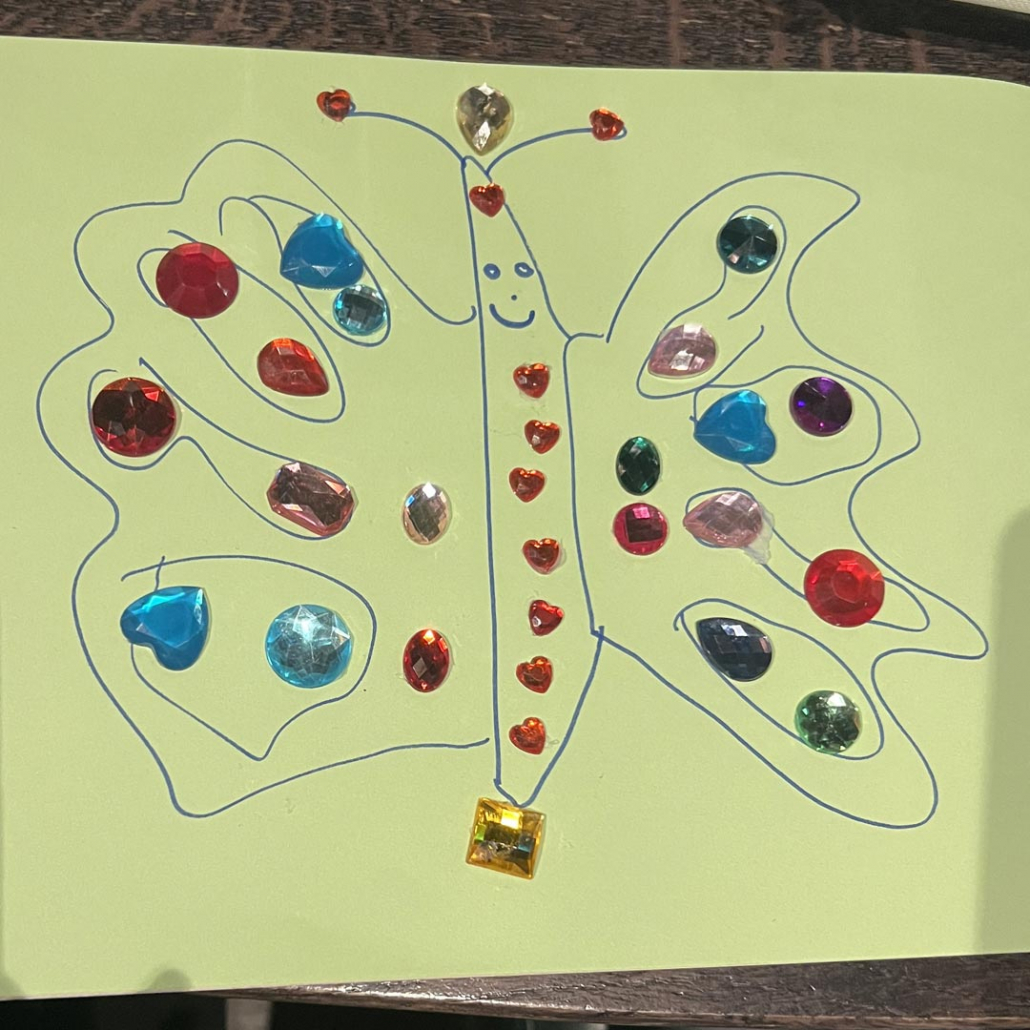





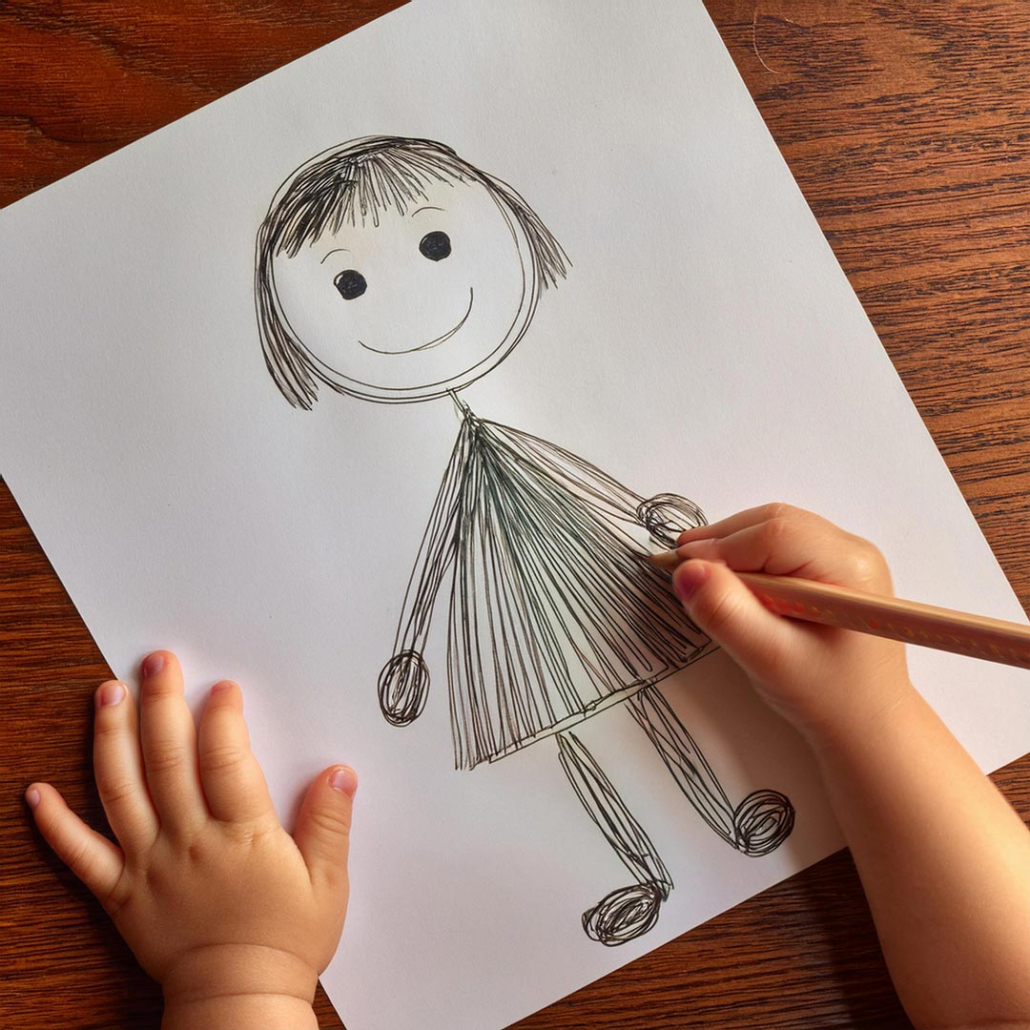


 Each year on 20 November, families, nurseries, and schools around the world mark World Children’s Day — a global celebration of children and a reminder that every child deserves to be safe, loved, and heard.
 At Little Cedars Nursery, we believe childhood should be filled with discovery, laughter, and a sense of belonging. Each day presents countless opportunities for children to explore their world, build friendships and develop confidence in who they are.
 The values behind World Children’s Day are deeply woven into the early years. When children feel valued and respected, they learn to value and respect others. Through play, they develop empathy — comforting a friend who feels sad, or cheering when someone else achieves something new.
 Even the youngest children have ideas, preferences, and opinions — and part of our role is to listen carefully to them. That might mean noticing a baby’s cues and interests, or responding when a toddler points out something new they’ve discovered.
 While World Children’s Day falls just once a year, its spirit is something we celebrate every day. Each time a child is encouraged to speak up, to show kindness, or to follow their curiosity, they’re practising the values that shape a fair and caring world.
 Childhood passes so quickly — a blur of breakfast times, nursery drop-offs, and bedtime stories. Yet every so often, something extraordinary happens: a moment that will light up a child’s eyes and linger in their memory for years to come. These are the magical moments that they never forget. They’re also moments that help shape how children see the world, their place within it — and sometimes even themselves.
 Psychologists tell us that children build their sense of self through experiences that stir strong, positive emotions — especially awe, wonder, joy, and belonging. These feelings act as emotional anchors, shaping how safe, capable, and loved a child feels. When parents or caregivers create a moment that makes a child’s heart race or eyes widen with joy or wonder, they’re not just giving them a fun memory — they’re helping to build emotional security that lasts well into adulthood.
 Magical childhood memories do not require grand holidays or costly toys. They’re far more likely to spring from connection, surprise, wonder, and imagination.
 On a clear night, gently wake your child and wrap them in a blanket to watch a meteor shower or count shooting stars. Tell them about the Northern Lights, how they can wish on a star, how astronauts are planning to travel vast distances to Mars, and give them inspiration for their dreams. The quiet awe of the night sky will stay with them forever.
 Leave a tiny note or drawing from the “garden fairies” or “forest pixies” thanking your child for something kind they’ve done — perhaps watering houseplants or helping a friend or sibling. It’s a simple act that blends imagination with a message of kindness and care. Perhaps take it a step further and encourage little ones to make mossy beds for the fairies, and a little home-made miniature shelter for them to sleep in. Take photos of them as a memento for your child.
 Create small rituals that return every year — picking flowers in springtime to display around the home, having a “summer-solstice supper” in the garden, or putting out biscuits and carrots on Christmas Eve for Santa’s reindeer — be sure to show your little one how the carrots have been nibbled on Christmas morning! Such traditions will give children a comforting rhythm and a sense that life’s changes can be filled with fun and joy.
 Pause for half an hour to watch the sunrise or sunset together, make wishes while blowing dandelion seeds into the breeze, or follow a butterfly in the park to see where it leads. These small acts teach children that magic is woven through the everyday world — they just have to stop a while and notice it sometimes.
 As adults, those memories often become emotional landmarks: the glow of torchlight in a tent, the spectacle of a meteor streaking across the sky, the distinctive smell of campfire food being carried on the wind, and telling stories beneath a blanket. Such recollections help shape optimism and emotional well-being long after childhood ends. They are also the moments that, years later, children will recall fondly and still talk about.