
Today we are outlining some fantastic rainy-day activities that will turn an otherwise dull day into an exciting adventure for children. When the weather keeps little ones indoors, it can sometimes be a challenge to keep them entertained without resorting to screen time. Fortunately, there are plenty of fun and engaging rainy-day activities to spark their creativity, encourage movement, and keep boredom at bay — take a look! Perhaps bookmark this post so you have these exciting activity ideas ready for when the weather takes a turn for the worse.
Indoor Adventures & Imaginative Play
Indoor Obstacle Course
 Transform your living room into a mini adventure zone. If you don’t have existing adventure equipment, perhaps use cushions and make tunnels from blankets draped over furniture. You can also create masking tape ‘routes’ on the floor to mark out an exciting course for little ones to navigate, crawl through, jump over, and balance along. You can add a timer to make it a fun race or include challenges like hopping on one foot or crawling backwards. This is a great way to build gross motor skills while having loads of fun.
Treasure Hunt
 Hide small toys or objects* around the house and give your child simple clues or a checklist to find them. This activity encourages problem-solving and keeps them engaged in an exciting mission. Perhaps introduce themes, for example, a pirate treasure hunt with a ‘treasure map’ or a nature scavenger hunt using items like leaves or toy animals.
Den Building
 A few sheets stretched over furniture, with blankets, pillows, and child-safe* LED fairy lights below, can create a cosy hideaway. This can be used for storytelling, imaginative play, or simply a quiet space to relax. Encourage your child to bring their favourite books and stuffed animals inside, to make it their own secret retreat. Den building helps encourage creativity, teamwork, and a sense of independence.
Fancy Dress & Role-Play
 Let your little ones dress up as pirates, fairies, princesses, or superheros and encourage them to act out their own stories. Role-playing helps boost their imagination, creativity, and confidence. Provide props like child-safe* toy swords, wands, or kitchen utensils as pretend play items to expand their stories. Acting out different scenarios enhances communication skills and self-expression.
Creative & Messy Play
Painting with Unusual Tools
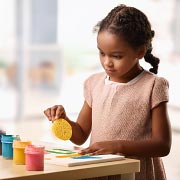 Swap traditional paintbrushes for sponges, cotton pads, or even cut vegetable fingers or potato ‘stamps’. Using unusual tools to apply paint allows children to explore different textures and get creative with their masterpieces. You can also use things like leaves, or child-safe kitchen utensils, to achieve different effects. Let them mix colours and discover new shades while experimenting with new application techniques.
DIY Salt Dough
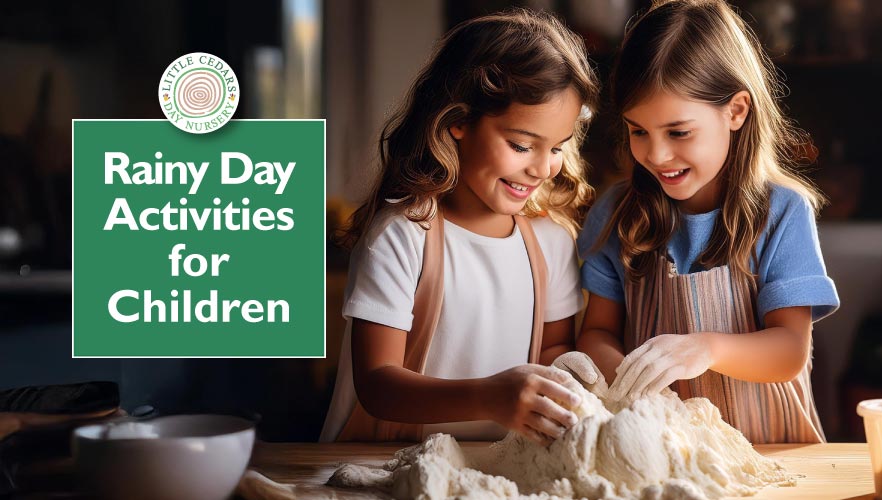
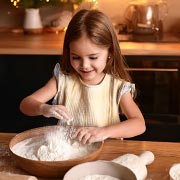 Help your child make their own salt dough with flour, salt, and water. Moulding and shaping salt dough is a great sensory and motor skill activity. While supervising children for safety, provide cookie cutters, rolling pins, or stamps so they can make different shapes and imprints. You can also add child-safe food colouring for extra sensory fun.
Sticker & Collage Fun
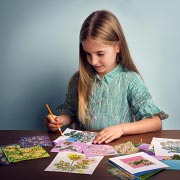 Give your child a mix of stickers, old magazines, and child-safe glue sticks to create their own collage artwork. This is a great way to develop fine motor skills. Set up themes such as Under the Sea or Space Adventure to inspire their creativity. When finished, perhaps display their artwork on the fridge or a wall to encourage pride in their work and nurture their sense of achievement.
Big Cardboard Box Creations
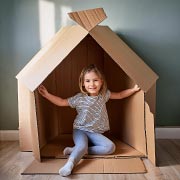 A large cardboard box can become a rocket, a car, or a house with just a little imagination. Provide crayons or water-based markers and stickers for decoration and let their creativity take over. You can cut out* windows, and doors, and even make a steering wheel for them. Encourage storytelling by asking them where their box creation will take them.
Science & Sensory Play
Sink or Float Experiments
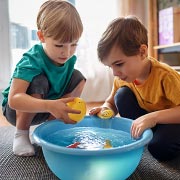 Closely supervising* children for safety, fill a washing-up bowl with water and let them guess whether different objects will sink or float. This simple science experiment is both educational and fun. You can extend the activity by discussing why some things float and others sink, teaching basic physics in an engaging way.
Rainbow Rice or Pasta
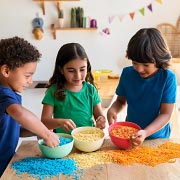 Dye dry rice or pasta with child-safe food colouring for a colourful, ‘scoop-able’ sensory play activity. Once the dye has dried, provide spoons, cups, and small containers for pouring, scooping, and mixing. This activity helps develop fine motor skills while being visually stimulating.
Cloud Dough
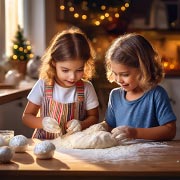 (While supervising children*): mixing flour with baby oil or vegetable oil will create a soft, mouldable cloud dough that feels like wet sand. We suggest 8 parts of flour with 1 part oil. Add a few drops of child-safe food colouring for an extra sensory element. Hide small toys or wooden building blocks inside for children to discover and dig out, adding a treasure-hunting twist to the activity.
Ice Excavation
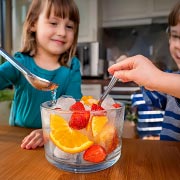 Freeze fruit like strawberries, orange segments, or suitably sized small toys in ice. Once you have removed them from the freezer, let children “rescue” the fruit and objects from the ice by using warm water and spoons. This activity promotes patience and problem-solving skills with a scientific twist. You can add child-safe food colouring to the water before freezing for a more visually engaging experience.
Cooking & Baking Fun
Make Your Own Pizzas
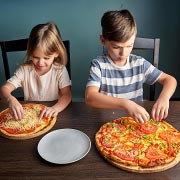 Provide ready-made bases, tomato sauce, cheese, and toppings for kids to assemble* their own mini pizzas. Encourage them to arrange toppings into faces, pictures, or patterns, making the activity both fun and delicious.
Decorate Biscuits
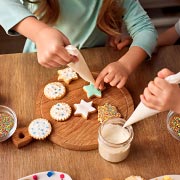 Applying icing and sprinkles to cookies or biscuits makes for a fun and tasty decorating activity. Let children experiment with different patterns and colour combinations, encouraging creativity and hand-eye coordination.
Milkshake or Smoothie Making
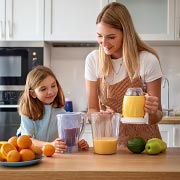 Let children choose their ingredients and blend* fruit with milk or yoghurt to make delicious and nutritious drinks. If they’re old enough, are closely supervised, and it’s safe for them to do so, let them help with mixing. Once the smoothie mix is ready, use fun paper straws or cups to make it feel like a special treat.
Music & Movement
Dance Party
 Play your children’s favourite tunes and have a dance-off! A dance party is great for burning off extra energy indoors and it’s immense fun. Children can swirl paper ribbons or strands of coloured tissue paper for added fun and movement when they dance. Dancing helps children stay fit and is also good for honing coordination, balance, and motor skills.
Musical Statues or Musical Chairs
 Musical statues and musical chairs are classic games that never fail to bring laughter and excitement to a rainy day. Add fun challenges like dancing in slow motion or pretending to dance like a robot and it’s sure to be a big hit with kids!
Home-made Instruments
 Create shakers using rice or dried pasta in bottles — or use pots and pans as drums, perhaps using a wooden spoon. Encourage your child to form their own mini band. Different materials and a range of cardboard boxes or Tupperware-style tubs will allow children to experiment with a variety of possible sounds. It’s very creative!
Rainy days don’t have to mean boredom or resorting to electronic screens for entertainment. With a little creativity, you can turn a grey day into an opportunity for fun, learning, adventure, and bonding. Whether your child loves arts and crafts, energetic activities, or sensory play, there’s something here for everyone. So the next time the rain pours down, try out some of these rainy-day activities and make indoor play just as exciting as the great outdoors!
Nursery Places at Little Cedars Nursery, Streatham

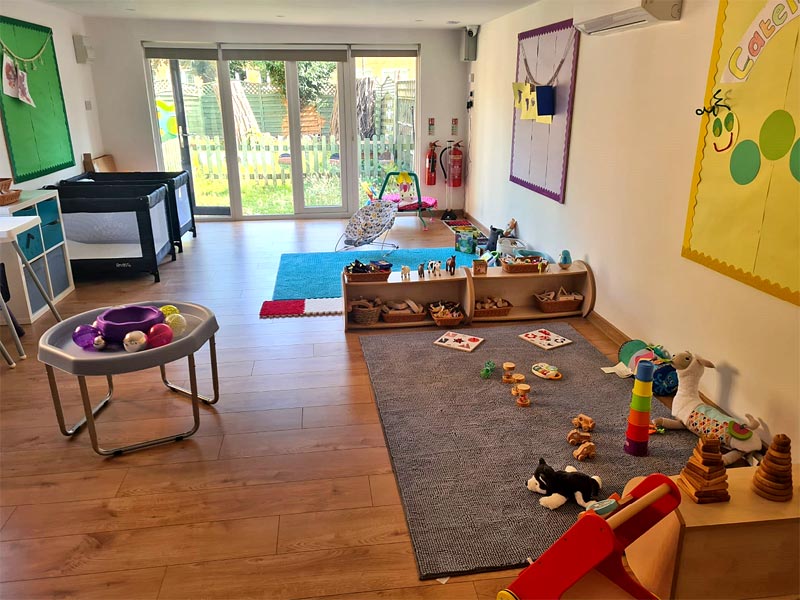
 Little Cedars is a wonderful nursery in Streatham in London SW16. Here, babies, toddlers, and children under five are nurtured and given all the opportunities they need to grow as individuals and absolutely flourish. It’s a warm, welcoming environment where they have fun, are safe and feel valued. Each child has a Key Person who, along with other team members, ensures they have all the tools they need to excel and achieve personal bests in every area of their learning and development. In this way, they will be primed and prepared to thrive from the moment they leave Little Cedars to begin school.
As a nursery in Streatham, we will also be a convenient choice for those looking for nurseries near Streatham Common, Streatham Hill, Streatham Park, Tooting Common, Tooting, Tooting Broadway, Furzedown, Balham, Norbury and Colliers Wood. Get in touch today to arrange a guided visit with your child or ask any questions. We’re here to help!
* N.B. Supervise children and ensure they avoid anything dangerous, including possible choking hazards, button batteries, heat sources, trip hazards, sharp objects, etc. Also ensure that children wash hands and fingers thoroughly after activities, especially those involving food, oil, dye, leaves, etc.


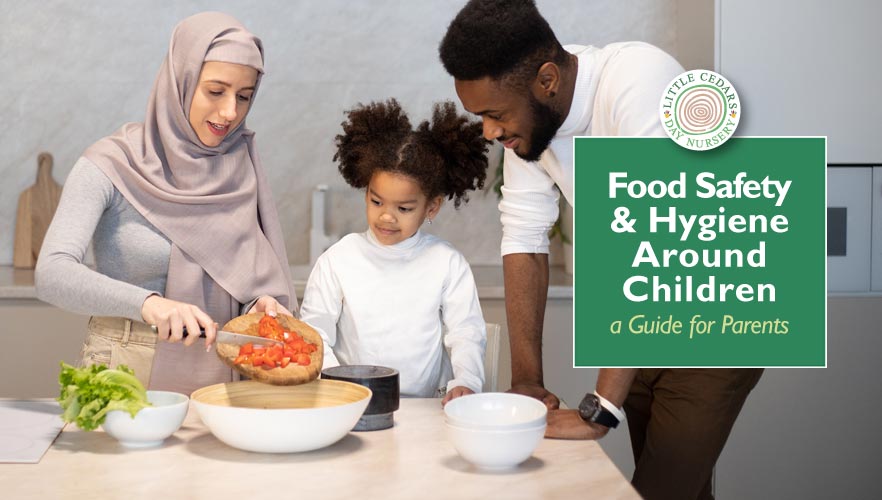
 With all the food and feasting associated with Christmas, it got us thinking about food hygiene and safety for children. Aside from keeping alert to possible allergens, parents need to be careful to ensure families remain safe from illnesses caused by food hygiene mishaps. After all, such illnesses can be particularly dangerous to little ones, who are fragile, but can be largely avoidable when good hygiene measures are taken. With that in mind, today’s post outlines various ways in which parents can stay on top of hygiene around the preparation of food for their children. And, of course, such measures will keep adults safer too.
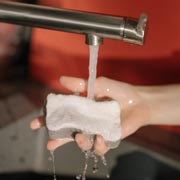 Ensuring the food preparation environment is clean and hygienic will reduce the chance of microbes, including germs and viruses, contaminating food. Wiping down with warm, soapy, water on clean dish cloths is ideal for many such tasks. Anti-bacterial sprays are useful but should not be allowed to contaminate food, plates and cutlery etc. directly or indirectly.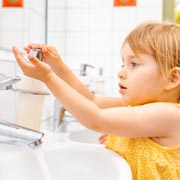
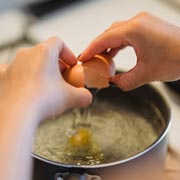 Only feed children, especially babies and under-fives, age-appropriate food/meals. This is very important because many foods contain too much salt, sugar and saturated fats for young children. Some other foods can contain dangerous levels of toxins or even heavy metals.
 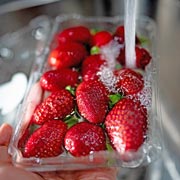 Always thoroughly wash vegetables, fruit and salads and, when appropriate, peel vegetables before use.
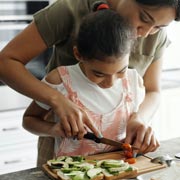 It’s hugely beneficial if children learn about food safety and proper hygiene associated with its preparation. Such things are useful life lessons and will help to keep them more safe and free of illnesses and nasty bugs. Teach them by example whenever possible. A great start is to encourage them to thoroughly wash their hands and fingers with warm, soapy water before preparing or eating food. They should also be encouraged to sit down at the table and be in a calm state before eating. This will help to better ensure food does not become contaminated or knocked onto a dirty floor. It will also reduce the chance of the child choking on food.
 Any successful storytelling nook needs to be warm, cosy, quiet and comfortable. That means choosing a corner or recess of some kind in the home that’s away from distractions like TVs and game consoles. Somewhere that’s not used as a thoroughfare by other family members will also help. Wherever you choose, it also needs to be warm. Therefore, somewhere away from draughts is required, so avoid being too close to entrances and exits to the outside. A corner of a quiet room or a tranquil alcove are therefore often ideal spots for your child’s storytelling nook.
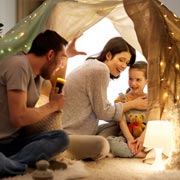 Whether reading from a book or creating a new story off the top of one’s head, there’s something that really brings a story to life — being animated and expressive during storytelling, rather like actors might do. That’s true whether it’s the adult or the child telling the story.
 Do consider adding a storytelling nook or reading corner to your child’s home. They’re great vehicles for escapism, are incredibly worthwhile, and offer potentially magical experiences for your child. And, if you go the extra mile to make them cosy, immersive and special, they will encourage your child to love reading and creating new adventures using their imagination. Storytelling nooks and reading corners can open up whole new worlds to your child and be a wonderful antidote to electronic screens, gloomy weather, and more limited daylight during winter months. What’s more, they’re a great way for all parties to grow deeper bonds through shared periods of exquisitely immersive, high-quality time.


 Last year,
  As well as helping families financially, the scheme expansion should help children begin their early years education even earlier, for many, which has been shown to be hugely beneficial to them. The free childcare provision will also help many more women back into the workforce. Children, families and the economy should all benefit.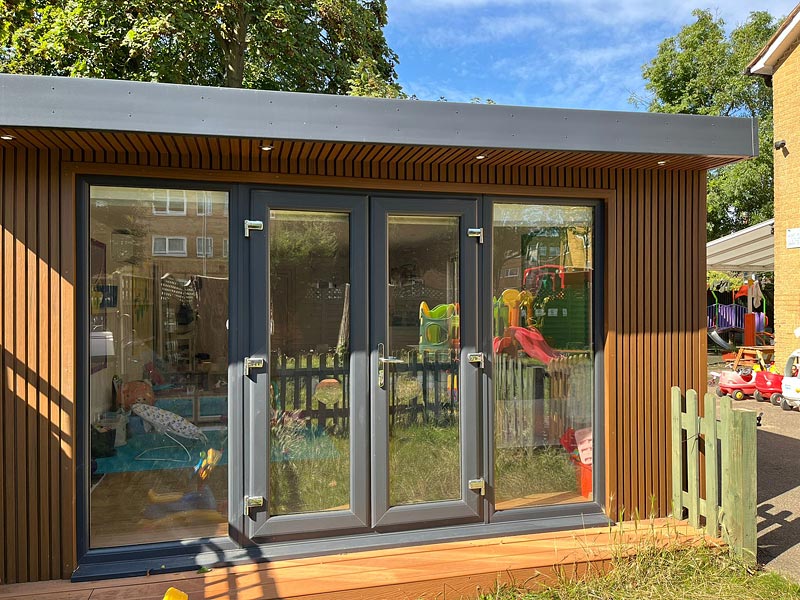
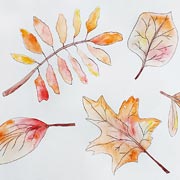
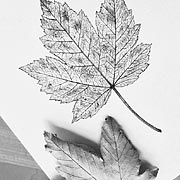



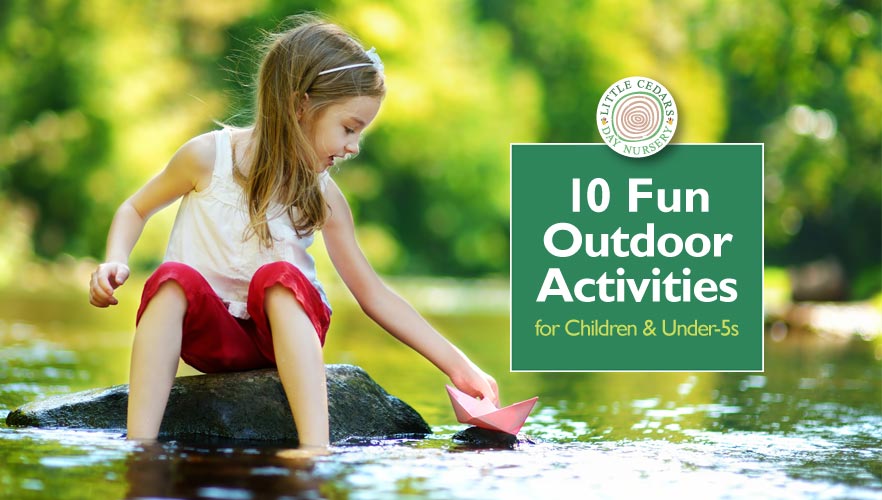
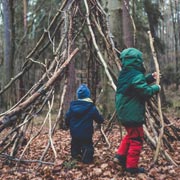 Home-made play dens are great fun both to construct and to use. Children will love constructing them, perhaps using fallen branches, sticks, or garden bamboo canes. If they show real ‘bush craft’ potential, they could even progress to covering them with large leaves, moss, fir tree fronds, or simply use a spare blanket or sheet from indoors. Once made, children will adore setting up camp, perhaps with cushions or soft moss, straw, or hay, used as a comfy base inside. Once built, their imaginations will run riot as they invent all kinds of games, role-play scenarios, and free-form play. This creative activity is such fun and has so much potential!
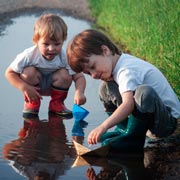 With a little help from an adult or using suitable reference from the Internet or a book, children will be able to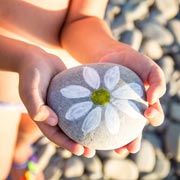
 Rocks, particularly the smooth pebble kind, are often magnets for children’s attention when they spot them outdoors. Parents and carers can encourage children to take their natural interest a few steps further by creating rock art and rock sculpture (using, of course, suitable rocks that are safe for them to use under supervision). Children will love painting rocks with patterns, flowers, or abstract designs and these can look hugely attractive. Rock sculptures are also something that children will love building, whether using painted rocks or natural ones. Scenes with multiple ‘towers’ of piled rocks look magical and children can even pretend these are part of their ‘castle’ or mark the boundaries of their kingdom and suchlike. Creating outdoors with rocks will be fun and creative, it’ll stimulate imaginations, and also hone art and motor skills.
 Children will love creating their own picnic, whether it’s in the garden, local park, or out in the countryside. It’s a multi-faceted activity where they can first help prepare the food and drink, help pack it in backpacks or a cool bag, and then settle somewhere pleasant outdoors. There, they can set up camp, perhaps with a nice soft blanket to sit on, and lay out their picnic feast. It’ll be a great spot, too, to relax with friends or family, or use as a base from which to embark on other outdoor games and activities. Picnics are also a great way to extend the time children can spend outdoors because they’ll be fed and watered outside too. Magical!
 Introduce children to the concept of rambling. It’s a term that also sounds much more interesting than ‘walking’ in any case, and is a great excuse to get little ones out and about, for example, in the countryside, local park, or green space. Rambling out in nature is good for children (and adults) and also presents lots of exciting opportunities for adventure for little ones. Whether it’s a fallen log that children can try to walk along, tree stumps that they can balance on, branches they can try to hang from by their arms, or little brooks and ditches that they can jump across, rambles can be wonderful adventures for children — under adult supervision, of course. They’re also great ways to stimulate imaginations as children can pretend they’re explorers, pirates, hobbits, and so on.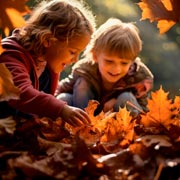
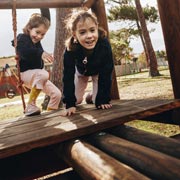 Children will also hugely enjoy making and then competing in their own obstacle race. Encourage them to set up a route through a suitable clearing, forest, field or park. Get them to mark boundaries and the course route with natural objects (sticks, rocks, stones, jumpers, etc.). Include obstacles like branches to jump over, tree trunks to run around, ditches or other similar hazards to jump over, and so on. Perhaps they can race several times and you, as the supervising adult, can time them. Whoever wins could be presented with a prize of some kind, whether it’s a purchased toy or simply a gold star sticker. It’ll be a great chance for children to let off steam, keep fit, and hone balance, coordination and motor skills.
 Little ones are usually familiar with the concept of photographs, especially in today’s age, with cameras on every smartphone and tablet. And, of course, there are still simple stand-alone cameras available, whether digital or using traditional film. Either way, suggest that children — with care not to break or damage the device — take photos of natural things and scenery when they’re outdoors. There could even be a competition to see who can take the best photo of a flower, insect, or scene of some kind. This activity will stimulate their creativity, encourage an understanding of scientific concepts like light and shadows, and give them a sense of responsibility as they (hopefully) look after the camera or smartphone itself. Prizes or stickers could perhaps be available for the most successful and appealing shots.
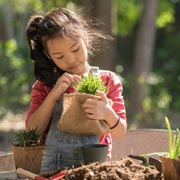 Children will love having their own mini garden. Whether it’s a small area in the household garden or simply some flowerpots or grow-bags on a windowsill or patio, there is always somewhere a child can grow plants (or even vegetables or herbs) in a household. All they need is some light, soil, and water, after all. And, of course, the care and attention of someone to look after them. Children will naturally be fascinated by the concept of growing plants, flowers, herbs, vegetables, or fruit from seeds or seedlings. Tending to them and seeing them successfully grow will also give them a sense of responsibility, achievement, and perhaps even of empathy. Children can learn so much from tending to plants.
 Our final outdoor activity idea for children is wildlife spotting. Whether it’s