
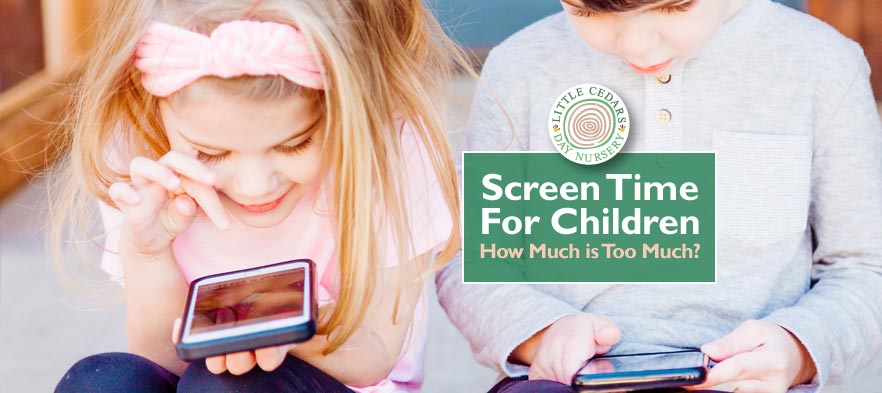
 Recent studies show that use of connected screens and devices by children, including under-fives, is growing fast. The pandemic appears to have increased kids’ screen use too, as children have spent more time indoors and less time playing ‘in person’ with friends.
The big question for parents is: is all this screen time healthy for children? In this article, we’ll take a look …
First, Some Recent Statistics
According to Childwise, the leading research experts for children and young people, children are spending more and more time on connected devices. These are devices like mobiles, tablets, smart TVs, virtual assistants like Alexa and so on. Most feature a screen but all can connect to the Internet, to other devices and/or to people via Wi-Fi or data connection.
Here’s what the recent research has to say about children’s use of connected devices:
- 50% of all children aged between 5 and 10 own a mobile.
- Nearly three-quarters (73%) of all children own a mobile, with the majority of them having one by the time they’re 7. Pretty much all of them are mobile phone owners by the age of 11.
 Over 75% of children under five have access to a connected device, with up to 60% of preschoolers actually owning their own.
- Under-fives were found to be using tablets on average for 9 hours a week.
- Over a quarter of preschoolers were also found to have access to games consoles.
- 83% of children have access to the Internet in their bedrooms.
- Over half of children surveyed stated that they kept their phone next to their bed when sleeping.
- 11 and 12-year-olds spend, on average, 4.2 hours per day online. This has grown significantly since the preceding year’s report, when it was 3.3 hours per day.
- Over a quarter of all children surveyed are spending 4 to 6 hours per day online.
- Children are watching, on average, 3.3 hours (under five: 3 hours) of video content every day, with TikTok and YouTube being their favourite video platforms.
- The number of homes with a virtual assistant (e.g. Alexa etc.) has risen to 39%.
- Due to the Pandemic, 45% of school children surveyed said they were worried that they might be falling behind at school, while 62% said that they were feeling lonely.
 Over 75% of children under five have access to a connected device, with up to 60% of preschoolers actually owning their own.
Most figures in the surveys had increased in the last 12 months, although there were occasional exceptions.
Are Parents Choosing the Content Their Children Access?
According to findings of the research, half of preschoolers found online content without parental input and 60% of children aged 3 to 4 are more than capable of deciding which apps they wanted to use.
 “Parents have always played a huge role in curating what [under-fives] consume and how their time is spent, but toddlers are now confidently navigating digital platforms for themselves, and using touchscreen devices with purpose and determination.” (Childwise)
Is Screen Time All Bad?
It’s generally accepted that too much screen time for children is not healthy for them. There are many reasons for this and we explore a few of the issues below …
- Children need to keep fit and active rather than spending too much time inactive, in front of electronic screens. Exercise is incredibly important for children, whether they’re under five or older.
- Also, it’s not healthy for them to disengage from the real world too much. Few ‘real world’ skills like physical, social interactions and honing of gross motor skills are possible when reliance is placed only on the virtual world through handheld and connected devices.
- Screen time undertaken close to bedtime is also known to be a brain stimulant and that can adversely affect sleep patterns and the quality of sleep. This, in turn, can adversely affect concentration and energy levels and ultimately their ability to function and to learn optimally.
- Some medical professionals and scientists say
 that the ‘RF wireless radiation’ emitted by Wi-Fi connected screens and devices may carry potential health risks particularly, they argue, for pregnant women, their unborn foetuses and the young. The very young, of course, have brains that are still at a critical development stage. For this reason, the experts concerned advocate that access to devices like mobile phones should be limited, removed from children’s bedrooms at night or, at the very least, placed in Flight Mode when possible. Using devices wired instead of using Wi-Fi apparently reduces risks. Use of them in hands-free mode is another useful approach, so that the devices are not so close to youngsters’ heads. We’re not experts ourselves, but these measures seem like sensible precautions.
 - Given the statistics about children, even toddlers, being able to access what they want on connected devices, some automatic Parental Controls would also seem sensible. For example, software from security companies like Norton allow great control over which websites can or can’t be accessed by children, and for how long.
 that the ‘RF wireless radiation’ emitted by Wi-Fi connected screens and devices may carry potential health risks particularly, they argue, for pregnant women, their unborn foetuses and the young. The very young, of course, have brains that are still at a critical development stage. For this reason, the experts concerned advocate that access to devices like mobile phones should be limited, removed from children’s bedrooms at night or, at the very least, placed in Flight Mode when possible. Using devices wired instead of using Wi-Fi apparently reduces risks. Use of them in hands-free mode is another useful approach, so that the devices are not so close to youngsters’ heads. We’re not experts ourselves, but these measures seem like sensible precautions.
“The battle to forge a healthy digital lifestyle is now a very real consideration for parents” (Childwise).
 While time spent by children on connected screens and devices is rising, it’s not all bad news. The pandemic has also seen an increase in the time that parents have been spending with children, including on shared screen viewing as well as on other pastimes like baking, crafts and family activities. At the end of the day, it’s all about a healthy balance and, of course, adult supervision to ensure children’s wellbeing at all times.
Indeed, despite the sometimes alarming statistics, parents are in a prime position to influence what their children are exposed to on screens and connected devices. As such, that’s a golden opportunity to encourage content that’s not only stimulating and fun, but also educational. Programmes about nature or science are obvious examples, but there are many others.
Technology & Screen Time at Little Cedars Nursery, Streatham
When it comes to screen time for under-fives at Little Cedars Nursery, we understand both the benefits and the pitfalls. Technology has a great many benefits when used correctly and indeed is part of the Early Years Foundation Stage (EYFS) curriculum at the nursery. However, for obvious reasons, any time spent online or with electronic screens is stringently monitored and controlled by our childcare professionals. We aim to maximise the positive benefits of technology, while at the same time keeping children as safe as possible. We also, of course, know the importance of physical activities and active play at the setting so, at the end of the day, it’s about getting the balance right.
Nursery Places in Streatham, Near Furzedown, Balham & Tooting
If y ou are looking for a high quality nursery or pre-school place for your baby or child in and around Streatham, please do consider Little Cedars Nursery. We’re in Aldrington Road, SW16, so we’re also suitable for those looking for nurseries and pre-schools near to Furzedown, Balham, Tooting, Streatham Common, Streatham Hill and Streatham Park. Please choose a contact option below to get in touch:

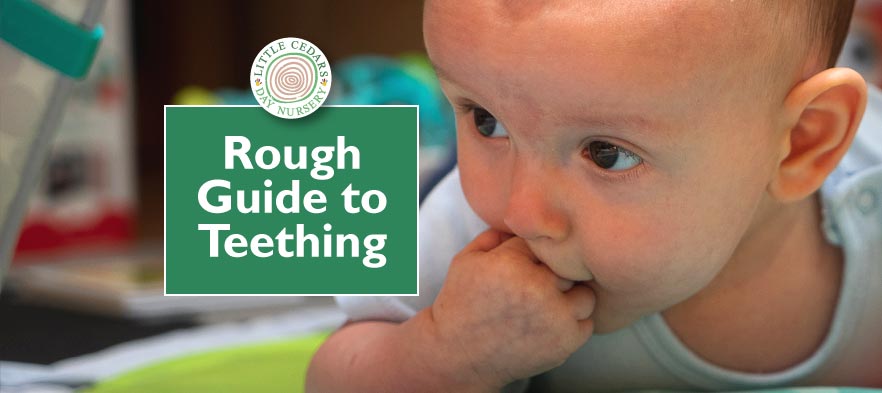
 Teething can be an uncomfortable and painful stage for babies. As teeth start to come through, gums can become sore. Because of this, the little ones can become irritable and emotional, without really understanding why they’re feeling as they do. Every parent will know that having an irritable, tearful baby can be stressful for parents as well as for the baby. With all of this in mind, our Rough Guide to Teething should help parents to help their babies through this difficult stage.
 Along with the bluish-grey colouration in the gums mentioned above, other signs of a teething baby include drooling, sore-looking gums, red cheeks, the baby being tearful, rubbing their ears or chewing hands/toys more than usual. If the baby does drool, ensure that their faces are regularly wiped so as to avoid painful rashes causing further discomfort.
 Once your baby has one or more teeth showing through the gum, you should start brushing their teeth right away. This typically happens at the age of about 6 months. Take a look at our
 Babies benefit enormously from breast milk; from simple, practical considerations to major health benefits, many of which continue to benefit them into adulthood. Let’s take a look:
 Breastfeeding also has a range of significant health (and other) benefits for mothers. These include:
 The childcare professionals at Little Cedars Nursery are keen to fall in with the wishes of parents when it comes to baby and infant milk. To that end, parents are free to supply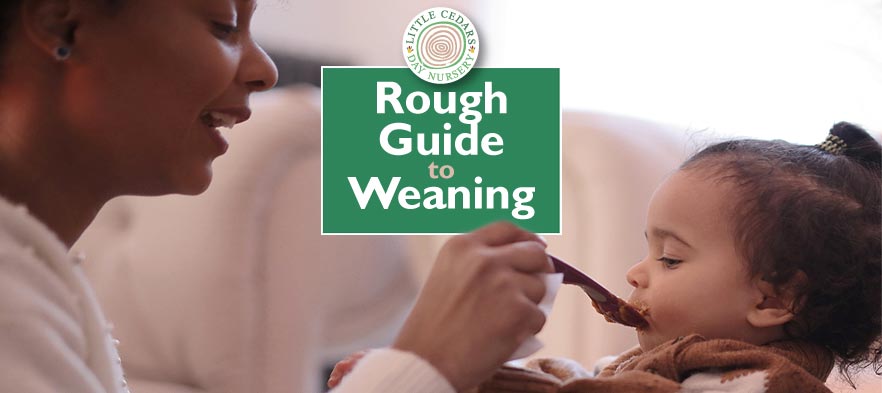
 Also known as complementary feeding, weaning is an important milestone for any parent or baby and usually occurs when the baby reaches the age of about 6 months. Sometimes babies simply tire of milk and weaning thereby comes naturally. In other cases, a baby needs a bit more encouragement to make their transition towards solids. Here, we’ll explore the whole topic of weaning in more detail, including ways parents can help to make the transition smoothly and stress-free for all parties.
 Weaning should be fun and it’s also the only time in a child’s life where they won’t have any preconceived ideas about what foods they “do or don’t like”. So, parents can experiment, within reason of course. It’s a time when introducing new foods to the baby comes naturally once the baby has caught on to the idea of this new experience.
 Don’t rush it; set aside some time with baby so it’s relaxed, otherwise everyone can get stressed, especially initially.
 You can later move on to whole, (adult) finger-sized pieces of very soft fruits that baby can learn to hold. However, do read the Health & Safety Considerations section below before moving to un-mashed foods.
 Huge care needs to be taken to avoid giving infants anything that’s going to represent a potential choking hazard. Whole grapes, cherry tomatoes or anything else of a similar size would be examples of this as they are perfectly sized to block a baby’s airway if not first chopped up. Also avoid anything hard like nuts, raw vegetables or un-mashed apple and ensure that any pips/seeds/stones are removed from fruit and bones are removed from fish or meat.
 Always try to maintain a varied diet for the infant, so they get all the vitamins and nutrients they need as they intake less and less milk. Ensure the foods contain sufficient iron, which can be sought from fortified cereal, fish, milk, dark green vegetables, lentils and beans. Giving them finger foods to hold and eat themselves is a great way to encourage them to feed themselves (under supervision, of course). As they grow older they can be encouraged to eat at the family table with parents/siblings and eventually upskill to using cutlery, along with eventually learning the rules around good table manners etc.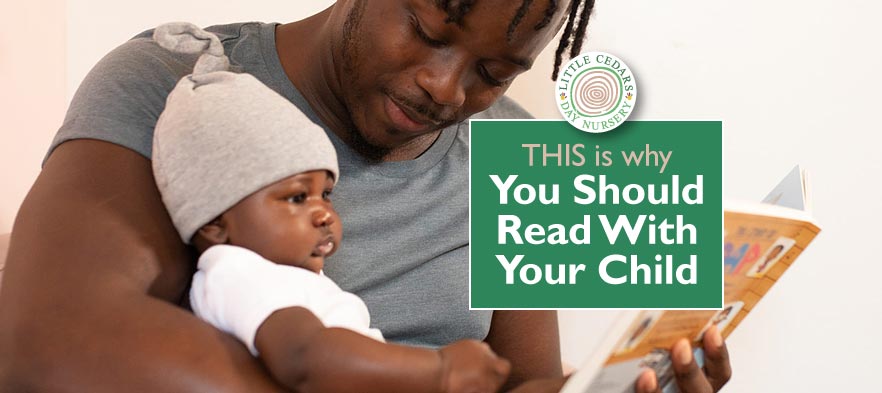
 In April last year, we published a compelling article about
  Reading with children also makes the task less daunting, particularly for the youngest children. Reading together also makes it more interesting and more fun. When it’s more interesting and more fun, the child is going to enjoy it more and naturally want to read more often — eventually independently — and all of that is priceless as part of their education and general knowledge going forwards. Reading can also bring parent and child closer through the time spent together. It can be great fun for the adult too, particularly when the child gets older and adults are exposed to classic children’s books that perhaps they were not, themselves, exposed to when they were young.
 The Nuffield Foundation’s mission is to advance social wellbeing and educational opportunity. In a partnership with the University of Newcastle, the foundation funded a deep study
 It will come as no surprise, therefore, to learn that we put all of the above into practice at Little Cedars Nursery in Streatham. Getting closely involved in children’s reading, using a huge variety of reading material in an interactive way, gives our nursery children the very best start in life. Indeed, our childcare professionals prepare them thoroughly for school by the time they leave us. They take with them reading, writing, literacy, language, vocabulary and self-expression skills in the process — and all this accomplished at least in part through guided reading.
 What are the Recommendations for Early Years Exercise?
 What are the Benefits of Early Years Exercise?
 How Parents can Help
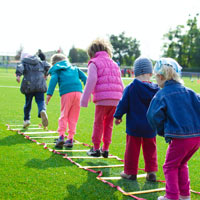 Active Play & Exercise at Little Cedars Day Nursery, Streatham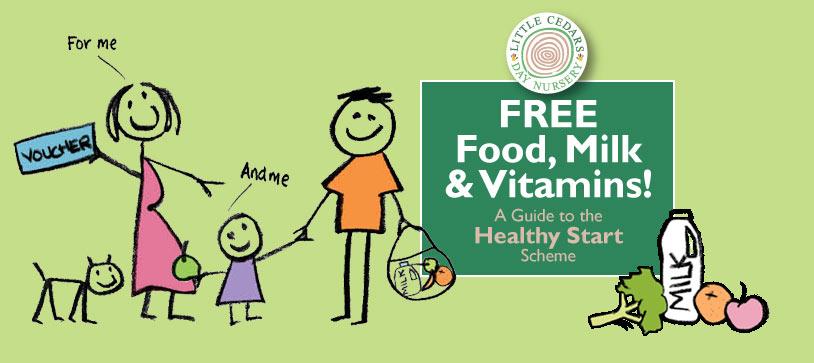
 Are you pregnant, or a parent with a child under four? If so, your family may be eligible for free healthy food, milk and vitamin supplements. In England, some of these free items are available under the ‘Healthy Start’ scheme, which we’ll explain in this quick-start guide.
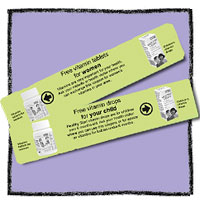 Eligible individuals can get the following, absolutely free:
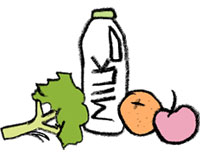 The infant formula milk:
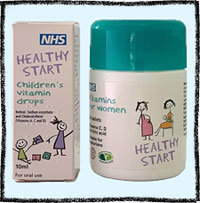 These free vitamin supplements are important for pregnant women, breastfeeding mums, babies and young children because many are deficient in them at this stage in their lives.
 In order to be eligible for Healthy Start vouchers, you need:
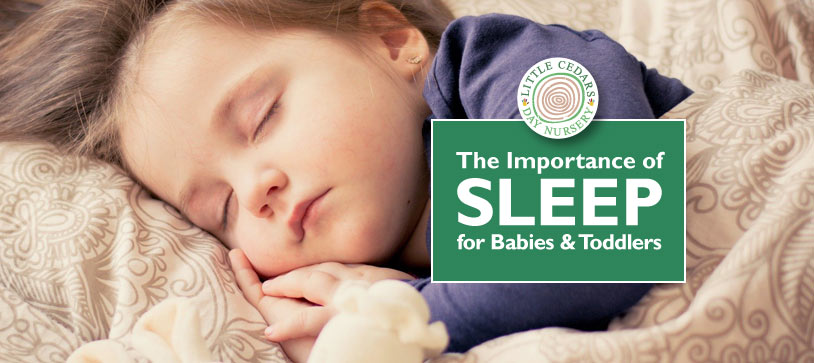

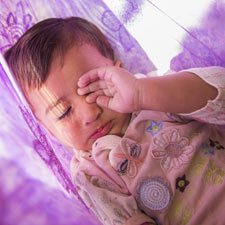 These are significant benefits, so high quality sleep — and the right amount — is incredibly important.
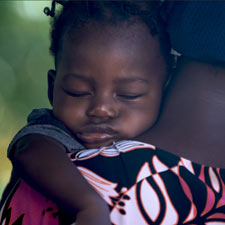 ‘Sleep Hygiene‘ is a term that refers to the whole routine around bedtime and sleeping, including important preparation measures during the run-up to bedtime A good sleep hygiene regime will help children get to sleep and to sleep soundly.
 The biggest message is that setting up — and sticking to — a set bedtime routine will greatly help with the quality of your child’s sleep. It sets a pattern that their minds and bodies will become used to naturally. A regime of this nature can include winding-down activities like a warm bath or shower, a peaceful book-reading session, dimmed lights and so on in the approach to bedtime. The routine will prepare them automatically for sleep even during the run-up to actually sleeping.
 At Little Cedars Day Nursery in Streatham, we understand the importance of sleep, particularly for babies and the youngest of the children. For that reason, we ensure that children have the opportunity of a nap both in the morning and in the afternoon. For example, babies sleep for about half an hour to an hour around 9.30am and then again after lunch, for 1 to 2 hours between about 1pm and 3pm. Preschoolers don’t have to sleep if they don’t want to, but are given the opportunity to do so — every child is different. We also take a lead from parents who may prefer their child to keep to a particular sleep pattern. If you would like more information about this topic, and how we approach it at the nursery, please do get in touch.
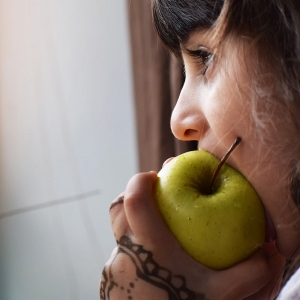 With families living busy lives these days, it’s not always easy to provide the very best nutritious meals for children. This is compounded by an abundance of ready meals and convenience food available in shops and advertised everywhere. However, healthy, balanced diets are incredibly important for children in their early years. Adopting a healthy diet early on can mean that some diseases associated with later life can be avoided. Healthy food also has other beneficial effects on growing children including sustained energy levels, improved cognitive activity, the evening out of a child’s moods, help with mental wellbeing and maintaining a healthy weight.
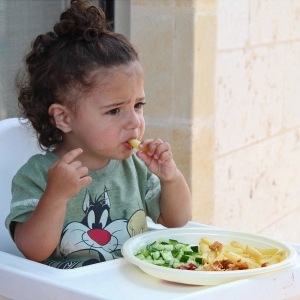 Make sure you give the
  Childhood obesity is a growing problem in the UK, with nearly a third of children aged two to fifteen being overweight or obese. What’s more, data shows that children are becoming overweight at ever-earlier ages and are generally eating less fruit, vegetables, oily fish and fibre than is recommended. The lack of a varied diet will leave children lacking in some essential vitamins and minerals. This is all of major concern. Obesity alone can lead to health issues in later life such as diabetes, heart problems, high blood pressure and even cancer. It may also lead to bullying and self-consciousness which may adversely affect a child’s self-esteem and mental wellbeing.