

While most people have heard of dyslexia (see our recent guide), fewer are aware of a condition called dyspraxia. In this rough guide we give an overview as to what dyspraxia is, how it affects children, how to spot the signs of it and what can be done to mitigate its effects.
What is Dyspraxia/DCD?
In essence, dyspraxia (DCD) is a condition that causes problems with movement and co-ordination. When children have this, they may appear more clumsy than their peers and the condition will adversely affect how well they execute physical activities. For this reason, they may reach some of their key developmental milestones later than expected. There are varying degrees of the condition, so children who have it may exhibit symptoms sooner, later or more/less severely than others.
- The condition cannot be cured, so needs to be managed (usually right into adulthood) in order to mitigate its effects.
- Dyspraxia affects 3 to 4 times more boys than girls.
- It’s not usually possible to get a definitive diagnosis before a child is at least 4 to 5.
- The condition is also sometimes referred to as Specific Developmental Disorder of Motor Function (SDDMF).
- Children with dyspraxia often have other conditions including ADHD, autism, dyslexia and/or sometimes problems with speech.
How Does it Affect Children?
Although dyspraxia usually has nothing to do with intelligence or the ability to think, the condition can really hold children back. As well as the innate inconvenience of not being good at co-ordinating movements and physical tasks, it can leave children prone to being less fit. This is simply because they’re not naturally co-ordinated enough to be good at sport and physical activities, so are less likely to partake in them.
Children with dyslexia/DCD may also have trouble with concentration, low attention spans, following instructions, copying information and organising themselves or other items. Due to the issues around the condition, they are often slower at picking up new skills. All of this can be very frustrating for them, so sometimes they develop behavioural problems too. Dyspraxia/DCD can make a child feel different, feel isolated, sometimes become the focus for bullying and often have trouble making friends. All of this can lead on to give sufferers a low sense of self-esteem.
Signs to Look Out For
Babies and toddlers with dyspraxia may start to exhibit a delay in starting to crawl, roll or sit. Before they’re one, they may also end up in odd body positions or have strange posture.
As they develop and grow older, they may show difficulty when they eventually walk, feed themselves, dress, draw and/or write. They may have trouble stacking things, playing with certain toys, using pencils, using cutlery, eating and generally co-ordinating their movements. Playground activities like running, jumping, and kicking or catching a ball may be difficult for them to co-ordinate correctly. Trouble with buttoning clothing when they’re older and tying show laces is also a classic sign.
Why Children Develop Dyspraxia
It’s not known why children develop dyspraxia/DCD but children are more likely to develop it …
- if they were born prematurely;
- if they were low in weight at birth;
- if they come from a family with a history of it;
- if their mothers drank alcohol or took illegal drugs whilst pregnant.
Diagnosing Dyspraxia/DCD
If you suspect that your baby, toddler or child may exhibiting possible symptoms of dyspraxia/DCD, you should consult your GP, Health Visitor or the Special Educational Needs Co-ordinator (SENCO) at your child’s educational setting. Your child may then be referred to a specialist healthcare professional who can assess them. Diagnosis itself is usually undertaken by a paediatrician, often in tandem with an occupational therapist who will later be involved in treatment if the diagnosis turns out to be positive. Much more detail about dyspraxia/DCD diagnosis is available on the NHS website.
How to Help Children with Dyspraxia/DCD
While dyspraxia cannot be cured, there are ways to help children with the condition and indeed they may well require help for the long term. A tailored help plan is usually generated by a combination of healthcare and educational professionals in tandem with parents and the individual concerned. The plan will be designed to mitigate the specific challenges that a child is facing, so will differ from case to case. For example, a child may need help from a paediatric occupational therapist to master use of cutlery, writing, playing and dressing etc. And/or a clinical psychologist may be needed to help with the child’s mental health. An educational psychologist may be able to help the child overcome barriers to them progressing their education … and so on. Learn more about the types of treatment available for children with dyspraxia here.
The following video may also be useful as an illustration of how one family deals with childhood dyspraxia.
Dyspraxia & Special Educational Needs at Little Cedars Nursery, Streatham
It’s important for nursery staff, education professionals and parents to look out for the signs of possible dyspraxia, and any other conditions, in children under their care. The earlier symptoms are spotted, the more likely the child can be helped to best effect. While it’s not possible for children under 4 or 5 to be positively diagnosed with dyspraxia/DCD with full certainty, should a positive diagnosis be suspected, then a tailored learning and development programme can be put in place at the earliest opportunity. In this way, the child will be supported where needed and any adverse effects of the possible condition can be reduced to a minimum. Using this approach means that even children with special educational needs can thrive, achieving personal bests as they progress through their learning and development milestones.
 Little Cedars is one of the best nurseries in the area around Streatham, Streatham Common, Streatham Hill, Streatham Park, Furzedown, Tooting and Balham. We’re based at 27 Aldrington Road, Streatham, SW16 1TU and offer outstanding, weekday childcare services for babies, toddlers and preschoolers up to the age of 5. So, if you are looking for a high quality nursery or pre-school in any of these south west London areas, please make contact with us while a few places are still available (please choose a button):
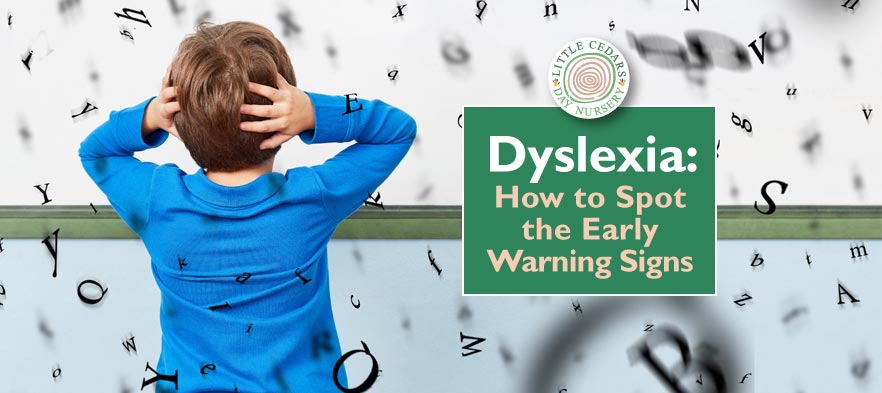
 Despite many dyslexic people being highly intelligent, dyslexia makes it difficult for them to recognise words and/or be able to break them down into their smaller components. It is recognised as a Specific Learning Difficulty (‘SpLD’) and can seriously affect their education if not recognised and addressed early.
 Such an affliction can have profound implications for a person. It will adversely affect their reading, writing and comprehension, thereby limiting their overall learning capability and hindering overall literacy. These are particularly critical skills during their early years as that’s at the start of their education, when the knock-on effects of such limiting factors will be at their most significant. It will slow down their progress in many topics and areas of education, also leading potentially to lower self-confidence and possibly even getting them mislabelled as ‘slow’ or ‘lazy’ by the unenlightened. Ultimately, it can severely limit their potential careers and life outcomes.
 Children finding it difficult to learn the alphabet;
 The child describing words and letters as visually jumbling, blurring or even moving around when they try to read them;
 There is no cure for dyslexia, but measures to mitigate its effects can be taken by education professionals, parents, carers and even those affected by it. It’s incredibly important, though, for both parents and education professionals to try to recognise it early, for example at nursery or pre-school, so that a suitable teaching programme can be introduced as early as possible.
 Teething can be an uncomfortable and painful stage for babies. As teeth start to come through, gums can become sore. Because of this, the little ones can become irritable and emotional, without really understanding why they’re feeling as they do. Every parent will know that having an irritable, tearful baby can be stressful for parents as well as for the baby. With all of this in mind, our Rough Guide to Teething should help parents to help their babies through this difficult stage.
 Along with the bluish-grey colouration in the gums mentioned above, other signs of a teething baby include drooling, sore-looking gums, red cheeks, the baby being tearful, rubbing their ears or chewing hands/toys more than usual. If the baby does drool, ensure that their faces are regularly wiped so as to avoid painful rashes causing further discomfort.
 Once your baby has one or more teeth showing through the gum, you should start brushing their teeth right away. This typically happens at the age of about 6 months. Take a look at our
 Babies benefit enormously from breast milk; from simple, practical considerations to major health benefits, many of which continue to benefit them into adulthood. Let’s take a look:
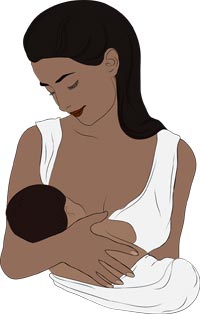 Breastfeeding also has a range of significant health (and other) benefits for mothers. These include:
 The childcare professionals at Little Cedars Nursery are keen to fall in with the wishes of parents when it comes to baby and infant milk. To that end, parents are free to supply
 Also known as complementary feeding, weaning is an important milestone for any parent or baby and usually occurs when the baby reaches the age of about 6 months. Sometimes babies simply tire of milk and weaning thereby comes naturally. In other cases, a baby needs a bit more encouragement to make their transition towards solids. Here, we’ll explore the whole topic of weaning in more detail, including ways parents can help to make the transition smoothly and stress-free for all parties.
 Weaning should be fun and it’s also the only time in a child’s life where they won’t have any preconceived ideas about what foods they “do or don’t like”. So, parents can experiment, within reason of course. It’s a time when introducing new foods to the baby comes naturally once the baby has caught on to the idea of this new experience.
 Don’t rush it; set aside some time with baby so it’s relaxed, otherwise everyone can get stressed, especially initially.
 You can later move on to whole, (adult) finger-sized pieces of very soft fruits that baby can learn to hold. However, do read the Health & Safety Considerations section below before moving to un-mashed foods.
 Huge care needs to be taken to avoid giving infants anything that’s going to represent a potential choking hazard. Whole grapes, cherry tomatoes or anything else of a similar size would be examples of this as they are perfectly sized to block a baby’s airway if not first chopped up. Also avoid anything hard like nuts, raw vegetables or un-mashed apple and ensure that any pips/seeds/stones are removed from fruit and bones are removed from fish or meat.
 Always try to maintain a varied diet for the infant, so they get all the vitamins and nutrients they need as they intake less and less milk. Ensure the foods contain sufficient iron, which can be sought from fortified cereal, fish, milk, dark green vegetables, lentils and beans. Giving them finger foods to hold and eat themselves is a great way to encourage them to feed themselves (under supervision, of course). As they grow older they can be encouraged to eat at the family table with parents/siblings and eventually upskill to using cutlery, along with eventually learning the rules around good table manners etc.


 It’s important to get children used to visiting the dentist and for this to be a positive experience. Dentists can highlight any potential problems early on and regular visits will also ensure that children realise the importance of teeth cleaning and oral hygiene as they grow. Starting early is also more like to avoid the possibility of them being nervous about visiting the dentist (if you are nervous yourself, try not to let this show as it could project the fear onto your child). NHS dental treatment is free for UK children.
 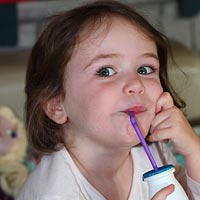 Sugar and tooth decay go hand-in-hand, especially if too much sugar is in the diet and/or if toothbrushing isn’t regular and thorough. The amount of potential decay is also made worse the longer sugar stays on the teeth. Cutting down on sugar intake will help limit the problem, as will a good tooth brushing regime. Here’s what parents and carers of babies and young children can do:
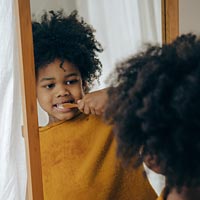 Getting the approach right means healthier teeth and gums, fresher breath, better looking teeth, more self-confidence and potentially better health overall as the child grows up. Setting good teeth cleaning and tooth hygiene habits early on means children are more likely to continue the good work as they grow into adulthood. This includes regular, fear-free visits to the dentist for check-ups.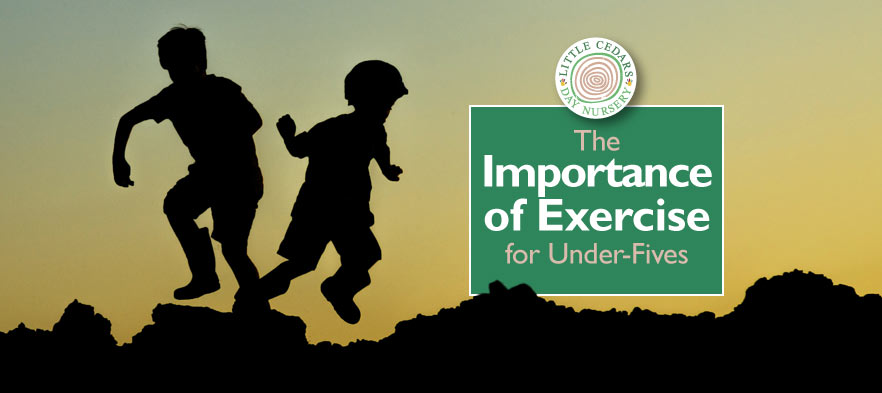
 What are the Recommendations for Early Years Exercise?
 What are the Benefits of Early Years Exercise?
 How Parents can Help
 Active Play & Exercise at Little Cedars Day Nursery, Streatham











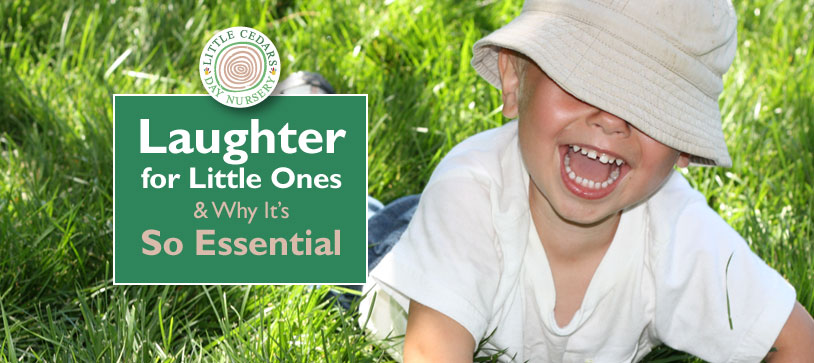
 Let’s first go back to the beginning. A sense of humour is apparently a learned aspect of a person’s character, to a fair extent. It’s something that develops and changes as a child gets older, rather than something they’re born with as a result of their DNA. As such, it’s important that babies and young children are given every opportunity to enjoy laughter and, while doing so, have fun with those around them. Laughing also is also closely linked to happiness, and being happy is, of course, priceless.
 Laughing helps children to develop better self-esteem;
 Improves mental health;
 The staff at
 Are you pregnant, or a parent with a child under four? If so, your family may be eligible for free healthy food, milk and vitamin supplements. In England, some of these free items are available under the ‘Healthy Start’ scheme, which we’ll explain in this quick-start guide.
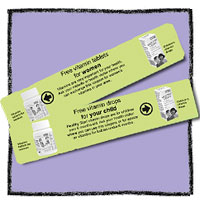 Eligible individuals can get the following, absolutely free:
 The infant formula milk:
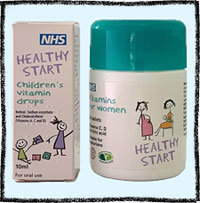 These free vitamin supplements are important for pregnant women, breastfeeding mums, babies and young children because many are deficient in them at this stage in their lives.
 In order to be eligible for Healthy Start vouchers, you need: