Free Online Antenatal Course!
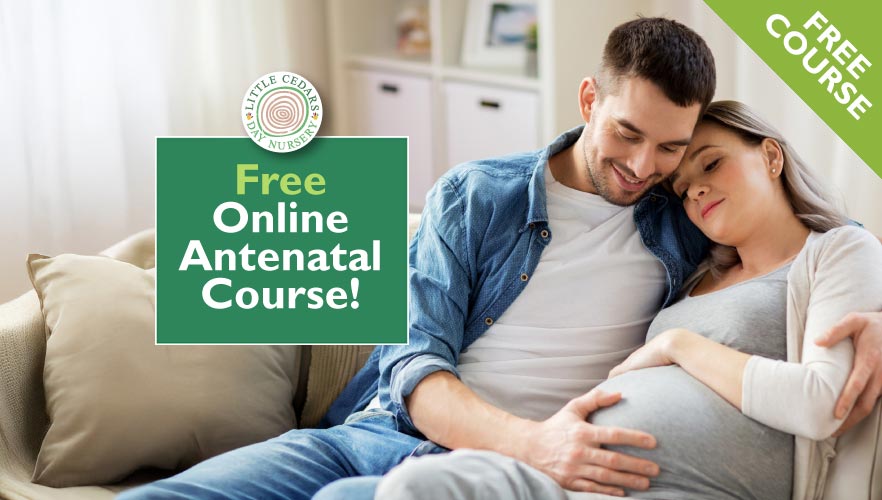
It’s not often in life that we get something free that’s also high quality and incredibly useful. Today, however, is an exception! Aimed at parents-to-be, those due to give birth imminently, and those who have recently had a child, the Complete Antenatal Course is currently available for zero cost. That’s despite it having an RRP of £175 and containing 8 hours of fabulously informative content. Access to the entire course is attainable quickly, without needing to add any kind of payment method. Other than there being some brief commercial interludes from the course’s sponsor, there are genuinely no strings attached. So, if you’re interested in learning about everything on the journey from pregnancy, through labour, to breastfeeding, infant care and first aid, this is for you. What’s more, the video format allows you to dip in and out at times to suit you. Read on to learn how to gain easy access to the Complete Antenatal Course today.
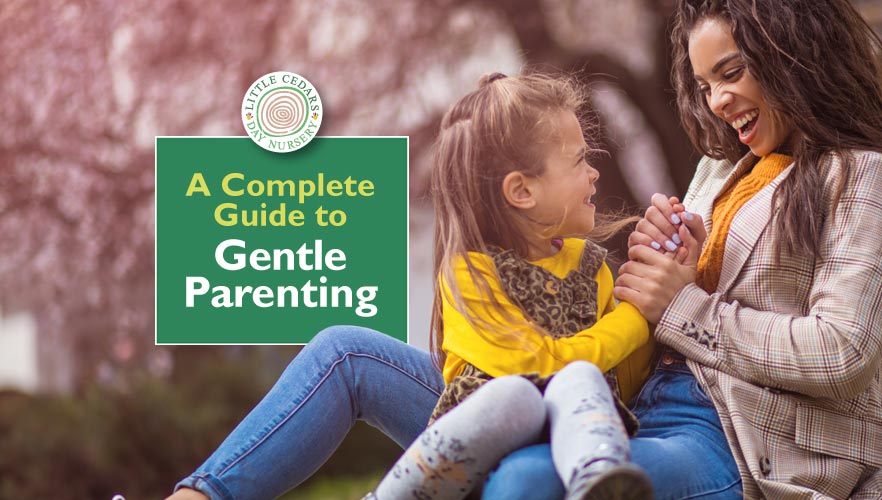

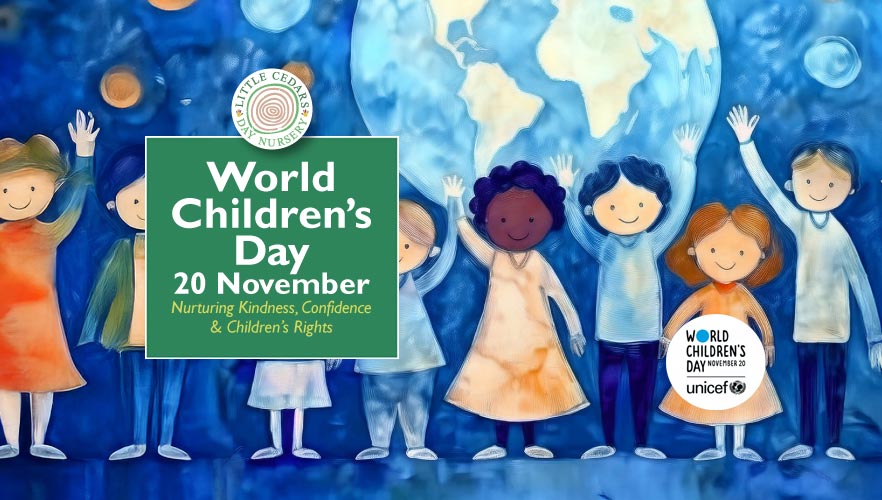
 Each year on 20 November, families, nurseries, and schools around the world mark World Children’s Day — a global celebration of children and a reminder that every child deserves to be safe, loved, and heard.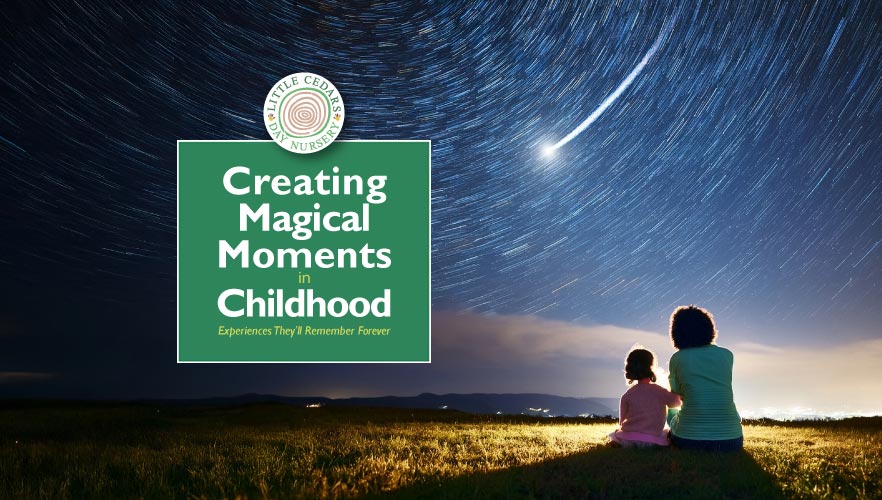
 Childhood passes so quickly — a blur of breakfast times, nursery drop-offs, and bedtime stories. Yet every so often, something extraordinary happens: a moment that will light up a child’s eyes and linger in their memory for years to come. These are the magical moments that they never forget. They’re also moments that help shape how children see the world, their place within it — and sometimes even themselves.