
Today’s activity is one that’s fabulous fun for children and parents alike. It’s all about showing children how quick and easy it is to transform their drawings, paintings, and art using Artificial Intelligence (‘A.I.’). With help from a parent, magical results take just minutes to accomplish, and each transformation is often incredible. It’s also clear that the finished results truly honour children’s creations, while simultaneously elevating them to new, highly professional digital art imagery. What’s more, the tools that achieve this are freely available to families via desktop computers and smartphone apps.
Let’s dive in, then, to see how children and parents can take children’s art to magical new heights — easily, and in just minutes. We’ve also included some ‘before’ and ‘after’ images to exemplify what’s possible using the right approach. Parental or adult supervision is, of course, essential, particularly for the youngest children.
Why Introduce A.I. Digital Art Transformations to Children
This activity will encourage children’s art, communication and creative skills, and boost their understanding of today’s world. While some may be nervous about introducing youngsters to A.I., it’s a technology that’s ubiquitous — embedded all around us on computers, smartphones, and countless other devices. Indeed, today’s children are likely to grow up with it being a normal part of their lives. Many will grow up using A.I. daily at home and in the workplace, and some may even end up in a career that involves it. So, what better way to introduce artificial intelligence to little ones than via a responsible parent who has their best interests at heart? Such a parent can closely supervise them and ensure they use A.I. safely and responsibly. With that in mind, today’s A.I. art activity is a simple but fun way to help them see the technology’s potential, and to generate digital art that they can call their own and be proud of. Bringing their art to life in this way will also demonstrate that their imaginations, ideas and creations have enormous potential, are valued, and therefore matter.
Bringing children’s art to life will demonstrate that their imaginations, ideas and creations have enormous potential, are valued, and therefore matter.
Here’s a clickable gallery showing what’s possible when you ask an A.I. tool to transform a child’s art:
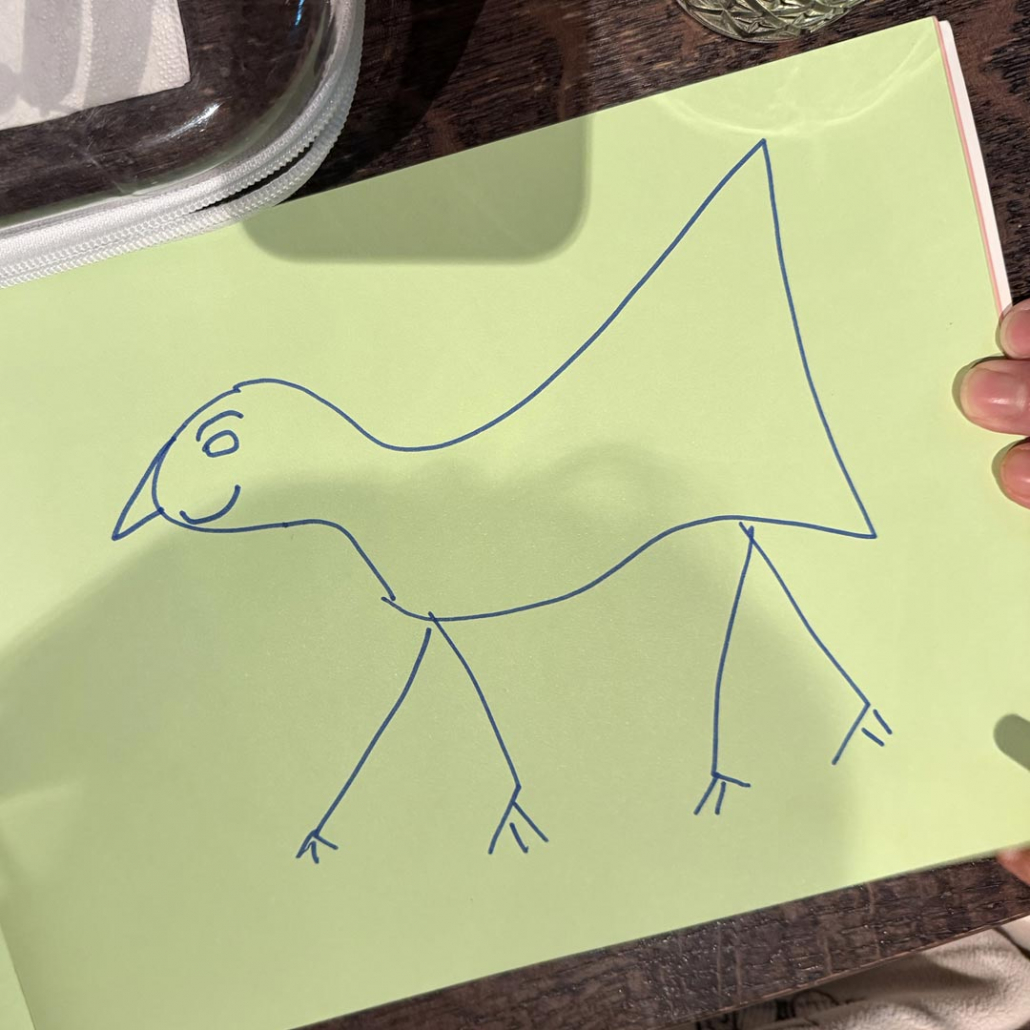
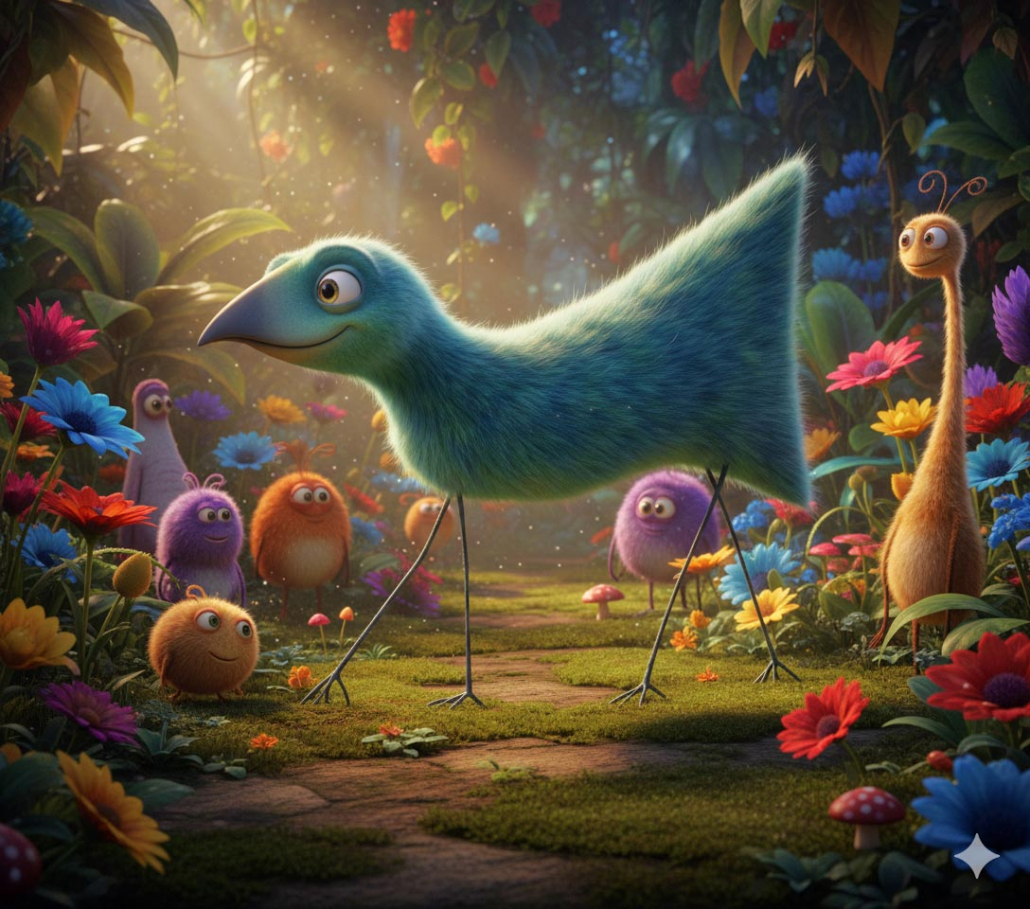
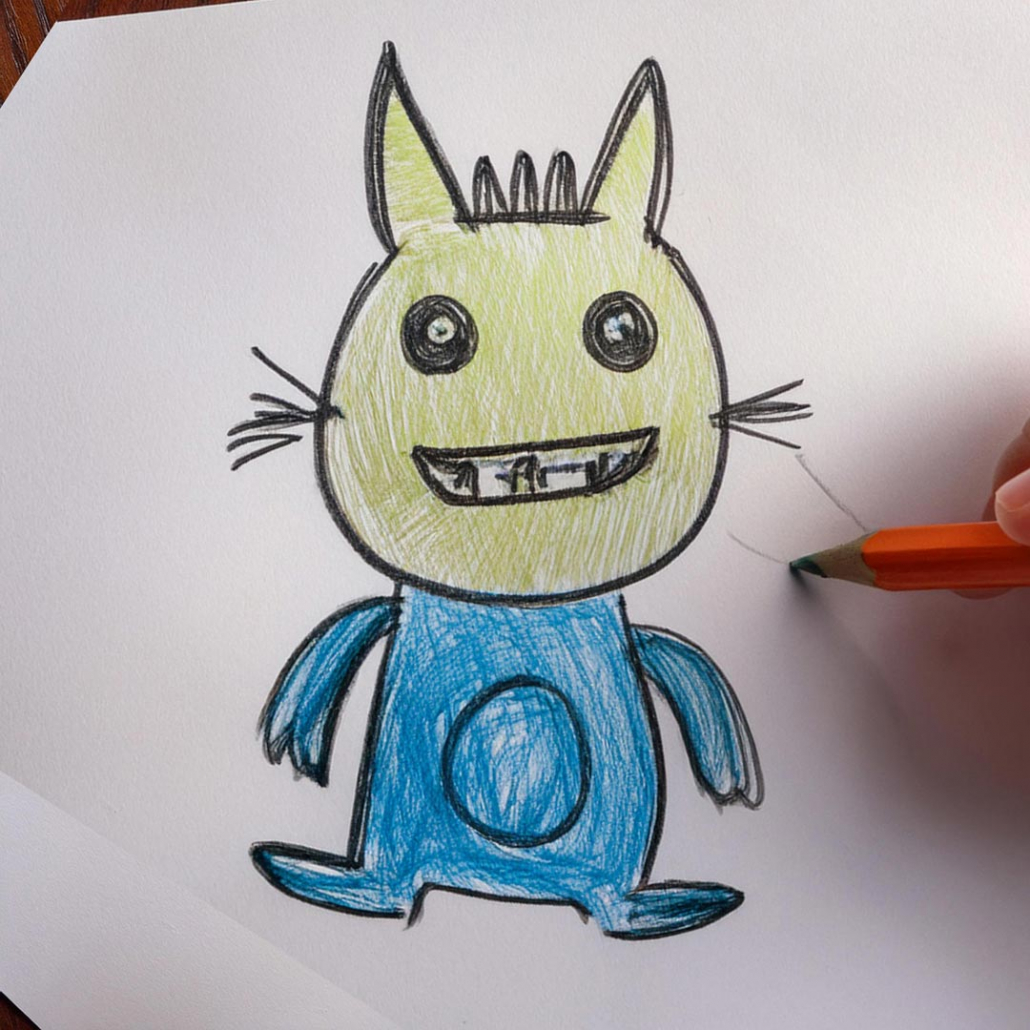

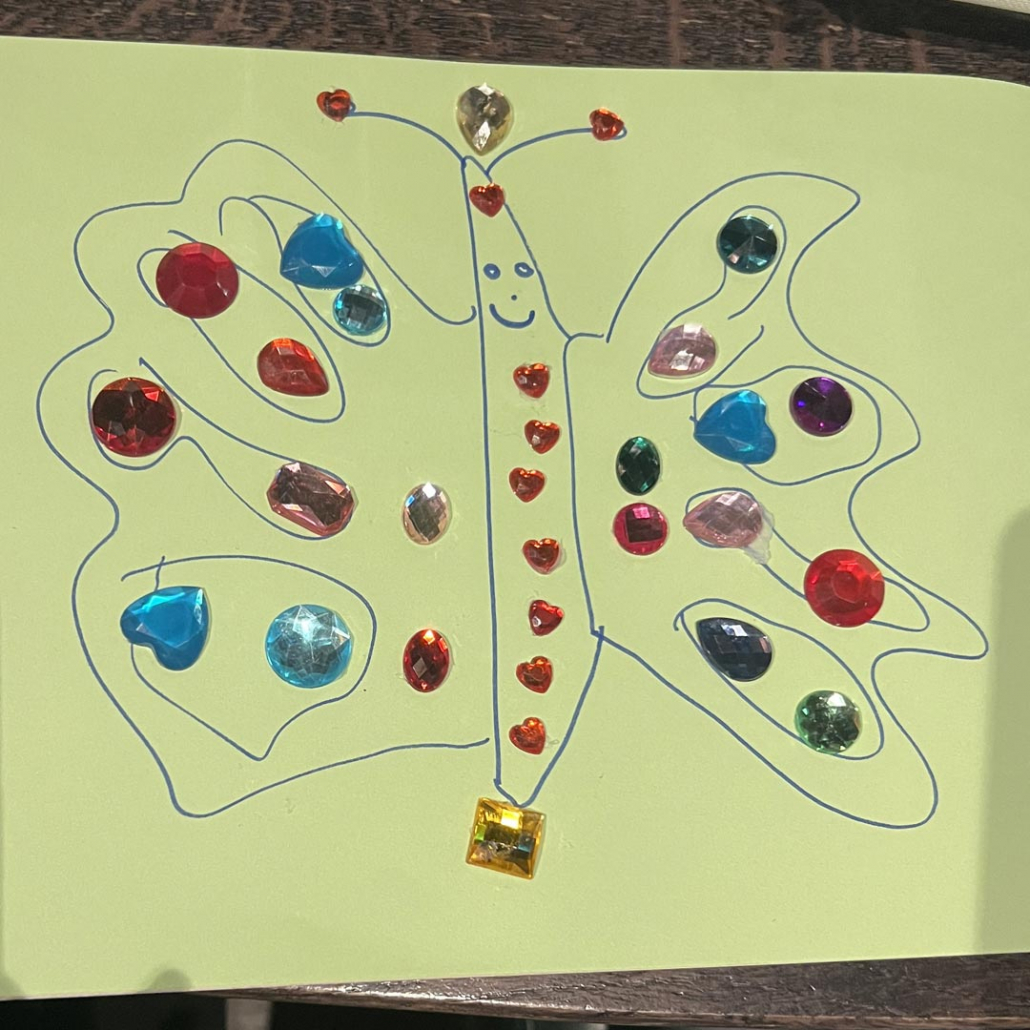
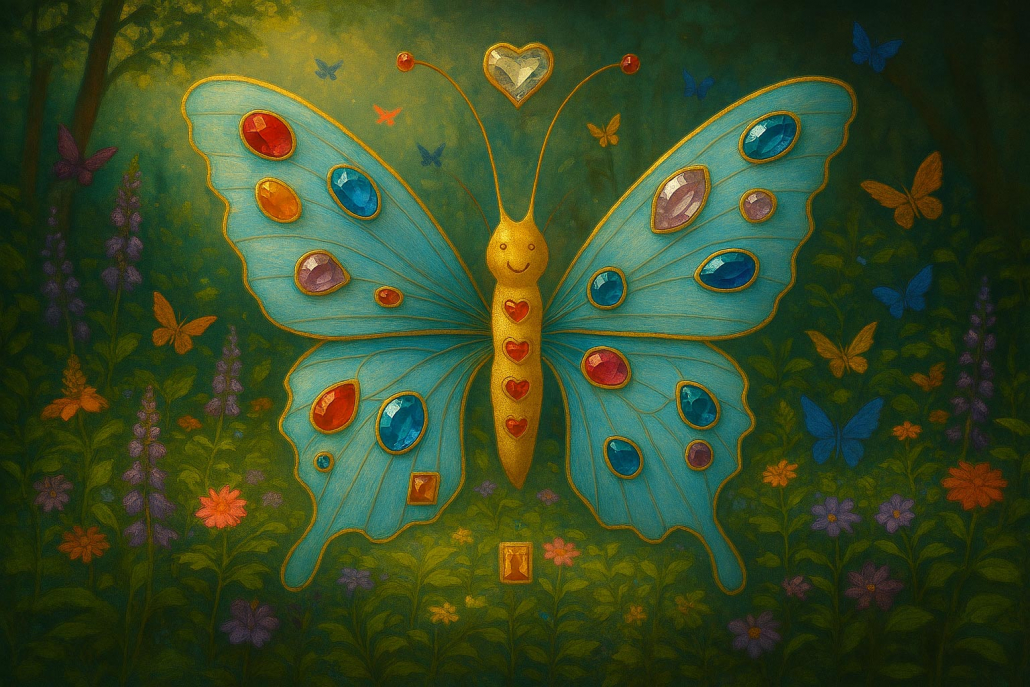
Steps to Incredible A.I. Transformations
Step 1: Make a Drawing or Painting
Step 1 is for children to do what they often do best: draw or paint something on a sheet of paper. If they need some ideas, an image of one or more people, animals, monsters, robots or what they might imagine to be aliens would be a good place to start. They can include anything they like around the main character or focus of the piece, be it a background of a home, forest, mountain scene, alien landscape, or indeed nothing at all — because asking the A.I. tool to insert some kind of background is also something they can do (see Step 4).
Step 2: Photograph or Scan Your Child’s Art
Once the child is happy with their drawing or painting, the parent should scan or take a smartphone photo of the image from above and save it, noting where it’s been saved. Try to avoid casting any shadows across the art when you photograph it, and ensure the results are clear before moving to Step 3.
Step 3: Upload it to the A.I. Tool
The next step is to upload the saved photo to the A.I. tool. For most A.I. tools, this is usually done simply by clicking the + symbol in the chat window of your chosen A.I. tool (more about those below) and selecting the appropriate instruction (upload, or add photos/files, as appropriate). Then, ideally, include your instructions for the A.I. tool within the same prompt or, failing that, immediately after it in your next prompt. See Step 4 below for our recommendations.
Which A.I. Tool?
There are many different A.I. image-generating tools available to families, including powerful ones that are free to use, within certain limits. ChatGPT is perhaps the most well-known and has a fabulous image-generating tool, directly available from the chat prompt via the paperclip symbol (whether via its website or its smartphone app). However, ChatGPT has fairly stringent limitations on the number of image transformations it will produce per hour or day, particularly when the system is busy, and transformations may be a little slower than with some other A.I. tools (paid upgrades are available to reduce some of those limitations).
A good alternative for families to start off with is an A.I. tool that’s less stringent yet more accessible. ‘Copilot’ would be an excellent choice on Windows 11 PCs because it’s embedded into that operating system. Another good alternative would be Google Gemini, which is accessible directly via any web browser by clicking our bold, blue link.
Either way, an image can be uploaded from the A.I. chat prompt by clicking the + symbol, subsequently choosing ‘Upload’ for Copilot, ‘Add photos & files’ for ChatGPT, or ‘Upload files’ for Gemini.
Other A.I. tools are available, but the suggestions above are a good starting place. Parents will need to do their own research around functionality, any image generation limits, possible fees if they want to upgrade, privacy, image ownership, etc.
Step 4: Give the A.I. Instructions
Once your image has finished uploading to the A.I. chat prompt, the next step is to write your instructions, ideally in the same prompt window or, failing that, in the very next prompt that you make. Such instructions tell the A.I. tool what you want it to do with the image you have uploaded. You can give it some simple instructions, which will allow it flexibility to make many of its own decisions, or feed it highly detailed instructions that give you much more control on the final output. Your child can be involved in such instructions, of course, and this can all be a part of the creative fun! Such an option may work best once they’ve learnt what the A.I. tool is capable of doing, having perhaps transformed their first few pieces of art.
What Can You/Your Child Ask the A.I. For?
What you can ask the A.I. tool to do with your child’s drawing or painting is only limited by your (or their) imagination! For example:
- You could ask them to transform it into a cartoon style if you want to keep it simple (for example, in the style of SpongeBob SquarePants or The Simpsons).
- You could ask the A.I. to transform a scribble of a robot into a high-definition one that takes the same form but looks every bit like it’s made of painted metal and resides in a futuristic city.
- You could request a transformation in the style of a Pixar movie. For example, with the main character(s) having shaggy fur, bright colours, all set in the interior of an imaginary spacecraft with illuminated buttons and futuristic furniture.
- Another option would be to request the output to be in the style of clay characters of the kind you’d see in a Wallace & Gromit animated movie.
- Or ask for the final image to be in the style of a wooden puppet, a fabric soft toy like you’d see in a child’s nursery, or indeed something that looks like it is from Toy Story.
- You could perhaps ask for something that looks like your child’s drawn character comes from Sesame Street or The Muppets.
- Be aware that you can also specify the type of lighting (soft, hard, backlit, etc.), what the background should be, what the location is, what style of image it should be, and even whether any elements of the child’s original drawing should be ignored, adapted, or substituted. If you/your child has something in mind, simply tell the A.I. tool.
Step 5: Wait for the Amazing Results!
Once your child’s drawing or painting has been submitted along with the appropriate instructions, it’s a case of waiting a minute or two for the results. Be prepared for a “WOW!” from both yourself and your child when the generated image appears, because the results are usually incredibly impressive. The A.I. tool will have taken the essence of your child’s creation and elevated it to incredible new heights.
Here are a few more examples, which are clickable for a larger view:
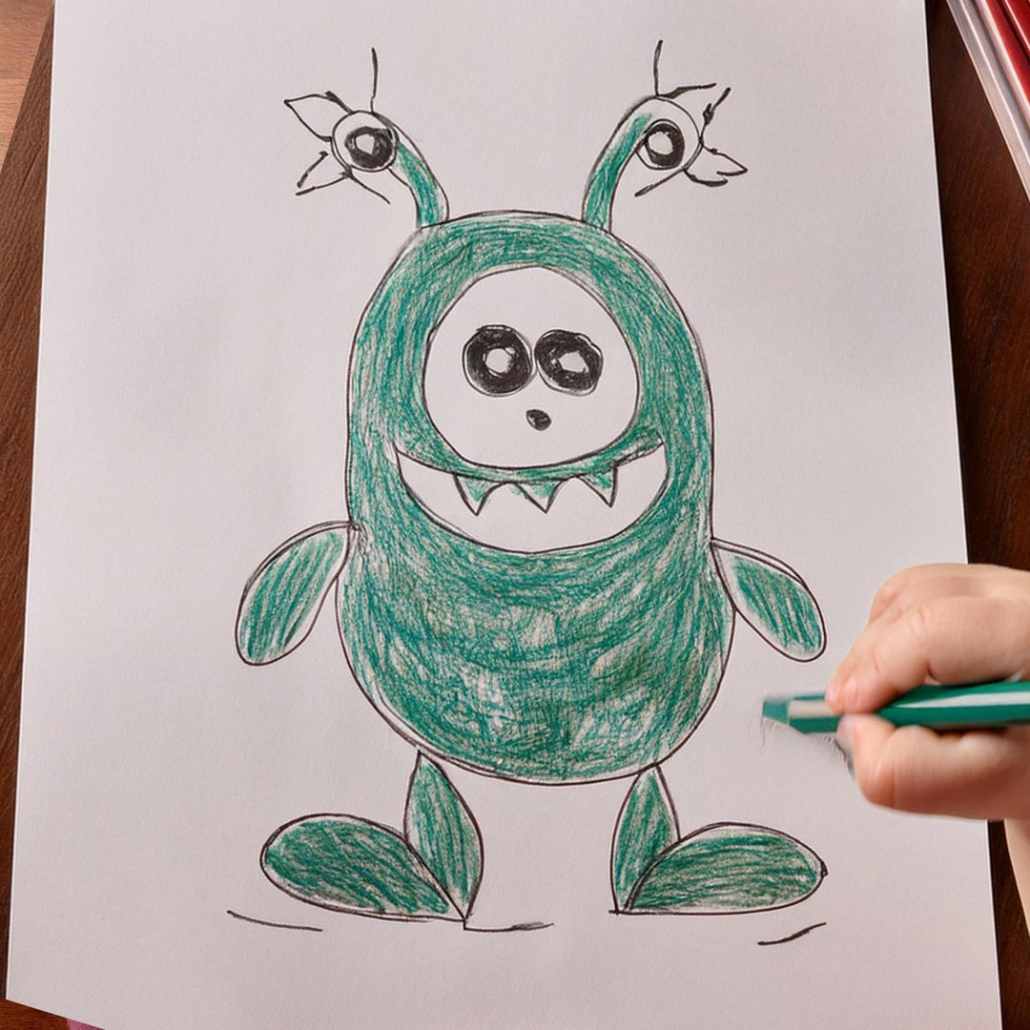
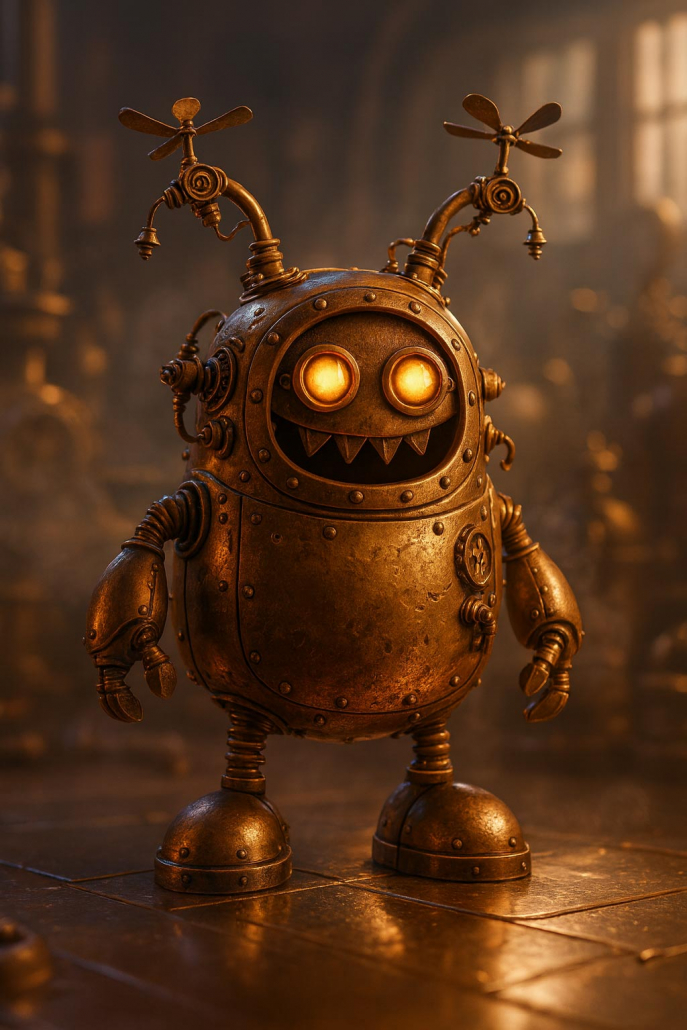
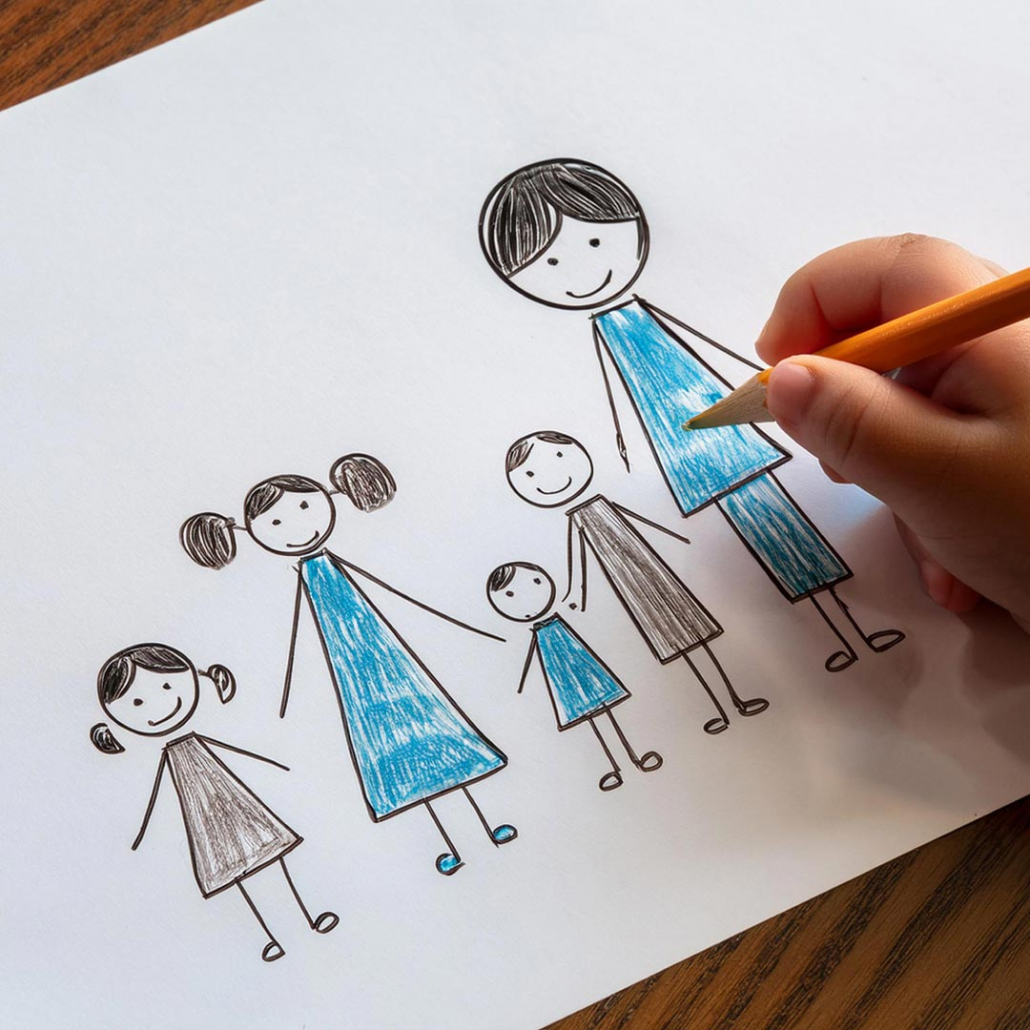
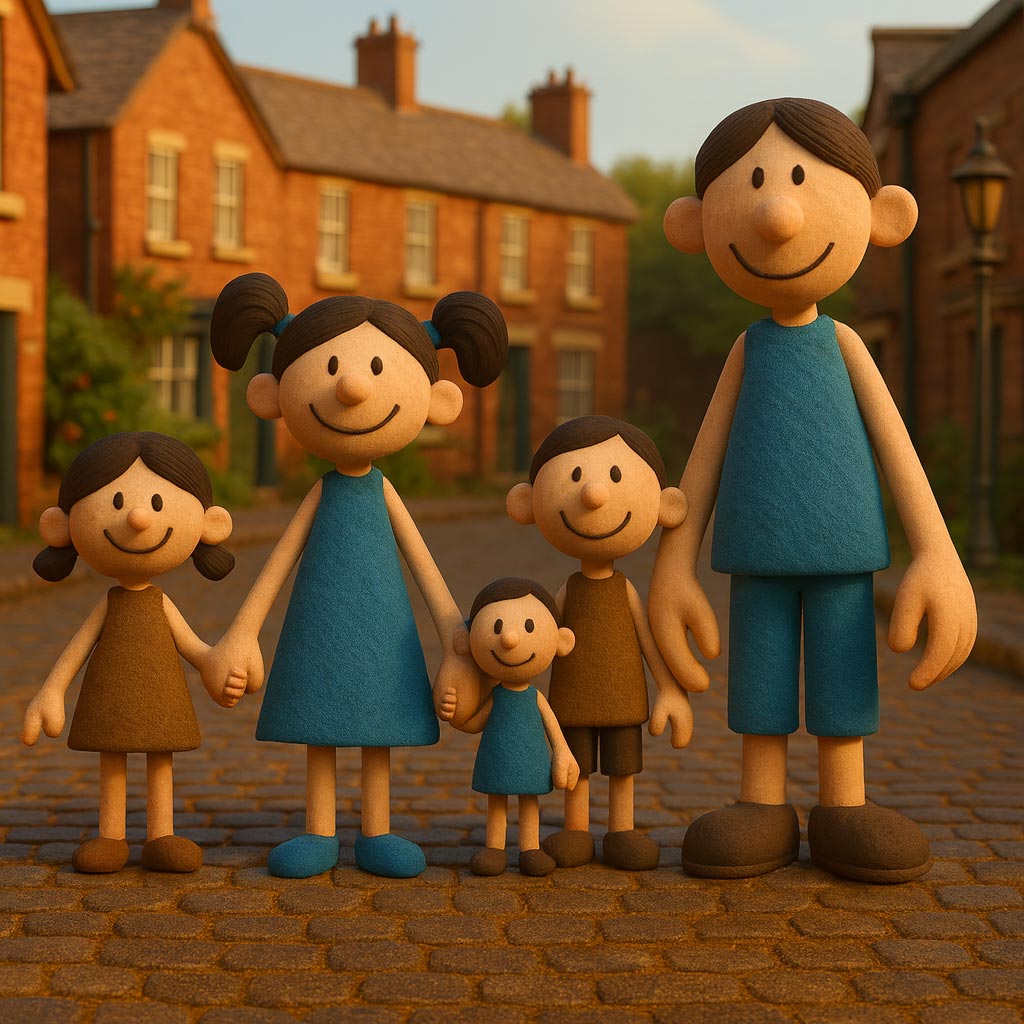
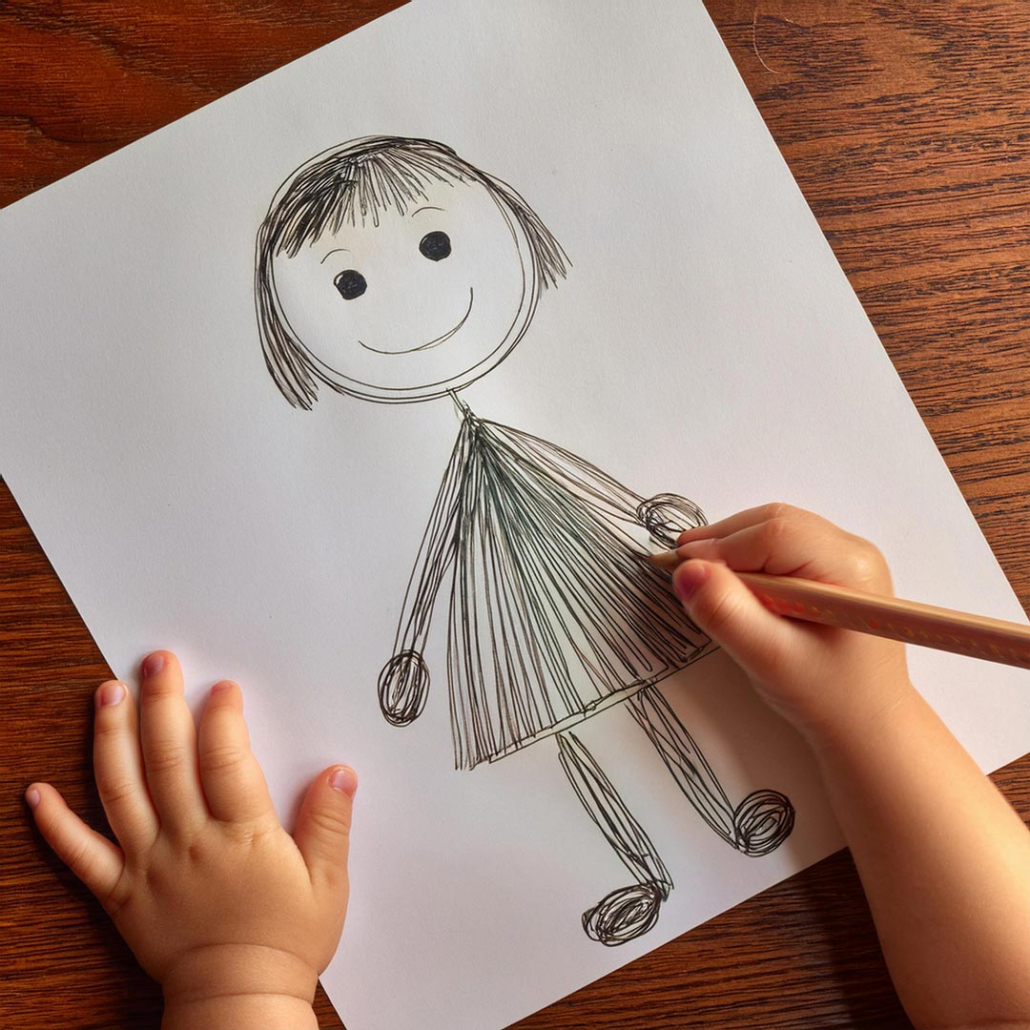
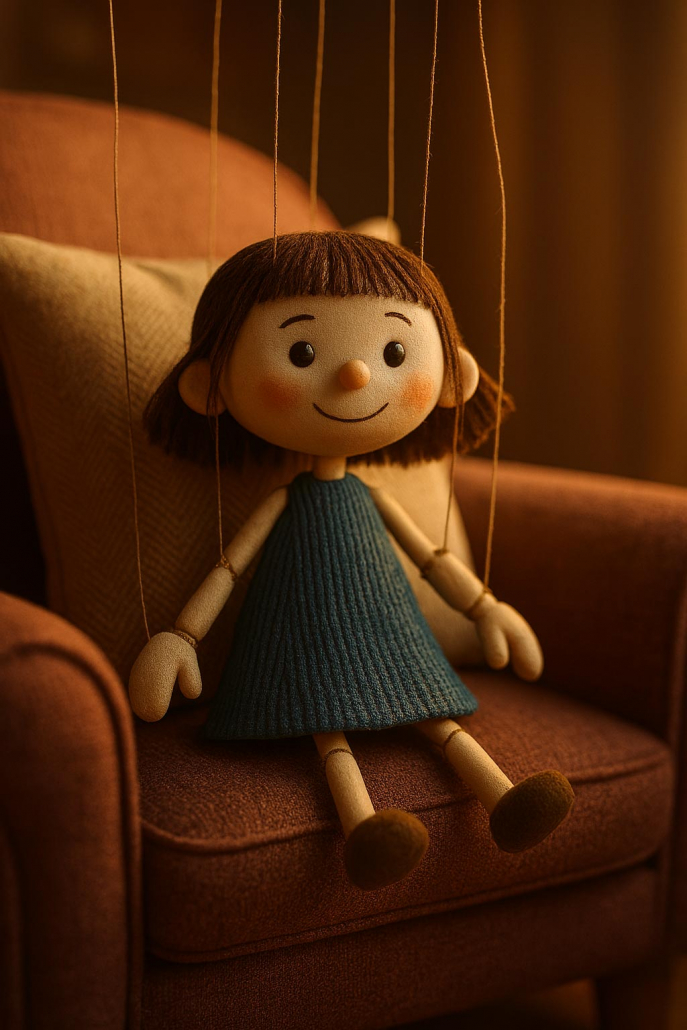
We had the most fun creating today’s post! And, if it’s fun for adults, just imagine how enjoyable children will find the activity. With the help of a parent or carer, they’ll see their creations come to life in incredible ways. They’ll be able to see how simple drawings can be absolutely transformed into high-resolution, highly detailed, professional-looking imagery that would not look out of place in an art gallery, on TV, or in a cinematic movie. What’s more, they can let their imaginations strive for new heights by suggesting exactly how their images should be enhanced. Would they like their drawing to look like a character from The Smeds & The Smoos, something from a Minions movie, more akin to a cartoon character like Peppa Pig, or something that would look at home in a soft toy shop? With today’s A.I., they can let their imaginations run riot, wield truly powerful tools, and reach for the stars to transform their art into truly magical results. It takes just minutes — and can be achieved totally free of charge. After printing out the results or saving the images digitally, children will end up with something they can be proud of. More importantly, though, they will come to understand what magic is possible from something they have imagined and created.
A High-Quality Childcare Service in Streatham
Little Cedars Nursery — Weekday Childcare for Under-5s

 Little Cedars Nursery is a wonderful childcare service in Streatham. The setting may also suit those searching for a good nursery/preschool near Streatham Common, Streatham Hill, Streatham Park, Tooting, Furzedown, Balham, Norbury, or Colliers Wood. Little Cedars Nursery is rated as a good provider by Ofsted, so you know your child will be in good hands. The nursery is warm and welcoming, with a home-from-home environment where children and babies feel safe, nurtured, loved, and valued. We have wonderful, caring staff and all the facilities, equipment, and resources that will ensure under-fives get the best start in life. By doing so, they’ll become the best versions of themselves and will be ready to thrive! Little Cedars Nursery supports free/funded childcare schemes for eligible children and babies.
Contact Little Cedars Nursery today to learn more, register for a place, or book a guided tour:
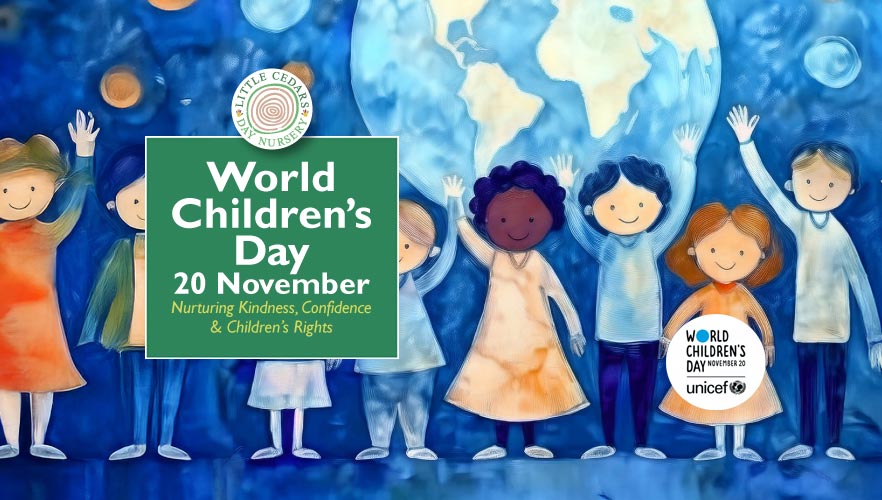
 Each year on 20 November, families, nurseries, and schools around the world mark World Children’s Day — a global celebration of children and a reminder that every child deserves to be safe, loved, and heard.
 At Little Cedars Nursery, we believe childhood should be filled with discovery, laughter, and a sense of belonging. Each day presents countless opportunities for children to explore their world, build friendships and develop confidence in who they are.
 The values behind World Children’s Day are deeply woven into the early years. When children feel valued and respected, they learn to value and respect others. Through play, they develop empathy — comforting a friend who feels sad, or cheering when someone else achieves something new.
 Even the youngest children have ideas, preferences, and opinions — and part of our role is to listen carefully to them. That might mean noticing a baby’s cues and interests, or responding when a toddler points out something new they’ve discovered.
 While World Children’s Day falls just once a year, its spirit is something we celebrate every day. Each time a child is encouraged to speak up, to show kindness, or to follow their curiosity, they’re practising the values that shape a fair and caring world.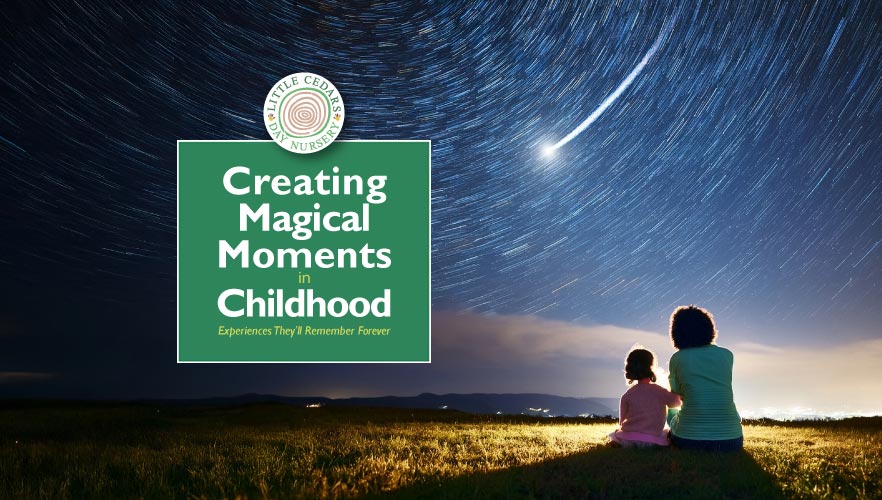
 Childhood passes so quickly — a blur of breakfast times, nursery drop-offs, and bedtime stories. Yet every so often, something extraordinary happens: a moment that will light up a child’s eyes and linger in their memory for years to come. These are the magical moments that they never forget. They’re also moments that help shape how children see the world, their place within it — and sometimes even themselves.
 Psychologists tell us that children build their sense of self through experiences that stir strong, positive emotions — especially awe, wonder, joy, and belonging. These feelings act as emotional anchors, shaping how safe, capable, and loved a child feels. When parents or caregivers create a moment that makes a child’s heart race or eyes widen with joy or wonder, they’re not just giving them a fun memory — they’re helping to build emotional security that lasts well into adulthood.
 Magical childhood memories do not require grand holidays or costly toys. They’re far more likely to spring from connection, surprise, wonder, and imagination.
 On a clear night, gently wake your child and wrap them in a blanket to watch a meteor shower or count shooting stars. Tell them about the Northern Lights, how they can wish on a star, how astronauts are planning to travel vast distances to Mars, and give them inspiration for their dreams. The quiet awe of the night sky will stay with them forever.
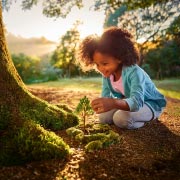 Leave a tiny note or drawing from the “garden fairies” or “forest pixies” thanking your child for something kind they’ve done — perhaps watering houseplants or helping a friend or sibling. It’s a simple act that blends imagination with a message of kindness and care. Perhaps take it a step further and encourage little ones to make mossy beds for the fairies, and a little home-made miniature shelter for them to sleep in. Take photos of them as a memento for your child.
 Create small rituals that return every year — picking flowers in springtime to display around the home, having a “summer-solstice supper” in the garden, or putting out biscuits and carrots on Christmas Eve for Santa’s reindeer — be sure to show your little one how the carrots have been nibbled on Christmas morning! Such traditions will give children a comforting rhythm and a sense that life’s changes can be filled with fun and joy.
 Pause for half an hour to watch the sunrise or sunset together, make wishes while blowing dandelion seeds into the breeze, or follow a butterfly in the park to see where it leads. These small acts teach children that magic is woven through the everyday world — they just have to stop a while and notice it sometimes.
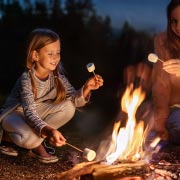
 As adults, those memories often become emotional landmarks: the glow of torchlight in a tent, the spectacle of a meteor streaking across the sky, the distinctive smell of campfire food being carried on the wind, and telling stories beneath a blanket. Such recollections help shape optimism and emotional well-being long after childhood ends. They are also the moments that, years later, children will recall fondly and still talk about.
 Summer is in full swing from late June until late September*. It’s a wonderful season that brings with it many amazing things for children and families to look out for in nature. Indeed, that’s what today’s suggested activity is all about. We’ve created a free-to-download poster that highlights 20 things from nature that children, including under-fives, can look out for when they’re outdoors†. Whether it’s in gardens, on walks with family members, at the park, or out in the countryside, summer’s natural wonders are incredibly abundant when you take time to look.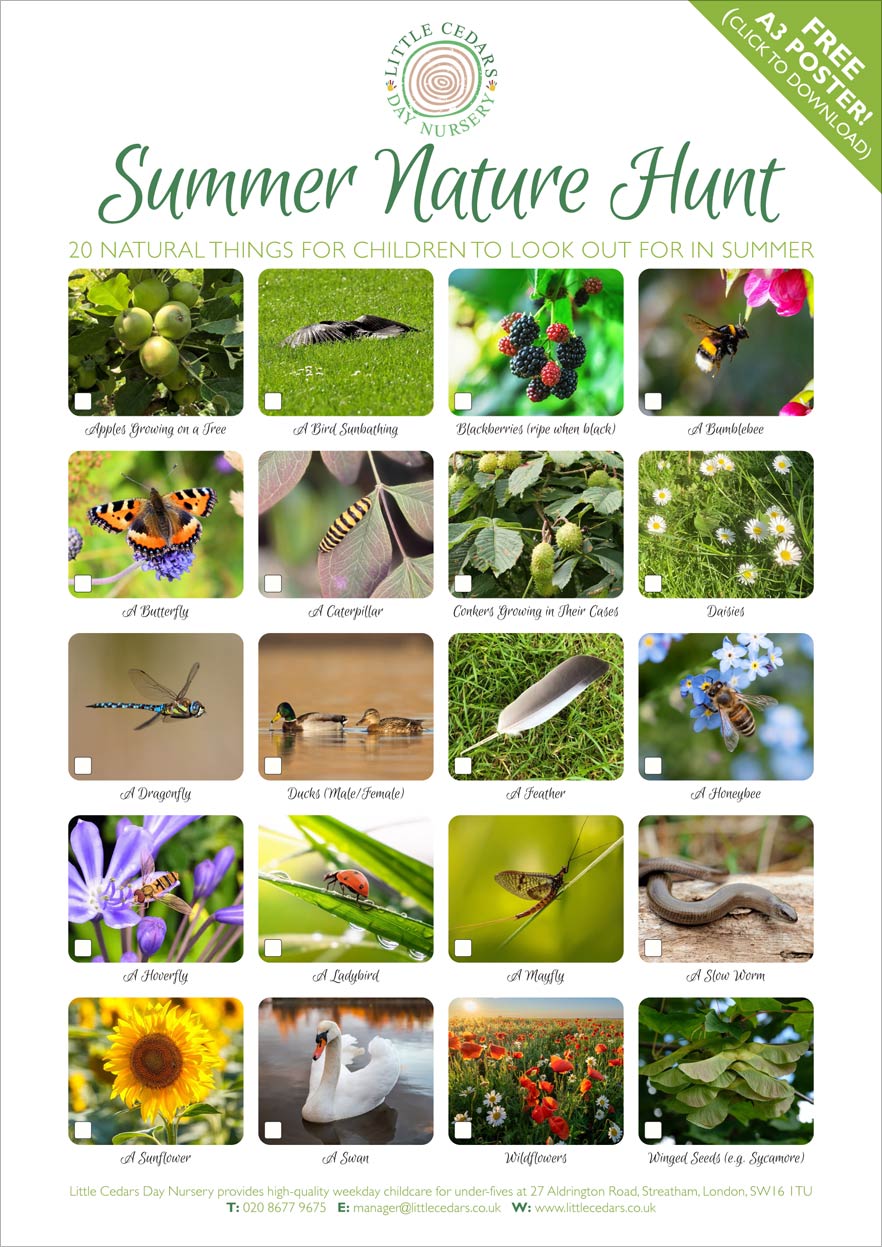
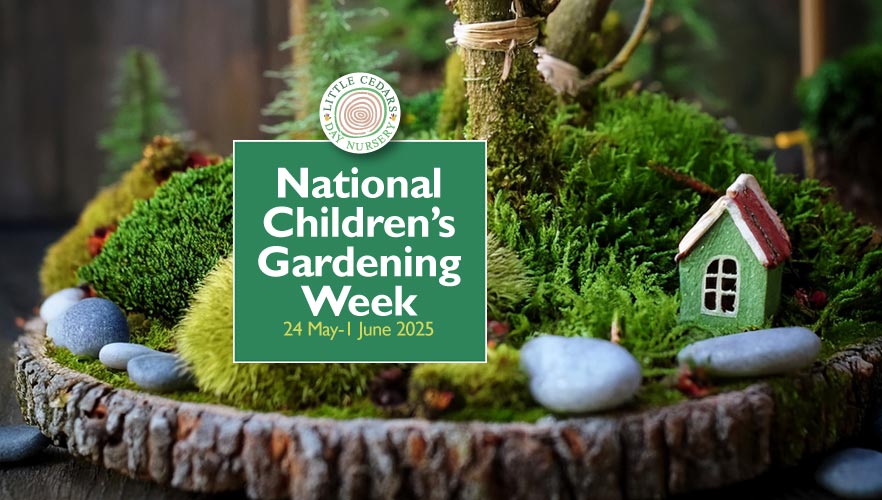
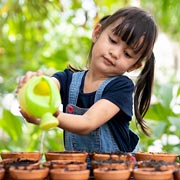 National Children’s Gardening Week is a wonderful annual event that’s designed to inspire children’s curiosity around growing plants and gardening-related activities. It takes place during what is typically a warm period of the year. That’s important because it means seeds and plants will grow faster and need minimal protective measures from inclement weather. Speedy growing results will appeal to little ones!
 National Children’s Gardening Week coincides perfectly with the Spring Bank Holiday and May half-term school holiday, taking place from the 24th of May to the 1st of June 2025. It’s usually a lovely warm week and is perfect timing for children to make the most of the event and to maximise the many benefits of spending time around nature.
 National Children’s Gardening Week also raises money to support children in hospices through the national charity Greenfingers. They create inspiring gardens and beautiful outdoor spaces where hospice children with life-limiting conditions can play, rest, relax, and spend time with family and friends. Such outdoor spaces allow affected children to spend quality time away from the bedside in well-designed outdoor areas where they can enjoy all the benefits of fresh air and a natural environment.
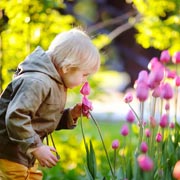 Children and families can take part at home as well as in participating schools, childcare settings, community groups, ‘outdoorsy’ retail outlets and even some National Trust properties.
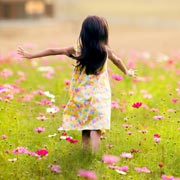 Sowing Wildflower Seeds
 Herbs and some vegetables can be grown from seeds, cultivated, and harvested from simple flowerpots or yoghurt pots. They can also be ‘re-grown’ through various devious means that will fascinate children including under-fives. We wrote a whole post about that too, so take a look — it’s quite ingenious, is incredibly educational, and results in free food! What’s more, it can be done indoors.
 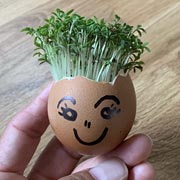 Another ‘indoor gardening’ activity is growing these comical ‘egg heads’. Grown simply from cress seeds, they can be grown in egg shells as shown, or another alternative would be yoghurt pots. When the cress is ready to be harvested and used in salads or as a garnish, the little characters can have a haircut!
 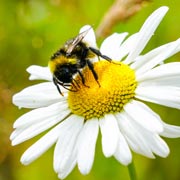 Another activity that children can get involved in for National Children’s Gardening Week is to create bee-friendly gardens. Our recent post about World Bee Day explains how to make a bee oasis (from where bees and pollinators can get a refreshing drink) and a bee-friendly garden.
 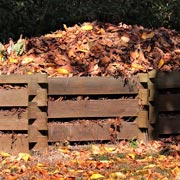 Plants love compost and so do minibeasts. So, another wonderful activity for children in National Children’s Gardening Week is to make homemade compost. Our dedicated
 Once the flowers are blooming outside, children can experiment with pressing flowers. Pressed flowers are a wonderful way for children to save flowers semi-permanently as keepsakes or to use as part of an art activity.
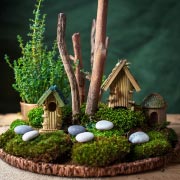 The youngest children will love this activity! Children will need some scavenged moss, pebbles, sticks, seashells and perhaps small pieces of driftwood from a beach. Children can then use these to transform the soil in a large pot or on top of a log into
 May’s World Bee Day is a wonderful and very worthwhile International event. It’s also one that’s perfect for children, including under-fives, to get involved in. Not only does it raise families’ awareness of the importance of bees and pollinators, but it’s also a great opportunity to introduce little ones to some of nature’s adorable little creatures and get them more interested in the natural world.
 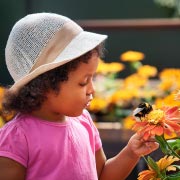 Children naturally take to planting seeds, tending seedlings as they grow, and watering plants and flowers. That’s great because it gives many opportunities for
 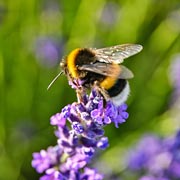 Wherever there are flowers, children will find bees, particularly if the flowers are brightly coloured and fragrant. A walk around the local neighbourhood, park, or natural open spaces will be both great exercise and an opportunity for little ones to spot some lovely bees and pollinators. Getting outdoors (appropriately supervised* and dressed) is beneficial to children in many ways, and a bee-spotting walk will be a simple way to introduce them to these important and cute little creatures. Can they spot a bumblebee? Can they spot a bee collecting nectar in their leg pouches (also known as pollen baskets or corbiculae)? Which
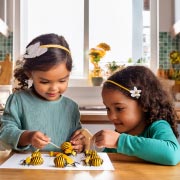 If the weather is unsuitable for outdoor activities, one of the easiest bee-related activities that children can take part in is making bee art. They can try drawing bumblebees, flowers, and hives with pencils, pens, or markers. Alternatively, they can get even more creative using paints or collages. Cutting up coloured tissue paper shapes and making bee-related images using appliqué is sure to be fun and impressive (child-safe scissors being used by parents or under super-close supervision). Parents can perhaps cut out any tricky shapes for the youngest children and then help guide them as they glue bee, flower, or hive elements into place.
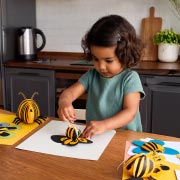 Bee art can be extended further by creating three-dimensional models and shapes. With a little help from parents or older siblings, even children under five can take part. They will enjoy sticking shaped paper or cardboard pieces and other recycled materials into place to form three-dimensional bees and flowers. Useful materials for such models could be things like corrugated card, tissue paper in various colours, coloured pipe cleaners, fabric, kitchen roll cores, paper plates and cups and, of course, coloured paints to decorate the final piece. Such creations can be as simple or complex as families like. This is a great activity to boost fine motor skills and hand-eye coordination!
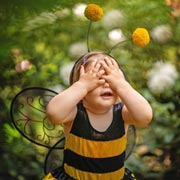 Children can get into bee-inspired fancy dress while doing their waggle dance! Striped clothes will help. Perhaps parents can help them make wings from card or material and shaped wire. Some antennae should not be too difficult to make from a headband, some pipe cleaners and some homemade pom-poms or foam balls from a craft shop. Children will love such creativity and the fun that ensues with friends once they’re all dressed up!
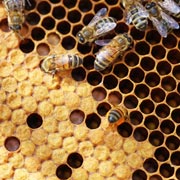 The bee-related activity ideas suggested in today’s post will be a fabulous way to introduce children to these magical little creatures, the wonderful work they do for us and the planet, and the measures little ones can take in their own lives to improve the plight of the natural world. The activities will also be fun and educational — indeed supporting many areas of
 Children of the UK, it’s time to get ready for World Book Day! Arriving in early March, it is a wonderful annual event where children across the nation get to immerse themselves in books, storytelling, and other book-inspired activities. Such activities are incredibly important for children. Did you know, for example, that children who regularly read for pleasure are happier children who also go on to have greater success in their lives? This uplift is even more significant for children from disadvantaged backgrounds. Such is the power of reading for little ones! With all this in mind, today’s article outlines more about World Book Day and why it’s so important. It also suggests some activities that children and families can take part in to celebrate this year’s event.
 World Book Day arrives each year on the first Thursday of March. So, for 2025 it’s celebrated on the 6th of March, then in 2026 it’s on the 5th, for 2027 it’s the 4th, and so on. Organised by the charity of the same name, the core mission of World Book Day is “to promote reading for pleasure, offering every child and young person the opportunity to have a book of their own.” The reason is simple: a life-long love of reading for pleasure results in improved life chances. It’s incredibly powerful for children of all ages, as indicated in the following findings from the Organisation for Economic Co-operation & Development:
 The World Book Day® charity published a 17-page impact report for the event that took place in 2024. One of the key findings was that something needed to be done to stop the significant drop in children reading for pleasure. Otherwise, children would be missing out on some profound benefits. The report concluded that there had been several reasons for the downward trend. For example, 20% of children said they felt judged for what books they read. Some said that reading felt more like a chore or ‘work’ because the books were foisted upon them by adults. Just over 8% of children simply didn’t have access to any books at home. Of those that did, over a third said they had no choice over what they read.
 In the UK, children under 18 are eligible to receive a £1 book token through the event. This can be used to buy a special World Book Day title or go towards another book (

 Families: get ready for World Wildlife Day! On 3rd March each year, we celebrate UN World Wildlife Day, an important event that is all about protecting nature’s flora and fauna. At nursery age, little ones are naturally curious and eager to learn more about the world around them. World Wildlife Day is therefore the perfect opportunity to inspire a greater love for nature and wildlife in our young. Exploring the wonders of plants, trees, and the animal kingdom teaches them more about the world and also helps children develop key skills like language, creativity, and empathy. Whether through outdoor play or wildlife-themed activities, engaging with nature’s wildlife can therefore create valuable early learning experiences. With that in mind, today’s post outlines some simple activities that children, including those under five*, can take part in to celebrate World Wildlife Day. We also highlight some of the benefits of nature to children towards the end of the post.
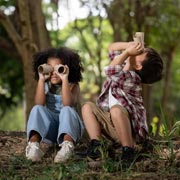 Getting outdoors is the best way to see wildlife, especially if your family lives near a park or the countryside. Rambles, picnics, and simple walks are all obvious options and, of course, wildlife sanctuaries are a good choice if you have one nearby. That said, while such outdoor options are amongst the best ways for children to connect with nature, sometimes they’re simply not possible. However, when that’s the case, there are plenty of other possibilities including bringing the wonders of wildlife into your nursery, home, or garden. Here are some engaging, age-appropriate activities that will allow children to take part in World Wildlife Day whatever their circumstances:
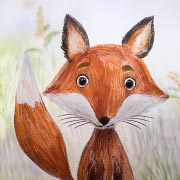 Most children naturally take to drawing, so encouraging them to draw wild animals, plants and birds will be a popular suggestion, especially around the time of World Wildlife Day. For example, they could try drawing British mammals like rabbits and squirrels, jungle animals like elephants and tigers, or sea creatures like dolphins and whales. To make it easier, perhaps give them some visual reference to inspire them. They could choose from a variety of media, be it pencils, crayons, paints, or collages — or something entirely different. Playdough or salt dough models are also an option. Children naturally love to create and, once complete, perhaps display their pieces to encourage future progress.
 Reading books about wildlife will introduce children to new animals and habitats. Great options for younger under-fives include ‘Dear Zoo’ by Rod Campbell and ‘Brown Bear, Brown Bear, What Do You See?’ by Bill Martin Jr. (author) and Eric Carle (illustrator). Also, of course, children and families have the option to tell each other made-up stories. They’re a great way to encourage creative thinking and can be approached in a number of different ways. For example, a parent could tell a story first to give the child an idea of
  Try making some simple bird feeders with your children. There are lots of easy ways to make them as outlined in our dedicated guide,
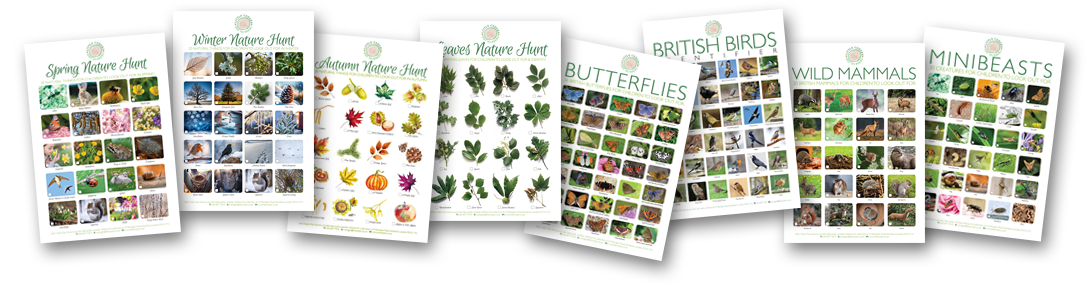
 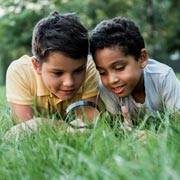 Create a simple scavenger hunt using pictures, words, or our free nature hunt sheets to encourage children to find different natural objects like leaves, feathers, and pine cones. This activity builds children’s observation skills, gives them deep insights into nature, and instils in them a better appreciation for the environment. Currently, free reference sheets are available for
  Engage children with easy science experiments, like
  Spending time in nature or learning about wildlife isn’t just fun—it has incredible benefits for early childhood development. To harness such benefits, families can incorporate nature-based learning into children’s routines in a variety of ways. Examples include organising outdoor exploration sessions, setting up small wildlife observation areas, and using nature-themed storytelling to engage the young learners. Connecting children with nature:
 Incorporating wildlife into children’s activities doesn’t have to be limited to one day. Encouraging youngsters to notice the birds in the garden, look for insects on nature walks, or watch the changing seasons can gift them a lifelong love of nature. Parents and families can make wildlife observation a regular habit, perhaps by keeping a simple nature sketchbook where children can draw or glue in pictures of what they see, or by creating a wildlife corner at home with books, nature finds, and small child-safe plants. Even setting up a bird-watching station near a window can turn everyday moments into exciting learning opportunities. By celebrating World Wildlife Day, we can inspire the next generation of nature lovers—one little explorer at a time!

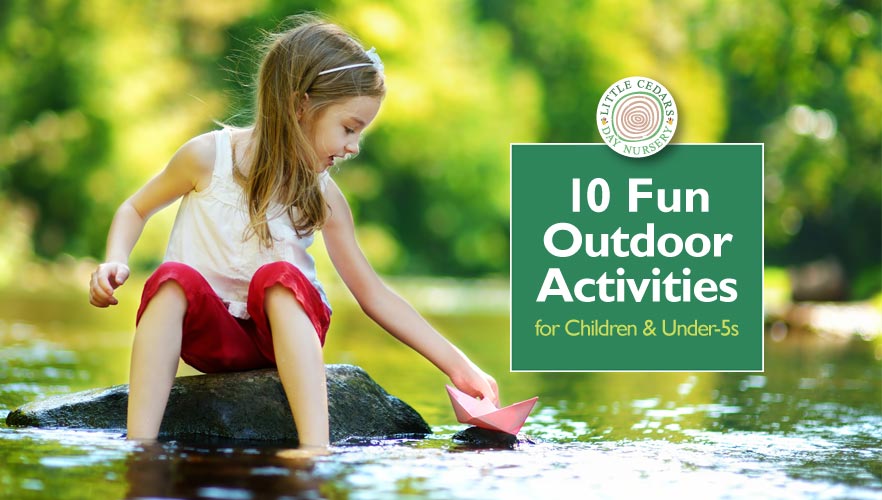
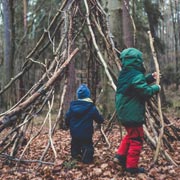 Home-made play dens are great fun both to construct and to use. Children will love constructing them, perhaps using fallen branches, sticks, or garden bamboo canes. If they show real ‘bush craft’ potential, they could even progress to covering them with large leaves, moss, fir tree fronds, or simply use a spare blanket or sheet from indoors. Once made, children will adore setting up camp, perhaps with cushions or soft moss, straw, or hay, used as a comfy base inside. Once built, their imaginations will run riot as they invent all kinds of games, role-play scenarios, and free-form play. This creative activity is such fun and has so much potential!
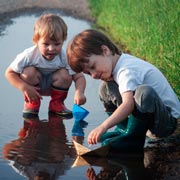 With a little help from an adult or using suitable reference from the Internet or a book, children will be able to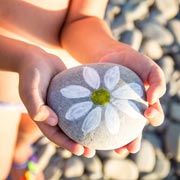
 Rocks, particularly the smooth pebble kind, are often magnets for children’s attention when they spot them outdoors. Parents and carers can encourage children to take their natural interest a few steps further by creating rock art and rock sculpture (using, of course, suitable rocks that are safe for them to use under supervision). Children will love painting rocks with patterns, flowers, or abstract designs and these can look hugely attractive. Rock sculptures are also something that children will love building, whether using painted rocks or natural ones. Scenes with multiple ‘towers’ of piled rocks look magical and children can even pretend these are part of their ‘castle’ or mark the boundaries of their kingdom and suchlike. Creating outdoors with rocks will be fun and creative, it’ll stimulate imaginations, and also hone art and motor skills.
 Children will love creating their own picnic, whether it’s in the garden, local park, or out in the countryside. It’s a multi-faceted activity where they can first help prepare the food and drink, help pack it in backpacks or a cool bag, and then settle somewhere pleasant outdoors. There, they can set up camp, perhaps with a nice soft blanket to sit on, and lay out their picnic feast. It’ll be a great spot, too, to relax with friends or family, or use as a base from which to embark on other outdoor games and activities. Picnics are also a great way to extend the time children can spend outdoors because they’ll be fed and watered outside too. Magical!
 Introduce children to the concept of rambling. It’s a term that also sounds much more interesting than ‘walking’ in any case, and is a great excuse to get little ones out and about, for example, in the countryside, local park, or green space. Rambling out in nature is good for children (and adults) and also presents lots of exciting opportunities for adventure for little ones. Whether it’s a fallen log that children can try to walk along, tree stumps that they can balance on, branches they can try to hang from by their arms, or little brooks and ditches that they can jump across, rambles can be wonderful adventures for children — under adult supervision, of course. They’re also great ways to stimulate imaginations as children can pretend they’re explorers, pirates, hobbits, and so on.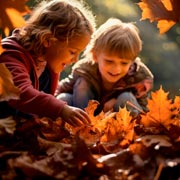
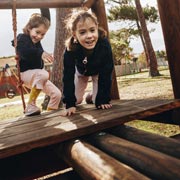 Children will also hugely enjoy making and then competing in their own obstacle race. Encourage them to set up a route through a suitable clearing, forest, field or park. Get them to mark boundaries and the course route with natural objects (sticks, rocks, stones, jumpers, etc.). Include obstacles like branches to jump over, tree trunks to run around, ditches or other similar hazards to jump over, and so on. Perhaps they can race several times and you, as the supervising adult, can time them. Whoever wins could be presented with a prize of some kind, whether it’s a purchased toy or simply a gold star sticker. It’ll be a great chance for children to let off steam, keep fit, and hone balance, coordination and motor skills.
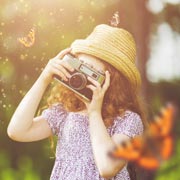 Little ones are usually familiar with the concept of photographs, especially in today’s age, with cameras on every smartphone and tablet. And, of course, there are still simple stand-alone cameras available, whether digital or using traditional film. Either way, suggest that children — with care not to break or damage the device — take photos of natural things and scenery when they’re outdoors. There could even be a competition to see who can take the best photo of a flower, insect, or scene of some kind. This activity will stimulate their creativity, encourage an understanding of scientific concepts like light and shadows, and give them a sense of responsibility as they (hopefully) look after the camera or smartphone itself. Prizes or stickers could perhaps be available for the most successful and appealing shots.
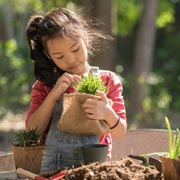 Children will love having their own mini garden. Whether it’s a small area in the household garden or simply some flowerpots or grow-bags on a windowsill or patio, there is always somewhere a child can grow plants (or even vegetables or herbs) in a household. All they need is some light, soil, and water, after all. And, of course, the care and attention of someone to look after them. Children will naturally be fascinated by the concept of growing plants, flowers, herbs, vegetables, or fruit from seeds or seedlings. Tending to them and seeing them successfully grow will also give them a sense of responsibility, achievement, and perhaps even of empathy. Children can learn so much from tending to plants.
 Our final outdoor activity idea for children is wildlife spotting. Whether it’s