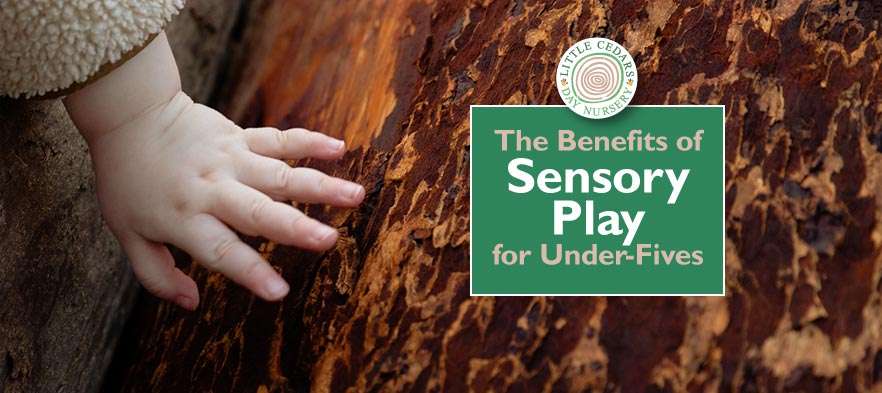
 Sensory play is incredibly important for under-fives. Babies and young children benefit enormously when their play activities stimulate the senses and in this article we’ll explore those benefits in some detail.
The Senses
For the purpose of this blog post, ‘senses’ will mean the famous five (touch, taste, smell, sight and hearing) plus a couple of others that are often overlooked; balance and body awareness (also known as ‘proprioception’). As with the core 5 senses, the two additions are critically important as part of the learning and development journey for little ones.
What is Sensory Play?
Sensory Play is any kind of play activity that involves stimulation of any of the senses outlined above. For example:
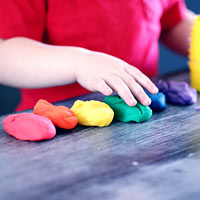
 activities that involve touch, where babies and children can acquaint themselves with the feelings of temperature, softness, hardness, pressure, vibration, roughness, smoothness etc.;
- activities involving food, which can involve tasting to see whether the food is sweet, sour, savoury and so on;
- play activities involving smell, which involve items that have a scent, whether natural like flower petals, fruit, organic materials and suchlike or man-made scents like diluted bubble bath and so on;
- visual (sight) activities, where children explore colours, tones, visual textures, contrast, brightness and images, learning how to associate them with the real world;
- hearing activities, where children experience the different types of sounds that surround them;
- play activities that help them to learn to balance i.e. to counteract the effects of gravity;
- activities that help children to develop a sense of spacial awareness i.e. of where their bodies are within their surroundings and in relation to objects and other people around them.
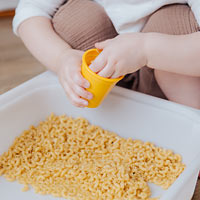 activities that involve touch, where babies and children can acquaint themselves with the feelings of temperature, softness, hardness, pressure, vibration, roughness, smoothness etc.;
The Benefits of Sensory Play
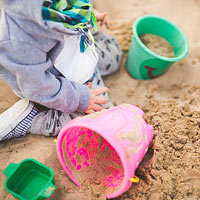 The Benefits of Sensory Play
Sensory play allows children to learn more about the world around them, and all the things within it. As they learn, new pathways are formed within the brain and this helps to cement permanent associations between a particular sense and a particular situation, physical thing, or scenario. When this is achieved, the child will instantly and naturally recognise multiple layers of senses as they happen again in the future. That’s an important life skill and something that adults take for granted, but benefit from enormously.
Additional benefits of sensory play for children include:
- Recognition of objects, environments, situations and sensory attributes through sight, hearing, taste, touch or smell;
- Recognition of their own physical self within the space and other things around them;
- The development and improvement of motor functions including gross and fine motor skills;
- Balance, safe movement and measured navigation within an environment or situation;
- Improvement of language skills as children are able to better describe what they’ve interacted with through their senses;
- Improved problem-solving skills as children are better equipped to think critically and even scientifically;
- Improved attention. For example, using the new-found sensory abilities they will learn to cognitively separate one sensory stimulation from another. Using this skill, children can overcome some distractions, for example ‘filtering out’ background noise, to allow them to focus on something more important;
- Learning to remove themselves from situations where there may be a ‘sensory overload’. This can really help with their mental wellbeing. For example, having learnt more about their individual senses, children will better understand why a particular situation may be too chaotic for their own good. Understanding why they’re feeling how they feel in frenetic situations can lead to better decision-making and wiser choices. This includes whether to take part in the situation or to move to a more peaceful environment;
- Learning skills around mindfulness: sensory play is, in itself, a therapeutic way to calm any anxiety or frustration and help children to re-centre themselves and become immersed ‘in the moment’;
- Learning more about textures and how they can be replicated can also help very young children learn to ‘trust’ new foods that they may not have previously wanted to try. Spaghetti and soup would be great examples because sensory play can give them a positive association with such textures;
- Sensory play takes children’s learning and development to a new level, giving them new ways to be creative and to explore and understand the world around them;
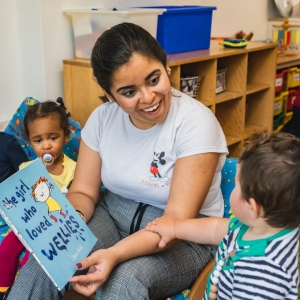
- It also represents a great opportunity for group play and, in so doing, helps to improve children’s social skills;
- With new pathways being formed in the brain, sensory play helps children to cope with more complex tasks and also enhances memory skills;
- Sensory play can also help children with autism, particularly those with Sensory Processing Disorder (‘SPD’). The topic deserves its own stand-alone article, so we may follow up with a separate post on the topic in due course.
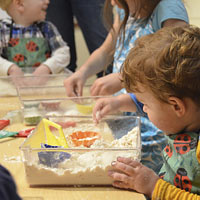 Learning skills around mindfulness: sensory play is, in itself, a therapeutic way to calm any anxiety or frustration and help children to re-centre themselves and become immersed ‘in the moment’;
Conclusion
We can see that there are many benefits of sensory play for babies and young children. Indeed, it’s something that should be encouraged at home as well as at nursery or pre-school. In view of this, we follow this post with a new post featuring 11 sensory-based activities that parents and carers can undertake with babies and children at home.
Sensory Play at Little Cedars Nursery, Streatham
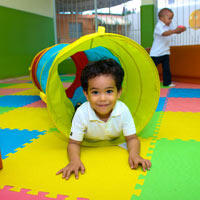
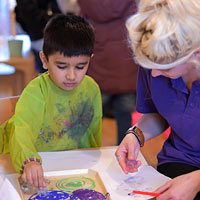 Babies and children are, of course, given a huge variety of sensory-based play opportunities at Little Cedars Nursery in Streatham in south west London. There are multi-sensory areas and equipment throughout the setting. For example, there is a separate area with multi-sensory equipment for babies. Children aged from 12 months to 2 years are also introduced to sensory activities, which include listening to music. Our toddlers aged between 2 and 3 also have a sensory zone of their own to explore and to learn new skills from. Our indoor and outdoor areas also have lots of sensory-based activities for the children to enjoy and learn from.
If you are interested in a childcare place for your baby, toddler or young child under five, we currently have a few places available in our Streatham Nursery, so do get in touch. The nursery is near to Streatham Hill, Streatham Common, Streatham Park, Upper Tooting, Tooting Bec, Tooting Common, Furzedown & Balham. Click one of the buttons below to get started …
 A Convenient Nursery Location
 Compatible Opening Hours
 Visit the Nurseries & Ask Questions
 Nursery Security & Safeguarding









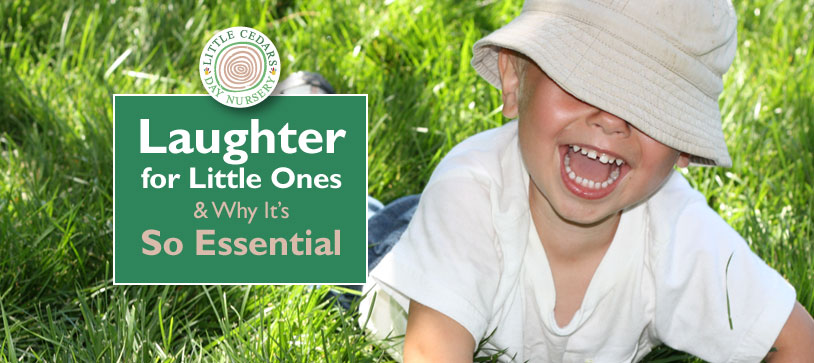
 Let’s first go back to the beginning. A sense of humour is apparently a learned aspect of a person’s character, to a fair extent. It’s something that develops and changes as a child gets older, rather than something they’re born with as a result of their DNA. As such, it’s important that babies and young children are given every opportunity to enjoy laughter and, while doing so, have fun with those around them. Laughing also is also closely linked to happiness, and being happy is, of course, priceless.
 Laughing helps children to develop better self-esteem;
 Improves mental health;
 The staff at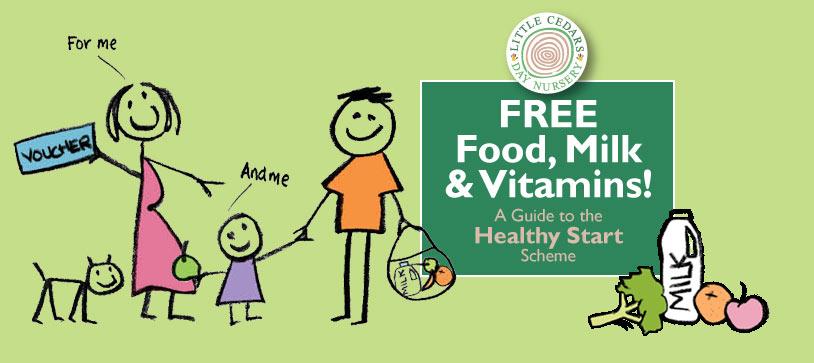
 Are you pregnant, or a parent with a child under four? If so, your family may be eligible for free healthy food, milk and vitamin supplements. In England, some of these free items are available under the ‘Healthy Start’ scheme, which we’ll explain in this quick-start guide.
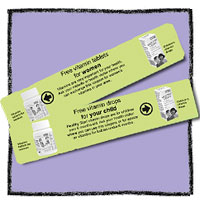 Eligible individuals can get the following, absolutely free:
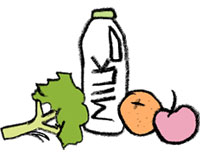 The infant formula milk:
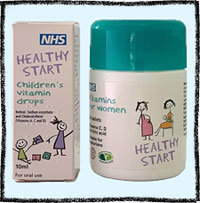 These free vitamin supplements are important for pregnant women, breastfeeding mums, babies and young children because many are deficient in them at this stage in their lives.
 In order to be eligible for Healthy Start vouchers, you need:
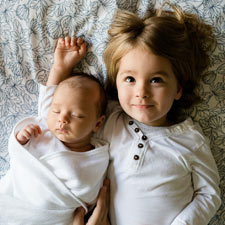
 These are significant benefits, so high quality sleep — and the right amount — is incredibly important.
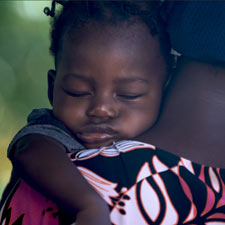 ‘Sleep Hygiene‘ is a term that refers to the whole routine around bedtime and sleeping, including important preparation measures during the run-up to bedtime A good sleep hygiene regime will help children get to sleep and to sleep soundly.
 The biggest message is that setting up — and sticking to — a set bedtime routine will greatly help with the quality of your child’s sleep. It sets a pattern that their minds and bodies will become used to naturally. A regime of this nature can include winding-down activities like a warm bath or shower, a peaceful book-reading session, dimmed lights and so on in the approach to bedtime. The routine will prepare them automatically for sleep even during the run-up to actually sleeping.
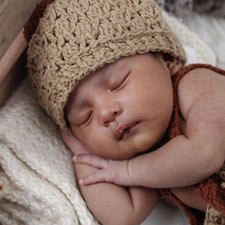 At Little Cedars Day Nursery in Streatham, we understand the importance of sleep, particularly for babies and the youngest of the children. For that reason, we ensure that children have the opportunity of a nap both in the morning and in the afternoon. For example, babies sleep for about half an hour to an hour around 9.30am and then again after lunch, for 1 to 2 hours between about 1pm and 3pm. Preschoolers don’t have to sleep if they don’t want to, but are given the opportunity to do so — every child is different. We also take a lead from parents who may prefer their child to keep to a particular sleep pattern. If you would like more information about this topic, and how we approach it at the nursery, please do get in touch.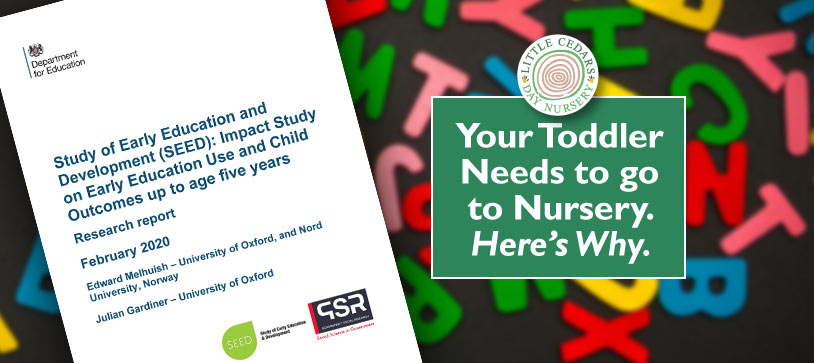
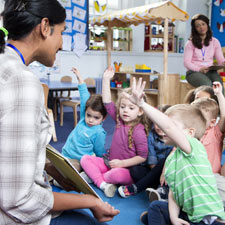
 There are compelling reasons why under-fives should attend early years education and childcare settings like nurseries or pre-schools, or their equivalent — before starting school. Missing this crucial stage in their early years education and development may disadvantage the child — a fact that’s backed up by various studies.
 Some of these benefits are even more pronounced for disadvantaged children who start to attend formal ECEC sessions no later than the age of two. The DfE impact study shows that 2-year-olds benefit most if they receive early education and care for an absolute minimum of 10 hours per week by the age of two. Three- and four-year-old children from disadvantaged backgrounds benefit most from no less than 20 hours per week thereafter in the run-up to the start of primary school at age 5. Children who follow this approach have better verbal abilities when they start school and are also much more likely to achieve expected levels of personal attainment during reception year at school. The studies show that, with ECEC’s highly appropriate, structured preparation beforehand, children are able to hit the ground running once they transition to school.
 As well as having a positive effect on children’s readiness for school, there is also compelling evidence that early years education at good nursery/pre-school type settings has a marked, positive effect on children’s long-term attainment levels there – and indeed on their lifelong outcomes. As such, early years education and care represents an extremely solid foundation for children’s futures in general.
 Are you looking at nursery/pre-school options for your baby or toddler?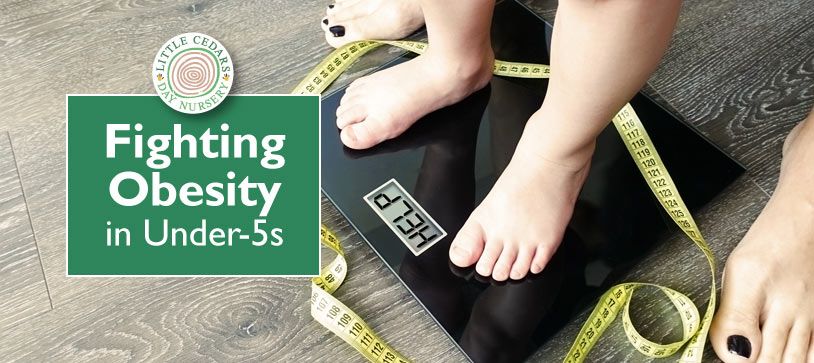
 Following on from our post last month about
  Last month we published
  However, regular exercise has many other potential benefits aside from the management of physical weight and body mass. These include:
 The Government launched its ten year ‘Plan for Action’ to fight childhood obesity back in 2017 and has continued to expand the scheme since then. This initiative was timely in light of the strain that obesity puts on the NHS, made only worse by the arrival of the coronavirus pandemic in 2020. As well as raising awareness of the issues surrounding childhood obesity, measures include things like the so-called ‘sugar tax’, where soft drinks are subject to a levy in order to persuade manufacturers to move towards healthier, reduced-sugar alternatives (a 20% reduction in sugar is a key aim). A similar campaign is being applied to sugar in foods, particularly those that appeal to children. For example, biscuits, confectionery, breakfast cereal, cakes, ice cream and suchlike. The aim is to eventually set caps on the amount of sugar and/or calories per 100g of product. Public Health England (‘PHE’) will monitor manufacturers’ responses to their campaigns and will apply additional “incentives” to improve should they be found wanting as time progresses.
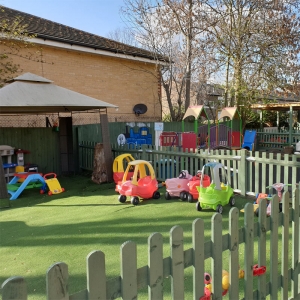 At Little Cedars Nursery in Streatham, we take physical development of children very seriously, so physical education is something that all children have available to them. All children are encouraged to be active, and interactive, so as to remain fit and to be able to hone their physical and motor skills. Indeed, this is a core element of the Early Years Foundation Stage (EYFS) framework that forms the basis of our curriculum.