 Are you pregnant, or a parent with a child under four? If so, your family may be eligible for free healthy food, milk and vitamin supplements. In England, some of these free items are available under the ‘Healthy Start’ scheme, which we’ll explain in this quick-start guide.
At time of writing, the free items are available through vouchers that can be redeemed in any of the 21,000 or so physical shops, supermarkets and pharmacies that have signed up to accept them. Each voucher is currently worth £3.10 and you can get 1 every week if you are pregnant or have a child aged between 1 and 4 years of age, or 2 vouchers per week if your child is under 1.
LATEST UPDATE: the NHS has also begun testing a new alternative where money is paid into your account instead of supplying vouchers. This beta test is running right now, on an invitation-only basis via a letter from the NHS. Hopefully it’ll be rolled out country-wide if successful. If so, it could cure the current issue whereby vouchers cannot be used to pay for food, vitamins and milk online. Clearly, that’s a significant issue in view of the pandemic and the move to shopping more online.
So, what free stuff can you get?
 Eligible individuals can get the following, absolutely free:
- Cow’s milk;
- Infant formula milk;
- Fruit;
- Vegetables;
- Pulses;
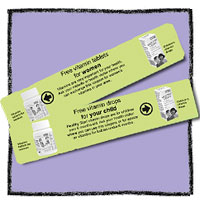
- Free vitamin supplements for breastfeeding mums;
- Free vitamin drops for young children (6 months to 4 years).
Free milk
This must be plain cow’s milk that’s also pasteurised, sterilised, UHT or long-life.
- It can be skimmed, semi-skimmed or whole milk.
- It can’t be flavoured, coloured, evaporated, condensed, powdered (except for infant formula milk), sold as a milkshake, vitamin-enriched or have anything else added to it.
- It can’t be anything other than cow’s milk, for example soya milk, almond milk, oat milk, rice milk, goat or sheep’s milk etc.).
Free infant formula milk
 The infant formula milk:
- must state that it’s a nutritionally complete stage one formula milk that’s suitable for use from birth.
- mustn’t be ‘follow-on’ milk.
- must be based on cow’s milk. You can’t get formula milk based on soya milk, almond milk, oat milk, rice milk, goat’s milk etc.
Free fruit & vegetables
The free fruit and vegetables:
- can include any that are fresh, frozen or tinned.
- can include any that are supplied loose, packaged, sliced, chopped, mixed, whole or supplied in water.
- can include fruit in fruit juice.
- can’t include any that have had fat, oil, salt, sugar or flavouring added.
- can’t include any that have been dried, pre-cooked or made into things like smoothies.
Free pulses
The pulses, including things like lentils, beans, peas and chickpeas:
- can include any that are fresh, dried or tinned.
- can’t include any that have had fat, oil, salt, sugar or flavouring added.
Free vitamin supplements
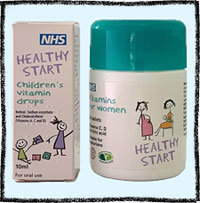 These free vitamin supplements are important for pregnant women, breastfeeding mums, babies and young children because many are deficient in them at this stage in their lives.
For children aged up to 4, they are in drop form and contain vitamin A, vitamin C and vitamin D. They are suitable for vegetarians and do not contain milk, eggs, gluten, soya or peanuts. Each bottle should last for 8 weeks. Note that children who are consuming 500ml per day of nutritionally complete formula milk do not need the additional vitamin supplements.
For pregnant women and nursing mums, the supplements are in tablet form and contain vitamin C, vitamin D and folic acid. They are suitable for vegetarians and vegans and do not contain colouring, flavouring or preservatives. They also contain no gluten, wheat, salt, egg or fish. Eligible mothers are supplied with 8 weeks’ worth of tablets at a time.
The vitamin supplements are distributed to stockists by the NHS and are ‘Healthy Start’ branded. Only this brand is available free under the Healthy Start scheme.
Eligibility
 In order to be eligible for Healthy Start vouchers, you need:
- to be 10 or more weeks’ pregnant and/or
- to have 1 or more children under 4.
Eligibility also requires that you must* be in receipt of at least one of the following:
- Income Support;
- Income-based Jobseeker’s Allowance;
- Income-related Employment & Support Allowance;
- Pension Credit;
- Universal Credit (only for families earning £408 each month, or less, from employment);
- Working Tax Credit (only for families receiving the 4 week ‘run-on’ payment after they’ve stopped qualifying for it);
- Child Tax Credit (only for families with an income of £16,190 or less per annum).
* Except if you’re under 18.
How to apply for the vouchers
Currently, most people need to apply for Healthy Start vouchers, by filling in an application form. Download the application form here, print it out and fill it in. It will also need to be signed by your registered doctor, health visitor, midwife or health professional. Then it will need to be posted (free) to the following address:
Freepost RRTR-SYAE-JKCR
Healthy Start Issuing Unit
PO Box 1067
Warrington
WA55 1EGCall the Healthy Start helpline if you have any queries (0345 607 6823).
Childcare services in Streatham, London SW16
We hope that this guide is useful to pregnant ladies and parents of babies or under-fives. We are an outstanding nursery in Streatham, London SW16, offering exceptionally high quality childcare services for babies, toddlers and preschoolers within this age group. If you’d like to learn more about our nursery, please call 020 8677 9675 or send us a message here. We’ll answer any questions and would be happy to book you in for a nursery visit if you are considering a nursery place here for your baby or child. We’re convenient for those looking for nurseries near Streatham Hill, Streatham Common, Streatham Park, Upper Tooting, Tooting Bec, Tooting Common, Furzedown & Balham.
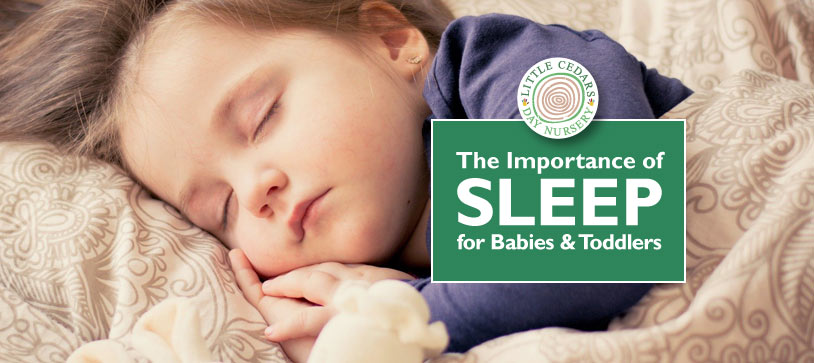

 These are significant benefits, so high quality sleep — and the right amount — is incredibly important.
 ‘Sleep Hygiene‘ is a term that refers to the whole routine around bedtime and sleeping, including important preparation measures during the run-up to bedtime A good sleep hygiene regime will help children get to sleep and to sleep soundly.
 The biggest message is that setting up — and sticking to — a set bedtime routine will greatly help with the quality of your child’s sleep. It sets a pattern that their minds and bodies will become used to naturally. A regime of this nature can include winding-down activities like a warm bath or shower, a peaceful book-reading session, dimmed lights and so on in the approach to bedtime. The routine will prepare them automatically for sleep even during the run-up to actually sleeping.
 At Little Cedars Day Nursery in Streatham, we understand the importance of sleep, particularly for babies and the youngest of the children. For that reason, we ensure that children have the opportunity of a nap both in the morning and in the afternoon. For example, babies sleep for about half an hour to an hour around 9.30am and then again after lunch, for 1 to 2 hours between about 1pm and 3pm. Preschoolers don’t have to sleep if they don’t want to, but are given the opportunity to do so — every child is different. We also take a lead from parents who may prefer their child to keep to a particular sleep pattern. If you would like more information about this topic, and how we approach it at the nursery, please do get in touch.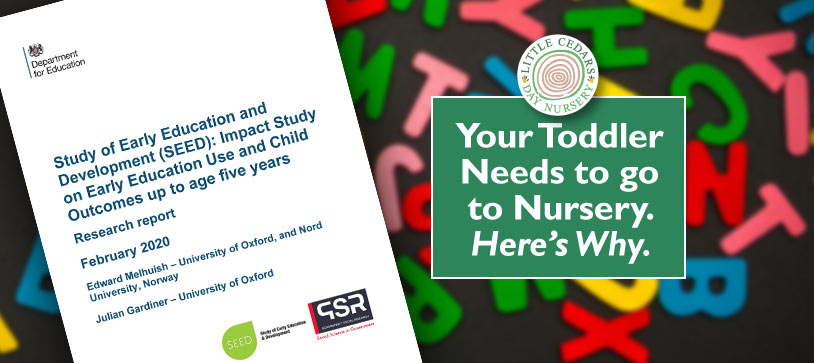
 There are compelling reasons why under-fives should attend early years education and childcare settings like nurseries or pre-schools, or their equivalent — before starting school. Missing this crucial stage in their early years education and development may disadvantage the child — a fact that’s backed up by various studies.
 Some of these benefits are even more pronounced for disadvantaged children who start to attend formal ECEC sessions no later than the age of two. The DfE impact study shows that 2-year-olds benefit most if they receive early education and care for an absolute minimum of 10 hours per week by the age of two. Three- and four-year-old children from disadvantaged backgrounds benefit most from no less than 20 hours per week thereafter in the run-up to the start of primary school at age 5. Children who follow this approach have better verbal abilities when they start school and are also much more likely to achieve expected levels of personal attainment during reception year at school. The studies show that, with ECEC’s highly appropriate, structured preparation beforehand, children are able to hit the ground running once they transition to school.
 As well as having a positive effect on children’s readiness for school, there is also compelling evidence that early years education at good nursery/pre-school type settings has a marked, positive effect on children’s long-term attainment levels there – and indeed on their lifelong outcomes. As such, early years education and care represents an extremely solid foundation for children’s futures in general.
 Are you looking at nursery/pre-school options for your baby or toddler?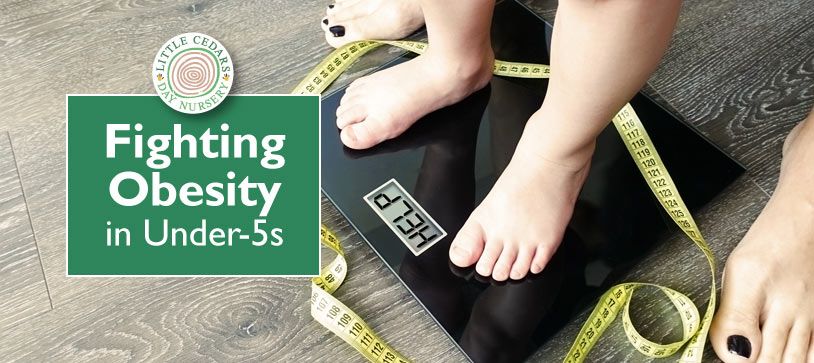
 Following on from our post last month about
  Last month we published
  However, regular exercise has many other potential benefits aside from the management of physical weight and body mass. These include:
 The Government launched its ten year ‘Plan for Action’ to fight childhood obesity back in 2017 and has continued to expand the scheme since then. This initiative was timely in light of the strain that obesity puts on the NHS, made only worse by the arrival of the coronavirus pandemic in 2020. As well as raising awareness of the issues surrounding childhood obesity, measures include things like the so-called ‘sugar tax’, where soft drinks are subject to a levy in order to persuade manufacturers to move towards healthier, reduced-sugar alternatives (a 20% reduction in sugar is a key aim). A similar campaign is being applied to sugar in foods, particularly those that appeal to children. For example, biscuits, confectionery, breakfast cereal, cakes, ice cream and suchlike. The aim is to eventually set caps on the amount of sugar and/or calories per 100g of product. Public Health England (‘PHE’) will monitor manufacturers’ responses to their campaigns and will apply additional “incentives” to improve should they be found wanting as time progresses.
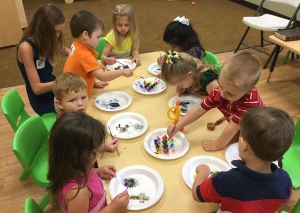
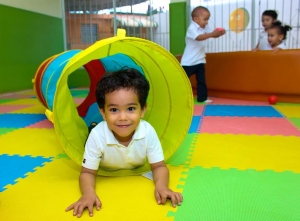
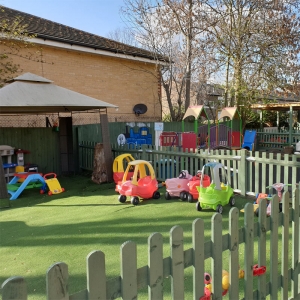 At Little Cedars Nursery in Streatham, we take physical development of children very seriously, so physical education is something that all children have available to them. All children are encouraged to be active, and interactive, so as to remain fit and to be able to hone their physical and motor skills. Indeed, this is a core element of the Early Years Foundation Stage (EYFS) framework that forms the basis of our curriculum.
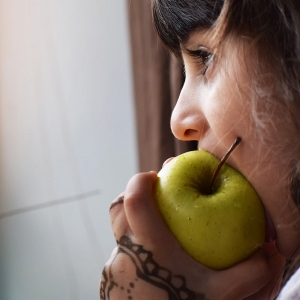 With families living busy lives these days, it’s not always easy to provide the very best nutritious meals for children. This is compounded by an abundance of ready meals and convenience food available in shops and advertised everywhere. However, healthy, balanced diets are incredibly important for children in their early years. Adopting a healthy diet early on can mean that some diseases associated with later life can be avoided. Healthy food also has other beneficial effects on growing children including sustained energy levels, improved cognitive activity, the evening out of a child’s moods, help with mental wellbeing and maintaining a healthy weight.
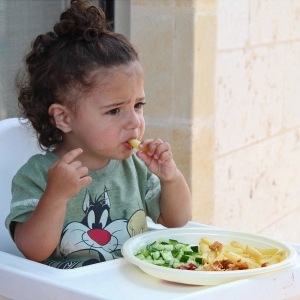 Make sure you give the
 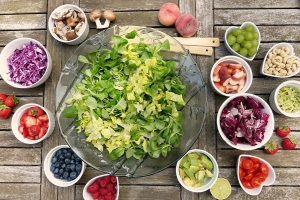 Childhood obesity is a growing problem in the UK, with nearly a third of children aged two to fifteen being overweight or obese. What’s more, data shows that children are becoming overweight at ever-earlier ages and are generally eating less fruit, vegetables, oily fish and fibre than is recommended. The lack of a varied diet will leave children lacking in some essential vitamins and minerals. This is all of major concern. Obesity alone can lead to health issues in later life such as diabetes, heart problems, high blood pressure and even cancer. It may also lead to bullying and self-consciousness which may adversely affect a child’s self-esteem and mental wellbeing.
 Welcome to our guide to free childcare available specifically via Universal Credit. This builds upon our previous childcare funding guides, giving parents yet another potential way to get financial help towards childcare costs. Which scheme suits you best rather depends upon your individual situation as each has its own rules for eligibility. If one scheme doesn’t fit with your situation, another may. You may even find that you can apply for multiple schemes in certain circumstances, and we’ll also touch upon that in this guide. (To view our previous guides on other funding schemes, see our
  To be potentially eligible for childcare help through Universal credit, you must live in the UK, be on a low income or out of work and be aged 18 or over (although there are some exceptions for 16 and 17 year olds). You and your partner, if you have one, must also be under State Pension age and have no more than £16,000 in savings/investments between you.
 If you have been offered new employment, you can ask for childcare costs for the month preceding the start of your new job. If you are coming to the end of your employment, you must inform the Department for Work and Pensions (‘DWP’) immediately. Help with childcare costs can be claimed at least a month after your employment ends to help you maintain childcare as you switch jobs.
 You can have more than one childcare provider. However, to apply for Government help with childcare you must use a registered/approved childcare provider. This generally means that the childcare provider is registered with Ofsted for England, The Care Inspectorate for Scotland or the
 The Tax-Free Childcare Scheme could save you thousands
 The Tax-Free Childcare Scheme is available to parents of children up to the age of 11 inclusive, or 16 inclusive if they’re disabled.
 Along with helping to fund nursery places at places like
  TIP: If you want the Government’s contribution to go into your account faster, your payment needs to be paid by Bank Transfer (rather than, say, via a debit card or standing order, although those still work fine if you don’t mind waiting a while longer for the Government’s corresponding contribution).
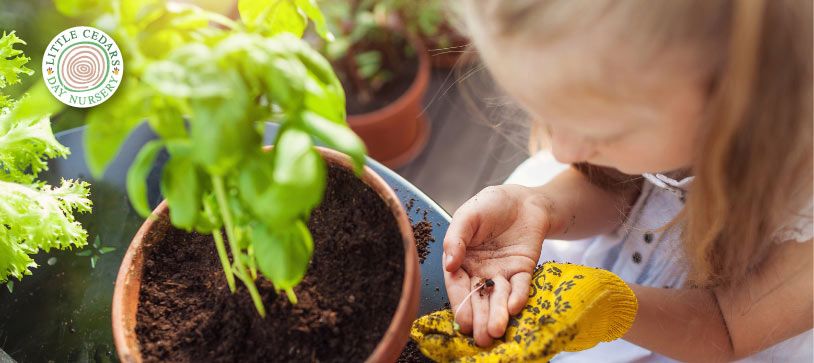
 It may surprise some to learn that you can buy some vegetables and herbs just once and never have to buy them again. The secret is knowing which, and how to re-grow them. It turns out that it’s pretty easy, so we encourage parents to help youngsters get started. Once they see growing shoots or roots and, later, vegetables or herbs that the family can actually eat, they’ll be so pleased that they made this little miracle possible. What’s more, it will have taught them something about where food comes from, how to grow it sustainably and how to look after the living plants. If you’re really lucky, it may even encourage them to take things a step further and get involved in food preparation and cooking later on. It’s amazing, actually, where such a simple, fun, activity can lead!
 It’s possible, and indeed fairly easy, to grow your own produce even without a garden. So long as you look after your plants and give them water, soil and light as a bare minimum, they will grow. If you don’t have a garden, perhaps you have a small courtyard or patio where you can grow in containers. If you don’t have any outside areas at all, you can grow in flower pots and other containers on window sills, balconies, under skylights and so on. This makes growing produce possible almost anywhere, including in urban London in high-rise flats. After all, it’s in a plant’s nature to want to grow.
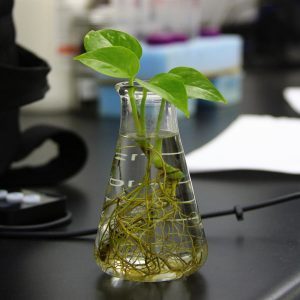 Children could start with green onions or spring onions. These are particularly easy to ‘re-grow’. Later, perhaps, the children can apply the same approach to celery, lemon grass, Cos lettuce and Pak Choy (a type of Chinese cabbage). Simply save an inch or so thick section of your shop-bought root vegetables (perhaps the last you will ever need to buy), which includes the bottom part at the root end. All your children need to do is to place that section, root end downwards, in a glass of water. Leave them in the water and, after somewhere between 1 and 3 weeks, roots will start growing. Children will love monitoring this process each day and they will enjoy looking after and caring for a living thing. Once the roots are substantial enough, children can take them out of the glass and re-pot them in soil, ideally with a bit of compost if you have any. This can be in containers, appropriately sized flower pots or in the garden if you have access to one. Before long, your plants will give your children more, free herbs and vegetables that you can all enjoy.
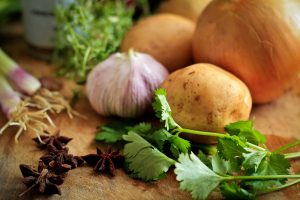 Garlic cloves are also incredibly easy to regrow in a similar way. Perhaps at some point you’ve unintentionally allowed your shop-bought garlic cloves to ‘sprout’. Well, that’s how to start off. Rather than discarding them, your children can put them in water and allow roots to grow. Then, they should plant them out in soil and eventually they’ll end up with more, free, garlic cloves. What’s more, they will tend to taste more mild and delicate than shop-bought garlic — children will probably appreciate that. It’s the same with ginger roots, but allow months rather than weeks in their case.
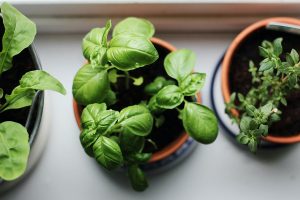 Herbs like Coriander, Rosemary and Basil can also be re-grown. Children can simply take scraps or clippings (4 inches long in the case of basil, 2-3 inches in the case of Rosemary) and place them in glasses of water in a well-lit spot on the windowsill. Once they have sprouted roots of about 2 or so inches long, these young ‘plants’ can be transplanted into soil or compost in pots. Your child will then be able to watch the plants flourish and grow into new herbs that can be harvested for food later on. The children will also soon discover that each of these herbs has a wonderful and distinctive taste and smell.
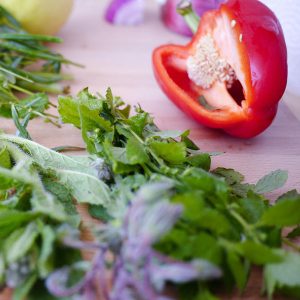 Later, when growing sprouts reach the surface, the child should keep those covered with soil (this is called ‘hilling’). Get your child to keep the soil moist but not over-saturated over the subsequent weeks. If planted in the spring, your children should be able to harvest potatoes in the summer.
 Then, of course, your children can also experiment with nursery bought, or mail order seeds. Although not free, they’re reasonably inexpensive and also fun for children to grow if you follow the instructions and timing suggested on the seed packets. Beans of various kinds and sugar snaps are particularly easy to grow and usually result in an excellent crop. They will benefit from being in a garden or outdoor patio area, ideally, due to the space they require. They will need more vertical space than horizontal space, however, so even balcony planting may be possible if you have suitable grow bags.