
We all know how detrimental a bad night’s sleep can can be to our general wellbeing. At the very least, it can make the following day a real struggle, perhaps make us feel irritable and certainly leave us underperforming. With this in mind, we thought we’d take a look at how sleep affects babies, toddlers and under-fives. It will be no surprise to hear that a good night’s sleep is even more important for the early years age group.
What are the benefits of a good night’s sleep to children?
Sleep has enormous benefits to the young and old and it has been the subject of many studies. Young children who get a decent night’s sleep are shown to:
- be happier, have better moods and be more resilient;
- have better attention spans;
- be more alert;
- have improved learning capacity and cognitive performance;
- have better memory skills (e.g. improved vocabulary acquisition);
- have improved development of motor skills;
- have improved mental and physical health;
- be less likely to be withdrawn, stressed or anxious;
- have a reduced likelihood of developing high blood pressure, obesity, diabetes and depression.
- What’s more, children’s growth hormone is produced when the child is asleep. This is essential for healthy growth and function of the child’s body, particularly during early infancy.
- Other hormone levels change when you sleep and this can help with anything from skin repair to muscle mass and even changes to body weight.
 These are significant benefits, so high quality sleep — and the right amount — is incredibly important.
“A quarter of children under the age of 5 don’t get adequate sleep” (National Library of Medicine, Biotech Information)
How much sleep should young children and babies get?
Studies suggest the following recommendations when it comes to the number of hours of sleep that children should regularly receive during their early years …
Recommended sleep time
- 4-12 months old: 12-16 hours of sleep (per 24 hours, including naps)
- 1-2 years old: 11-14 hours of sleep (per 24 hours, including naps)
- 3-5 years old: 10-13 hours of sleep (per 24 hours, including naps)
Source: Great Ormond Street Hospital (GOSH) / The American Academy of Sleep Medicine (AASM)¹
Sleep Hygiene
 ‘Sleep Hygiene‘ is a term that refers to the whole routine around bedtime and sleeping, including important preparation measures during the run-up to bedtime A good sleep hygiene regime will help children get to sleep and to sleep soundly.
Parents can help to optimise children’s sleep quality in a number of ways:
- Caffeine is a stimulant, so encourage children to limit their intake during the day and completely avoid it from lunchtime onwards. It can be found in hot drinks like tea and coffee as well as cold drinks including energy drinks and fizzy drinks like coke.
- Conversely, a drink of warm milk in the evening before bedtime can have a soothing effect and help a child to get settled, ready to sleep.
- Avoid giving children large meals too close to bedtime, as these can stop them from getting to sleep.
- Exercise can play a big part in a child’s sleep pattern but it needs to be approached in the right way. While exercising vigorously soon before bed can lead to problems getting to sleep, exercising during the day can burn off excess energy and help children sleep well once it comes to bedtime later on. Some fresh air in the evening (for example, a leisurely outdoor walk) can also help children to feel sleepy once they get home.
- Children’s bedrooms should have the right set-up. For example, they should not have access to anything that might stimulate their brains in the run-up to sleeping. Toys could be an unwanted distraction from sleep if present, however screens (TVs, handheld tablets, mobile phones etc.) should be totally avoided several hours before bedtime. Not only do they distract from sleeping but screens have also been shown to stimulate the brain even after they’ve been switched off — greatly hindering sleep.
- Bedrooms should also be away from noisy areas of the house and the room should also be a comfortable, but slightly cool, temperature.
- Children’s rooms should also be suitably lit to suit the child in question. Some young children sleep best in total darkness while others may sleep better if there is a night light in or close to their bedroom.
- Giving them a suitable cuddly toy may also help them to feel more safe and secure.
- Children should also be encouraged to visit the toilet immediately before bed. Doing so decreases the chances of them having to interrupt their sleep for a visit to the loo during the night.
- Baby monitors are also useful so long as the child doesn’t end up using them simply as a way to communicate with parents in another room.
- If children leave their bedrooms to seek out parents during the night, it’s a good idea to quietly lead them back to their beds, without debate where possible, and to be consistent about it. Otherwise, a precedent is set and they might do it more and more often. Such a habit would be detrimental to their sleep pattern. It’s important to be consistent and not to ‘cave in’ to the child, even if they try to be with parents repeatedly throughout the night. They’ll eventually get the message and their overall sleep pattern will benefit from doing so.
 The biggest message is that setting up — and sticking to — a set bedtime routine will greatly help with the quality of your child’s sleep. It sets a pattern that their minds and bodies will become used to naturally. A regime of this nature can include winding-down activities like a warm bath or shower, a peaceful book-reading session, dimmed lights and so on in the approach to bedtime. The routine will prepare them automatically for sleep even during the run-up to actually sleeping.
Important Side Note: The importance of sleeping position when babies are in the womb
Aside from the obvious positive effects of sleep on children and adults, one surprising aspect of sleep has a direct impact on the wellbeing of unborn babies. Statistics suggest that the sleeping position of the parent can have a direct bearing on the foetus’s chance of survival. This is important stuff! According to NHS Start 4 Life², mothers-to-be should try to sleep on their sides, when possible, by the 28th week of pregnancy. Doing so will statistically reduce the risk of the baby being stillborn. Of course, once asleep, it’s only natural for you to move around into different positions, so the message is not to worry unduly if you wake up on your back when pregnant — it’s totally normal for this to happen. Simply go onto your side before returning back to sleep. Bending your knees will help you get comfortable on your side, facilitate easier breathing and put less pressure on your uterus. As an added bonus, it also helps to alleviate backache.
Sleep at Little Cedars Nursery, Streatham
 At Little Cedars Day Nursery in Streatham, we understand the importance of sleep, particularly for babies and the youngest of the children. For that reason, we ensure that children have the opportunity of a nap both in the morning and in the afternoon. For example, babies sleep for about half an hour to an hour around 9.30am and then again after lunch, for 1 to 2 hours between about 1pm and 3pm. Preschoolers don’t have to sleep if they don’t want to, but are given the opportunity to do so — every child is different. We also take a lead from parents who may prefer their child to keep to a particular sleep pattern. If you would like more information about this topic, and how we approach it at the nursery, please do get in touch.
Contact Little Cedars Day Nursery
Little Cedars Day Nursery offers weekday childcare services in Streatham, London SW16, for babies (from 6 months) and children aged up to 5 years old. We’re based in Aldrington Road, so are convenient for anyone looking for a nursery or pre-school in and around Streatham, Streatham Park, Tooting Bec, Tooting Common, Furzedown and Balham. Call 020 8677 9675 for more details. You can also request more details, send us an email or arrange a visit here, so we can show you around the nursery.
Please note that this article is for general guidance only and does not constitute medical advice. If you are at all concerned about your child’s sleep, health or wellbeing, please seek advice from your child’s doctor or health professional.

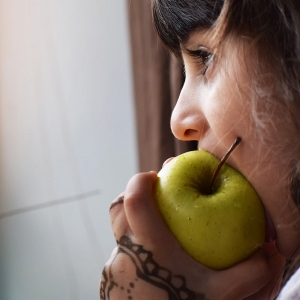 With families living busy lives these days, it’s not always easy to provide the very best nutritious meals for children. This is compounded by an abundance of ready meals and convenience food available in shops and advertised everywhere. However, healthy, balanced diets are incredibly important for children in their early years. Adopting a healthy diet early on can mean that some diseases associated with later life can be avoided. Healthy food also has other beneficial effects on growing children including sustained energy levels, improved cognitive activity, the evening out of a child’s moods, help with mental wellbeing and maintaining a healthy weight.
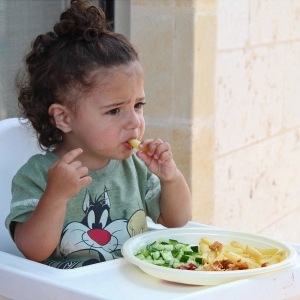 Make sure you give the
  Childhood obesity is a growing problem in the UK, with nearly a third of children aged two to fifteen being overweight or obese. What’s more, data shows that children are becoming overweight at ever-earlier ages and are generally eating less fruit, vegetables, oily fish and fibre than is recommended. The lack of a varied diet will leave children lacking in some essential vitamins and minerals. This is all of major concern. Obesity alone can lead to health issues in later life such as diabetes, heart problems, high blood pressure and even cancer. It may also lead to bullying and self-consciousness which may adversely affect a child’s self-esteem and mental wellbeing.
 Welcome to our guide to free childcare available specifically via Universal Credit. This builds upon our previous childcare funding guides, giving parents yet another potential way to get financial help towards childcare costs. Which scheme suits you best rather depends upon your individual situation as each has its own rules for eligibility. If one scheme doesn’t fit with your situation, another may. You may even find that you can apply for multiple schemes in certain circumstances, and we’ll also touch upon that in this guide. (To view our previous guides on other funding schemes, see our
 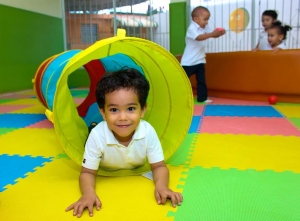 To be potentially eligible for childcare help through Universal credit, you must live in the UK, be on a low income or out of work and be aged 18 or over (although there are some exceptions for 16 and 17 year olds). You and your partner, if you have one, must also be under State Pension age and have no more than £16,000 in savings/investments between you.
 If you have been offered new employment, you can ask for childcare costs for the month preceding the start of your new job. If you are coming to the end of your employment, you must inform the Department for Work and Pensions (‘DWP’) immediately. Help with childcare costs can be claimed at least a month after your employment ends to help you maintain childcare as you switch jobs.
 You can have more than one childcare provider. However, to apply for Government help with childcare you must use a registered/approved childcare provider. This generally means that the childcare provider is registered with Ofsted for England, The Care Inspectorate for Scotland or the
 The Tax-Free Childcare Scheme could save you thousands
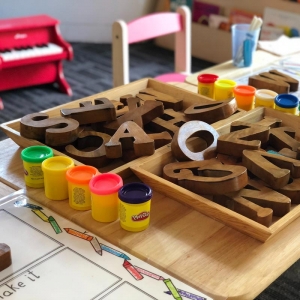 The Tax-Free Childcare Scheme is available to parents of children up to the age of 11 inclusive, or 16 inclusive if they’re disabled.
 Along with helping to fund nursery places at places like
  TIP: If you want the Government’s contribution to go into your account faster, your payment needs to be paid by Bank Transfer (rather than, say, via a debit card or standing order, although those still work fine if you don’t mind waiting a while longer for the Government’s corresponding contribution).