

 Children of the UK, it’s time to get ready for World Book Day! Arriving in early March, it is a wonderful annual event where children across the nation get to immerse themselves in books, storytelling, and other book-inspired activities. Such activities are incredibly important for children. Did you know, for example, that children who regularly read for pleasure are happier children who also go on to have greater success in their lives? This uplift is even more significant for children from disadvantaged backgrounds. Such is the power of reading for little ones! With all this in mind, today’s article outlines more about World Book Day and why it’s so important. It also suggests some activities that children and families can take part in to celebrate this year’s event.
“World Book Day improves children’s life chances, particularly those growing up in disadvantage and inequality, by encouraging reading for pleasure.” — World Book Day® Impact Report 2024
Why World Book Day is So Important to Children
 World Book Day arrives each year on the first Thursday of March. So, for 2025 it’s celebrated on the 6th of March, then in 2026 it’s on the 5th, for 2027 it’s the 4th, and so on. Organised by the charity of the same name, the core mission of World Book Day is “to promote reading for pleasure, offering every child and young person the opportunity to have a book of their own.” The reason is simple: a life-long love of reading for pleasure results in improved life chances. It’s incredibly powerful for children of all ages, as indicated in the following findings from the Organisation for Economic Co-operation & Development:
“Reading for pleasure is the single biggest indicator of a child’s future success – more than their family circumstances, their parents’ educational background or their income.”
The National Literacy Trust, BookTrust and others also came to similar conclusions:
“Evidence … shows that reading enjoyment and literacy levels are associated with educational attainment and employability skills as well as health, social, emotional and intellectual benefits.”
How to Encourage Children to Love Books
 The World Book Day® charity published a 17-page impact report for the event that took place in 2024. One of the key findings was that something needed to be done to stop the significant drop in children reading for pleasure. Otherwise, children would be missing out on some profound benefits. The report concluded that there had been several reasons for the downward trend. For example, 20% of children said they felt judged for what books they read. Some said that reading felt more like a chore or ‘work’ because the books were foisted upon them by adults. Just over 8% of children simply didn’t have access to any books at home. Of those that did, over a third said they had no choice over what they read.
However, after asking the children what would make reading better, the conclusion was that being able to choose what to read, when to read, and where to read were crucial factors in their enjoyment. Being given the freedom to read in other ways also played a role; for example, some wanted access to audiobooks, graphic novels, and other non-standard book types. From this, a new approach was devised and World Book Day organisers have adopted it this year. It’s called ‘Read Your Way’ and is proving to have positive results.
Employ the ‘Read Your Way’ Approach to Reading
This new theme has six key components, each helping to increase children’s enjoyment and regular uptake of reading:
- Read to/with children regularly;
- Help children find time to read;
- Ensure children have books at home as well as at school/nursery etc.
- Make reading fun for children;
- Ensure children get to choose which book(s) they read;
- Ensure children have trusted help when choosing a new book.
Books for World Book Day
 In the UK, children under 18 are eligible to receive a £1 book token through the event. This can be used to buy a special World Book Day title or go towards another book (more information is available here). World Book Day is therefore the perfect time to encourage children to read books – or, of course, to read in tandem with parents/carers if they’re not yet old enough to understand printed words. Greater success is likely, though, if the ‘Read Your Way’ approach, outlined above, has been employed. So, for example, by allowing a child to choose the book, when to read it, and where to read it. And they don’t have to stick only to World Book Day because every day is a great day for children to benefit from reading!
Activity Ideas for Under-Fives
While many schools and childcare settings arrange activities for children on World Book Day, families can also organise their own. Consider these fun and simple ideas to get you started:
Visit a Library or Bookshop
Many local libraries take part in World Book Day each year by organising storytelling sessions, book-themed activities, and fancy-dress fun for local families. So, perhaps check what’s on near you. A special trip to a local bookshop is also a great idea for World Book Day, especially if your child has one of the event’s book tokens and the bookstore is a scheme participant. Make it an event, let your little one pick out a book, and it can become a truly special experience for them.
Dressing Up for Story Time
Children will love dressing up as their favourite book character! It doesn’t have to be complicated — a red top for Little Red Riding Hood, a black sheet or tablecloth for Harry Potter’s robe, or a stripey t-shirt for Where’s Wally can be effective as a little one’s costume. Then, snuggle up and read their chosen book together.
Creating a Cosy Storytelling Nook
 A storytelling nook or corner is also a wonderful addition to a child’s home. Part of the fun is setting them up with your child, so they’re cosy and comfortable. Cushions, warm rugs, and child-safe LED candles give a bit of atmosphere and perhaps blankets can be stretched over a frame or furniture to create a snug teepee or den. Once complete, you and your child have somewhere welcoming and comfortable to read stories together. Follow the bold link to learn more about this magical idea.
Interactive Storytelling
Make books come to life with silly voices, props, and actions. These give stories a realistic slant as well as making them interactive — and great fun! For example, whispers can add suspense, scary voices can add tension, and well-placed silly voices can add a bit of humour! Perhaps go a step further and act out scenes with your child after reading sessions.
Sensory Play Inspired by Books
Stories can also be brought to life with hands-on sensory activities. For example, the book The Very Hungry Caterpillar could inspire a home fruit-tasting session! Let your child try different fruits and talk about their colours, textures, and flavours. Harry Potter books or Room on the Broom could inspire playful potion-making. Children could mix coloured water, glitter, leaves and all sorts of (safe) things for a magical potion play session!
Book-Themed Arts & Crafts
Books and stories can really inspire children’s creativity. So, why not harness that instinct and get them busy with some book-inspired crafts? Some easy creative ideas include making a DIY bookmark with stickers and drawings, creating a simple puppet of a story character, designing and decorating a mini picture book together, or even creating stories together that the children can illustrate.
Get Siblings Involved
If your child has older siblings, they can read aloud to their younger brother or sister, act out a story together, or even write their own book. Encouraging them to share their love of reading encourages little ones and makes the day even more special.
These are just a few ideas for families celebrating World Book Day. Be sure to check out the family activity ideas on the World Book Day website for even more ideas.
World Book Day is a fantastic way to introduce children to the joy of books, but why stop there? Reading with children is incredibly beneficial to them, so keep the reading fun going all year by making stories a daily part of playtime and bedtime. Happy World Book Day!
Little Cedars Day Nursery, Streatham

 Today’s article was brought to you by the team at Little Cedars Nursery in Streatham. This wonderful nursery and preschool in London SW16 provides high-quality weekday childcare virtually all year round. It is rated as a Good Provider by Ofsted and supports funded childcare for eligible children under five including babies from just 9 months. Being located in Streatham, close to Tooting Common, means it may also be a convenient choice for families in Tooting, Furzedown, Balham, Norbury and Colliers Wood.
Get in touch today to explore a possible nursery place for your baby or child under five — we’d love to hear from you and would be happy to show you around on a guided visit with your child:

 Families: get ready for World Wildlife Day! On 3rd March each year, we celebrate UN World Wildlife Day, an important event that is all about protecting nature’s flora and fauna. At nursery age, little ones are naturally curious and eager to learn more about the world around them. World Wildlife Day is therefore the perfect opportunity to inspire a greater love for nature and wildlife in our young. Exploring the wonders of plants, trees, and the animal kingdom teaches them more about the world and also helps children develop key skills like language, creativity, and empathy. Whether through outdoor play or wildlife-themed activities, engaging with nature’s wildlife can therefore create valuable early learning experiences. With that in mind, today’s post outlines some simple activities that children, including those under five*, can take part in to celebrate World Wildlife Day. We also highlight some of the benefits of nature to children towards the end of the post.
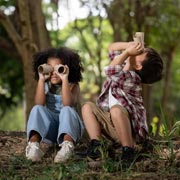 Getting outdoors is the best way to see wildlife, especially if your family lives near a park or the countryside. Rambles, picnics, and simple walks are all obvious options and, of course, wildlife sanctuaries are a good choice if you have one nearby. That said, while such outdoor options are amongst the best ways for children to connect with nature, sometimes they’re simply not possible. However, when that’s the case, there are plenty of other possibilities including bringing the wonders of wildlife into your nursery, home, or garden. Here are some engaging, age-appropriate activities that will allow children to take part in World Wildlife Day whatever their circumstances:
 Most children naturally take to drawing, so encouraging them to draw wild animals, plants and birds will be a popular suggestion, especially around the time of World Wildlife Day. For example, they could try drawing British mammals like rabbits and squirrels, jungle animals like elephants and tigers, or sea creatures like dolphins and whales. To make it easier, perhaps give them some visual reference to inspire them. They could choose from a variety of media, be it pencils, crayons, paints, or collages — or something entirely different. Playdough or salt dough models are also an option. Children naturally love to create and, once complete, perhaps display their pieces to encourage future progress.
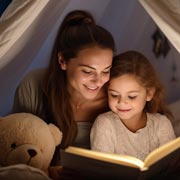 Reading books about wildlife will introduce children to new animals and habitats. Great options for younger under-fives include ‘Dear Zoo’ by Rod Campbell and ‘Brown Bear, Brown Bear, What Do You See?’ by Bill Martin Jr. (author) and Eric Carle (illustrator). Also, of course, children and families have the option to tell each other made-up stories. They’re a great way to encourage creative thinking and can be approached in a number of different ways. For example, a parent could tell a story first to give the child an idea of
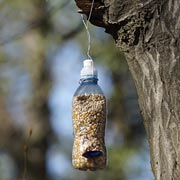
  Try making some simple bird feeders with your children. There are lots of easy ways to make them as outlined in our dedicated guide,
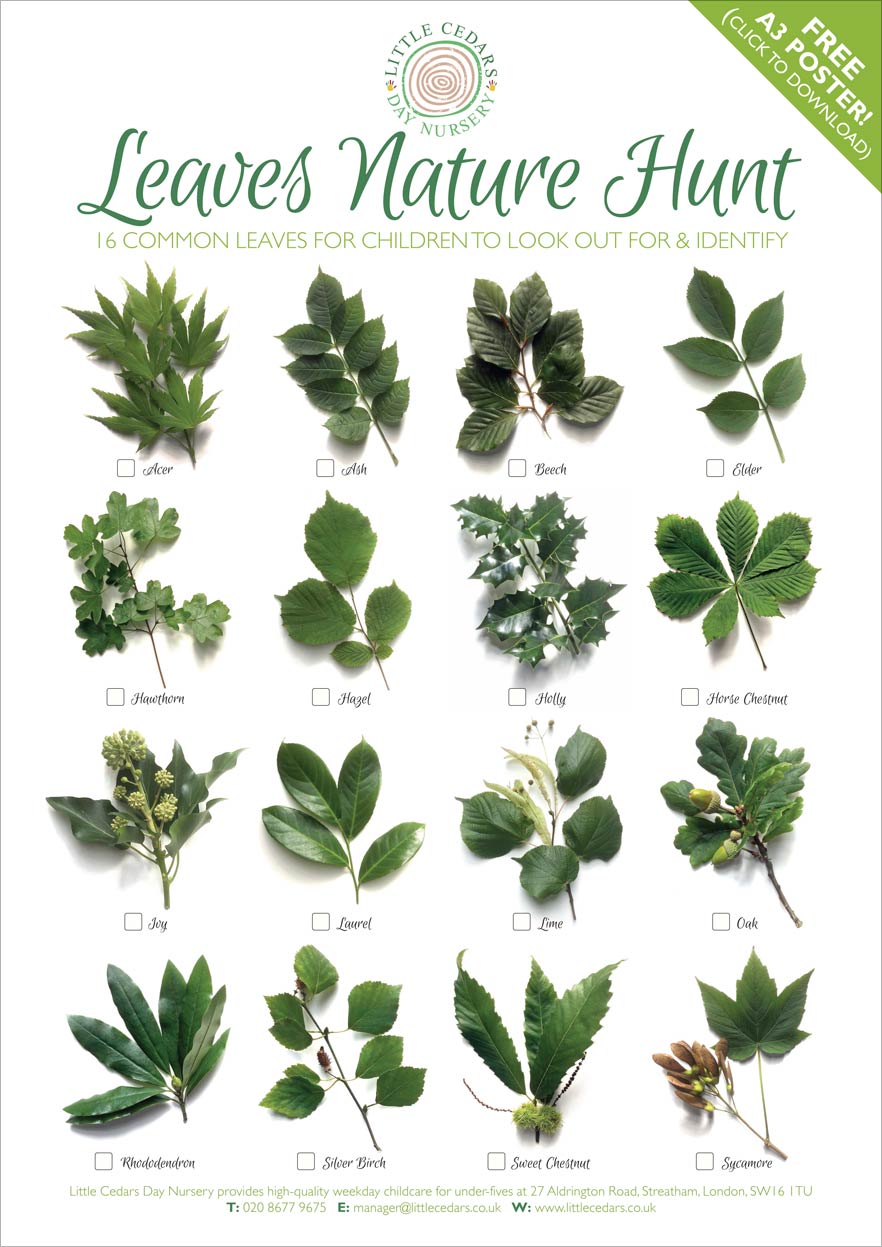
 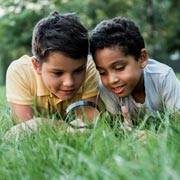 Create a simple scavenger hunt using pictures, words, or our free nature hunt sheets to encourage children to find different natural objects like leaves, feathers, and pine cones. This activity builds children’s observation skills, gives them deep insights into nature, and instils in them a better appreciation for the environment. Currently, free reference sheets are available for
  Engage children with easy science experiments, like
 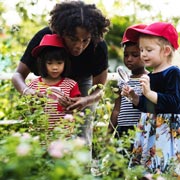 Spending time in nature or learning about wildlife isn’t just fun—it has incredible benefits for early childhood development. To harness such benefits, families can incorporate nature-based learning into children’s routines in a variety of ways. Examples include organising outdoor exploration sessions, setting up small wildlife observation areas, and using nature-themed storytelling to engage the young learners. Connecting children with nature:
 Incorporating wildlife into children’s activities doesn’t have to be limited to one day. Encouraging youngsters to notice the birds in the garden, look for insects on nature walks, or watch the changing seasons can gift them a lifelong love of nature. Parents and families can make wildlife observation a regular habit, perhaps by keeping a simple nature sketchbook where children can draw or glue in pictures of what they see, or by creating a wildlife corner at home with books, nature finds, and small child-safe plants. Even setting up a bird-watching station near a window can turn everyday moments into exciting learning opportunities. By celebrating World Wildlife Day, we can inspire the next generation of nature lovers—one little explorer at a time!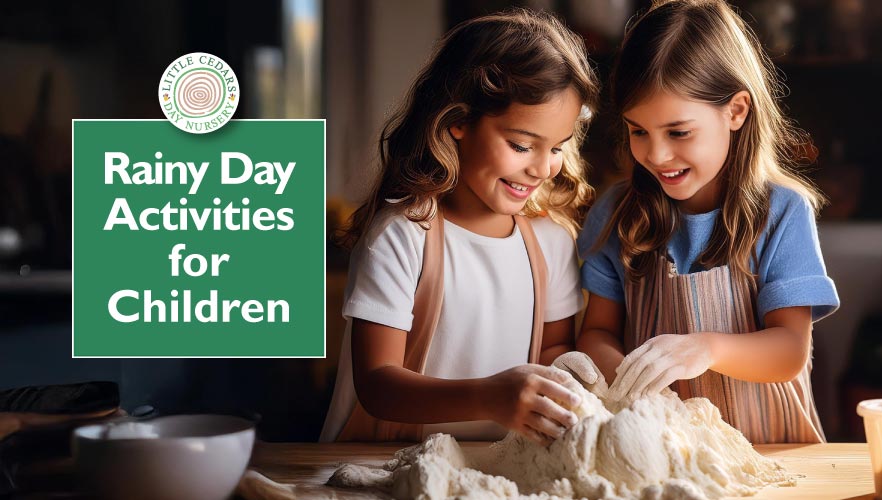
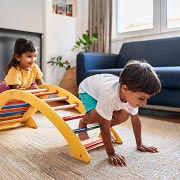 Transform your living room into a mini adventure zone. If you don’t have existing adventure equipment, perhaps use cushions and make tunnels from blankets draped over furniture. You can also create masking tape ‘routes’ on the floor to mark out an exciting course for little ones to navigate, crawl through, jump over, and balance along. You can add a timer to make it a fun race or include challenges like hopping on one foot or crawling backwards. This is a great way to build gross motor skills while having loads of fun.
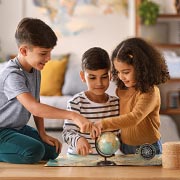 Hide small toys or objects* around the house and give your child simple clues or a checklist to find them. This activity encourages problem-solving and keeps them engaged in an exciting mission. Perhaps introduce themes, for example, a pirate treasure hunt with a ‘treasure map’ or a nature scavenger hunt using items like leaves or toy animals.
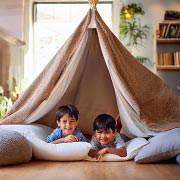 A few sheets stretched over furniture, with blankets, pillows, and child-safe* LED fairy lights below, can create a cosy hideaway. This can be used for storytelling, imaginative play, or simply a quiet space to relax. Encourage your child to bring their favourite books and stuffed animals inside, to make it their own secret retreat. Den building helps encourage creativity, teamwork, and a sense of independence.
 Let your little ones dress up as pirates, fairies, princesses, or superheros and encourage them to act out their own stories. Role-playing helps boost their imagination, creativity, and confidence. Provide props like child-safe* toy swords, wands, or kitchen utensils as pretend play items to expand their stories. Acting out different scenarios enhances communication skills and self-expression.
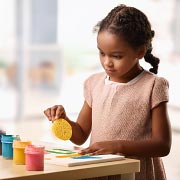 Swap traditional paintbrushes for sponges, cotton pads, or even cut vegetable fingers or potato ‘stamps’. Using unusual tools to apply paint allows children to explore different textures and get creative with their masterpieces. You can also use things like leaves, or child-safe kitchen utensils, to achieve different effects. Let them mix colours and discover new shades while experimenting with new application techniques.
 Help your child make their own salt dough with flour, salt, and water. Moulding and shaping salt dough is a great sensory and motor skill activity. While supervising children for safety, provide cookie cutters, rolling pins, or stamps so they can make different shapes and imprints. You can also add child-safe food colouring for extra sensory fun.
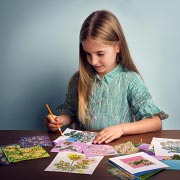 Give your child a mix of stickers, old magazines, and child-safe glue sticks to create their own collage artwork. This is a great way to develop fine motor skills. Set up themes such as Under the Sea or Space Adventure to inspire their creativity. When finished, perhaps display their artwork on the fridge or a wall to encourage pride in their work and nurture their sense of achievement.
 A large cardboard box can become a rocket, a car, or a house with just a little imagination. Provide crayons or water-based markers and stickers for decoration and let their creativity take over. You can cut out* windows, and doors, and even make a steering wheel for them. Encourage storytelling by asking them where their box creation will take them.
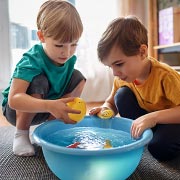 Closely supervising* children for safety, fill a washing-up bowl with water and let them guess whether different objects will sink or float. This simple science experiment is both educational and fun. You can extend the activity by discussing why some things float and others sink, teaching basic physics in an engaging way.
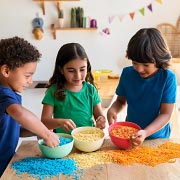 Dye dry rice or pasta with child-safe food colouring for a colourful, ‘scoop-able’ sensory play activity. Once the dye has dried, provide spoons, cups, and small containers for pouring, scooping, and mixing. This activity helps develop fine motor skills while being visually stimulating.
 (While supervising children*): mixing flour with baby oil or vegetable oil will create a soft, mouldable
 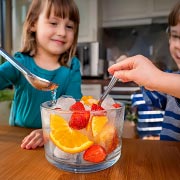 Freeze fruit like strawberries, orange segments, or suitably sized small toys in ice. Once you have removed them from the freezer, let children “rescue” the fruit and objects from the ice by using warm water and spoons. This activity promotes patience and problem-solving skills with a scientific twist. You can add child-safe food colouring to the water before freezing for a more visually engaging experience.
 Provide ready-made bases, tomato sauce, cheese, and toppings for kids to assemble* their own mini pizzas. Encourage them to arrange toppings into faces, pictures, or patterns, making the activity both fun and delicious.
 Applying icing and sprinkles to cookies or biscuits makes for a fun and tasty decorating activity. Let children experiment with different patterns and colour combinations, encouraging creativity and hand-eye coordination.
 Let children choose their ingredients and blend* fruit with milk or yoghurt to make delicious and nutritious drinks. If they’re old enough, are closely supervised, and it’s safe for them to do so, let them help with mixing. Once the smoothie mix is ready, use fun paper straws or cups to make it feel like a special treat.
 Play your children’s favourite tunes and have a dance-off! A dance party is great for burning off extra energy indoors and it’s immense fun. Children can swirl paper ribbons or strands of coloured tissue paper for added fun and movement when they dance. Dancing helps children stay fit and is also good for honing coordination, balance, and motor skills.
 Musical statues and musical chairs are classic games that never fail to bring laughter and excitement to a rainy day. Add fun challenges like dancing in slow motion or pretending to dance like a robot and it’s sure to be a big hit with kids!
 Create shakers using rice or dried pasta in bottles — or use pots and pans as drums, perhaps using a wooden spoon. Encourage your child to form their own mini band. Different materials and a range of cardboard boxes or Tupperware-style tubs will allow children to experiment with a variety of possible sounds. It’s very creative!

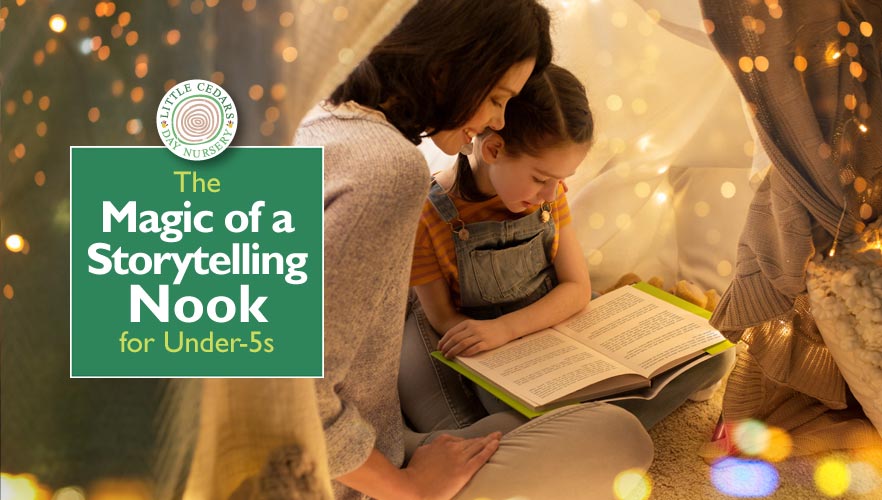
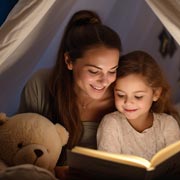 Any successful storytelling nook needs to be warm, cosy, quiet and comfortable. That means choosing a corner or recess of some kind in the home that’s away from distractions like TVs and game consoles. Somewhere that’s not used as a thoroughfare by other family members will also help. Wherever you choose, it also needs to be warm. Therefore, somewhere away from draughts is required, so avoid being too close to entrances and exits to the outside. A corner of a quiet room or a tranquil alcove are therefore often ideal spots for your child’s storytelling nook.
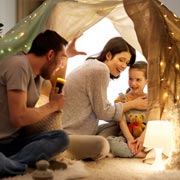 Whether reading from a book or creating a new story off the top of one’s head, there’s something that really brings a story to life — being animated and expressive during storytelling, rather like actors might do. That’s true whether it’s the adult or the child telling the story.
 Do consider adding a storytelling nook or reading corner to your child’s home. They’re great vehicles for escapism, are incredibly worthwhile, and offer potentially magical experiences for your child. And, if you go the extra mile to make them cosy, immersive and special, they will encourage your child to love reading and creating new adventures using their imagination. Storytelling nooks and reading corners can open up whole new worlds to your child and be a wonderful antidote to electronic screens, gloomy weather, and more limited daylight during winter months. What’s more, they’re a great way for all parties to grow deeper bonds through shared periods of exquisitely immersive, high-quality time.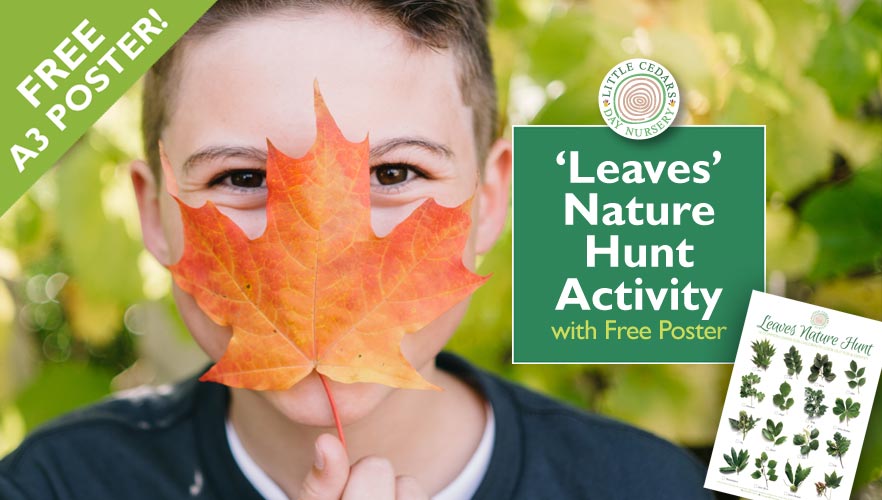


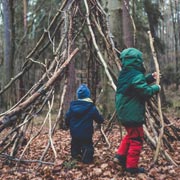 Home-made play dens are great fun both to construct and to use. Children will love constructing them, perhaps using fallen branches, sticks, or garden bamboo canes. If they show real ‘bush craft’ potential, they could even progress to covering them with large leaves, moss, fir tree fronds, or simply use a spare blanket or sheet from indoors. Once made, children will adore setting up camp, perhaps with cushions or soft moss, straw, or hay, used as a comfy base inside. Once built, their imaginations will run riot as they invent all kinds of games, role-play scenarios, and free-form play. This creative activity is such fun and has so much potential!
 With a little help from an adult or using suitable reference from the Internet or a book, children will be able to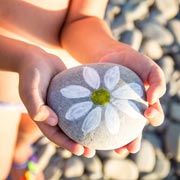
 Rocks, particularly the smooth pebble kind, are often magnets for children’s attention when they spot them outdoors. Parents and carers can encourage children to take their natural interest a few steps further by creating rock art and rock sculpture (using, of course, suitable rocks that are safe for them to use under supervision). Children will love painting rocks with patterns, flowers, or abstract designs and these can look hugely attractive. Rock sculptures are also something that children will love building, whether using painted rocks or natural ones. Scenes with multiple ‘towers’ of piled rocks look magical and children can even pretend these are part of their ‘castle’ or mark the boundaries of their kingdom and suchlike. Creating outdoors with rocks will be fun and creative, it’ll stimulate imaginations, and also hone art and motor skills.
 Children will love creating their own picnic, whether it’s in the garden, local park, or out in the countryside. It’s a multi-faceted activity where they can first help prepare the food and drink, help pack it in backpacks or a cool bag, and then settle somewhere pleasant outdoors. There, they can set up camp, perhaps with a nice soft blanket to sit on, and lay out their picnic feast. It’ll be a great spot, too, to relax with friends or family, or use as a base from which to embark on other outdoor games and activities. Picnics are also a great way to extend the time children can spend outdoors because they’ll be fed and watered outside too. Magical!
 Introduce children to the concept of rambling. It’s a term that also sounds much more interesting than ‘walking’ in any case, and is a great excuse to get little ones out and about, for example, in the countryside, local park, or green space. Rambling out in nature is good for children (and adults) and also presents lots of exciting opportunities for adventure for little ones. Whether it’s a fallen log that children can try to walk along, tree stumps that they can balance on, branches they can try to hang from by their arms, or little brooks and ditches that they can jump across, rambles can be wonderful adventures for children — under adult supervision, of course. They’re also great ways to stimulate imaginations as children can pretend they’re explorers, pirates, hobbits, and so on.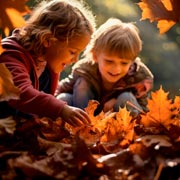
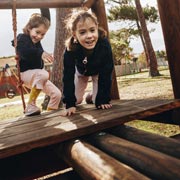 Children will also hugely enjoy making and then competing in their own obstacle race. Encourage them to set up a route through a suitable clearing, forest, field or park. Get them to mark boundaries and the course route with natural objects (sticks, rocks, stones, jumpers, etc.). Include obstacles like branches to jump over, tree trunks to run around, ditches or other similar hazards to jump over, and so on. Perhaps they can race several times and you, as the supervising adult, can time them. Whoever wins could be presented with a prize of some kind, whether it’s a purchased toy or simply a gold star sticker. It’ll be a great chance for children to let off steam, keep fit, and hone balance, coordination and motor skills.
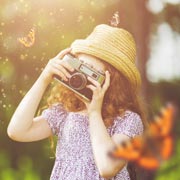 Little ones are usually familiar with the concept of photographs, especially in today’s age, with cameras on every smartphone and tablet. And, of course, there are still simple stand-alone cameras available, whether digital or using traditional film. Either way, suggest that children — with care not to break or damage the device — take photos of natural things and scenery when they’re outdoors. There could even be a competition to see who can take the best photo of a flower, insect, or scene of some kind. This activity will stimulate their creativity, encourage an understanding of scientific concepts like light and shadows, and give them a sense of responsibility as they (hopefully) look after the camera or smartphone itself. Prizes or stickers could perhaps be available for the most successful and appealing shots.
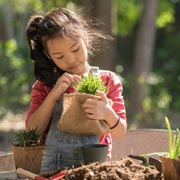 Children will love having their own mini garden. Whether it’s a small area in the household garden or simply some flowerpots or grow-bags on a windowsill or patio, there is always somewhere a child can grow plants (or even vegetables or herbs) in a household. All they need is some light, soil, and water, after all. And, of course, the care and attention of someone to look after them. Children will naturally be fascinated by the concept of growing plants, flowers, herbs, vegetables, or fruit from seeds or seedlings. Tending to them and seeing them successfully grow will also give them a sense of responsibility, achievement, and perhaps even of empathy. Children can learn so much from tending to plants.
 Our final outdoor activity idea for children is wildlife spotting. Whether it’s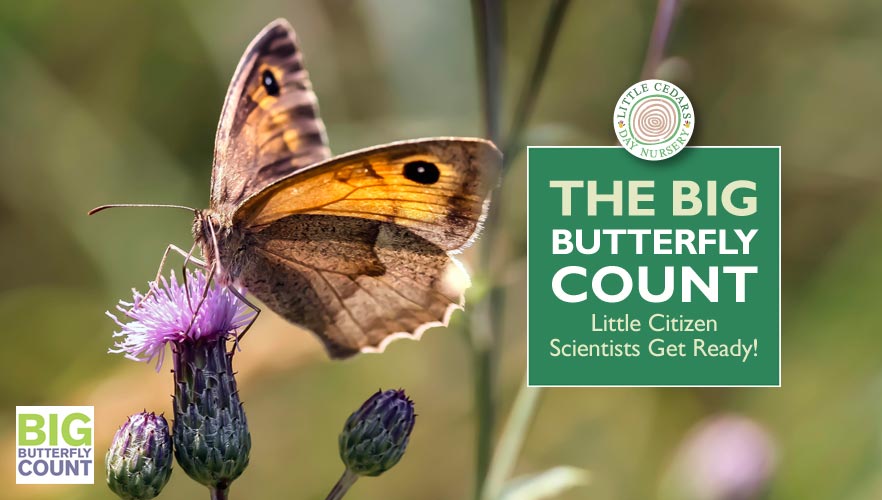
 As promised in our last post we now extend our
  One of the key things that pollinators like bees need is something to drink, particularly when the weather is hot. They expend a lot of energy buzzing about and can easily become exhausted without a source of water. So, a simple thing that children and families can do is to put out some small, shallow dishes of water among any flowers (whether in flowerbeds or flowerpots). The little drip trays that you put under flowerpots are perfect but any small, shallow dish will do. A critically important detail is that a ‘landing stone’ should be placed into the water so that the bees have somewhere safe to land above the level of the water’s surface.
 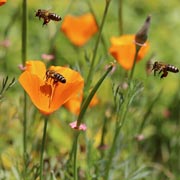 Bees, hoverflies, butterflies and all pollinators also need nectar as a food source. For our children, that means that flowers — and their pollen — are the key to attracting them. So, with adult supervision, children can sow pollinator-attracting flowers from things like poppy seeds and wildflower seed mixes. These are readily available commercially, are usually marked on the packets as pollinator-friendly, and are usually very inexpensive. They’re also easy to grow (see our
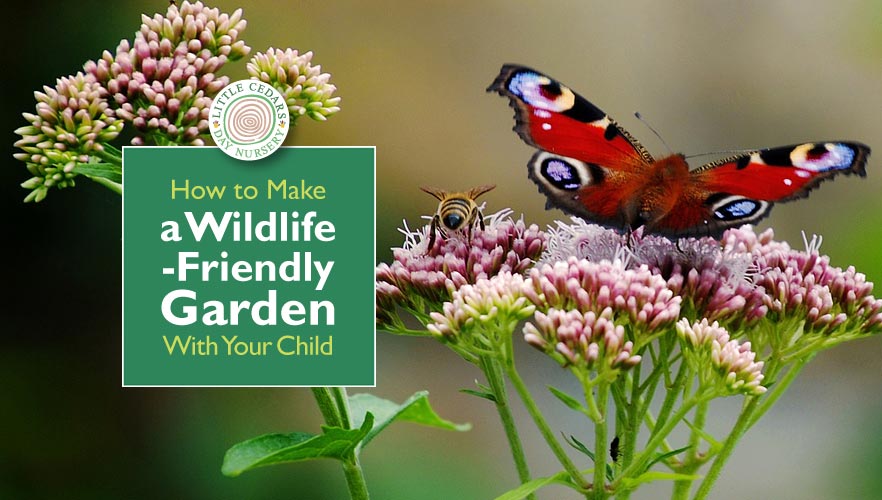
 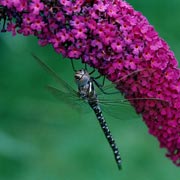 As we mentioned above, butterflies will be attracted to flowers like poppies and wildflowers. However, they absolutely love flowering Buddleia (right) and Hylotelephium (a.k.a. ‘Ice Plant’ – see main image at top), especially if they’re located in a sunny position. On a good day, children may find such plants absolutely covered with visiting butterflies and other pollinators — and these creatures are a delight for little ones and adults alike. Note, though, that parents will need to hard prune most Buddleia varieties in early Spring, otherwise, they can grow quite large. If space is limited, therefore, stick with poppies, wildflowers, and ice plants rather than buddleia.
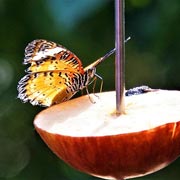 As well as enjoying the nectar from the flowers that children have planted (see above), butterflies can also be lured to children’s gardens through a kind of drink that’s also food for them. For butterflies, children simply mix up to four parts of warmed water with one part of sugar. Stir until the sugar has dissolved. Children can then drizzle the sweet solution over small slices of ripe fruit or even small cut-up pieces of a clean sponge. As with the water for the bees, these can then be placed in shallow dishes and left among flowerbeds or alongside flowerpots on a balcony or windowsill. Once they’ve discovered them, butterflies will soon begin to land to sip at this sweet food supply. Children will then be able to see their incredible beauty up close.
 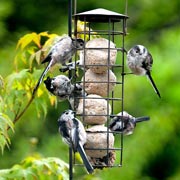 Putting out food suitable for birds is the most simple way to attract birds to a child’s garden or outdoor space. Once the birds recognise and trust it, the new food source will provide a regular stream of pretty, feathered visitors. Children will love knowing they helped to attract these wonderful creatures and have been responsible for giving them a much-needed meal. They can also use
 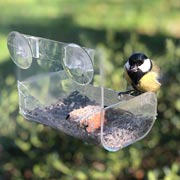 Commercially available ‘Robin peanut cakes’ and ‘sunflower hearts’ are also a big hit with many birds, and can usually be found in supermarkets or online. Whole bird-friendly peanuts are also popular with birds like bluetits and great tits, however, can be a choking hazard for baby birds during the breeding season if not crushed into tiny pieces. More information about suitable food types for birds can be found using the link in the paragraph above.
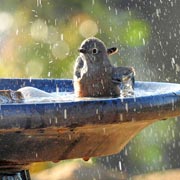 Birds need to drink and bathe themselves, so putting out water in shallow vessels like flowerpot saucers will be welcomed by them. These are best located somewhere a little secluded, e.g. in amongst flowers in a flowerbed or below overhanging shrubs or trees, rather than right out in the open. Otherwise, birds may avoid them as they’ll feel unsafe from birds of prey that sometimes view from high up in the air. If bird baths supplied are on the larger side, birds may bathe in them as well as drink from them. That’s a delight for children to see, so encourage your little one to make one or more bird baths available but also make sure of several things:
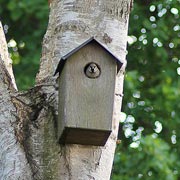 Children will also love seeing birds moving into birdhouses, which families can either make or buy, often inexpensively, and put up around gardens or properties. There are lots of different kinds, for example, blue tit boxes have a hole as an entrance whereas robins require a larger opening. Some research online may be wise and families can decide which type to go for based on what species of birds they wish to attract.
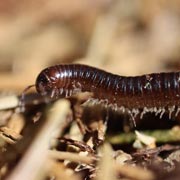 By far the best way to attract minibeasts, apart from ensuring harmful weedkillers and other nasty chemicals aren’t used around the garden, is to give them a compost heap to live in. Such places will attract minibeasts like centipedes, woodlice, millipedes, worms and many other types — perhaps even slow worms. Building a compost heap is a wonderfully worthwhile, fun, and educational activity for children to take part in and our
 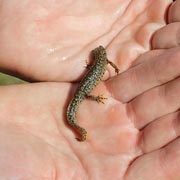 Aside from that, minibeasts and many other types of garden visitors love a wild area of the garden or outdoor space to live in, ideally with ramshackle things like flower pots, rocks, piles of rotting leaves, and rotting logs/branches for bugs, slow worms and other minibeasts to live under. Lizards, frogs, and toads may also be attracted to such areas, particularly if the area is kept damp.
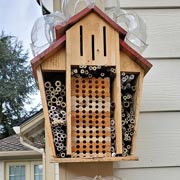 Make or buy a ‘bug hotel’ and place this in the wilderness area too, as it’ll provide a home for all sorts of bugs and insects, including some pollinators like solitary bees, bumblebees, and other minibeasts like ladybirds, woodlice, snails, spiders — even some types of butterfly potentially. Indeed, bug hotels are excellent in autumn as they will provide somewhere safe for the creatures to over-winter and hibernate. The RSPB has
 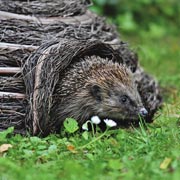 With the right preparation and if children are really lucky, they may even find that adorable little hedgehogs pay a visit. Better still, they may even move in under and raise families of adorable baby hedgehogs if the circumstances are right. Piles of leaves in wild areas, compost heaps in garden corners, unlit bonfire wood stacks, beneath sheds and where there are leaves collecting under undergrowth are all great areas for hedgehogs to stay, particularly if they’re secluded and peaceful areas away from noise, activity, and garden pets like dogs and cats. Ensuring there is a suitable gap under garden fences will also allow hedgehogs to come and go as they please, to forage for food. Ensure they’re not too big, though, if you have a pet.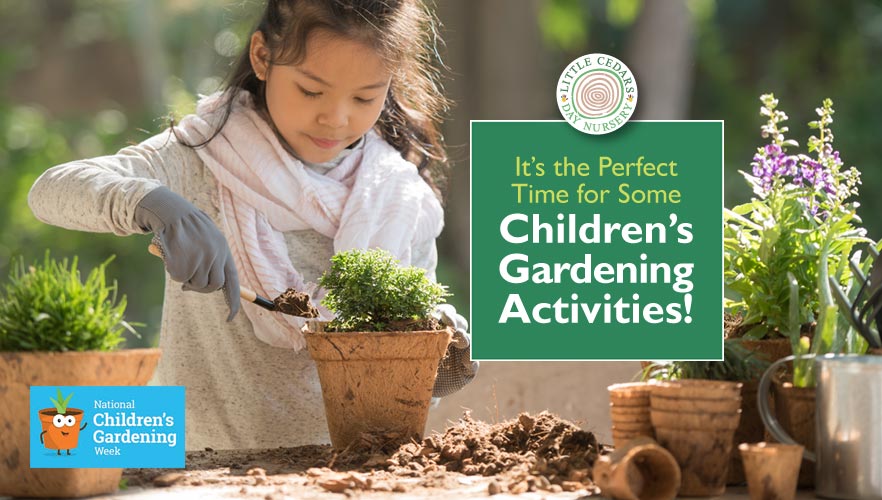
 National Children’s Gardening Week takes place each year in the UK during what’s known as the ‘warm week’ beginning right at the end of May. This year (2024) it spans from 25 May to 2 June. However, children can get involved in gardening well outside of those dates*, of course.
 This year (2024), National Children’s Gardening Week has teamed up with The World of Peter Rabbit and is encouraging children and their families to Grow With Peter Rabbit!
 Did you know, there are some incredibly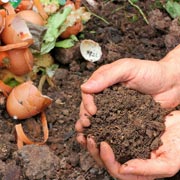
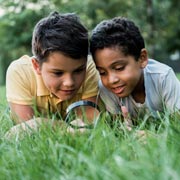 Compost heaps are also wonderful homes for minibeasts, which are also fun and educational for children to spot. Use our previously published
 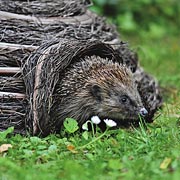 So, making a wildlife-friendly garden or area is a very worthwhile activity for children to take part in — and is educational on so many levels. See
 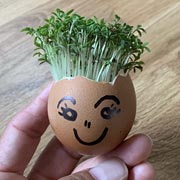 Children can do ‘gardening’ activities indoors too! Get them to
  The benefits of gardening for children are many and varied and that’s why it’s such a wonderful activity to get them involved in. It will teach children many new skills and new knowledge. It’ll teach them about the circle of life, how to care and be responsible for other living things, and about the importance of looking after the planet. It will also give them an insight into where some food types come from. It is also great fun, will give children a huge sense of achievement, and may even open their eyes to the possibility of careers in horticulture, land management, food production, farming, and the like. And, of course, gardening makes the world a better place in so many ways. Let’s also not forget that