
 It can be frustrating when children refuse to eat particular foods, often seemingly for no apparent reason. Much of it is new to them, though, if they’ve only recently been weaned off milk. So, firstly don’t get stressed about it. Refusing certain foods initially is quite normal for the very young. Often, all that is needed is a strategy for dealing with finicky eating and a little patience. Let’s take a look, today, at measures parents or carers can take to manage children who are fussy eaters. After all, it’s imperative that they have a healthy, balanced diet.
1. Be Patient
It may take as many as 10-15 attempts before a child will accept and trust a new food, particularly if it has a taste and texture that’s new to their palette. The secret is for them to keep trying it over a few days and weeks. More often than not, they’ll eventually accept it and indeed even realise that they like it if you’ve added it to their plate multiple times over an extended period.
2. Make Allowances for an Acquired Taste
 Similarly, some foods are an acquired taste, i.e. one that’s initially not liked, but is later appreciated and enjoyed. Avocados have a taste that’s quite subtle and delicate, for example. Because of that, some youngsters think they are bland — but may well love their subtle flavour and texture once they’re older. That’s an acquired taste. So, again, it’s worth encouraging your child to keep trying foods even if they don’t think they like them in the beginning.
3. Change the Format
Children will refuse some foods based purely on what they look like. For whatever reason, how they look may not appeal to the child. When this happens, one easy solution is to disguise the particular food type next time around. Examples would be chopping it up smaller, mixing it in with something else or even blitzing or liquidising it to use in soup, purée or sauce. They may then not even realise that they’re eating the food they refused previously.
4. Sneaky Pairing
 If your child loves one food but not initially another, try using food bridges. This is when you pair one food with another food that you know they already like. You can start small and gradually increase the amount of the ‘new’ food. Adding cheese to potato or pasta is one example. Adding a small garnish of finely chopped herbs, vegetables or even fruit to pasta, rice, pulses or meat is another. These may slip under the child’s radar and this will help with gradual acceptance.
5. Make it Attractive to the Child
Similarly, making a new food attractive to the child may help him or her accept it. This could entail using colourful foods to form attractive designs on the plate, rainbow colours, creatively shaped foods and so on.
6. Get Children to Engage with their Food
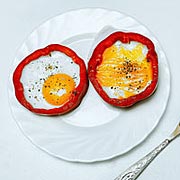 You could even make the food into fun pictures, all entirely made of the food you want them to eat. For example, peas could be made to represent a hill, broccoli could represent a wooded area, the yolk of a fried egg could represent the sun and so on. This approach will help children to see a fun aspect of food, and to engage more directly with it.
7. Food Themes
You could even ‘theme’ how meals look. For example, one meal could depict a scene with a rocket ready for launch (the rocket could be a carrot). Another food theme might be a treasure island, and so on.
8. Get Children Involved
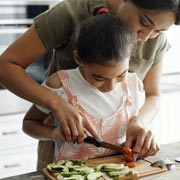 You could even get children involved in the creativity and choices around food. With the requisite care around safety, you could involve them in food preparation, choosing foods, deciding how they are displayed on the plate and so on. This will again get them more engaged around food and make it into a fun, creative activity. Children will love that. Remember, though, that this should only be taken so far. After all, you do not want to encourage them to always ‘play’ with their food.
9. Use Fun Plates & Bowls
Plates and bowls and even cutlery that feature fun designs and characters may also help children enjoy the process of eating more. Perhaps a food they’re not yet convinced about could be used to cover the face of their favourite character. You can then encourage them to eat that food type so that they reveal the face and gradually they’ll reveal the whole scene if they eat all their food.
10. Praise Them
 When your child eats something that they’ve not been keen on eating before, give them positive feedback as this will encourage them. A well done here and a good job there will sometimes do wonders.
11. Send Good Signals
Similarly, sending good signals around food will help to encourage children to eat, for example, referring to a particular food as yummy or delicious. Food needs to be perceived always as a positive thing.
12. Try Home Growing Activities
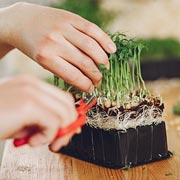 Getting your child involved in growing vegetables, herbs and perhaps even fruit at home may also encourage them to actually eat it. They’ll get an enormous sense of satisfaction if they grow something from seed, nurture it and finally get to eat it. It’ll also teach them new skills and about nature and where some food comes from.
13. Explain the Importance of Food
When they’re a little older and have good language skills, you could remind children why food is so important — giving them much-needed minerals and vitamins, for example, giving them energy, making them strong, ensuring their brain works efficiently and so on. This can be a powerful approach and you may even find them saying such facts back to you if you persevere.
14. Walk the Walk
It’s one thing telling children all the reasons they should eat a good, healthy, balanced meal. However, demonstrating that you are doing so is even better! So, lead by example. Ensure they are seeing that you too are eating a good mix of different foods and be a good role model. You could even educate them about each food type along the way. For example, you could point out that you’re eating potato because it’s high in starch (good for energy to power the body), or cheese because it’s high in calcium (good for bones and teeth) and so on.
15. Offer a Reward
If all else fails, offer a reward to a child who isn’t really cooperating over a particular food. For example, you could say, if you eat all your peas, we’ll go to the swings or similar.
Healthy Eating at Little Cedars Nursery
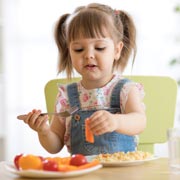 At Little Cedars Nursery in Streatham we know how finicky young children can sometimes be. So, we too occasionally employ some of the tactics described above. After all, food and a healthy, balanced diet is important and never more so than in children’s formative years. Study after study has shown this to be the case. Read our Healthy Eating Guide for Under-Fives for more details.
Our High Quality Nursery & Pre-school in Streatham
Near Furzedown, Tooting, Balham, Norbury & Colliers Wood
 If you are looking for the best nursery or pre-school for your baby, toddler or preschooler in the Streatham area, please get in touch. We offer high quality weekday childcare for under-fives and the nursery/pre-school is also conveniently close if you are living or working in Streatham Hill, Streatham Park, Streatham Common, Furzedown, Tooting, Tooting Bec, Tooting Broadway, Tooting Common, Balham, Norbury or Colliers Wood. Get in touch using the buttons below to apply for a place, arrange a tour of the setting or simply to ask any questions. We’ll be happy to help.
 Our
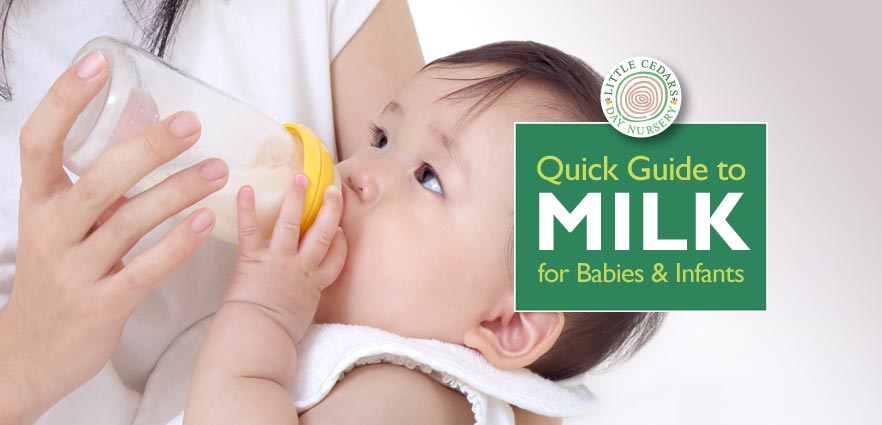
Our  The variety of formula milks is surprisingly large, not helped by the fact that different brands call some of them by different names. Some products and names also seem to have been developed in order to cover small niches, many of which are actually already adequately covered by larger, existing product lines (‘Toddler Milk’ and ‘Growing-Up Milk’ are two examples cited by the NHS). Then add in the fact that many are sold as liquid and also as powder that needs to be made up. The choice can be overwhelming, which is where the following guide can help …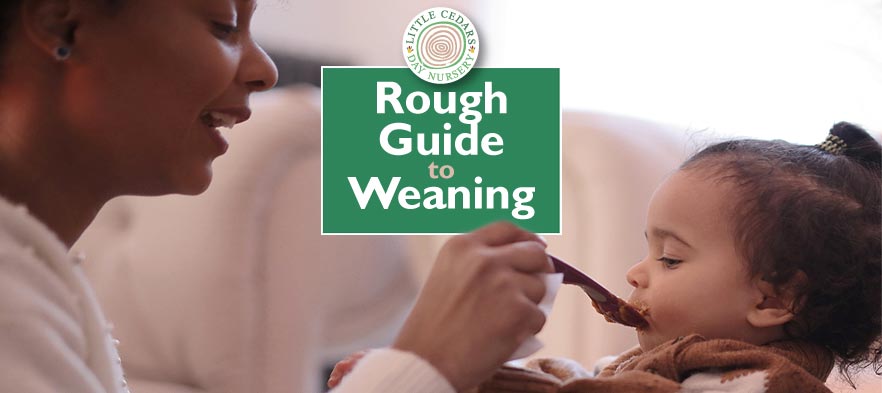
 Also known as complementary feeding, weaning is an important milestone for any parent or baby and usually occurs when the baby reaches the age of about 6 months. Sometimes babies simply tire of milk and weaning thereby comes naturally. In other cases, a baby needs a bit more encouragement to make their transition towards solids. Here, we’ll explore the whole topic of weaning in more detail, including ways parents can help to make the transition smoothly and stress-free for all parties.
 Weaning should be fun and it’s also the only time in a child’s life where they won’t have any preconceived ideas about what foods they “do or don’t like”. So, parents can experiment, within reason of course. It’s a time when introducing new foods to the baby comes naturally once the baby has caught on to the idea of this new experience.
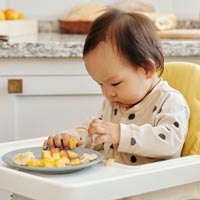 Don’t rush it; set aside some time with baby so it’s relaxed, otherwise everyone can get stressed, especially initially.
 You can later move on to whole, (adult) finger-sized pieces of very soft fruits that baby can learn to hold. However, do read the Health & Safety Considerations section below before moving to un-mashed foods.
 Huge care needs to be taken to avoid giving infants anything that’s going to represent a potential choking hazard. Whole grapes, cherry tomatoes or anything else of a similar size would be examples of this as they are perfectly sized to block a baby’s airway if not first chopped up. Also avoid anything hard like nuts, raw vegetables or un-mashed apple and ensure that any pips/seeds/stones are removed from fruit and bones are removed from fish or meat.
 Always try to maintain a varied diet for the infant, so they get all the vitamins and nutrients they need as they intake less and less milk. Ensure the foods contain sufficient iron, which can be sought from fortified cereal, fish, milk, dark green vegetables, lentils and beans. Giving them finger foods to hold and eat themselves is a great way to encourage them to feed themselves (under supervision, of course). As they grow older they can be encouraged to eat at the family table with parents/siblings and eventually upskill to using cutlery, along with eventually learning the rules around good table manners etc.
 Little Cedars is